

{
  "authors": [
    "Lahcen Achy",
    "Ibrahim Saif",
    "Susan Joekes",
    "Nada al-Nashif",
    "Yousef Al-Ebraheem",
    "Makram Sader",
    "Charles Abdallah",
    "Ramla Khalidi"
  ],
  "type": "event",
  "centerAffiliationAll": "",
  "centers": [
    "Carnegie Endowment for International Peace",
    "Malcolm H. Kerr Carnegie Middle East Center"
  ],
  "collections": [],
  "englishNewsletterAll": "",
  "nonEnglishNewsletterAll": "",
  "primaryCenter": "Carnegie Endowment for International Peace",
  "programAffiliation": "",
  "programs": [],
  "projects": [],
  "regions": [
    "Middle East",
    "Egypt",
    "Gulf",
    "Levant",
    "Maghreb"
  ],
  "topics": [
    "Economy"
  ]
}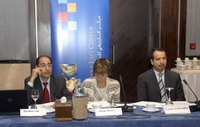
Policy Debates in the Middle East: The Global Financial and Economic Crisis: Impact and Response in the MENA Region
Fri, May 15th, 2009
Beirut
- Yousef Al Ebraheem proposed the establishment of a GCC Stabilization Fund arguing that had the GCC countries acted as a bloc, the impact would have been minimized.
- Nada al-Nashif suggested that workers should be viewed as decision-makers arguing that, more than ever, now is the time for social dialogue.
- Charles Abdallah wondered what could be the "real economy" in the GCC countries.
- Nabil Sukkar predited that the crisis will lead to a slower pace of Syria's attempts at economic liberalization.
- Bahri Yilmaz argued that Turkey's recent macroeconomic problems were mainly home-grown and stemmed to a large extent from excess aggregate demand generated in the public sector to force the economy to grow faster than private savings would allow.
- Lahcen Achy predicted that Morocco will be at the heart of the crisis when the world economy recovers.
- Ghassan Omet questioned the wisdom of the government's recent monetary policies.
- Mongi Boughazala expressed his skepticism of the government's "arbitrary" policies.
- Heba Nassar recommended the adoption of a social crisis management approach to rescue packages.
- Munir Rached focused on the need for Lebanon to rethink its interest rate policy.
- Sahar Rad argued that the international isolation of Iran has meant both a deprivation from global benefits as well as protection against fluctuations.
- Mohammad Nasr explained that the policy response of the Palestinian National Authority to the global financial crisis is constrained by the limited policy space available to it under the terms of the Paris Protocol.
- Safiat Ali Saber Ali highlighted mismanaged economic policies in Sudan.
Carnegie India does not take institutional positions on public policy issues; the views represented herein are those of the author(s) and do not necessarily reflect the views of Carnegie, its staff, or its trustees.
Event Speakers
Former Nonresident Senior Associate, Middle East Center
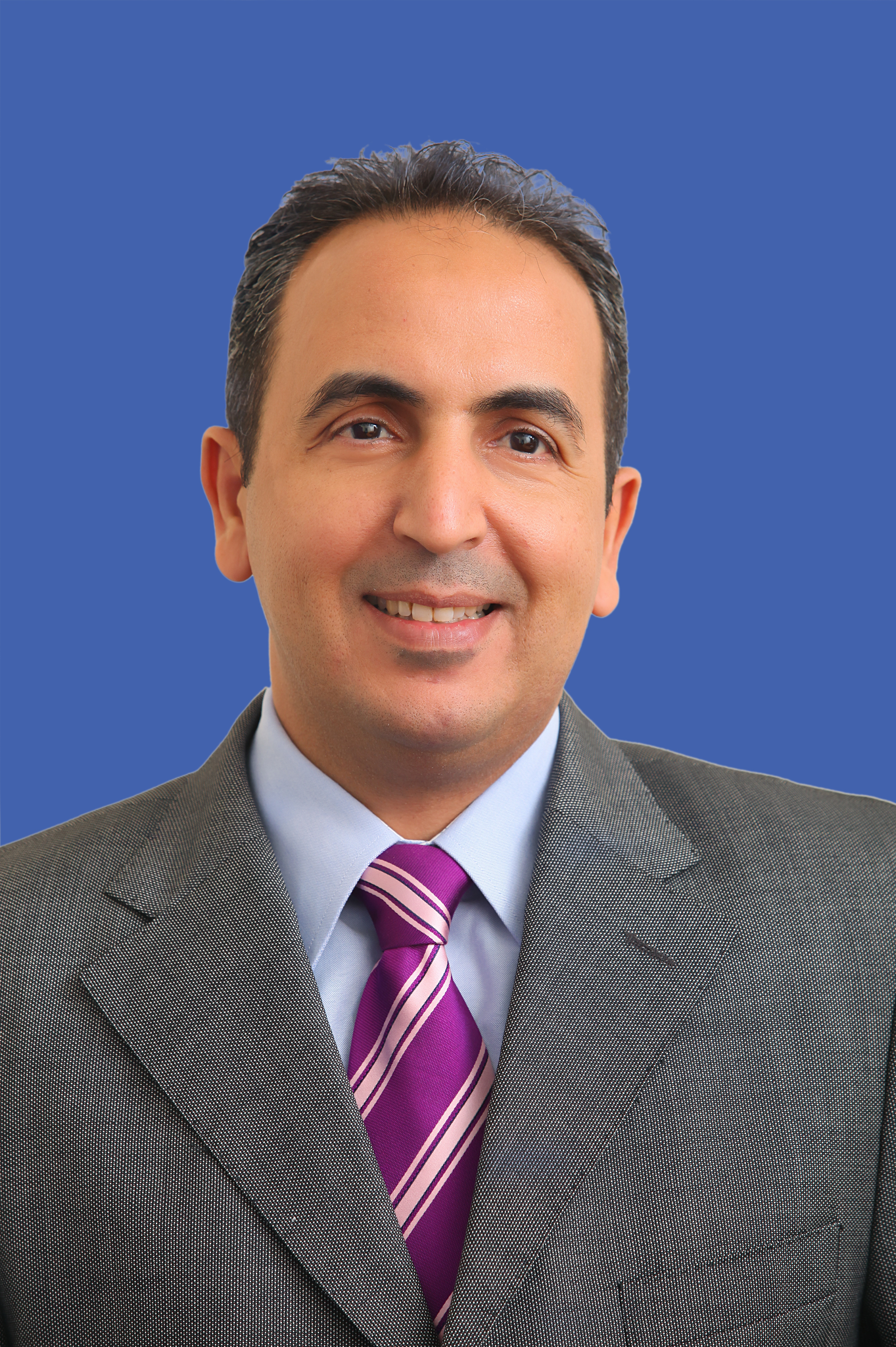
Achy is an economist with expertise in development, institutional economics, trade, and labor and a focus on the Middle East and North Africa.
Former Senior Associate, Middle East Center
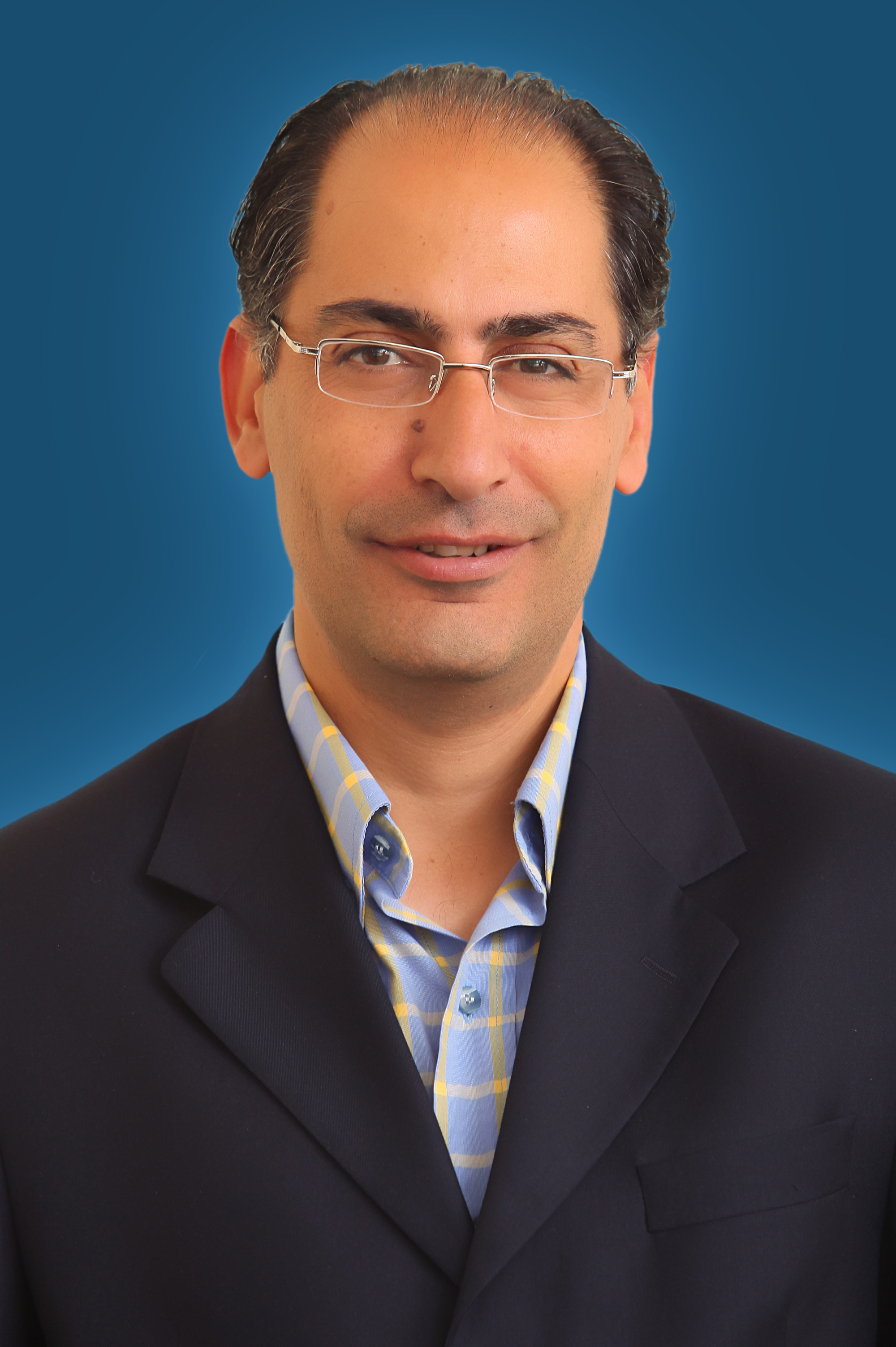
Saif is an economist specializing in the political economy of the Middle East. His research focuses on international trade and structural adjustment programs in developing countries, with emphasis on Jordan and the Middle East.
Susan Joekes
Nada al-Nashif
Yousef Al-Ebraheem
Makram Sader
Charles Abdallah
Ramla Khalidi