

{
  "authors": [
    "Richard Weitz",
    "Petr Topychkanov"
  ],
  "type": "event",
  "centerAffiliationAll": "",
  "centers": [
    "Carnegie Endowment for International Peace",
    "Carnegie Russia Eurasia Center"
  ],
  "collections": [],
  "englishNewsletterAll": "",
  "nonEnglishNewsletterAll": "",
  "primaryCenter": "Carnegie Russia Eurasia Center",
  "programAffiliation": "",
  "programs": [],
  "projects": [],
  "regions": [
    "North America",
    "United States",
    "East Asia",
    "China",
    "Russia"
  ],
  "topics": [
    "Security",
    "Military",
    "Foreign Policy",
    "Nuclear Policy"
  ]
}
Promoting Russia-U.S.-China Nonproliferation Cooperation in a Time of Trilateral Conflict
Wed, April 15th, 2015
Moscow
Moscow, Washington, and Beijing hold dissimilar and sometimes opposing views on several security issues, including ballistic missile defense, strategic conventional weapons, and the INF Treaty. The conflict in Ukraine and the chill in U.S.-Russian relations have further complicated cooperation on security matters.
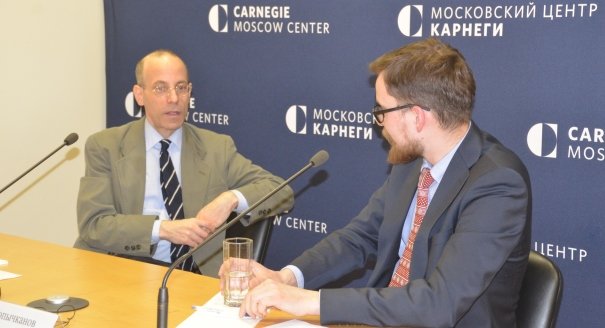
Richard Weitz, senior fellow and director of the Center for Political-Military Analysis at the Hudson Institute, spoke on the current dimensions of Russia-U.S.-China trilateral security relations and assessed the potential for cooperation in the sphere of nonproliferation and nuclear disarmament. Carnegie’s Petr Topychkanov moderated.
Carnegie India does not take institutional positions on public policy issues; the views represented herein are those of the author(s) and do not necessarily reflect the views of Carnegie, its staff, or its trustees.
Event Speakers
Richard Weitz
Former Fellow, Nonproliferation Program, Moscow Center
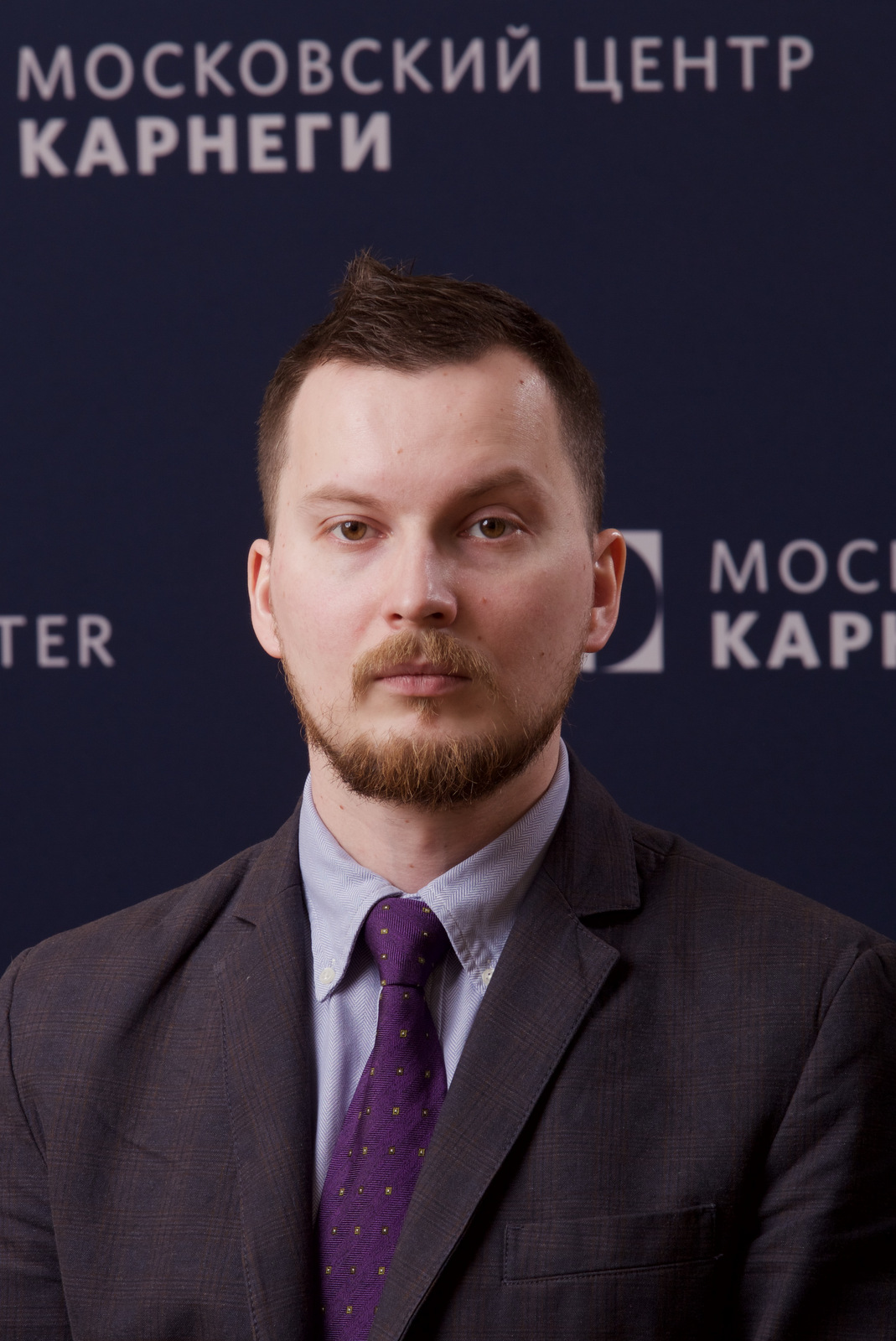
Topychkanov was a fellow in the Carnegie Moscow Center’s Nonproliferation Program.