

{
  "authors": [
    "Mohanad Hage Ali",
    "Armenak Tokmajyan",
    "Caroline Rose",
    "Alia Ibrahim"
  ],
  "type": "event",
  "centerAffiliationAll": "",
  "centers": [
    "Malcolm H. Kerr Carnegie Middle East Center",
    "Carnegie Endowment for International Peace"
  ],
  "collections": [
    "Syria in a New Era",
    "Illicit Networks in the Levant: Crime, Conflict, and Collapse",
    "Decoding Lebanon"
  ],
  "englishNewsletterAll": "",
  "nonEnglishNewsletterAll": "",
  "primaryCenter": "Carnegie Endowment for International Peace",
  "programAffiliation": "",
  "programs": [],
  "projects": [
    "X-Border Local Research Network"
  ],
  "regions": [
    "Syria"
  ],
  "topics": []
}
The political dynamics of Captagon in Lebanon and Syria, and the implications of Assad’s downfall
Wed, March 19th, 2025
Virtual
Invalid video URL
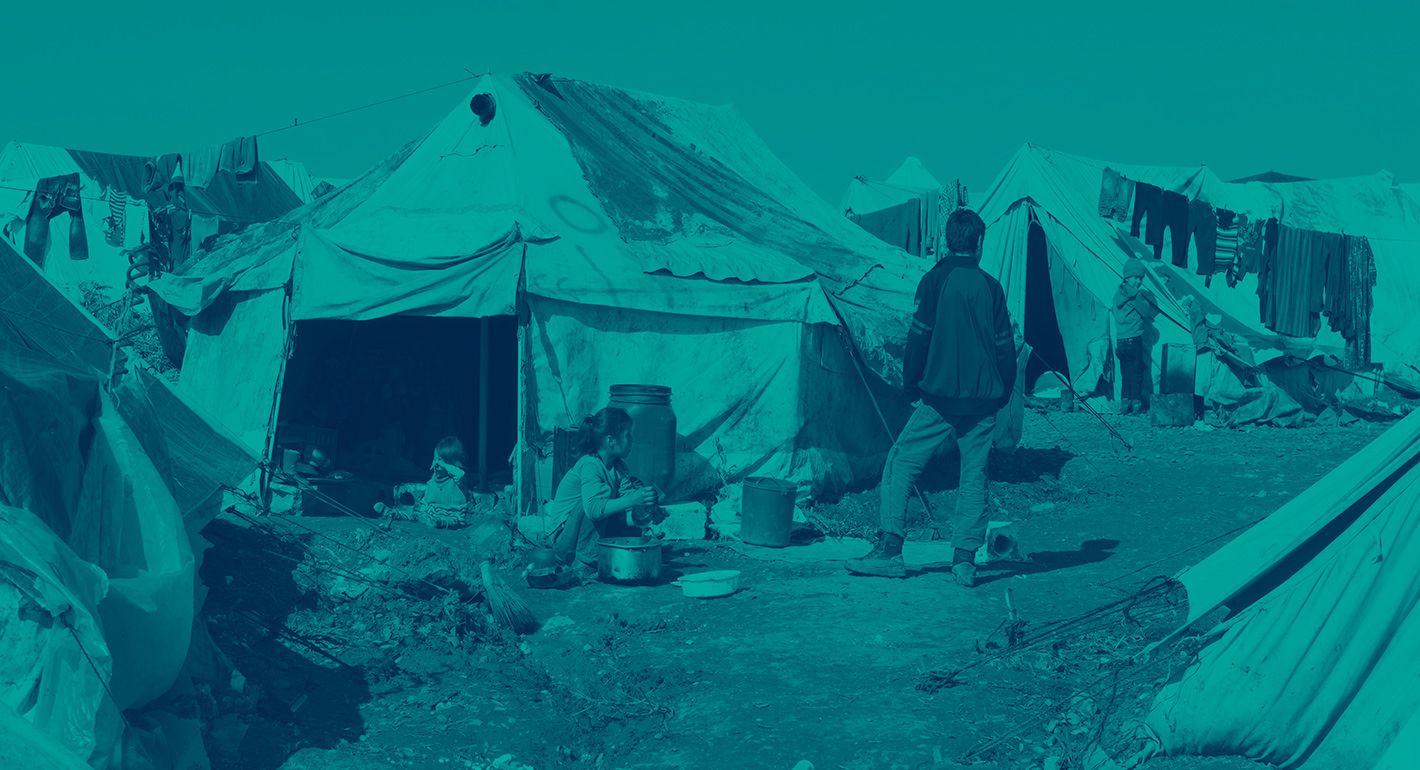
Following the Syrian civil war, the Captagon trade became a major source of revenue for the now-deposed Assad regime in Syria and various military actors. This led to the emergence of a new generation of drug barons along the Lebanese-Syrian border. Unlike traditional tribal-based drug traffickers, this new generation of traffickers wields significantly more influence over Lebanon’s political center and security services. How will the downfall of the Syrian regime impact these dynamics? And will the current political shift in Lebanon, moving away from Hezbollah, bolster the state’s counter-narcotics efforts?
To explore these issues, the Malcolm H. Kerr Carnegie Middle East Center is organizing a virtual panel discussion on March 19, at 4:00 PM Beirut Time, EET (UTC+2)/ 10:00 AM EDT. The speakers are Mohanad Hage Ali, deputy director for research at the Malcolm H. Kerr Carnegie Middle East Center, Armenak Tokmajyan, a nonresident scholar at the Malcolm H. Kerr Carnegie Middle East Center, and Caroline Rose, director of the Strategic Blind Spots Portfolio at the New Lines Institute. The event will focus on a Carnegie paper exploring these issues, titled “Double Dealers: Lebanon and the Risks of Captagon Trafficking,” authored by the panelist Mohanad Hage Ali.
The discussion will be held in English and moderated by Alia Ibrahim, a co-founder and CEO of Daraj.com, an independent digital media platform. Viewers may submit their questions to the panelists using the live chat feature on Facebook and YouTube.
For more information, please contact Najwa Yassine at najwa.yassine@carnegie-mec.org.
Carnegie India does not take institutional positions on public policy issues; the views represented herein are those of the author(s) and do not necessarily reflect the views of Carnegie, its staff, or its trustees.
Event Speakers
Deputy Director for Research, Malcolm H. Kerr Carnegie Middle East Center

Mohanad Hage Ali is the deputy director for research at the Malcolm H. Kerr Carnegie Middle East Center.
Nonresident Scholar Malcolm H. Kerr Carnegie Middle East Center

Armenak Tokmajyan is a nonresident scholar at the Malcolm H. Kerr Carnegie Middle East Center in Beirut. His research focuses on borders and conflict, Syrian refugees, and state-society relations in Syria.
Caroline Rose
Director of the Strategic Blind Spots Portfolio at the New Lines Institute
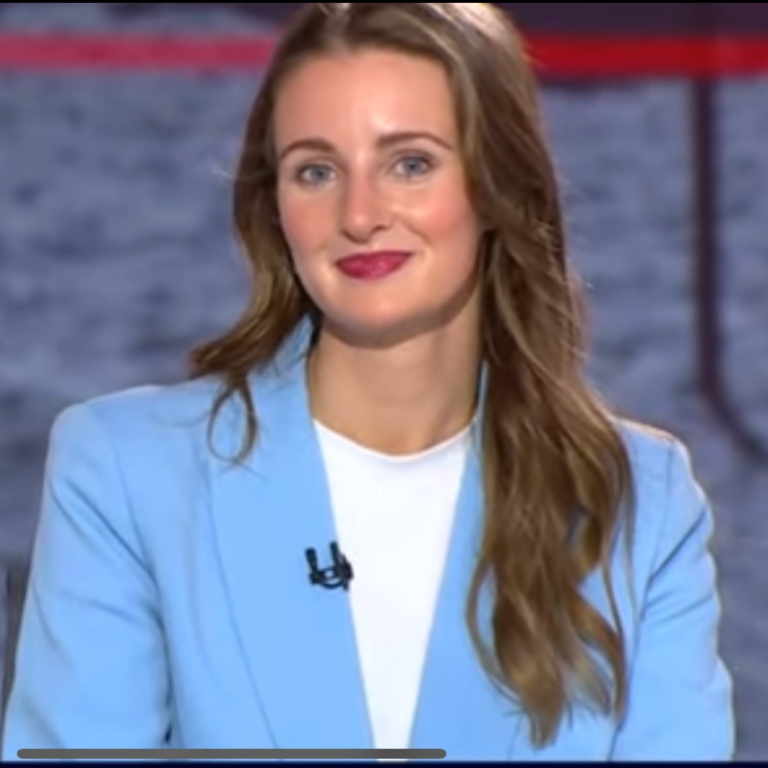
Caroline Rose is the Director of the Strategic Blind Spots Portfolio at the New Lines Institute, where she leads and produces research on the intersection of defense, security, illicit trades, and geopolitical landscapes from Europe to the Middle East and North Africa. Her portfolio at the institute includes two projects: the Project on the Captagon Trade and the Project on Post-Withdrawal Security Landscapes.
Alia Ibrahim
Co-founder and CEO of Daraj.com, an independent digital media platform.
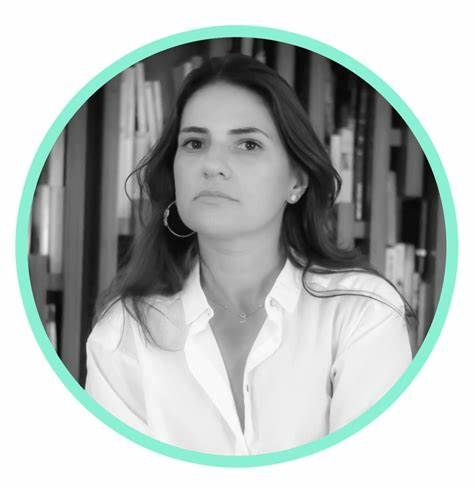
Alia Ibrahim, Lebanon, is co-founder and CEO of Daraj.com, an independent digital media platform launched in November 2017. Before that, Ibrahim was Senior Correspondent at Al-Arabiya News Channel. Since 2015, she has produced and directed investigative reports for the network's Special Mission program.