

{
  "authors": [
    "Abigail Hauslohner",
    "Marwan Muasher",
    "Karim Sadjadpour",
    "Sarah Yerkes",
    "Nicole Grajewski"
  ],
  "type": "event",
  "centerAffiliationAll": "dc",
  "centers": [
    "Carnegie Endowment for International Peace"
  ],
  "collections": [
    "Regional Security in the Middle East and North Africa",
    "The Iran War’s Global Reach"
  ],
  "englishNewsletterAll": "menaTransitions",
  "nonEnglishNewsletterAll": "",
  "programAffiliation": "MEP",
  "programs": [
    "Middle East"
  ],
  "regions": [
    "Middle East",
    "Iran",
    "United States",
    "Israel"
  ],
  "topics": [
    "Foreign Policy",
    "Security",
    "Nuclear Policy"
  ]
}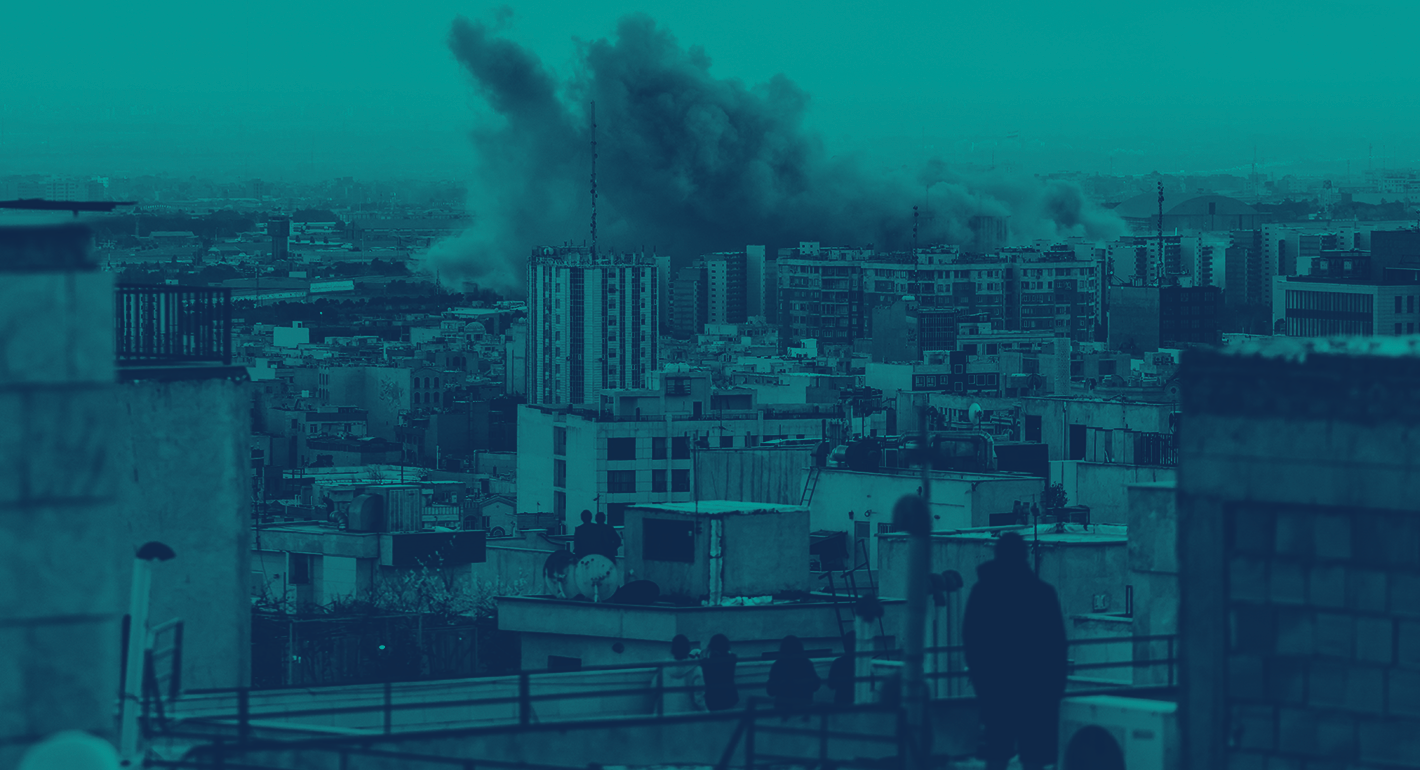
Photo by ATTA KENARE / AFP via Getty Images
Regional Shockwaves: Long-Term Implications of the U.S.-Israel-Iran War
Wed, April 1st, 2026
Washington, D.C. and Live Online
Invalid video URL
On February 28, the United States and Israel launched a joint air attack on Iran, killing supreme leader Ayatollah Ali Khamenei. As the attacks continued, Iran began to hit back, targeting not only Israel and American assets in the Gulf, but also Gulf states themselves, including critical infrastructure, business hubs, and civilian targets. Furthermore, Iran mounted an effort to disrupt global energy supplies by closing the Strait of Hormuz and attacking oil vessels in the Gulf. Beyond the expanded geography of the Islamic Republic’s retaliations, the U.S.-Israel-Iran war spurred new fighting between Hezbollah and Israel, leading to renewed civilian misery in Lebanon.
Throughout the first weeks of the war, the U.S. objectives have been unclear, with President Donald Trump and his senior advisors making statements that contradicted each other and, sometimes, themselves. An exit strategy from the current escalation is also difficult to discern. The emerging regional security environment is likely to be characterized by more rogue behavior by Iran and Israel, and more demands on U.S. security guarantees by the Arab Gulf countries.
Join the Carnegie Endowment’s Middle East program for a panel discussion moderated by Abigail Hauslohner of the Financial Times, bringing together Marwan Muasher, Karim Sadjadpour, Sarah Yerkes, and Nicole Grajewski to examine the long-term impacts that the war will have on regional security, and on the United States’ and other international actors’ policies in the Middle East.
A light breakfast will be served before the event.
Carnegie India does not take institutional positions on public policy issues; the views represented herein are those of the author(s) and do not necessarily reflect the views of Carnegie, its staff, or its trustees.
Event Speakers
Abigail Hauslohner
U.S.-Mideast & Africa Foreign Affairs Correspondent, Financial Times
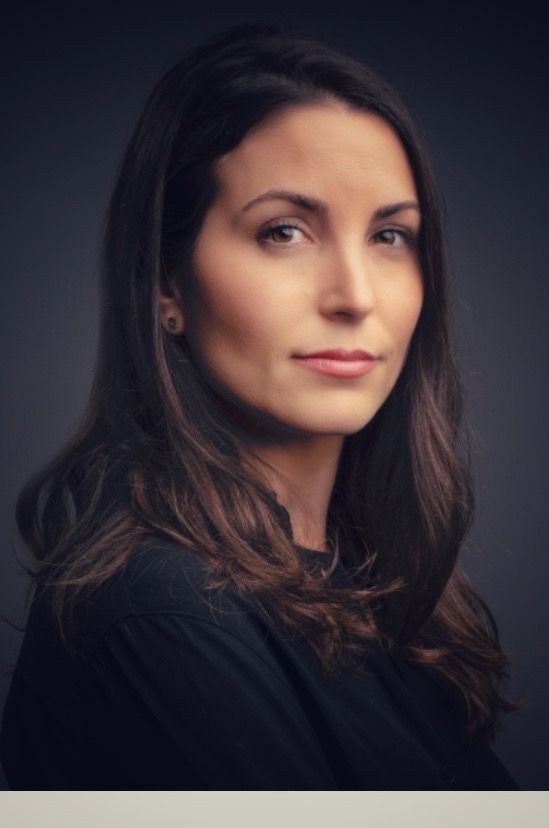
Abigail Hauslohner is the Financial Times' US-Middle East Foreign Affairs Correspondent, writing about Washington's evolving policy, relationships and actions in the Middle East and Africa. She previously covered national security for The Washington Post, and was based in the Middle East for many years before that, first as a correspondent for TIME Magazine and then as the Post's Cairo bureau chief.
Vice President for Studies

Marwan Muasher is vice president for studies at Carnegie, where he oversees research in Washington and Beirut on the Middle East. Muasher served as foreign minister (2002–2004) and deputy prime minister (2004–2005) of Jordan, and his career has spanned the areas of diplomacy, development, civil society, and communications.
Senior Fellow, Middle East Program

Karim Sadjadpour is a senior fellow at the Carnegie Endowment for International Peace, where he focuses on Iran and U.S. foreign policy toward the Middle East.
Senior Fellow, Middle East Program
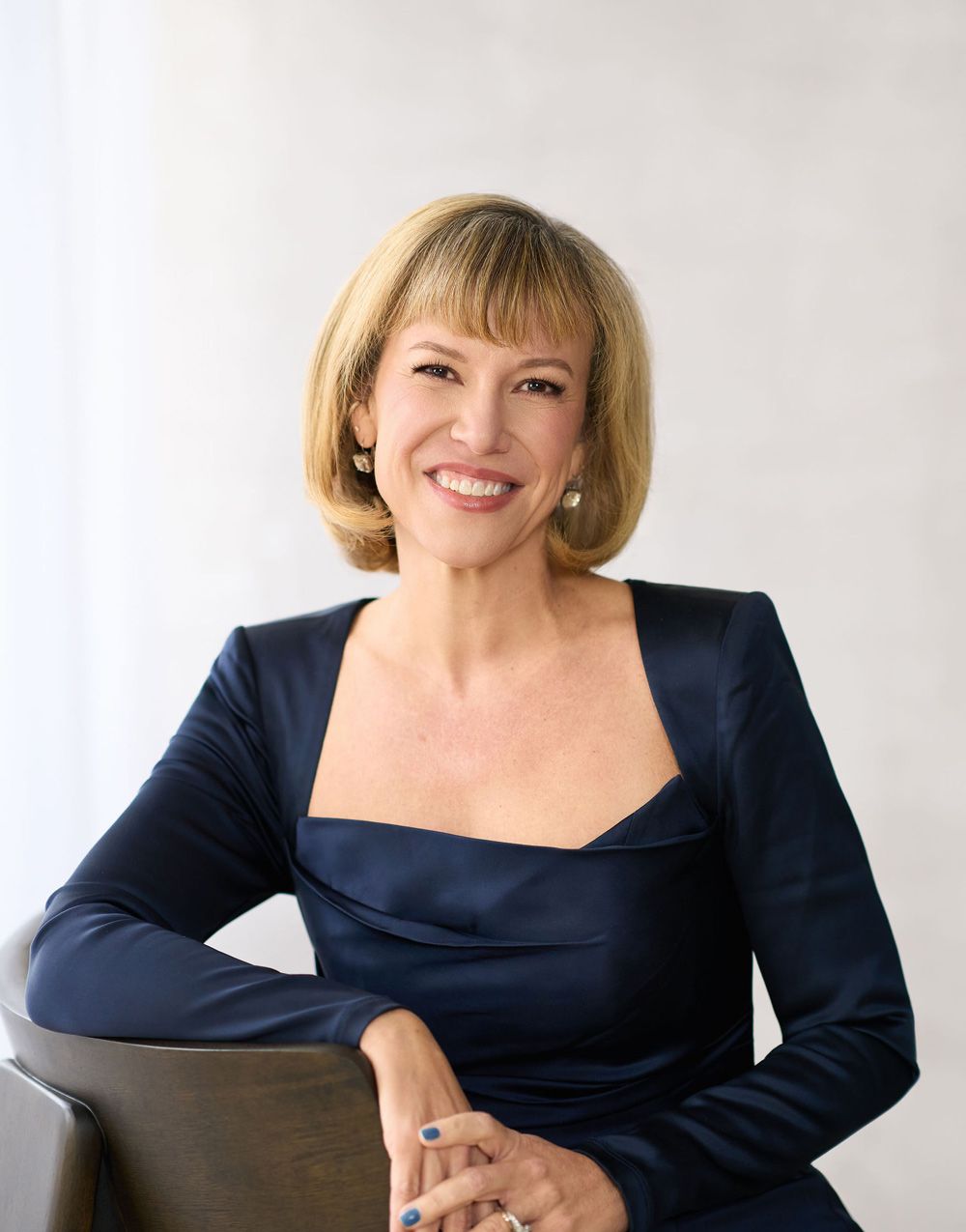
Sarah Yerkes is a senior fellow in Carnegie’s Middle East Program, where her research focuses on Tunisia’s political, economic, and security developments as well as state-society relations in the Middle East and North Africa.
Nonresident Scholar, Nuclear Policy Program
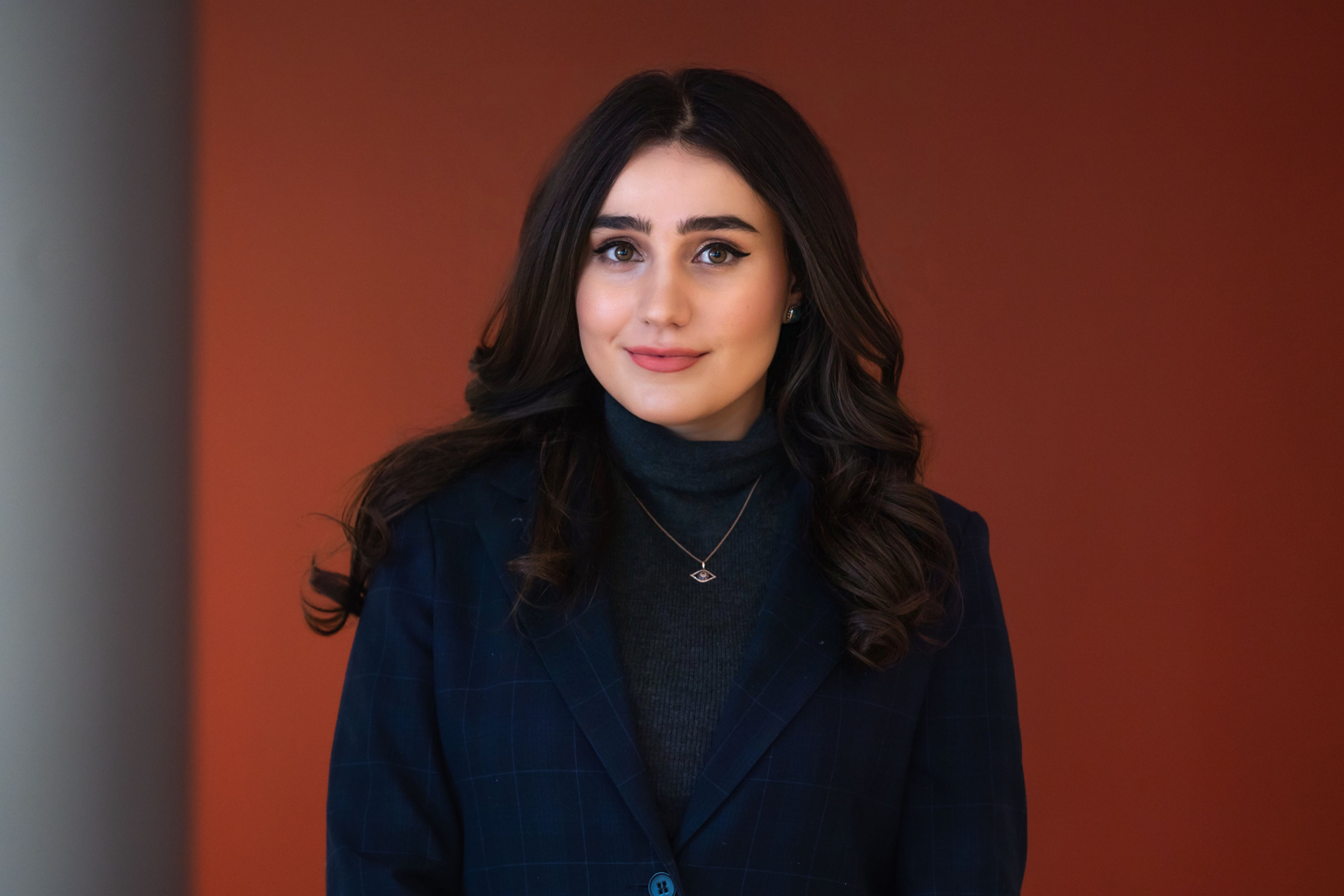
Nicole Grajewski is a nonresident scholar in the Nuclear Policy Program at the Carnegie Endowment for International Peace.