• Research
  • About
  • Experts
Carnegie India logoCarnegie lettermark logo
AI
Podcast Episode
Carnegie India

India, Australia, and the Critical Minerals Opportunity

In this episode of Interpreting India, Shruti Mittal, research analyst at Carnegie India, speaks with Professor Mohan Yellishetty of Monash University on the India-Australia critical minerals partnership, what it has delivered so far, and where the two countries can build the most meaningful cooperation over the next decade.

Link Copied
By Shruti Mittal and Mohan Yellishetty
Published on Aug 14, 2026

Subscribe on

SpotifyApple PodcastsAmazon MusicYoutube
Project hero Image

Project

Technology and Society

This program focuses on five sets of imperatives: data, strategic technologies, emerging technologies, digital public infrastructure, and strategic partnerships.

Learn More

Invalid video URL

In this episode of Interpreting India, Shruti Mittal, research analyst at Carnegie India, speaks with Professor Mohan Yellishetty of Monash University on the India-Australia critical minerals partnership, what it has delivered so far, and where the two countries can build the most meaningful cooperation over the next decade.

This episode explores:

  • How have India and Australia's mineral positions evolved individually over the last few years, and where do their trajectories stand today when viewed together?
  • Beyond the standard supply-demand complementarity, what do genuine areas of cooperation look like in practice?
  • What has the Australia-India Critical Minerals Research Hub (AICMRH) built over the past few years, and how has that translated into policy influence on both sides?
  • On a 5-to-10-year horizon, what would a mature India-Australia critical minerals partnership look like?

Episode Notes

The conversation opens with a useful baseline on both countries. Australia has world-class mining equipment, technology, and services capabilities, and its mining sector contributes roughly 10 to 15 percent of GDP, yet it remains predominantly a raw material exporter with limited domestic demand. India has a large and growing demand for minerals to fuel its manufacturing ambitions, a vast talent pool, and competitive labor and energy costs, but has historically underinvested in systematic exploration, reserve creation, and processing relative to its long-term needs. The complementarity is clear, but Professor Yellishetty is equally clear about what is missing: while government-to-government and university-to-university engagement is working well through mechanisms such as the Comprehensive Strategic Partnership, the Ministry of Mines MoU, and KABIL's engagement with Australia's Critical Minerals Facilitation Office, the business-to-business piece 

On the Australia-India Critical Minerals Research Hub (AICMRH), the conversation traces its origins to a community of practice that came together during the COVID-19 lockdown, eventually growing to around 150 researchers. The Hub has since hosted national symposiums, submitted recommendations to ministries on both sides, and facilitated student exchanges, with institutional partnerships including Monash University's collaborations with IIT Bombay and IIT Hyderabad. Professor Yellishetty notes that the Hub's policy recommendations fed into discussions around India's first critical minerals list and the announcement of Centres of Excellence (CoE) under the National Critical Minerals Mission, launched in 2025. The next step, he argues, is institutionalizing this through a Joint Centre of Excellence that can anchor commercial outcomes alongside research, including moving promising technologies such as environmentally benign processing methods like deep eutectic solvents from laboratory to pilot scale and eventually to commercial deployment.

Looking ahead, Professor Yellishetty organizes the India-Australia opportunity into five buckets: policy and trade, technology research and development, investment and financing, skills and capacity building, and ESG learning. He sees particular promise in co-developing processing technologies rather than simply transferring them, spanning rare earth extraction, lithium value chains, and environmentally safer processing, as well as co-investing in third countries like Indonesia and Vietnam that hold significant mineral reserves. He also situates the bilateral relationship within the wider Quad framework, where Australia contributes mining and ESG expertise, Japan brings capital and downstream processing experience, and the United States offers technology and intellectual property, alongside India's scale and human capital. The ambition, ultimately, is to build India into not just a consumer of critical minerals but a processing hub capable of serving western markets.

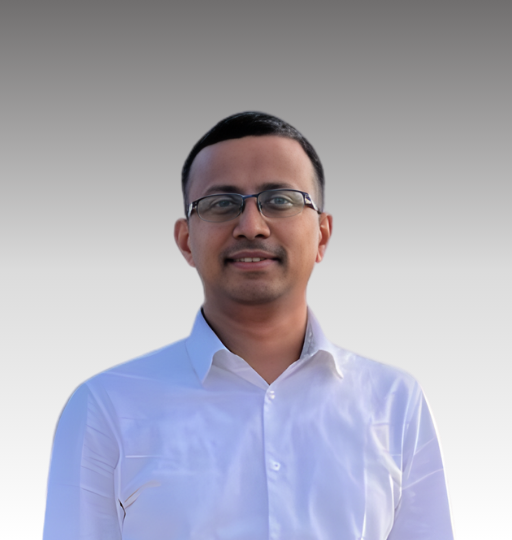
Hosted by

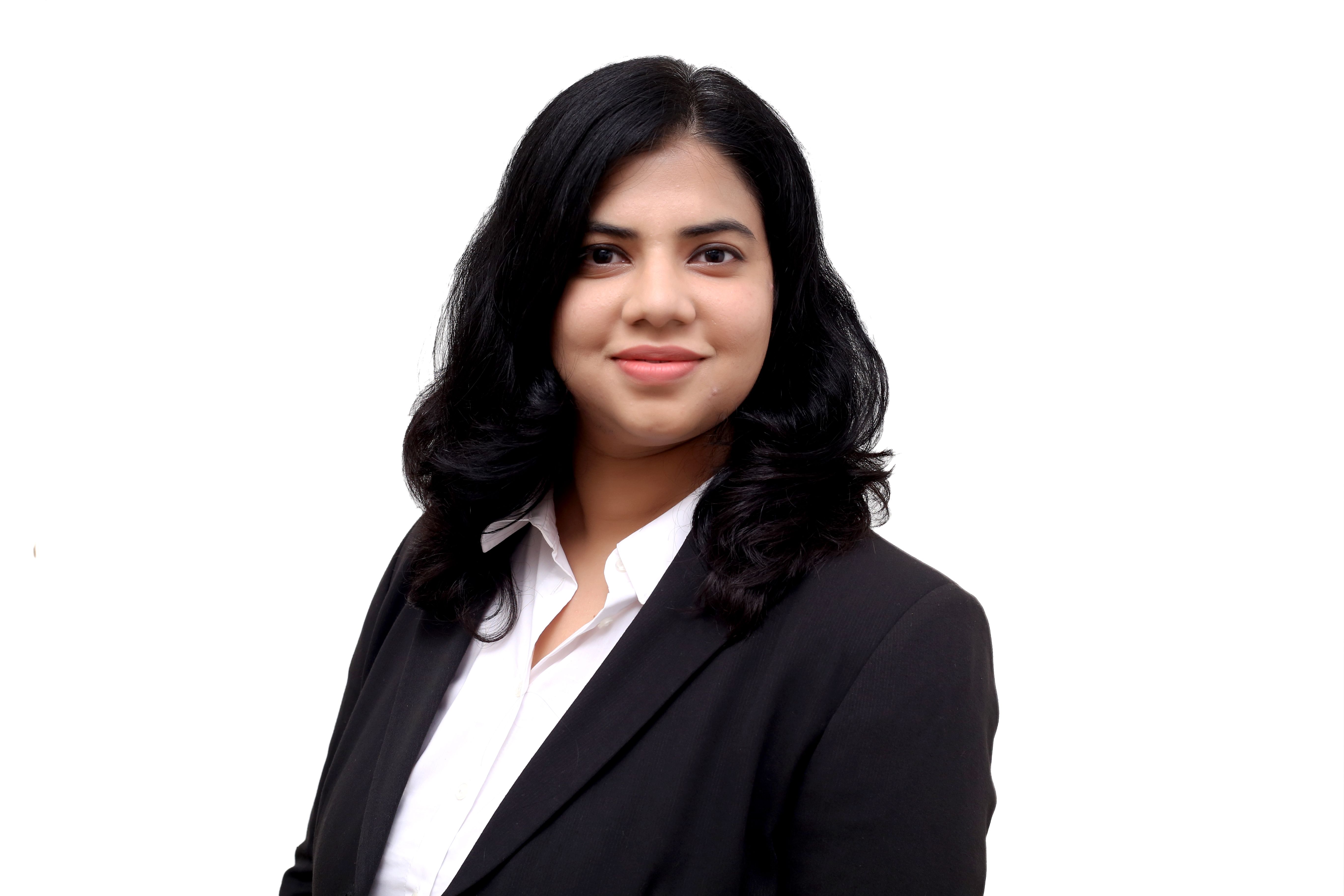
Shruti Mittal
Research Analyst, Technology and Society Program
Shruti Mittal

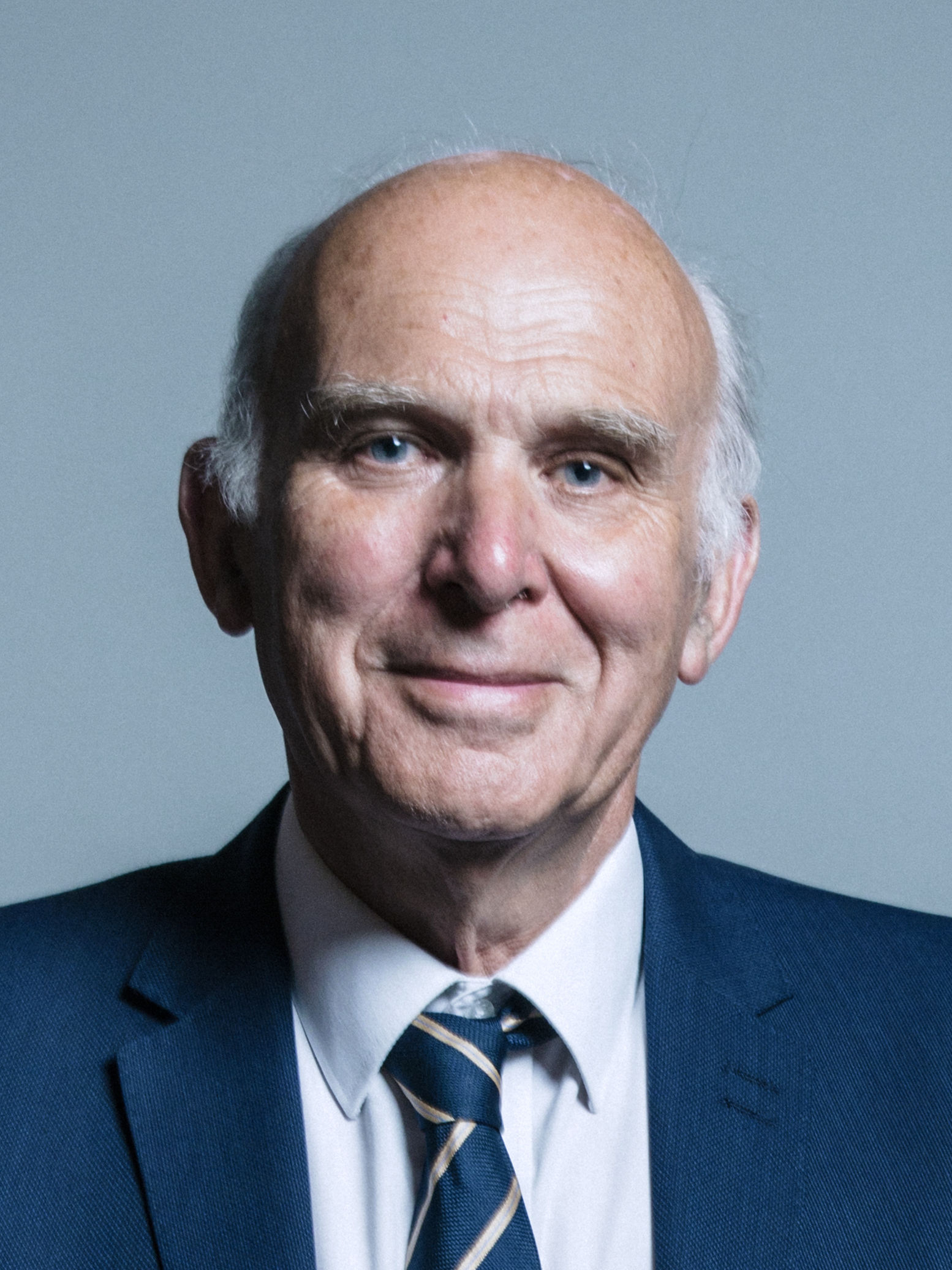
Featuring

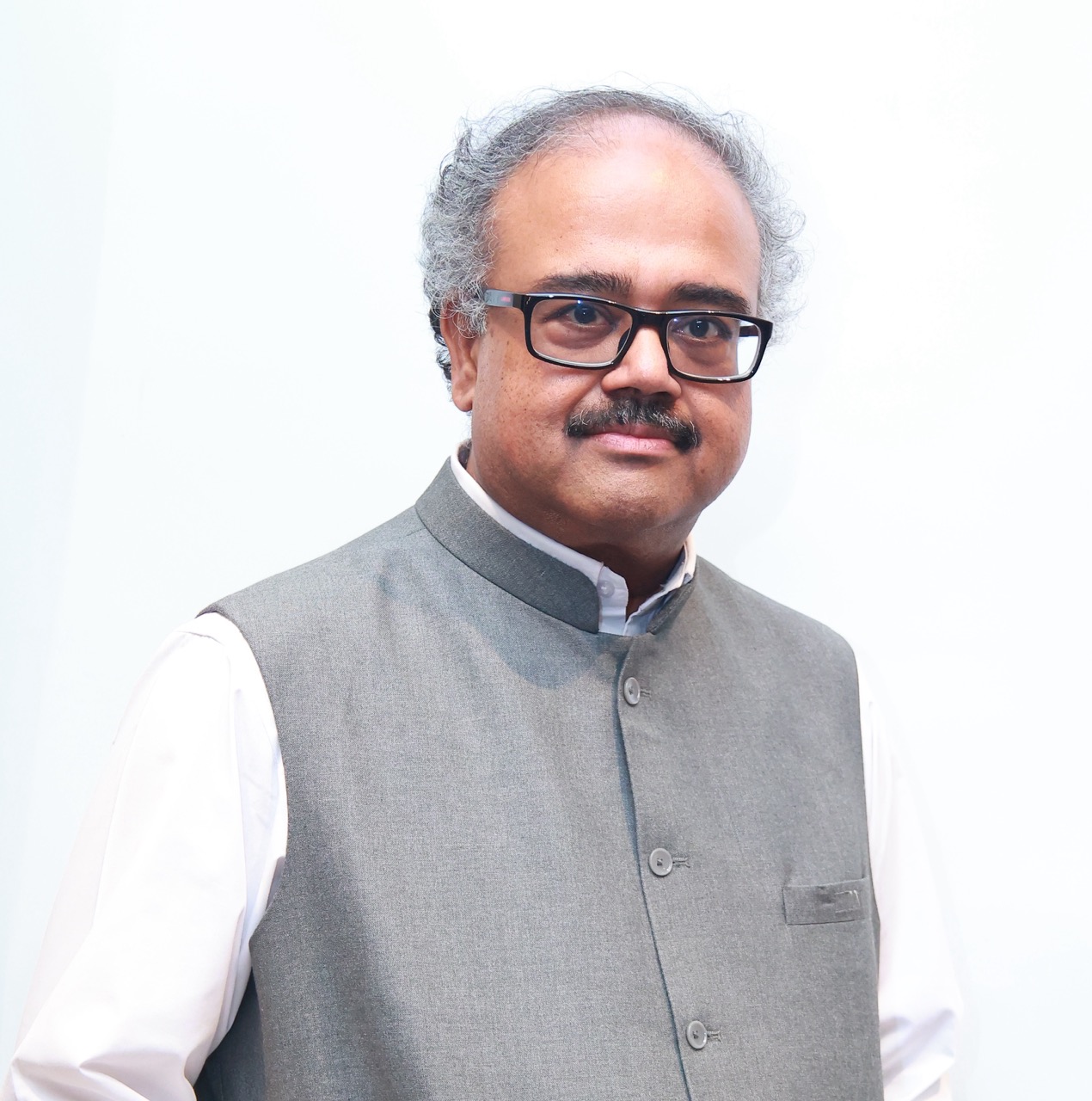
Mohan Yellishetty
Professor at Monash University's Department of Civil Engineering
Mohan Yellishetty

Carnegie India does not take institutional positions on public policy issues; the views represented herein are those of the author(s) and do not necessarily reflect the views of Carnegie, its staff, or its trustees.

More Work from Interpreting India

  • Podcast Episode
    Chokepoints, Economic Warfare, and India's Strategic Options

    In this episode of Interpreting India, Konark Bhandari, speaks with Edward Fishman, author of Chokepoints: American Power in the Age of Economic Warfare, on economic statecraft, how the U.S. built its playbook for economic warfare over time, and what the lessons are for India as it looks to build its own economic resilience. 

      Konark Bhandari, Edward Fishman

  • Podcast Episode
    India's AI Ambitions and the Road to Viksit Bharat | AI Summit Special

    In this episode of Interpreting India, Nidhi Singh, speaks with Debjani Ghosh, distinguished fellow at NITI Aayog and chief architect of the NITI Frontier Tech Hub. With nearly three decades across Intel, NASSCOM, and now NITI Aayog, Debjani brings a perspective that is both deeply practical and genuinely optimistic. She co-chaired the working group on AI for Economic Growth and Social Good at the India AI Impact Summit, and in this conversation she reflects on what the summit delivered, what India's AI journey needs to get right, and why the human being has to stay at the center of all of it.

      Nidhi Singh, Debjani Ghosh

  • Podcast Episode
    Did India's AI Summit Get Safety Right? AI Summit Special

    In this episode of Interpreting India, Nidhi Singh, speaks with Professor Balaraman Ravindran, Head of the Department of Data Science and AI at IIT Madras, and Co-Chair of the Safe and Trusted AI Working Group at the India AI Impact Summit. Since the summit, Professor Ravindran has also been appointed to the UN's Independent International Scientific Panel on AI. There is a narrative that has taken hold since the summit, that India moved away from safety and left frontier risks behind. This conversation sets the record straight.

      Nidhi Singh, Balaraman Ravindran

  • Podcast Episode
    Subsea Cables, Trusted Networks, and India's Strategic Opportunity

    In this episode of Interpreting India, Charukeshi Bhatt speaks with Pooja Bhatt, associate professor, Jindal School of International Affairs, O.P. Jindal University, on a piece of infrastructure that is easy to overlook and very difficult to protect: subsea cables. Stretching over 1.5 million kilometres across ocean floors and carrying nearly 99% of global data traffic, these cables underpin everything from financial systems and cloud infrastructure to the everyday digital services that billions of people rely on. For India, a fast-growing digital economy with expanding data center ambitions, getting this right is not optional.

      Charukeshi Bhatt, Pooja Bhatt

  • Podcast Episode
    AI Literacy and the Future of Work in India

    In this episode of Interpreting India, Adarsh Ranjan, research analyst at Carnegie India, speaks with Jaspreet Bindra, founder of AI&Beyond and Tech Whisperer Limited, UK, and author of 'Winning with AI: Your Guide to AI Literacy.' Jaspreet brings a practitioner's perspective to questions that often get lost in the noise around AI: not just what is changing, but whether people, organizations, and policymakers are actually prepared for it.

      Adarsh Ranjan, Jaspreet Bindra

Get more news and analysis from
Carnegie India
Carnegie India logo, white
Unit C-4, 5, 6, EdenparkShaheed Jeet Singh MargNew Delhi – 110016, IndiaPhone: 011-40078687
  • Research
  • About
  • Experts
  • Projects
  • Events
  • Contact
  • Careers
  • Privacy
  • For Media
Get more news and analysis from
Carnegie India
© 2026 Carnegie Endowment for International Peace. All rights reserved.