

Report
Nancy Birdsall
{
  "authors": [
    "Nancy Birdsall"
  ],
  "type": "other",
  "centerAffiliationAll": "",
  "centers": [
    "Carnegie Endowment for International Peace"
  ],
  "collections": [],
  "englishNewsletterAll": "",
  "nonEnglishNewsletterAll": "",
  "primaryCenter": "Carnegie Endowment for International Peace",
  "programAffiliation": "",
  "programs": [],
  "projects": [],
  "regions": [
    "North America"
  ],
  "topics": [
    "Trade"
  ]
}
REQUIRED IMAGE
Source: Carnegie
Street protesters in Prague in September 2000 are not the only ones complaining about the World Bank. Conservative critics are pointing the finger too. On the left, champions of social justice argue that World Bank loan conditions hurt the poor. On the right, conservatives claim lending practices crowd out private investment. Critics from all sides compound public confusion about globalization and the impact on people of global financial institutions.
Nancy Birdsall dissects the critics' positions and proposes World Bank reforms rarely put on the table: end "cookie-cutter pricing" or the outdated tradition of a single interest rate and loan term no matter what; give countries like China and Brazil more voting power; and don't give up on much-maligned conditionality but fix and enforce it. Birdsall notes that governance of international financial institutions will never be perfectly representative nor accountable, in part because of failures of democracy in borrowing countries. But, conceiving of the World Bank as a club, she argues for balanced reform not shutdown.
Click on the link above for the full text of this Policy Brief.
Former Senior Associate
Recent Work
Nancy Birdsall
Nancy Birdsall, Rachel Menezes
Carnegie India does not take institutional positions on public policy issues; the views represented herein are those of the author(s) and do not necessarily reflect the views of Carnegie, its staff, or its trustees.

This piece examines India’s response to U.S. sanctions and tariffs, specifically assessing the immediate market consequences, such as alterations in import costs, and the broader strategic implications for India’s energy security and foreign policy orientation.

Vrinda Sahai
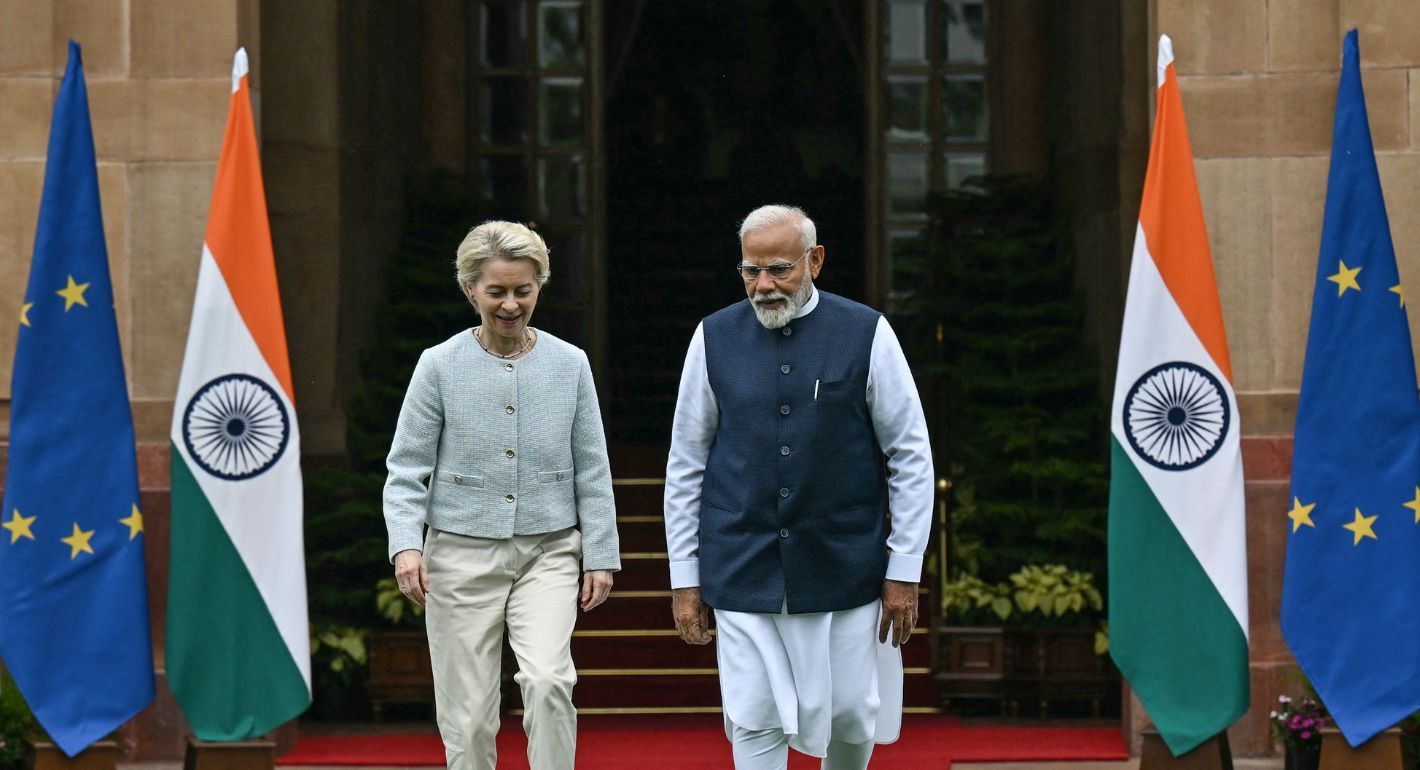
This article argues that the geopolitical circumstances have never been more conducive, not merely for the early conclusion of the free trade agreement (FTA) between India and the EU, but also for crafting a substantive and comprehensive strategic partnership.
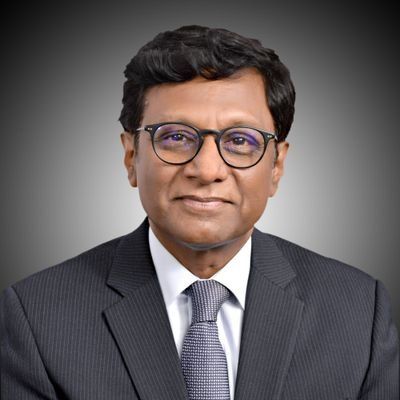
Mohan Kumar

This commentary explores the likely actions of the Trump administration and driving forces on issues of deregulation, the United States’ leadership in AI, national security, and global engagements on AI safety.


Shatakratu Sahu, Amlan Mohanty
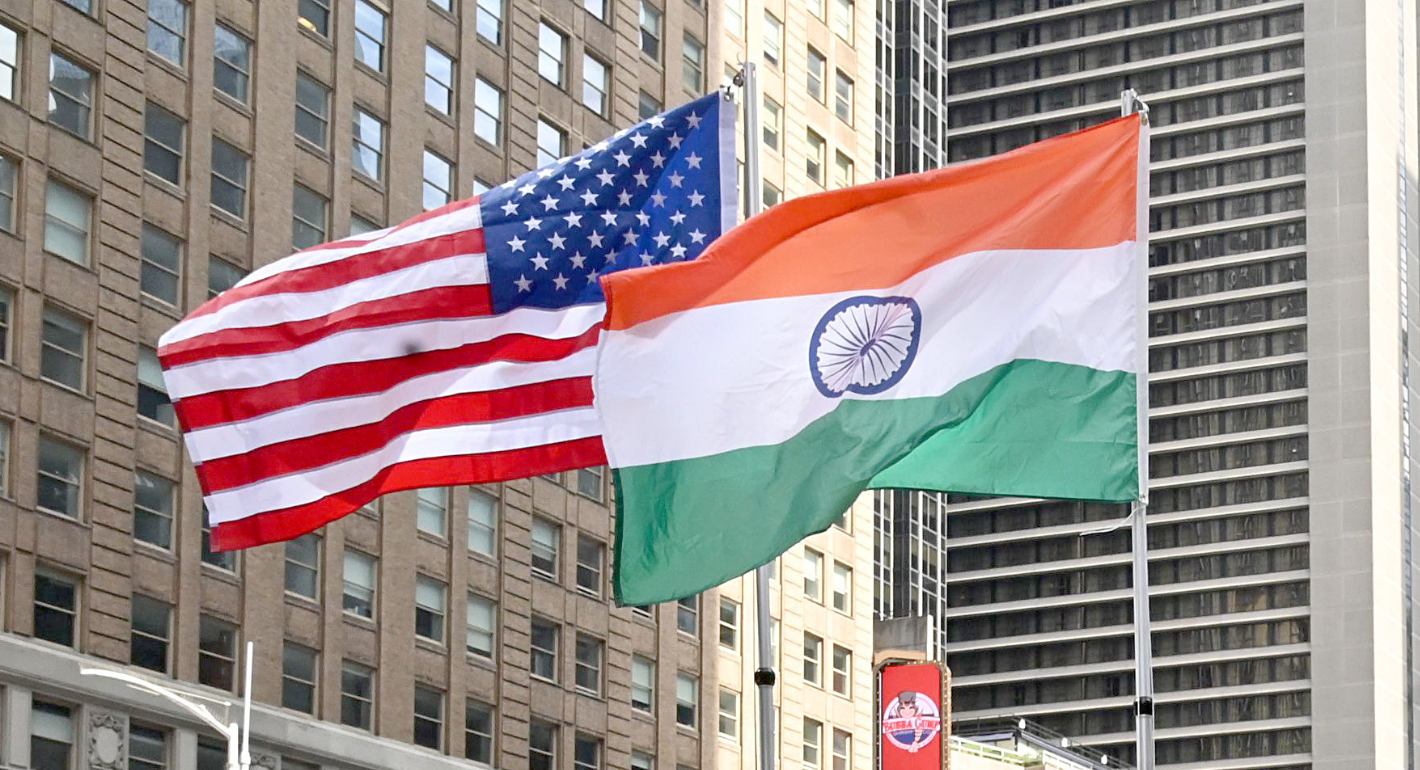
Since its launch nearly a year ago, the INDUS-X has marked many milestones in the India-U.S. relationship. Much has been achieved, but there is room to further enhance defense cooperation between the two countries in the coming years.


Ajay Kumar, Tejas Bharadwaj
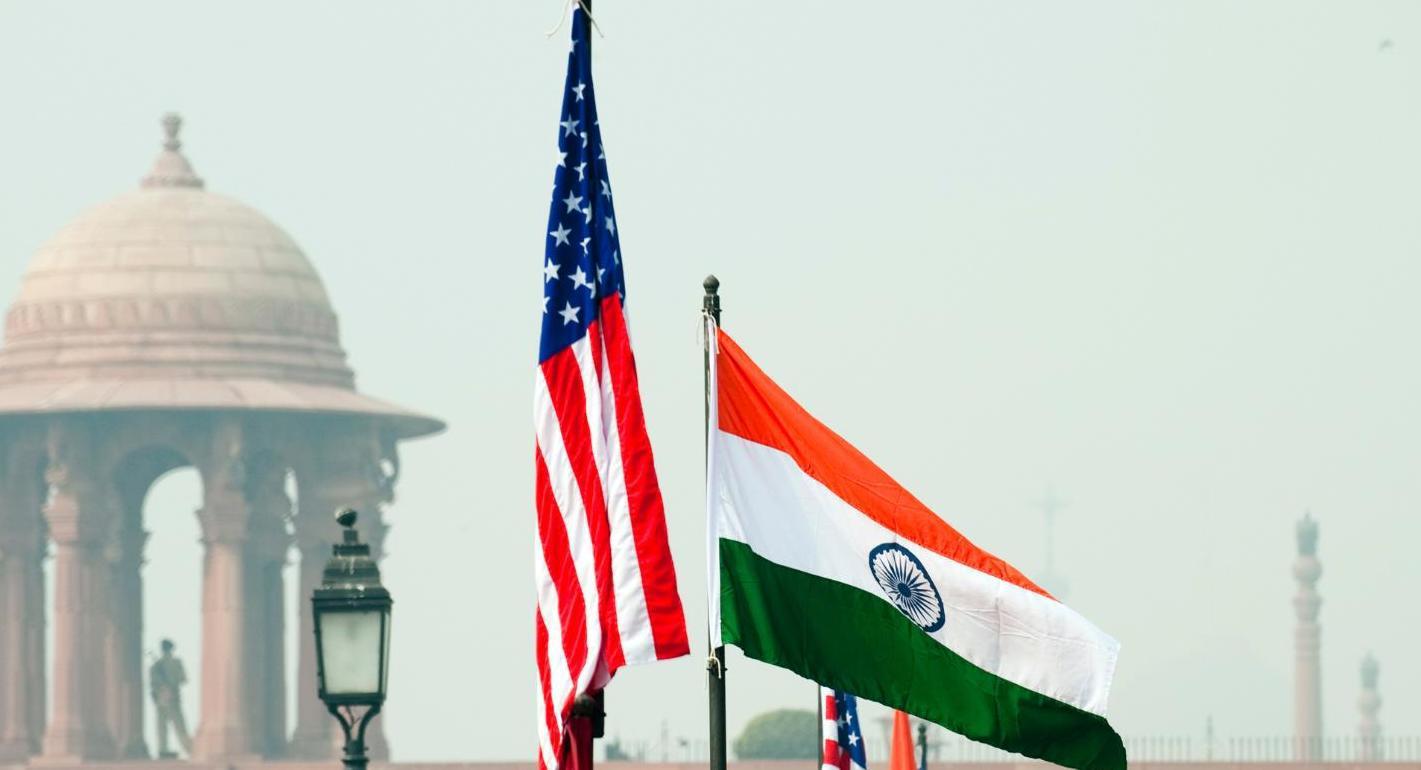
This article explicates what iCET is and what it should not be mistaken for. The initiative is not designed to deliver a single deal. Instead, it involves multiple streams for cooperation and collaboration between the United States and India on critical and emerging technologies.

Rudra Chaudhuri