

Article
Леонид Гозман, Michael McFaul
{
  "authors": [
    "Michael McFaul"
  ],
  "type": "legacyinthemedia",
  "centerAffiliationAll": "dc",
  "centers": [
    "Carnegie Endowment for International Peace"
  ],
  "collections": [],
  "englishNewsletterAll": "ctw",
  "nonEnglishNewsletterAll": "",
  "primaryCenter": "Carnegie Endowment for International Peace",
  "programAffiliation": "russia",
  "programs": [
    "Russia and Eurasia"
  ],
  "projects": [],
  "regions": [
    "Caucasus",
    "Russia"
  ],
  "topics": []
}
REQUIRED IMAGE
Source: Carnegie
The Russian government's assault against the independent
television network, NTV, represents the greatest threat to Russian democracy
since the coup attempt against Soviet President Mikhail S. Gorbachev and his
democratic reforms. Just like the coup plotters in August 1991, Russian President
Vladimir V. Putin--through his proxy, Gazprom, the largely state-owned gas company--has
used extraordinary means to seize control of the last important bastion of the
independent national media.
Gazprom officials describe the takeover as a financial issue, but everyone involved
in the conflict knows that the move is political. Putin does not like criticism,
and he is wielding the enormous power of the Russian state to muzzle it. Gazprom
is also moving to shut down Sevodnya, a daily newspaper, and Itogi, a weekly
magazine, both part of Media-Most, the holding company that created and once
owned NTV. If these attacks were just financial, why would Moscow be trying
to muzzle the profitable Itogi?
As in the last coup attempt, the Russian people are resisting. A public demonstration
in Moscow last week attracted 20,000 people, the largest
showing of public activism since the one in 1991. Even more boldly, the journalists
at NTV have defied the takeover, maintained a 24-hour vigil in their offices
and continued to broadcast protest programming. Their defense of media independence
has attracted supporters from every major political party in Russia, from the
Communists to the liberals. The overwhelming support from elected officials
should not be surprising. They may know what recent polls of Russian citizens
show: 79.4% of the voting population believes freedom of the press is important.
In comparing today's coup attempt against freedom of the press to 1991, one
ingredient is still missing: American support for the "democrats."
As one
Russian journalist who worked for Media-Most told me, "It feels exactly
like August 1991, only this time one of the coup leaders has an American accent."
Boris Jordan, an American investment banker hired last week to run NTV, has
cleverly spun the crisis as a typical U.S.-style merger and acquisition that
has nothing to do with politics.
The Bush administration cannot interfere in the ownership of a Russian company.
Nor can it save independent media in Russia or democracy more generally. Ultimately,
only the Russian people can prevent dictatorship from reemerging. The Bush administration
can, however, signal clearly and loudly that it sides with the majority of Russians
and the brave NTV journalists. Silence only confirms what many of those holed
up in the NTV offices already believe: that the new American administration
does not care about Russian democracy. Even if these Russians lose their battle
to maintain a free and independent media, the Bush administration should position
itself on the right side of history in this struggle.
President Bush should signal his support for Russia's democrats in three simple
ways. First, he should issue a statement about American support for freedom
of the press in Russia. The president should make clear the U.S. government
does not believe the propaganda that this is just a financial matter. If Russian
citizens are willing to defend democratic principles against enormous odds,
we should be standing by them.
Second, behind the scenes, the U.S. should be assisting CNN's Ted Turner, a
potential new minority shareholder in NTV, to secure a guarantee from the Putin
government that there will be no censorship. To be credible, however, Putin
himself must make this commitment public.
Third, with no fanfare, the Bush administration should increase financial assistance
to American nongovernmental organizations that currently subsidize and support
other sources of independent media in Russia. Obviously, grants provided by
the U.S. cannot save NTV. But these small programs can help to keep afloat important
regional television stations, newspapers and Internet news services.
The Bush team has yet to completely review its Russia policy and still has not
named many of the important officials who will work on it. Given the mixed achievements
in U.S.-Russian relations in the 1990s, a thorough policy review is prudent.
Support for freedom of the press is a no-brainer. In this important turning
point in Russian democracy, the U.S. can no longer remain silent.
Former Senior Associate
In addition to his role at Carnegie, McFaul is Peter and Helen Bing Senior Fellow at the Hoover Institution and associate professor of political science at Stanford University.
Recent Work
Леонид Гозман, Michael McFaul
Michael McFaul, Sanja Tatic

This piece argues that India’s central challenge is not managing a single flashpoint but resolving the underlying tension between expansion and institutional coherency of the BRICS grouping.

Vrinda Sahai
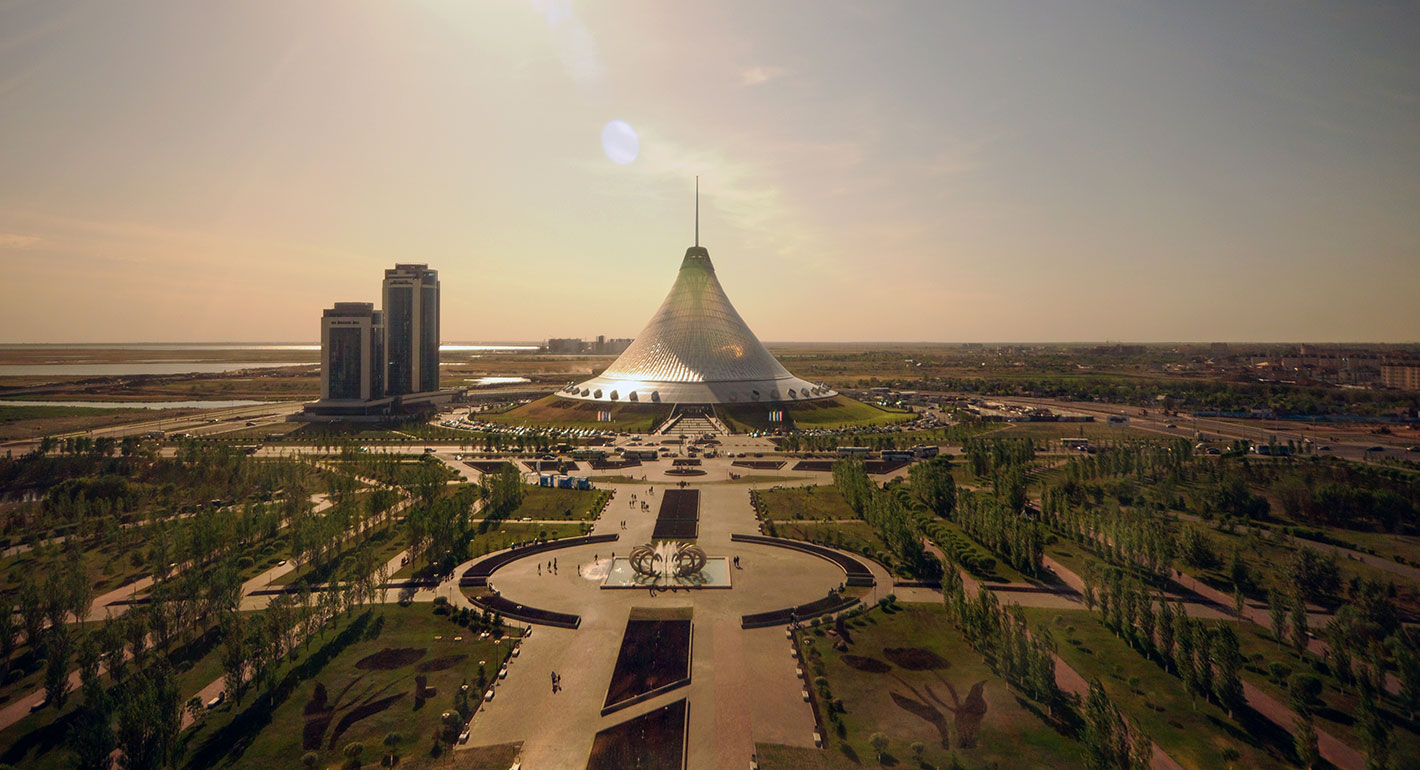
With contributors from various Central Asian nations and beyond, this issue of Seminar provides a selection of perspectives about the past, present, and future trajectory of Central Asia, and the growing role of external actors, particularly India, China, Russia, and the EU in this evolving and dynamic space.
Rhea Menon, Sharanya Rajiv, 64592
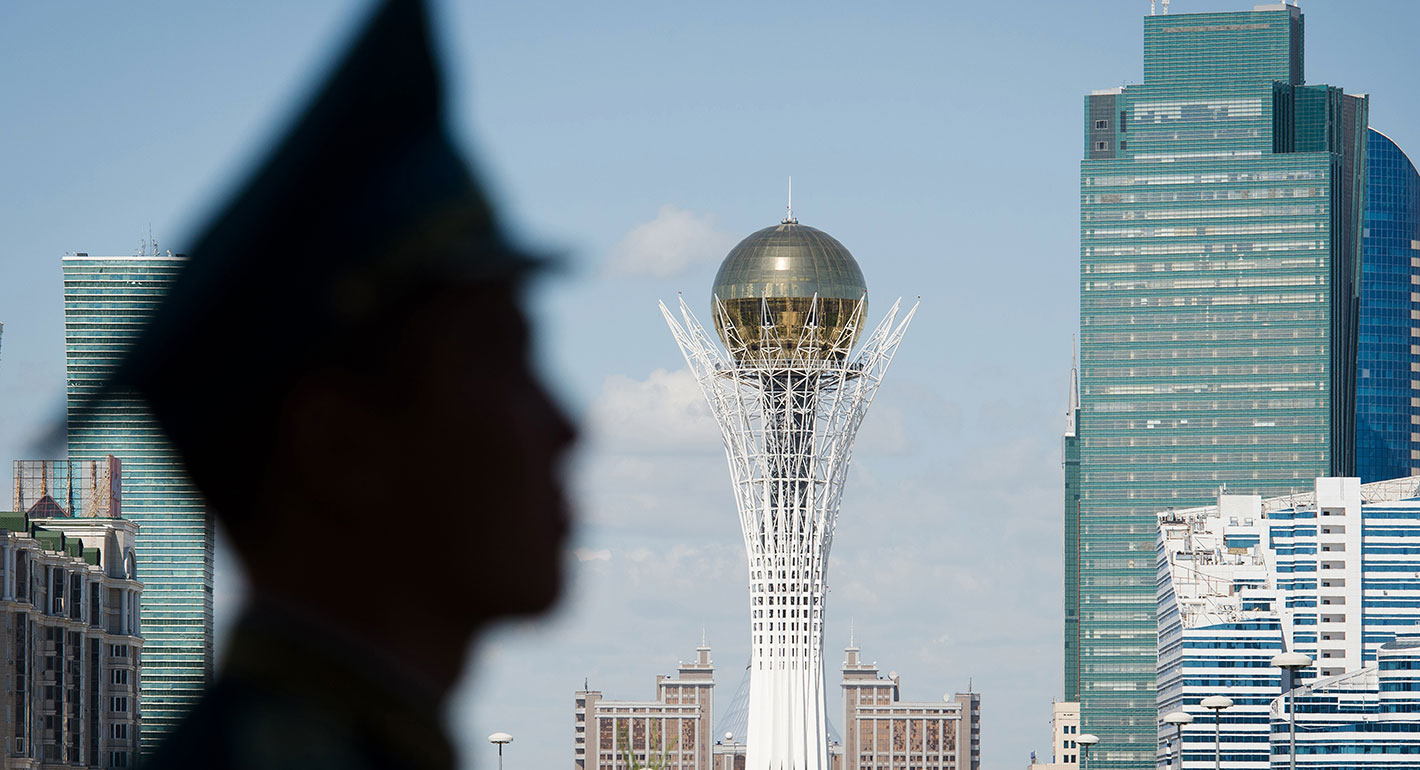
The rise of China as an economic powerhouse in Asia, along with rapid globalization, has brought Central Asia back in the limelight as a bridge connecting the established markets of the West with the emerging markets of the East.
Rhea Menon, Sharanya Rajiv
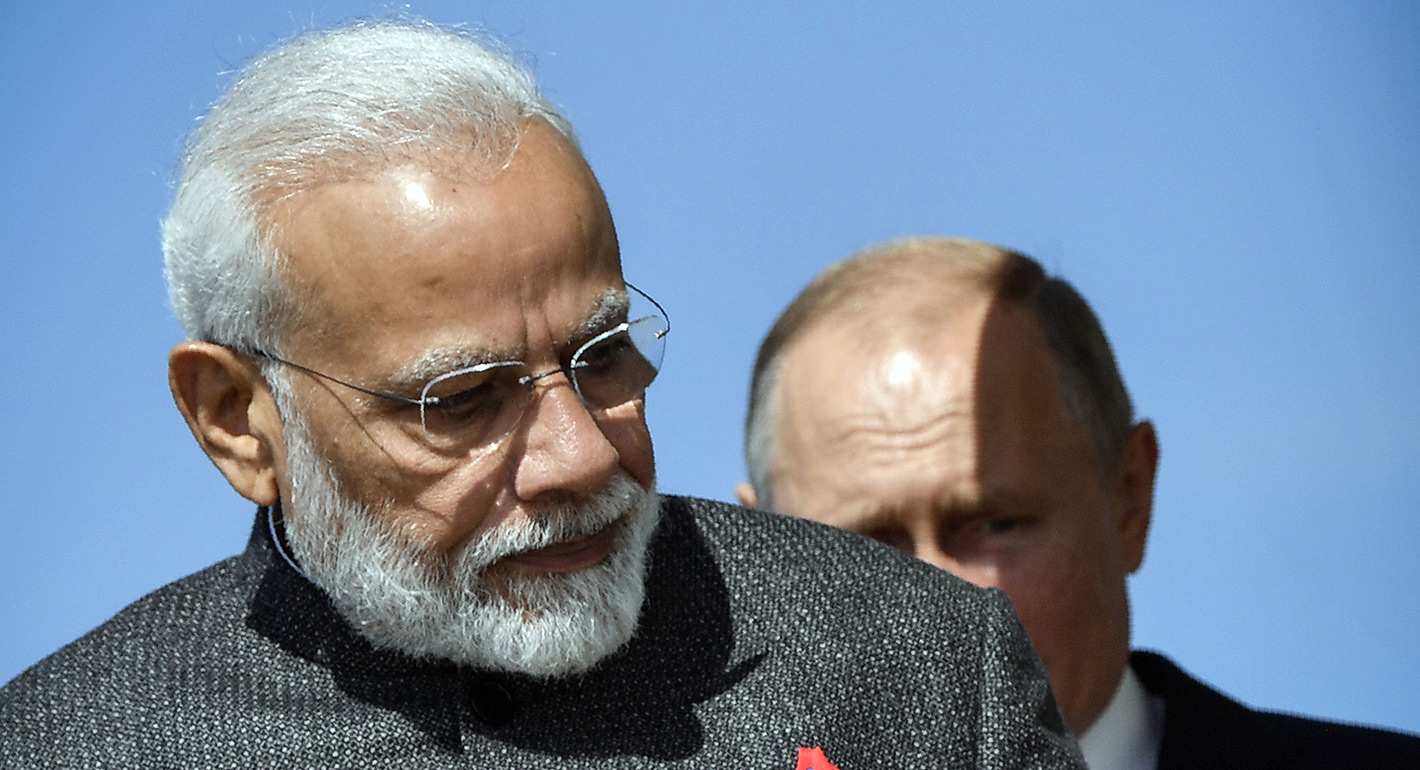
The special and privileged strategic partnership between India and Russia now spans across both Eurasia and the Indo-Pacific.
Sharanya Rajiv, 64592
The rejigging of the political relations between the United States, China, and Russia might present New Delhi with fleeting strategic opportunities that need to be seized quickly.
C. Raja Mohan