

Report
Mr. Shlomo Avineri
{
  "authors": [
    "Shlomo Avineri"
  ],
  "type": "other",
  "centerAffiliationAll": "",
  "centers": [
    "Carnegie Endowment for International Peace"
  ],
  "collections": [],
  "englishNewsletterAll": "",
  "nonEnglishNewsletterAll": "",
  "primaryCenter": "Carnegie Endowment for International Peace",
  "programAffiliation": "",
  "programs": [],
  "projects": [],
  "regions": [
    "Caucasus",
    "Russia"
  ],
  "topics": []
}
REQUIRED IMAGE
Source: Carnegie
Audio
Summary
In the post-September 11 context, Israelis hope that the United States-now a victim of massive domestic terrorism-will have more sympathy for them. On the other side, Palestinians hope that the United States will revive peace talks, and thus solidify Arab support for the war on terrorism.
Despite these high expectations, the United States should proceed cautiously, considering the history of its peace-making initiatives. It has effectively assisted contending parties that have already reached a basic agreement (as at Camp David in 1978 or after the 1993 Oslo accords) and intervened to stave off full-scale crises and encourage stabilizing steps (as during the 1973 Yom Kippur War). But most other U.S. efforts have failed because the countries in conflict have lacked the political will. To prepare both sides for negotiations, U.S. policy should shift from conflict resolution to conflict management. Possible steps include demanding that Palestinians educate their people for peace, encouraging Saudi Arabia to organize an Arab solidarity fund for Palestine, and supporting Israel's unilateral disengagement to ease current tensions.
Click on link above for the full text of this Policy Brief.
Former Visiting Scholar
Recent Work
Mr. Shlomo Avineri

This piece argues that India’s central challenge is not managing a single flashpoint but resolving the underlying tension between expansion and institutional coherency of the BRICS grouping.

Vrinda Sahai
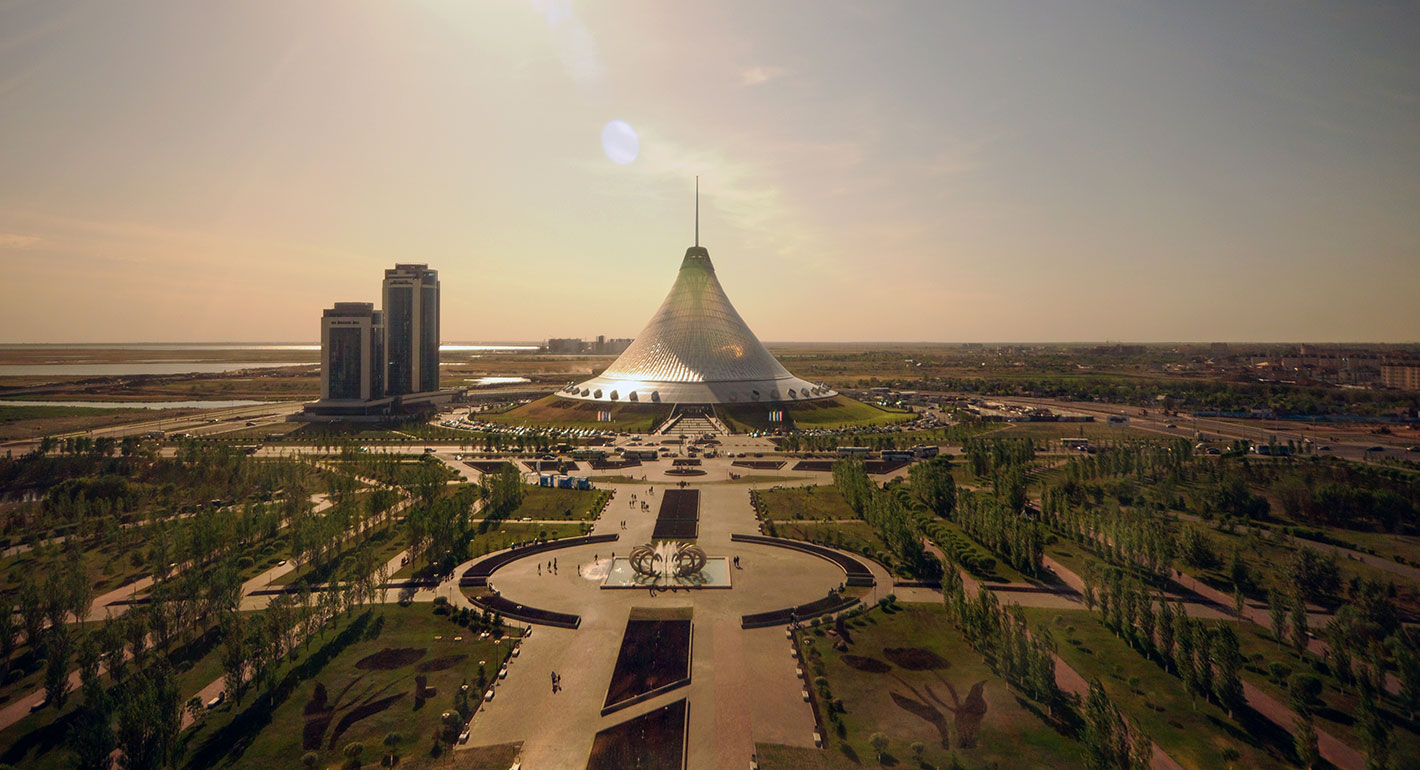
With contributors from various Central Asian nations and beyond, this issue of Seminar provides a selection of perspectives about the past, present, and future trajectory of Central Asia, and the growing role of external actors, particularly India, China, Russia, and the EU in this evolving and dynamic space.
Rhea Menon, Sharanya Rajiv, 64592
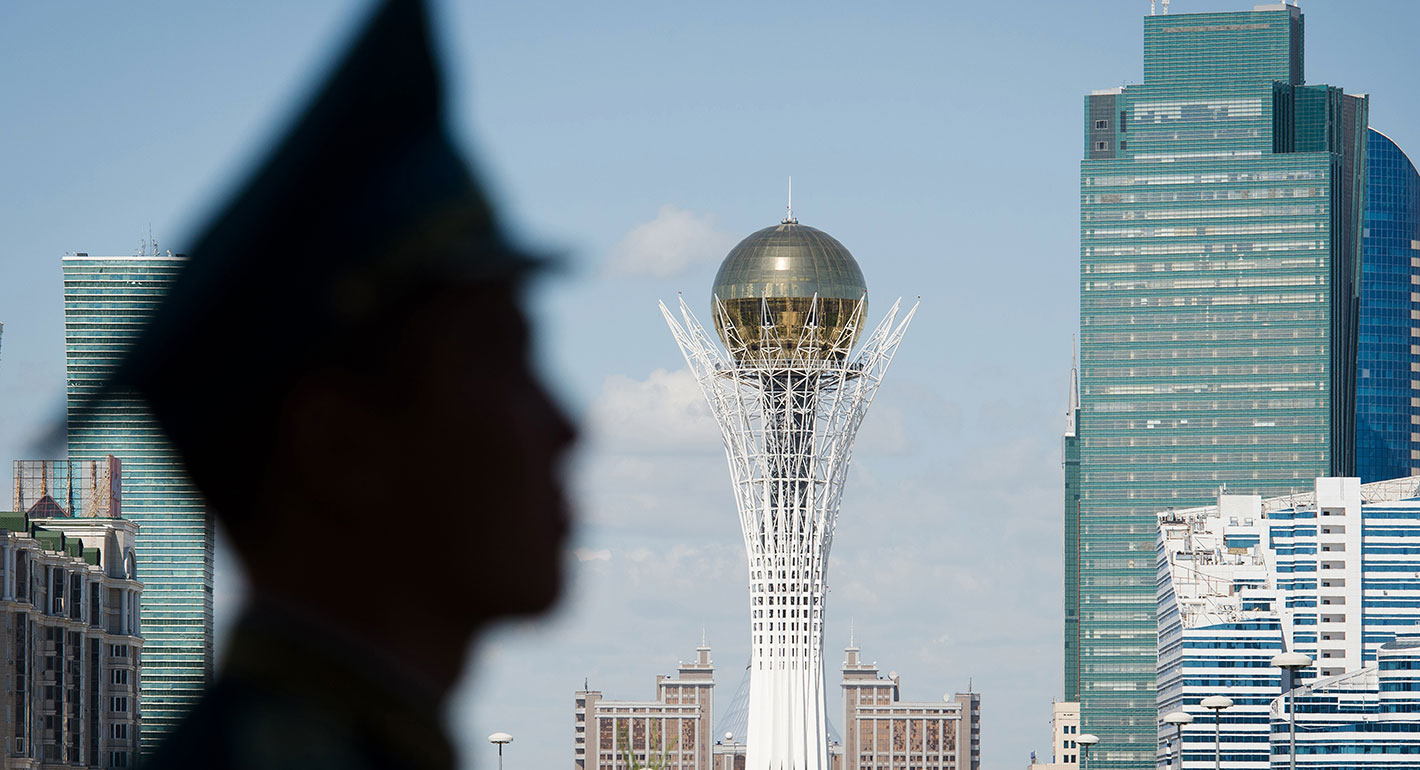
The rise of China as an economic powerhouse in Asia, along with rapid globalization, has brought Central Asia back in the limelight as a bridge connecting the established markets of the West with the emerging markets of the East.
Rhea Menon, Sharanya Rajiv
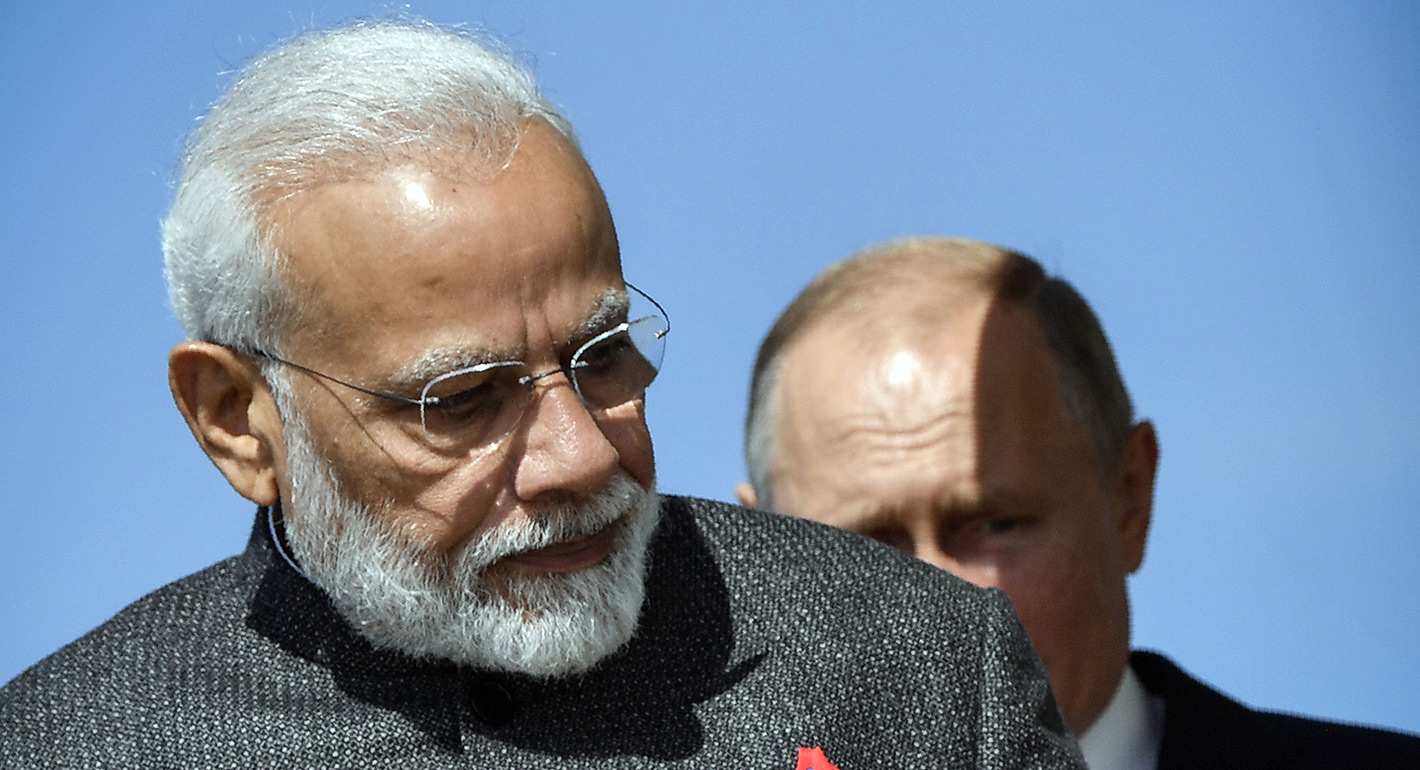
The special and privileged strategic partnership between India and Russia now spans across both Eurasia and the Indo-Pacific.
Sharanya Rajiv, 64592
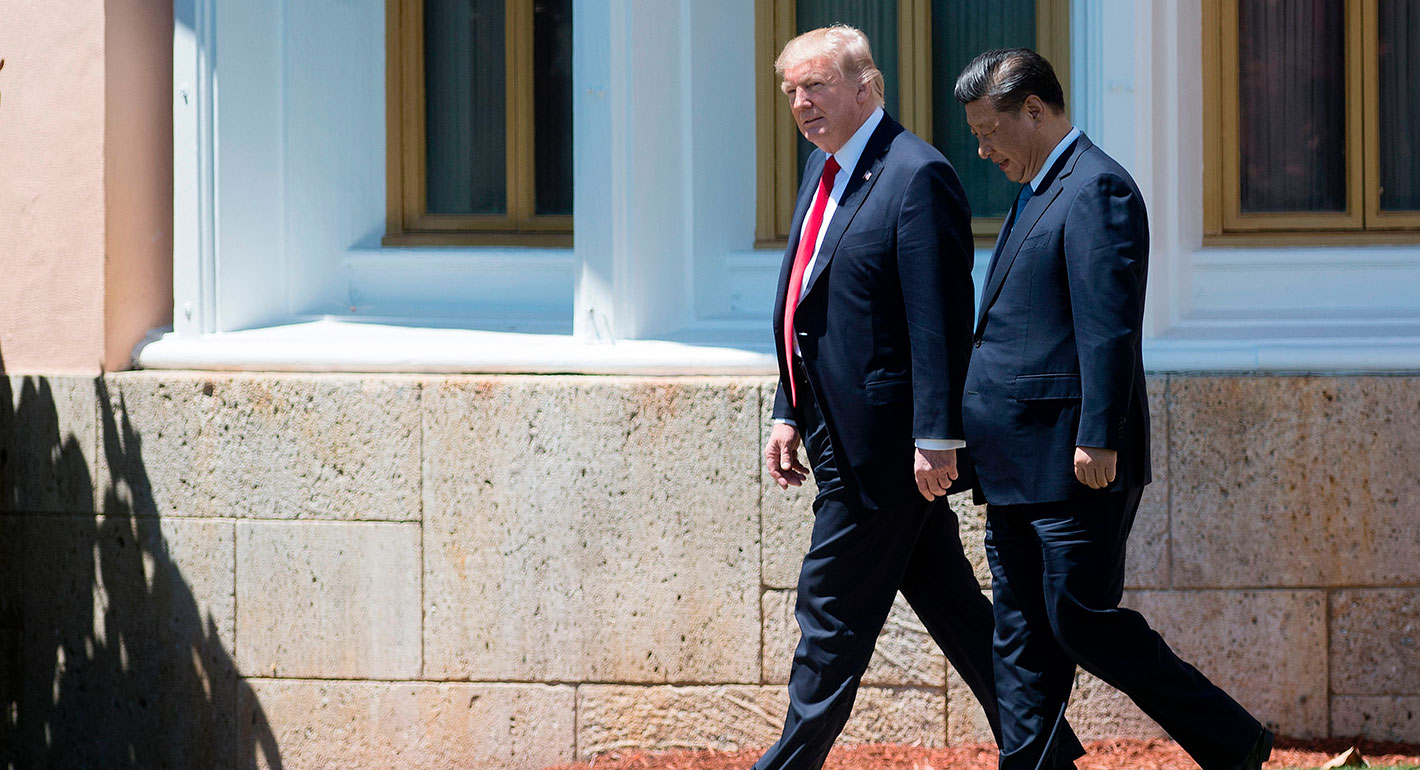
The rejigging of the political relations between the United States, China, and Russia might present New Delhi with fleeting strategic opportunities that need to be seized quickly.
C. Raja Mohan