

Research
- +10
Rosa Balfour, Frances Z. Brown, Yasmine Farouk, …
{
  "authors": [
    "Moisés Naím"
  ],
  "type": "legacyinthemedia",
  "centerAffiliationAll": "",
  "centers": [
    "Carnegie Endowment for International Peace"
  ],
  "collections": [],
  "englishNewsletterAll": "",
  "nonEnglishNewsletterAll": "",
  "primaryCenter": "Carnegie Endowment for International Peace",
  "programAffiliation": "",
  "programs": [],
  "projects": [],
  "regions": [],
  "topics": [
    "Trade"
  ]
}
REQUIRED IMAGE
Source: Carnegie
The Creative Destruction of Enron
By Moisés Naím
Originally published in the Financial Times, March 3, 2002.
What country, other than the US, allows an Enron-class company to go under? An Enron-class company is a dominant and innovative global player in a highly sensitive market and is funded by influential blue-chip banks and by thousands of small investors. More importantly, an Enron-class company is a political powerhouse whose influence runs deep and wide, with close allies in the executive, legislative and judiciary branches of government and a network of well fed supporters in the ranks of academia, journalism, interest groups, sports clubs and myriad charities.
Every country has Enron-class companies. But only a few countries seem to have what it takes to allow such a company to go out of business without politicians trying to bail it out.
Japan is not one of these, of course. A few days after Enron collapsed, Junichiro Koizumi, the most reform-minded Japanese prime minister in decades, explained that the bail-out of Daiei, a large supermarket chain, was necessary because "the collapse of Daiei will have a very big impact". Indeed.
Such reasoning has allowed a new category of companies to emerge in the last decade in Japan - "zombie companies", kept alive through the largesse of Japanese banks acting in cahoots with the government and at the behest of politicians.
Japan is not alone. In most countries the government is too weak or too corrupt to pull the plug on big, politically influential companies. Most of South Korea's large conglomerates, the chaebol, survived that country's financial crisis without crashing. The International Monetary Fund's attempts to link its aid to improved corporate governance was undermined by an economic recovery that came very quickly and gave the patient the strength to ignore much of the Fund's recommended treatment.
In many emerging markets, off-balance sheet transactions, quasi-fraudulent deals that benefit controlling investors and top management and other forms of Enron-like corporate plunder are common. Moreover, the government not only tolerates the plunder but is often seduced into contributing taxpayers' money to the booty once there is nothing left to steal and the company is verging on bankruptcy.
In continental Europe, Mario Monti, the tough commissioner for competition policy - who is also entrusted with supervising state aid - does not believe that troubled companies should be automatically rescued. But like Mr Koizumi, he is flexible. "There can be situations where the destructiveness of liquidation, and the prospects of future viability outweigh the temporary distortions caused by rescuing companies in difficulty with public money," he says.
Gerhard Schroder, the German chancellor, agrees. In late 1999, for example, he championed a DM3bn
($1.4bn) rescue package of Philip Holzmann, a giant construction company. In the current manoeuvring to salvage Kirch Gruppe, Germany's debt-laden media group, the role of politicians seems to be as crucial as that of bankers or investors.
Political attitudes and governmental practices in cases of corporate rescue are fickle. Just a few months after Holzmann's bailout, several European airlines were allowed to go under. At the same time, the Bush administration launched a massive bailout of US airlines, which had been hurting long before September 11 and continue to be in bad shape even after $15bn of taxpayers' money.
Mr Bush's critics note that allowing Enron to go under was a decision based not on economic discipline but sheer political survival. Enron overdosed on political influence and became untouchable by politicians when it most needed them. Bailing out Enron was not an option for the Bush administration precisely because so many of its most prominent members had taken money from it. The critics also argue that the administration did not bail out Enron because there was nothing to bail out. The company had become an empty shell with no possibility of survival. True on both counts.
But it is equally true that in most countries these two arguments have often failed to stop the government from rescuing well-connected companies. In the banking crises common in the last two decades, large banks were bailed out by politicians and government officials who figured prominently in these banks' lists of debtors. Replenishing the empty coffers of failed companies with public funds is also a common practice. Remember Credit Lyonnais?
From this more comparative perspective, Enron's debacle acquires a different hue. It is, undoubtedly, a tragedy. Workers who lost their pensions while the company's top management cashed out may have no patience for the argument that letting Enron go under is a strength and not a weakness of the American system. Others will argue that the correct focus is not the propensity of most governments in the world to bail out big, political companies but the systemic failures and the corruption that allowed Enron to happen. As Arthur Levitt, the former chairman of the Securities and Exchange Commission, told the US Congress, among US corporations "financial statements often are not an accurate reflection of corporate performance but a Potemkin village of deceit . . ."
But it is important not to lose sight of the likely positive consequences of Enron's demise. As a result of Enron's crash and the ensuing outrage, the US corporate system will emerge stronger and more effective than it was. Auditors will probably be regulated and their conflict of interests when also acting as consultants will be curbed. Accounting standards will be strengthened and made more transparent.
In listed companies, executive compensation schemes that yield obscene, Fastow-like arrangements will be scrutinised out of existence. The proportion of employees' pensions that can be invested in their employers shares will be restricted as will the contributions corporations can make to politicians and their electoral machines. In general, and thanks to Enron's catastrophe, corporate governance in the US will be better. It may well end up being an American victory.

Distinguished Fellow
Moisés Naím is a distinguished fellow at the Carnegie Endowment for International Peace, a best-selling author, and an internationally syndicated columnist.
Recent Work



Rosa Balfour, Frances Z. Brown, Yasmine Farouk, …
Moisés Naím
Carnegie India does not take institutional positions on public policy issues; the views represented herein are those of the author(s) and do not necessarily reflect the views of Carnegie, its staff, or its trustees.

This piece examines India’s response to U.S. sanctions and tariffs, specifically assessing the immediate market consequences, such as alterations in import costs, and the broader strategic implications for India’s energy security and foreign policy orientation.

Vrinda Sahai
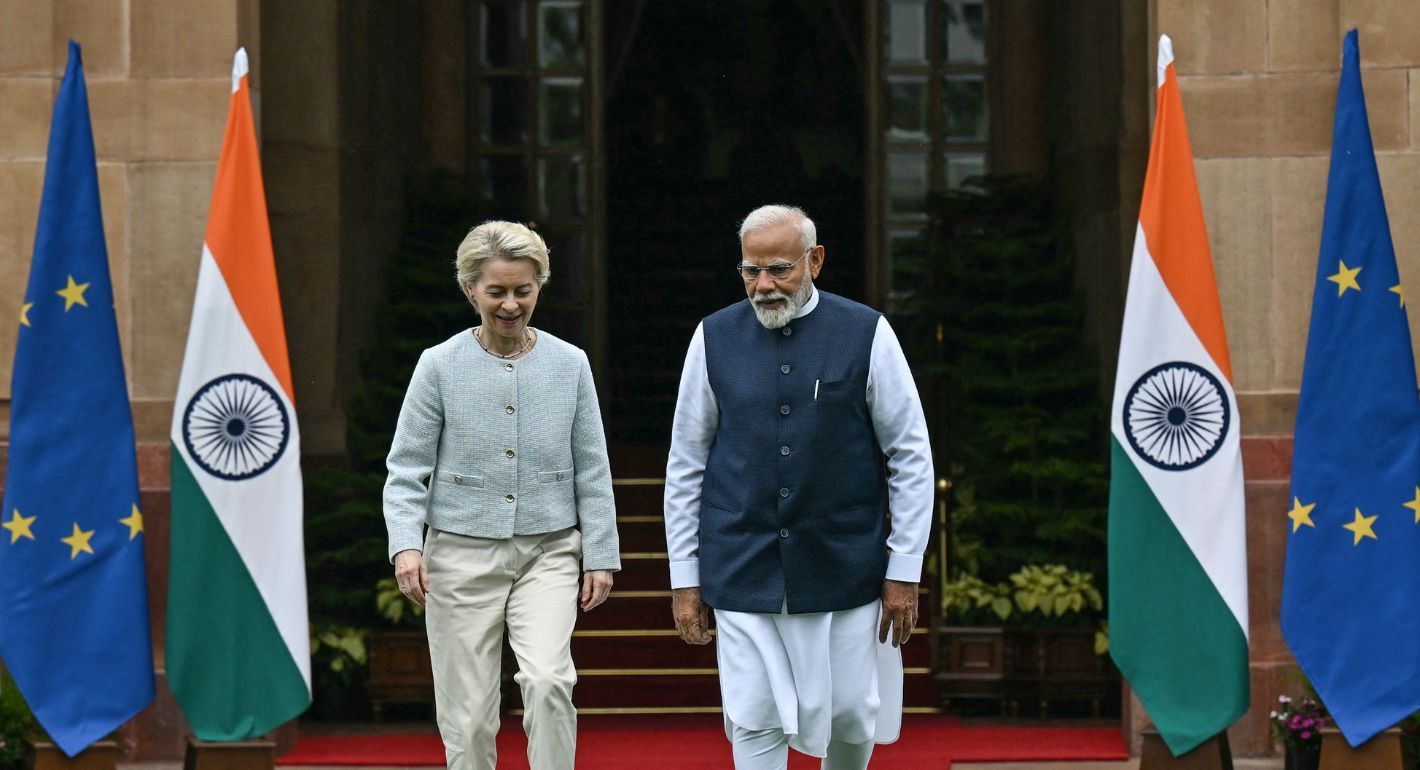
This article argues that the geopolitical circumstances have never been more conducive, not merely for the early conclusion of the free trade agreement (FTA) between India and the EU, but also for crafting a substantive and comprehensive strategic partnership.
Mohan Kumar

China’s central bank has plans to roll out a digital yuan, which could circumvent the U.S. dollar in important global financial transactions. Here are some ways the digital yuan could pose a challenge to the dollar’s prominence.

Rajesh Bansal, Somya Singh
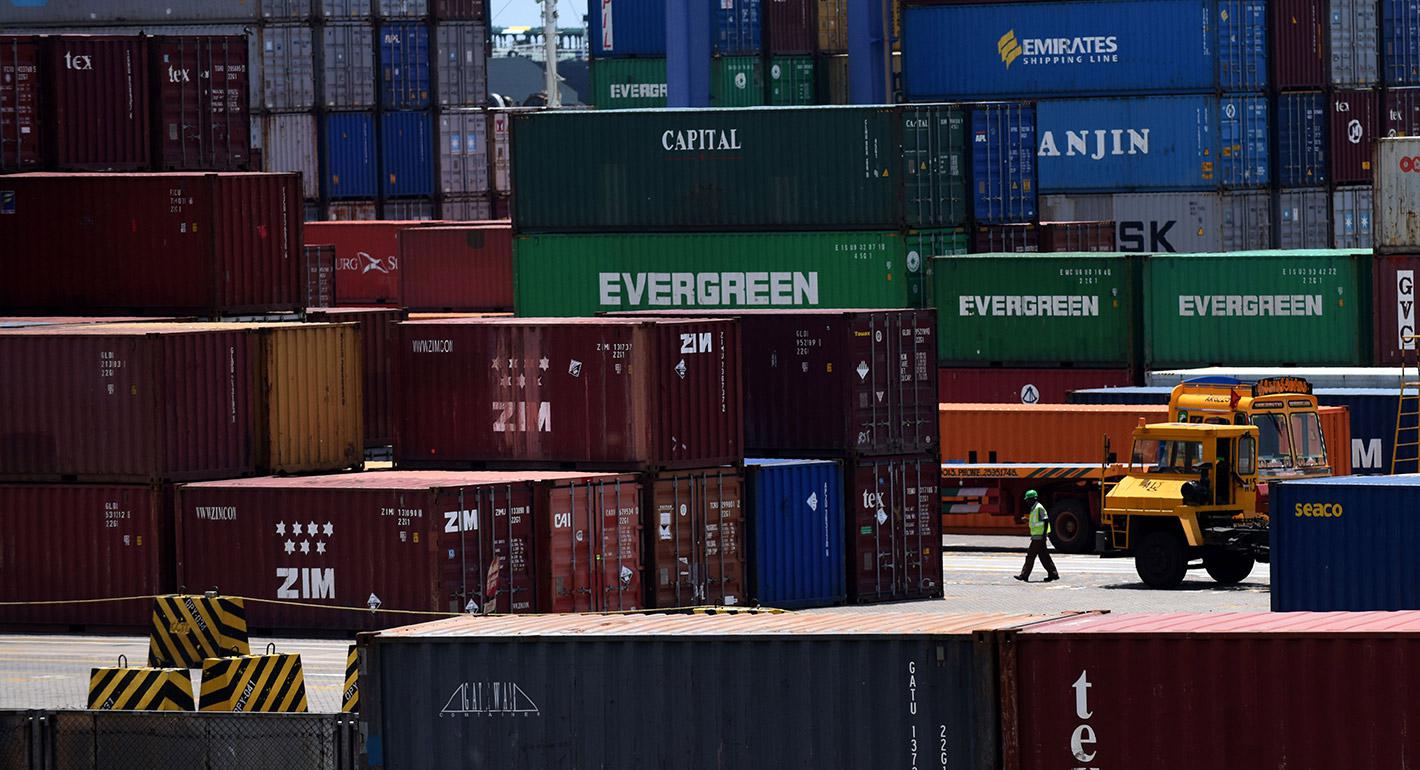
The World Trade Organization’s Trade Facilitation Agreement has placed trade facilitation initiatives high on the agenda of international governments. This case study of India studies what trade facilitation may mean for a fast-paced economy.

Vijay Singh Chauhan, Sruti Vijayakumar
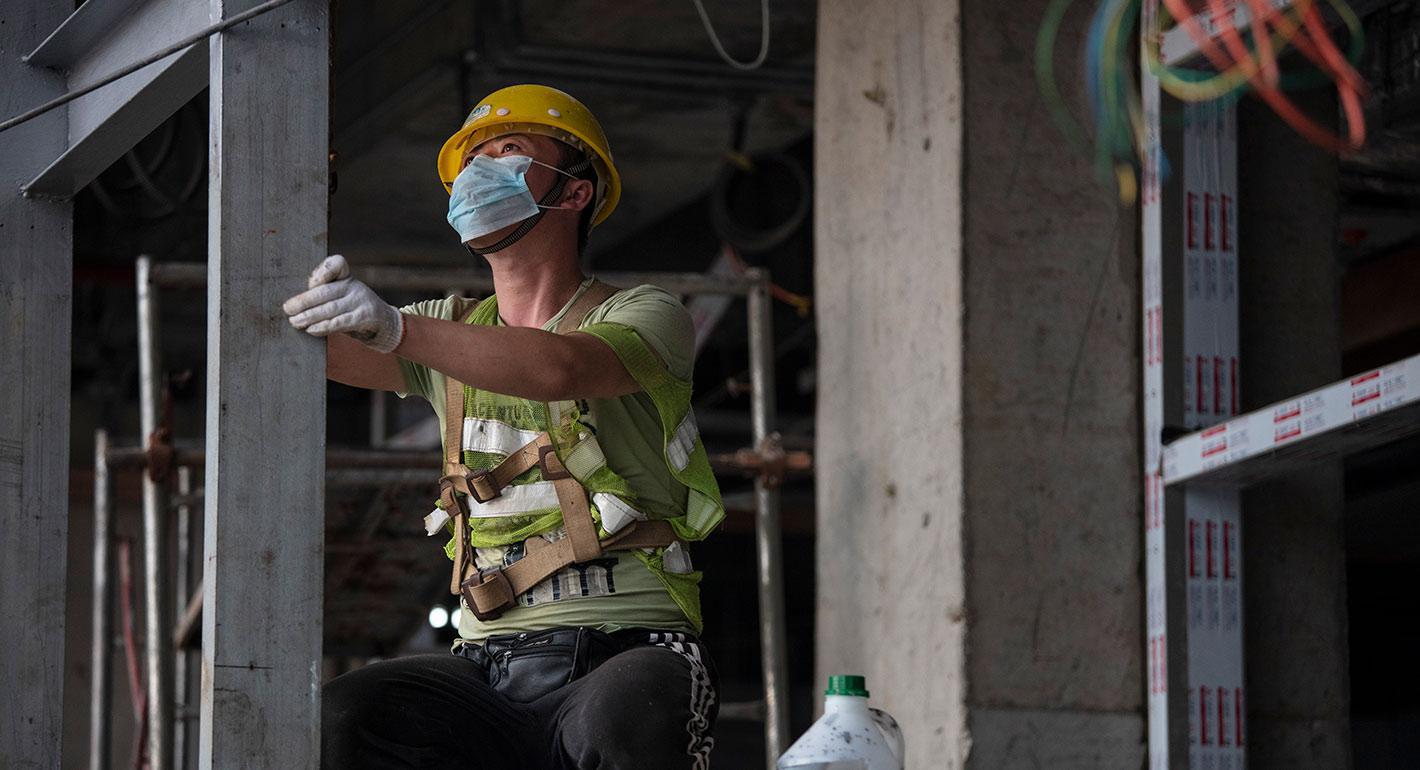
After the coronavirus pandemic wanes, how will China’s reorientation of the Belt and Road Initiative to address global health concerns influence its relationships with South Asian countries?
Deep Pal, Rahul Bhatia