

Report
Mr. Husain Haqqani, Ashley J. Tellis
{
  "authors": [
    "Husain Haqqani"
  ],
  "type": "legacyinthemedia",
  "centerAffiliationAll": "dc",
  "centers": [
    "Carnegie Endowment for International Peace"
  ],
  "collections": [],
  "englishNewsletterAll": "ctw",
  "nonEnglishNewsletterAll": "",
  "primaryCenter": "Carnegie Endowment for International Peace",
  "programAffiliation": "russia",
  "programs": [
    "Russia and Eurasia"
  ],
  "projects": [],
  "regions": [
    "Afghanistan",
    "Pakistan"
  ],
  "topics": []
}
REQUIRED IMAGE
Source: Carnegie
Originally published in the Indian Express, May 5, 2002
With 98 per cent of the votes in his favour, and almost 70 per cent of Pakistan?s 62 million eligible voters casting their vote, General Pervez Musharraf emerged victorious in last Tuesday?s referendum. Or so official Pakistan would have us believe. But the referendum was meant to confer legitimacy on General Musharraf?s military regime, not just secure victory without contest. In that respect, the referendum has been a disaster. During his referendum campaign, and more so after the unbelievable results were announced, the general?s image transformed from that of a straightforward soldier to one of ??just another Pakistani military leader??.
Until he called the referendum, Musharraf seemed to be on a lucky streak. His decision to side with the United States after the September 11 terrorist attacks made him a close American ally, instead of the pariah that he had been since his coup d?etat in October 1999. Musharraf was praised in the State of the Union address by President George W. Bush, invited to Washington for an official visit and described as Washington?s great new friend by the US media. Within Pakistan, too, his opponents appeared quiet.
But the referendum has resulted in scathing media criticism in the U.S., and the rest of the world, besides giving impetus to domestic opposition. President Bush?s White House refused to congratulate the general on his victory. Bush spokesman Ari Fleischer said simply, ??We look forward to the holding of free and fair national and divisional elections in October, as ordered by the Supreme Court and agreed to by President Musharraf,?? as if the referendum just didn?t happen.
Just as Pakistanis got ready for the referendum, U.S. and Pakistani forces conducted joint raids against Al-Qaeda along the border with Afghanistan. The referendum was obviously timed so that Musharraf could use his ??indispensability?? in the war against Al-Qaeda to domestic political advantage. The general wanted to change the label on his regime, redefining it as a democracy without altering its substance. But it will be difficult for him to get away with treating democracy with such contempt.
Considering that he gained nothing from the exercise, why did Musharraf opt for the referendum? The only possible explanation is that he wanted to ensure his upper hand even after he holds elections later this year. From his point of the view, the elections are not the means to a transfer of power to elected leadership. They are meant to help him and the military find new, very junior partners in a power-sharing arrangement that leaves key areas of decision-making in Musharraf?s hands. A free and fair election in accordance with the constitution may not keep out politicians he dislikes. And if his own position is not above politics, albeit through a sham referendum, he cannot ensure the ascendancy of the military in determining the country?s direction.
Pakistan?s military leaders have always assumed that their power flows from three sources: Allah, the army, and America. The Awam (people) can be used or invoked simply to justify decisions that have already been taken by the army (and approved, backed or tolerated by the Americans). Since Pakistan?s first military coup in 1958, the objective of military leaders has not been to provide the country with a firm basis for democracy, as they have repeatedly claimed. It has been to create an illusion of institution building while ensuring the military remains the country?s only viable institution. Thus pseudo-democratic exercises, such as local elections and referenda to authenticate a military leader, are meant as legitimising exercises, not as serious efforts at political reform.
This alone can explain General Musharraf?s decision to go ahead with the referendum instead of participating himself in General Elections in October 2002. After all, if the problem with Pakistan?s democracy is that it does not throw up good leaders and Musharraf believes that he is the good leader Pakistan really needs, why can?t he retire from the military and transform himself into a bonafide political leader? None of Pakistan?s military leaders has created a self-sustaining democratic legacy. Field Marshal Ayub Khan declared the country?s 1956 constitution ineffective and disqualified most of Pakistan?s founding politicians from politics. He wrote a new constitution, secured a mandate for himself through a referendum, and even created a King?s Party to help him establish his credentials as a politician-statesman. But when the 1968-69 riots against his rule forced him to resign, he did not transfer power; he left after handing over power to another general.
The world and Pakistan have undergone numerous changes since 1958, when Ayub Khan assumed power. But his views on politics and politicians, as well as the saviour mind-set he represented, seem to have become an integral part of the thinking of Pakistan?s generals. The Field Marshal ruled for almost 10 years. His government benefited from economic support from western countries. But Ayub Khan?s vision of an army-led self-sustaining revolution never materialised. The new system he created was demolished by his successors from within the army. While civil-military relations have never gone back to what they were before 1958, Pakistan has consistently failed to pursue a specific political or economic agenda for any length of time.
The simplistic notions that ??Good leadership is all the country needs?? and ??All we need to do is to breed better politicians?? did not resolve Pakistan?s problems under and after Ayub Khan. These are unlikely to be the philosophical foundations of a new order under General Musharraf. Politics can only be changed through politics, and Pakistan?s military leaders do not acknowledge the value of allowing the political process to take its course.
Part of their prejudice against the politicians stems from the view that political leaders do not share the military?s perception of national security. The four leading politicians to emerge since 1958 ? Zulfikar Ali Bhutto, Mohammed Khan Junejo, Benazir Bhutto and Nawaz Sharif ? have all ended up annoying the army over regional security issues. General Musharraf?s sympathisers argue that Pakistan?s politicians have failed to deliver in the past and that he must be given a chance to re-engineer the country?s political system. Respected Pakistani economist Shahid Javed Burki made that case in a recent newspaper article. ??Pakistan went through four (parliamentary) elections ? in 1988, 1990, 1993 and 1997 ? and they produced neither democracy nor stability,?? he wrote. ??Why should another one in October be any different? Musharraf?s detractors must answer this question before heaping so much criticism on him.??
The answer, of course, lies in Pakistan?s history. The reason why recent parliamentary elections did not result in democracy and stability is that each of the elections was held in the military?s shadow. None of Pakistan?s elected leaders has ever been allowed to complete their term, partly due to the machinations of the country?s intelligence-military complex. The political leadership has its many failings but it is also constantly restricted in the decisions it can or cannot make. Much is said by the critics of Pakistan?s politicians about their incompetence and greed. But the record of past military leaders is not any better. Instead of pinning hopes on the military leadership as the mechanism for political engineering, Pakistani professionals and intellectuals should now start looking at participating in the political process themselves. But for that to happen, the political space will have to be vacated by the military that currently occupies it.
The farcical nature of Musharraf?s referendum puts to rest the myth that he is a military leader with a difference. If anything, it proves that he represents continuity in military thinking that began with Ayub Khan, and was maintained by Yahya and Zia, albeit with differences of personality and style.
The writer is a Visiting Scholar at Carnegie Endowment for International Peace in Washington DC. He served as adviser to Prime Ministers Nawaz Sharif and Benazir Bhutto and as Ambassador to Sri Lanka
Former Visiting Scholar
Recent Work
Mr. Husain Haqqani, Ashley J. Tellis
Mr. Husain Haqqani
Carnegie India does not take institutional positions on public policy issues; the views represented herein are those of the author(s) and do not necessarily reflect the views of Carnegie, its staff, or its trustees.
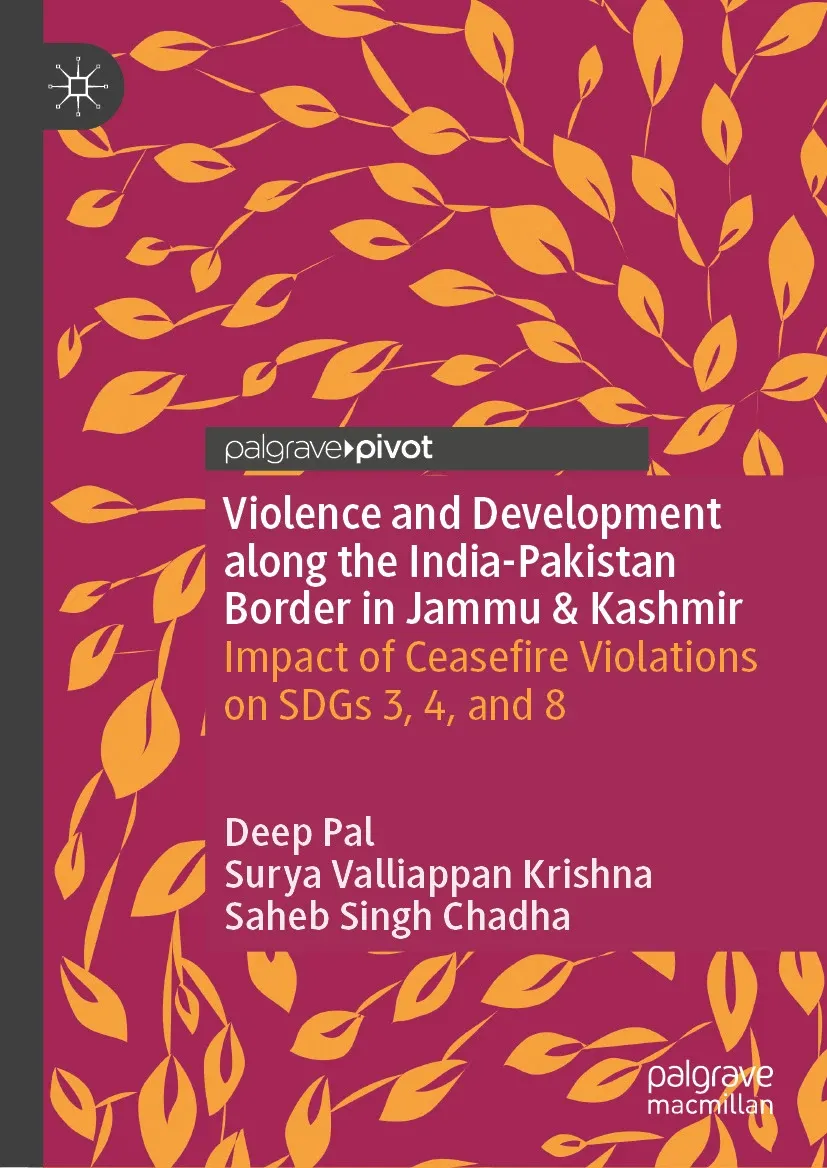
This book examines the impact of cross-border violence on communities living along the Line of Control and the International Border in Jammu and Kashmir, India.


Deep Pal, Surya Valliappan Krishna, Saheb Singh Chadha
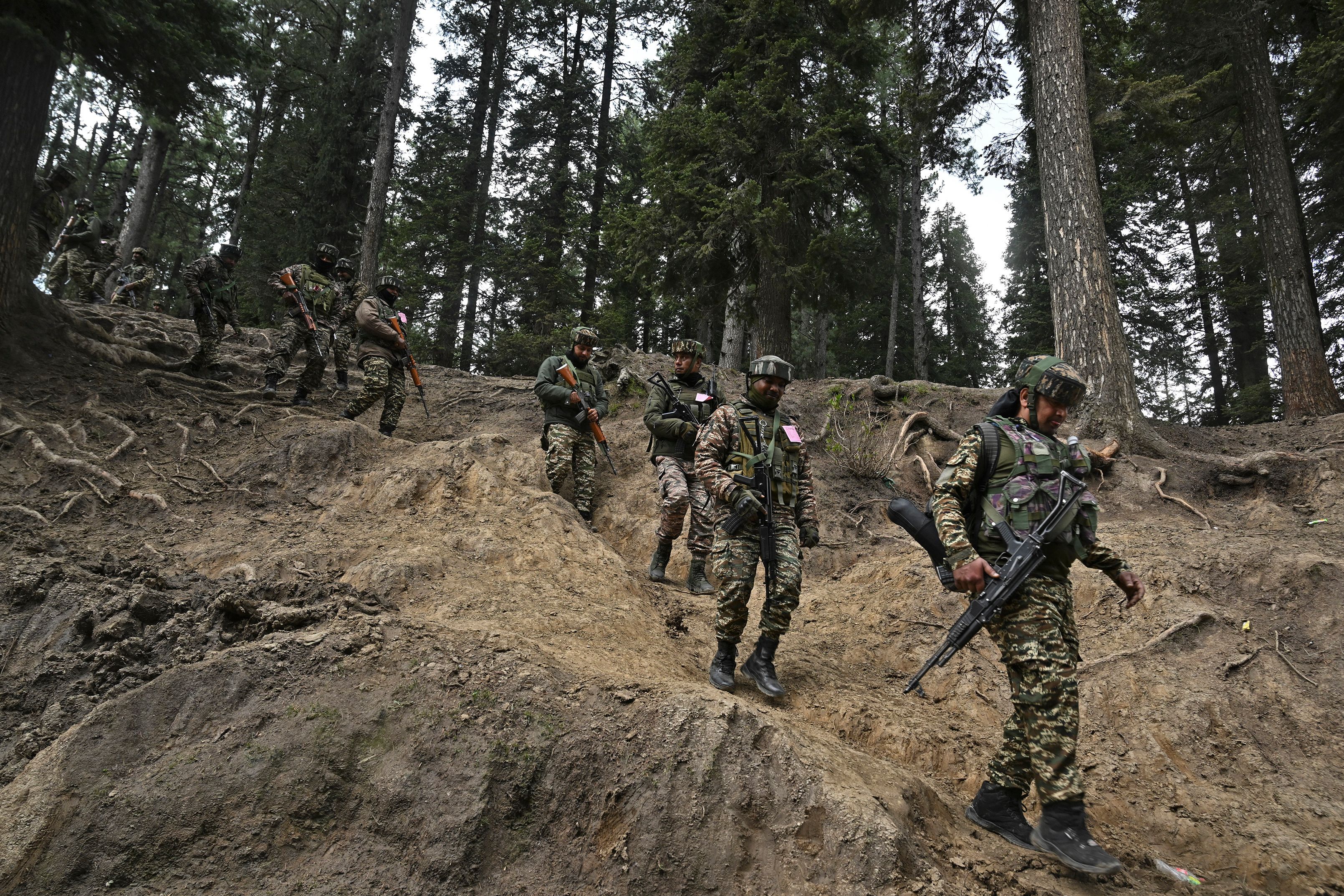
On May 7, 2025, between 1:05 and 1:30 a.m. (IST), airstrikes carried out by the Indian Air Force hit nine locations inside Pakistan and Pakistan occupied Kashmir (PoK). It was codenamed Operation Sindoor.
Rudra Chaudhuri
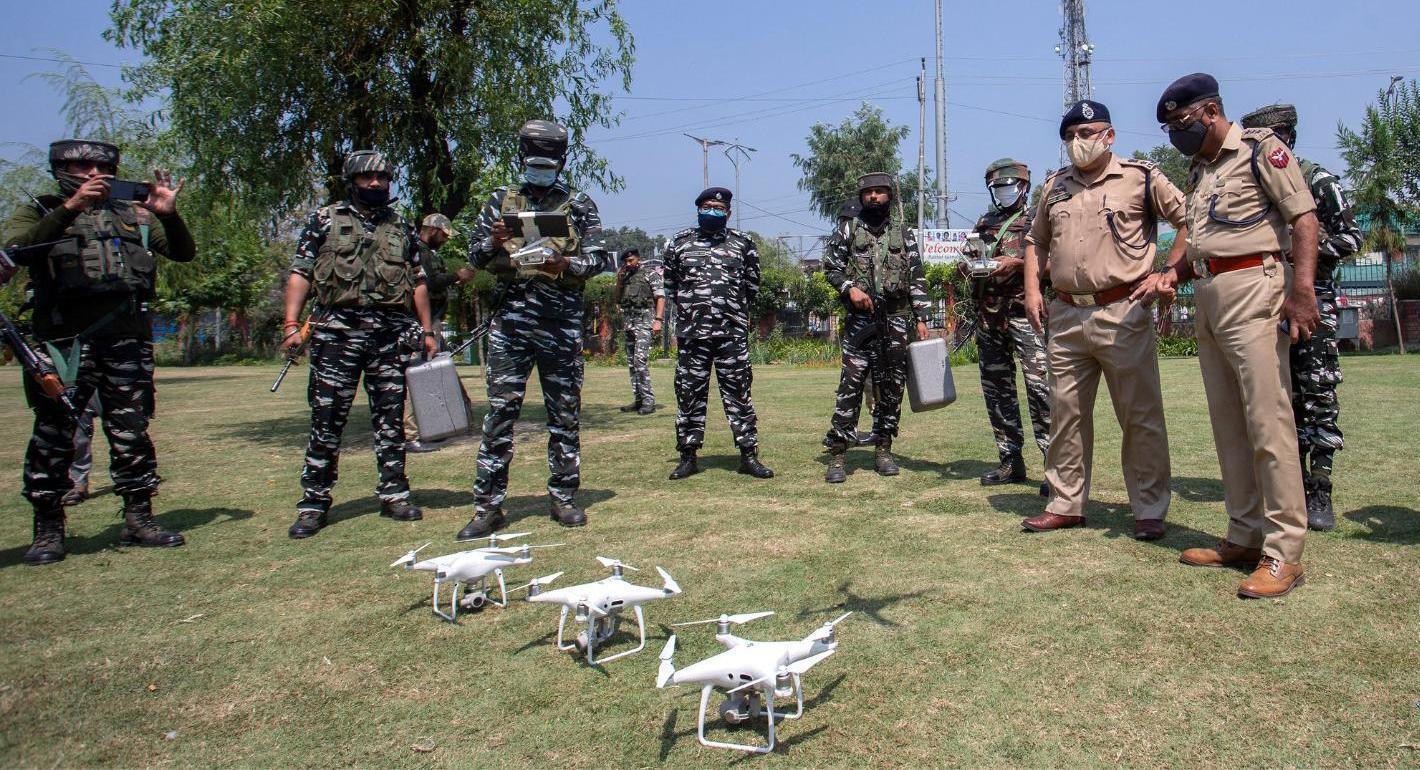
Over the last three years, drone intrusions along the India-Pakistan International Border have increased. This commentary describes the nature of this new threat and outlines countermeasures deployed by the Indian security establishment so far.
Surya Valliappan Krishna, Ashima Singh
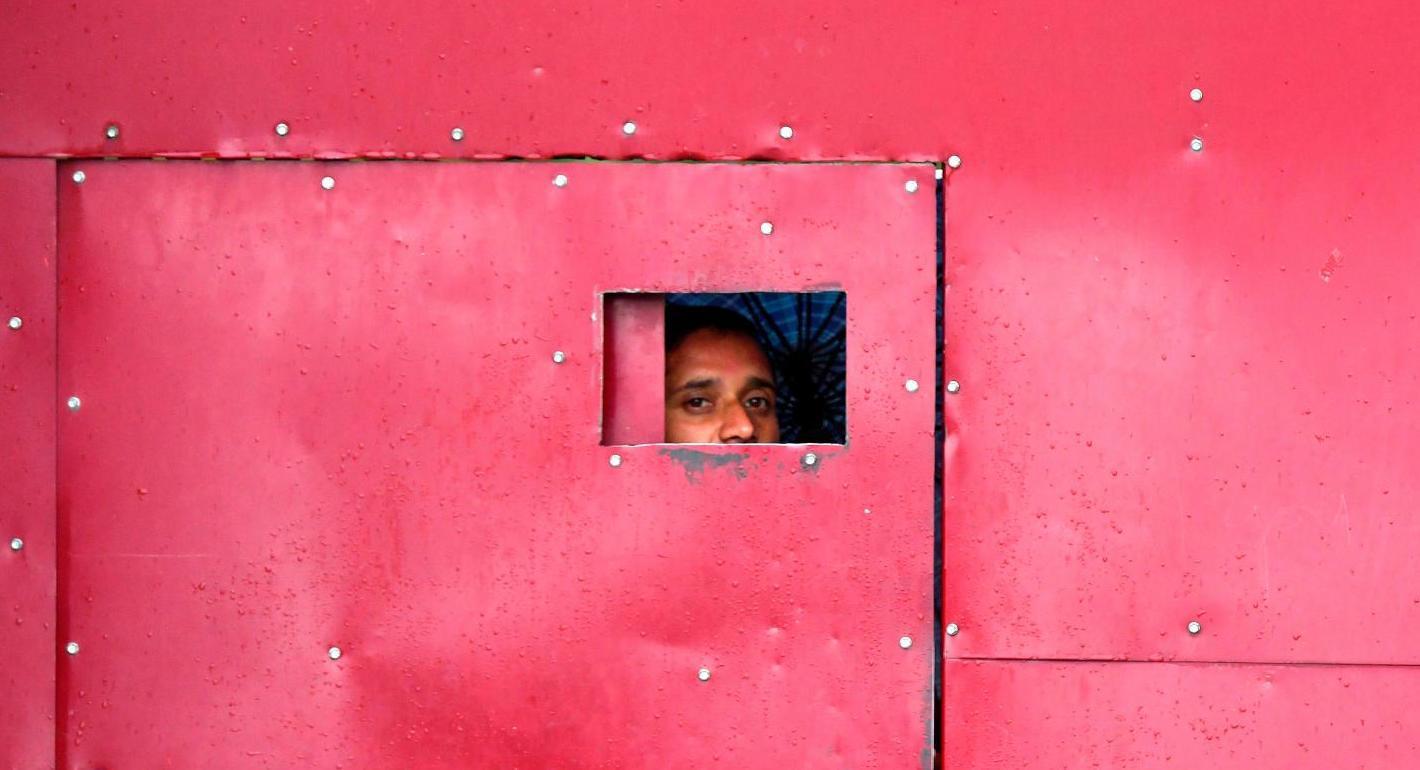
The violence on the Line of Control (LoC) and the International Border (IB) has significantly harmed the mental health of the border communities over the past two decades. Given this, the current interval of peace should be utilized to develop and shore up the mental health resources in the border areas.
Surya Valliappan Krishna, Saheb Singh Chadha

In a major boost to the lives and livelihoods of border communities, the Department of Telecommunications, Government of India recently removed restrictions on telecom connectivity. For those living along the Line of Control, this means better access to healthcare, educational resources and economic opportunity.
Surya Valliappan Krishna