
• Research
  • About
  • Experts
Carnegie India logoCarnegie lettermark logo
AI
India and Pakistan: Is Peace Real This Time?: A Conversation between Husain Haqqani and Ashley J. Tellis
Report

India and Pakistan: Is Peace Real This Time?: A Conversation between Husain Haqqani and Ashley J. Tellis

Will the latest diplomatic engagement between India and Pakistan lead to lasting peace, or simply be another in a long string of disappointments?

Link Copied
By Mr. Husain Haqqani and Ashley J. Tellis
Published on Apr 1, 2004

Additional Links

Full Text (PDF)

Since 1999, when Indian and Pakistani forces briefly fought in the Kargil area of Kashmir, India and Pakistan have experienced extremely strained relations. Tensions got particularly high during 2001–2002, when the two countries deployed a million or more troops along their common border; elements of the two massed forces frequently exchanged artillery fire in Kashmir. The specter of nuclear war haunts any armed conflict between India and Pakistan; India first demonstrated its nuclear capabilities in 1974 and Pakistan in 1998. Even when the two states manage to avoid war, their mutual hostility impedes economic development and gives a reactive cast to their internal politics. Further complicating the situation, Pakistan and India are, in different ways, frontline states in the struggle against terrorism. Thus, when Indian Prime Minister Atal Bihari Vajpayee and Pakistani President General Pervez Musharraf met, with little advance notice, at a regional summit in Pakistan in early January 2004, it behooved U.S. policy makers and other informed Americans to take note of this breakthrough and explore whether and how the United States could enhance the chances of further diplomatic progress.
In the following discussion, Haqqani and Tellis highlight key issues they raised in their respective visits. Both were particularly interested in assessing whether this latest diplomatic engagement would lead to lasting peace, or simply be another in a long string of disappointments.

Click on the link above for full text of this report.

About the Authors
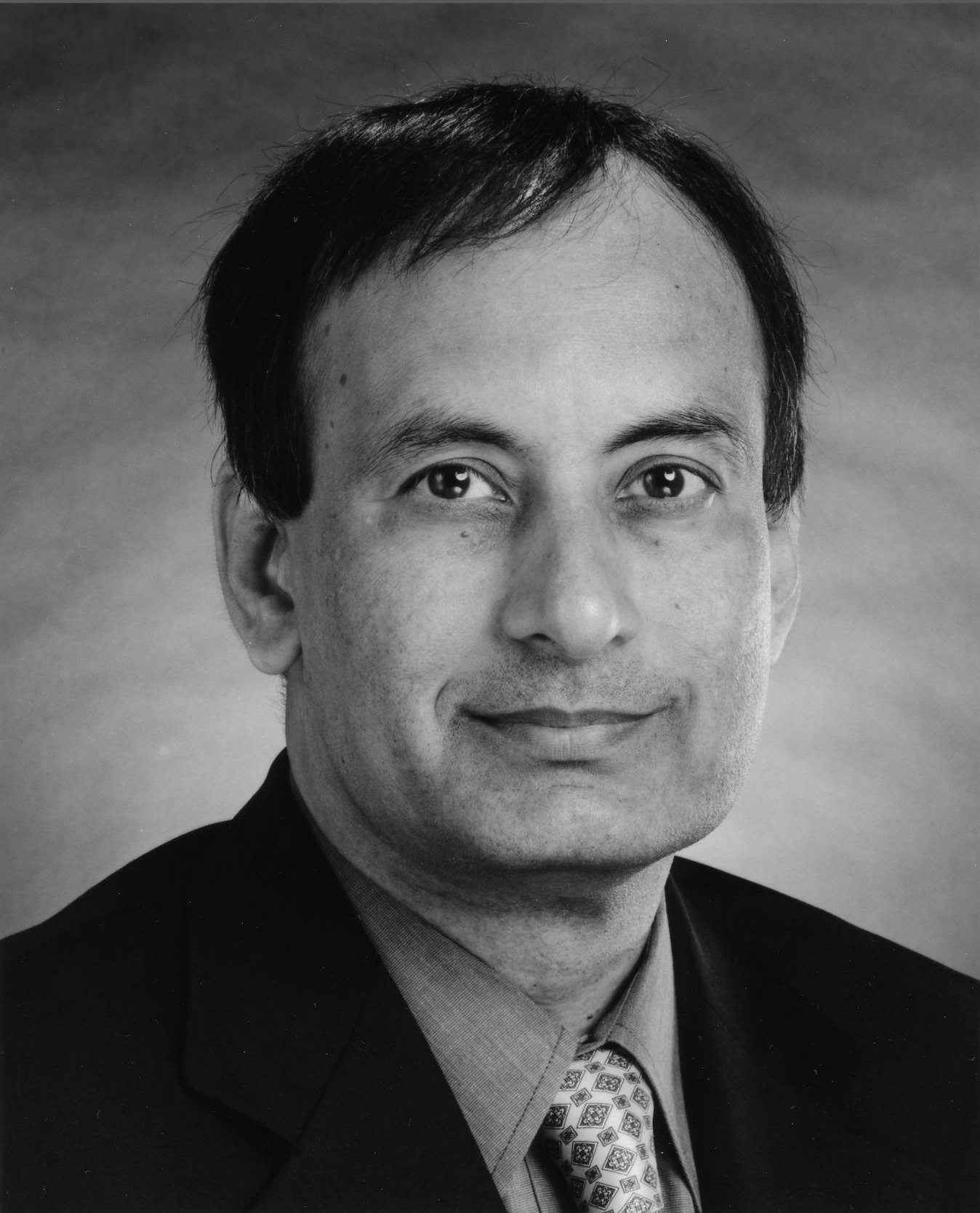
Husain Haqqani is a visiting scholar at the Carnegie Endowment. He is also a leading journalist and diplomat, and a former adviser to Pakistani prime ministers, as well as a syndicated columnist for the Indian Express, Gulf News, and The Nation (Pakistan). He is the author of Pakistan: Between Mosque and Military (Carnegie Endowment for International Peace, 2005).

Ashley J. Tellis is a senior associate at the Carnegie Endowment for International Peace in Washington, D.C. Previously, he served as senior adviser to the ambassador at the embassy of the United States in India. He also served on the National Security Council staff as special assistant to the president and senior director for strategic planning and Southwest Asia. Before his government service, he was for eight years a senior policy analyst at RAND and professor of policy analysis at the RAND graduate school. He is the author of India’s Emerging Nuclear Posture and co-author of Interpreting China’s Grand Strategy. He has co-edited Strategic Asia 2004-05: Confronting Terrorism in the Pursuit of Power and Strategic Asia 2005-06: Military Modernization in an Era of Uncertainty.

About the Authors

Mr. Husain Haqqani

Former Visiting Scholar

Ashley J. Tellis

Former Senior Fellow

Ashley J. Tellis was a senior fellow at the Carnegie Endowment for International Peace.

Authors

Mr. Husain Haqqani
Former Visiting Scholar
Husain Haqqani
Ashley J. Tellis
Former Senior Fellow
United StatesSouth AsiaIndiaPakistan

Carnegie India does not take institutional positions on public policy issues; the views represented herein are those of the author(s) and do not necessarily reflect the views of Carnegie, its staff, or its trustees.

More Work from Carnegie India

  • Research
    For People, Planet, and Progress: Perspectives from India's AI Impact Summit

    This collection of essays by scholars from Carnegie India’s Technology and Society program traces the evolution of the AI summit series and examines India’s framing around the three sutras of people, planet, and progress. Scholars have catalogued and assessed the concrete deliverables that emerged and assessed what the precedent of a Global South country hosting means for the future of the multilateral conversation.

      • +3

      Nidhi Singh, Tejas Bharadwaj, Shruti Mittal, …

  • Article
    India’s Press Note 3 Gamble: Opening the FDI Door to China

    On March 10, 2026, India’s Union Cabinet approved amendments to Press Note 3, a regulation that mandated government approval on all foreign direct investment (FDI) from countries sharing a land border with India. This amendment raises questions primarily about whether its stated benefits will materialize and if the risks have been adequately weighed. This piece will address the same.

      Konark Bhandari

  • Commentary
    The Coming of Age of India’s Nuclear Triad

    The induction of INS Aridhaman, which features several technological enhancements, now gives India the third nuclear ballistic missile submarine to ensure continuous at-sea deterrent.

      Dinakar Peri

  • Article
    India’s Oil Security Strategy: Structural Vulnerabilities and Strategic Choices

    This piece argues that the present Indian strategy, based on opportunistic diversification and utilization of limited strategic reserves, remains inadequate when confronting supply disruptions. It evaluates India’s options in the short, medium, and long terms.

      Vrinda Sahai

  • Article
    What Could a Reciprocal Defense Procurement Agreement Do for U.S.-India Ties?

    India and the United States are close to concluding a Reciprocal Defense Procurement Agreement (RDPA) that will allow firms from the two countries to sell to each other’s defense establishments more easily. While this may not remedy the specific grievances both sides may have regarding larger bilateral issues, an RDPA could restore some momentum, following the trade deal announcement.

      Konark Bhandari

Get more news and analysis from
Carnegie India
Carnegie India logo, white
Unit C-4, 5, 6, EdenparkShaheed Jeet Singh MargNew Delhi – 110016, IndiaPhone: 011-40078687
  • Research
  • About
  • Experts
  • Projects
  • Events
  • Contact
  • Careers
  • Privacy
  • For Media
Get more news and analysis from
Carnegie India
© 2026 Carnegie Endowment for International Peace. All rights reserved.