

Report
Mr. Husain Haqqani, Ashley J. Tellis
{
  "authors": [
    "Husain Haqqani"
  ],
  "type": "legacyinthemedia",
  "centerAffiliationAll": "dc",
  "centers": [
    "Carnegie Endowment for International Peace"
  ],
  "collections": [],
  "englishNewsletterAll": "ctw",
  "nonEnglishNewsletterAll": "",
  "primaryCenter": "Carnegie Endowment for International Peace",
  "programAffiliation": "russia",
  "programs": [
    "Russia and Eurasia"
  ],
  "projects": [],
  "regions": [
    "Pakistan"
  ],
  "topics": []
}
REQUIRED IMAGE
Source: Carnegie
Originally published in The Indian Express and The Gulf News, May 26, 2002
The assassination of All Parties Hurriyet Conference (APHC) leader Abdul Ghani Lone is the latest in a series of actions by those who seek to stoke the fires of military confrontation between India and Pakistan.
It is a warning to other Kashmiri leaders against speaking out so clearly and openly against 'foreign militants' whose vision of global Jihad is not shared by Kashmiri nationalists. Abdul Ghani Lone was outspoken in pointing out that the Kashmir issue can best be resolved without its hijacking by the extremist internationalist ideology of Al Qaida and its fellow travellers.
The Indian leadership will almost certainly blame Lone's assassination on Pakistan. Islamabad, on the other hand, will describe it as a black operation of India's own security services, something like Germany's Reichstag fire that provided Hitler with an excuse to impose his will on his nation.
But the assassination, as well as other recent militant attacks, are probably designed for exactly that effect. The Jihadi extremists are implementing their apocalyptic vision of a battlefield that stretches from Kabul to Kolkata. And Pakistan falls right in the middle of that battlefield.
General Pervez Musharraf refuses or is unable to recognise the fact that he and Kashmiri moderates are equal targets for the Jihadis. Indian Home Minister Advani and other BJP hardliners are also reluctant to distinguish between the indigenous and the pan-Islamic components of Kashmir militancy.
The general's dithering allows the extremists to strike out on their own. The BJP's perceived antipathy towards Muslims provides them cover in Kashmir and elsewhere.
The pan-Islamist Jihadis are pushing India and Pakistan towards conflict as part of their plan to polarise the region between Muslim and non-Muslim. Their irrational approach, expressed in their many publications and on their several websites, talks of the final conflict between Iman (belief) and kufr (disbelief).
And that final conflict, according to Jihadi folklore must take place in the region known in much of Islamic history as Khurasaan (present day Afghanistan) and Hind (India). An India-Pakistan war can only draw in the United States, which from the Jihadis' point of view, serves their purpose of internationalising their struggle.
Pakistan's security capabilities are over-stretched at the moment. The Indian border and the line of control are hot and getting hotter every day. Furthermore, Pakistani troops are engaged in the tribal areas and along the Afghan border, supporting U.S. forces searching for Al Qaida and Taliban remnants.
And the Jihadis are putting pressure within Pakistan against General Musharraf's alliance with the United States. The general has failed to secure the support of the country's mainstream politicians to offset his breaking of ranks with the Jihadis' global agenda.
An Indian decision to take punitive action against Pakistan would help the Jihadis in attaining their objective of intensifying polarisation. The extremists do not care if Pakistan suffers as a result of their actions. They have no state to protect.
They only seek bases and territory to operate from. Al Qaida used Afghanistan as a base and took advantage of their relationship with its Taliban regime. Their actions attracted the U.S. attack on Afghanistan but Al Qaida's members dispersed once Afghanistan came under attack. To this day, the U.S. is searching for Al Qaida, describing it as an elusive enemy.
The international Jihadis have a similar attitude towards Pakistan and the Kashmir valley. The Pakistanis need to protect their nation-state, putting the onus on the country's leaders to avoid war.
Kashmiris, as Abdul Ghani Lone did, also have the future of their people to think about. But the Jihadis only want to expedite the final conflict. Fomenting war between states is their means to an irrational end, which cannot always be understood by rational state actors.
General Musharraf may want to distinguish between global Jihadis and anti-India militants but no such distinction exists in the mind of the Jihadis themselves. The better course for India would be to resist the temptation of "teaching Pakistan a lesson".
Pakistan, on the other hand, must understand that the time for using the Jihadis as an instrument of bleeding India is over.
Now it is the Jihadis who are thinking of using and discarding states. They brought havoc for Afghanistan and, in their scheme of things, it would not be a big deal if Pakistan was also destabilised.
The Lone assassination could stop an Indian-Kashmiri dialogue in its tracks and fuel the tensions that already exist between India and Pakistan. Instead, it should serve as a reminder to both India and Pakistan that their relations should not be hostage to the agenda of the global Jihadis. Abdul Ghani Lone had started understanding, and exposing, the anarchist character of the international Jihadis.
The sooner General Musharraf and India's leaders understand it too, the easier it will be for them to join hands against the terrorists.
Lone's assassination is part of the plan that started unfolding with attacks such as the one on Parliament in New Delhi and was moved forward with the bombing of French naval engineers in Karachi. For those who care to take note, the targets of the Jihadis are now on both sides of the India-Pakistan border.
Husain Haqqani is a Visiting scholar at the Carnegie endowment for International Peace in Washington, DC. He served as adviser to Prime Ministers Nawaz Sharif and Benazir Bhutto and as Pakistan's Ambassador to Sri Lanka.
Former Visiting Scholar
Recent Work
Mr. Husain Haqqani, Ashley J. Tellis
Mr. Husain Haqqani
Carnegie India does not take institutional positions on public policy issues; the views represented herein are those of the author(s) and do not necessarily reflect the views of Carnegie, its staff, or its trustees.
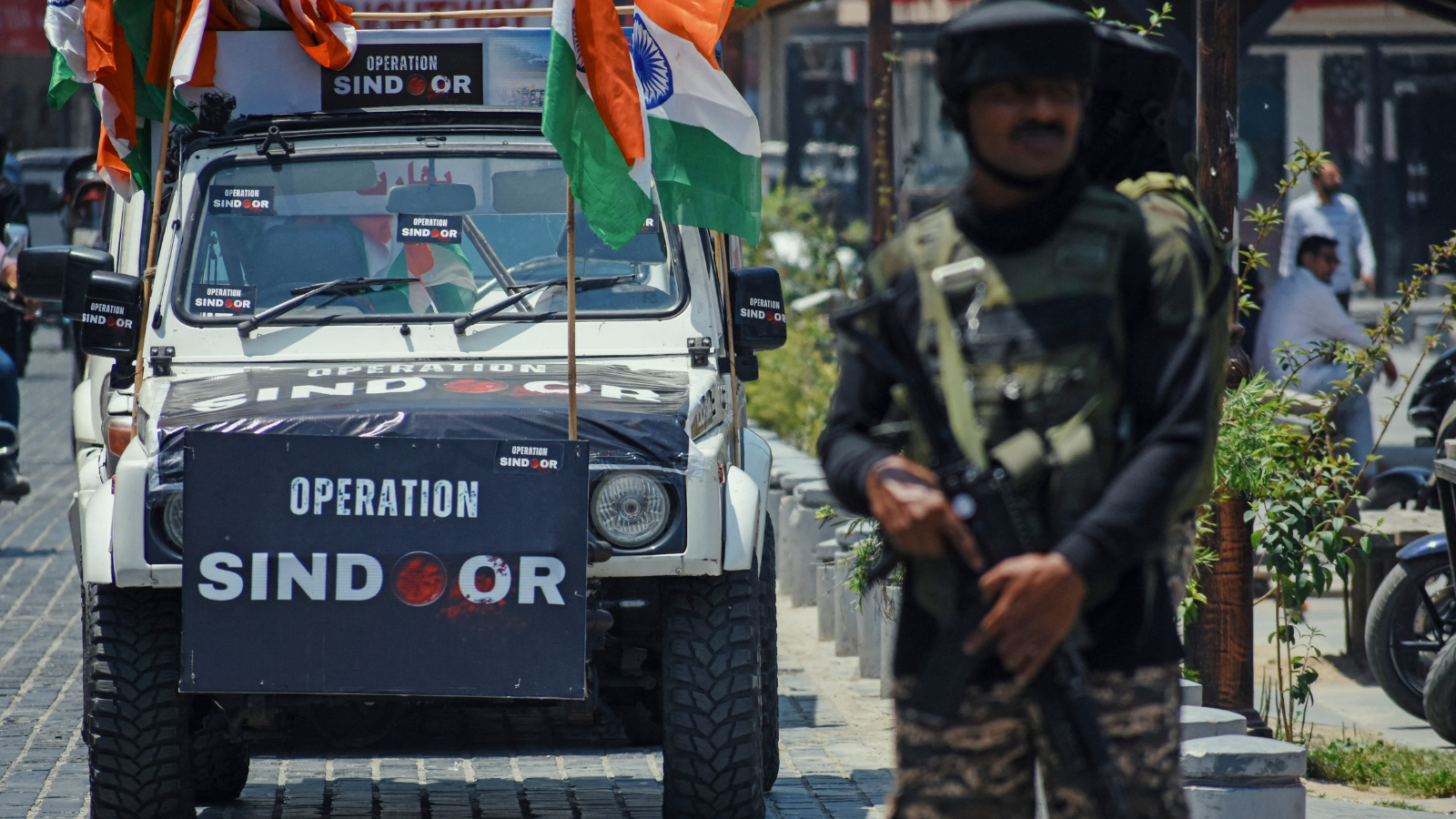
The India-Pakistan conflict that played out between May 6 and May 10, 2025, offers several military lessons. This article presents key takeaways from Operation Sindoor and breaks down how India’s preparations shaped the outcome and what more is needed to strengthen future readiness.

Dinakar Peri
This book examines the impact of cross-border violence on communities living along the Line of Control and the International Border in Jammu and Kashmir, India.



Deep Pal, Surya Valliappan Krishna, Saheb Singh Chadha
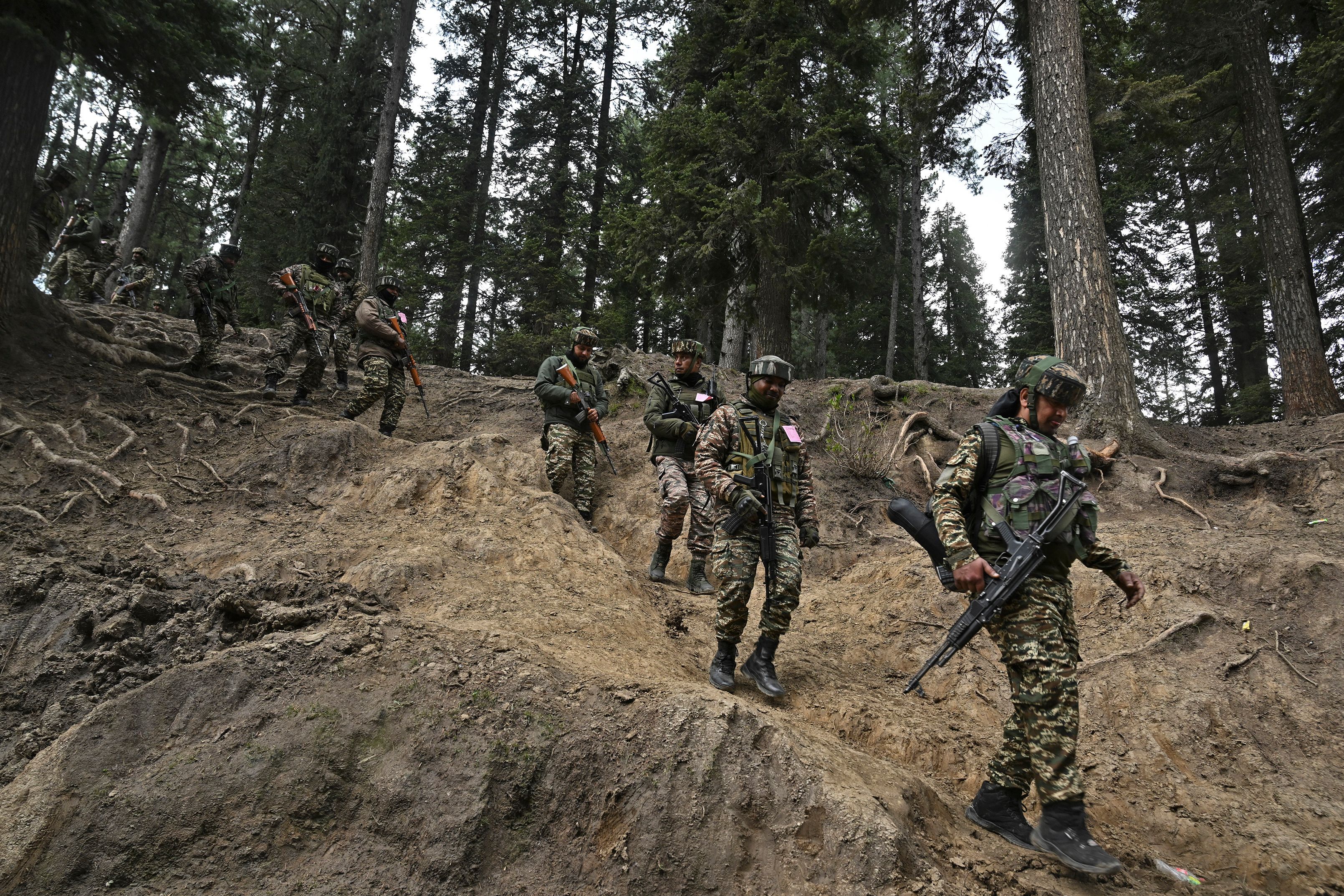
On May 7, 2025, between 1:05 and 1:30 a.m. (IST), airstrikes carried out by the Indian Air Force hit nine locations inside Pakistan and Pakistan occupied Kashmir (PoK). It was codenamed Operation Sindoor.

Rudra Chaudhuri
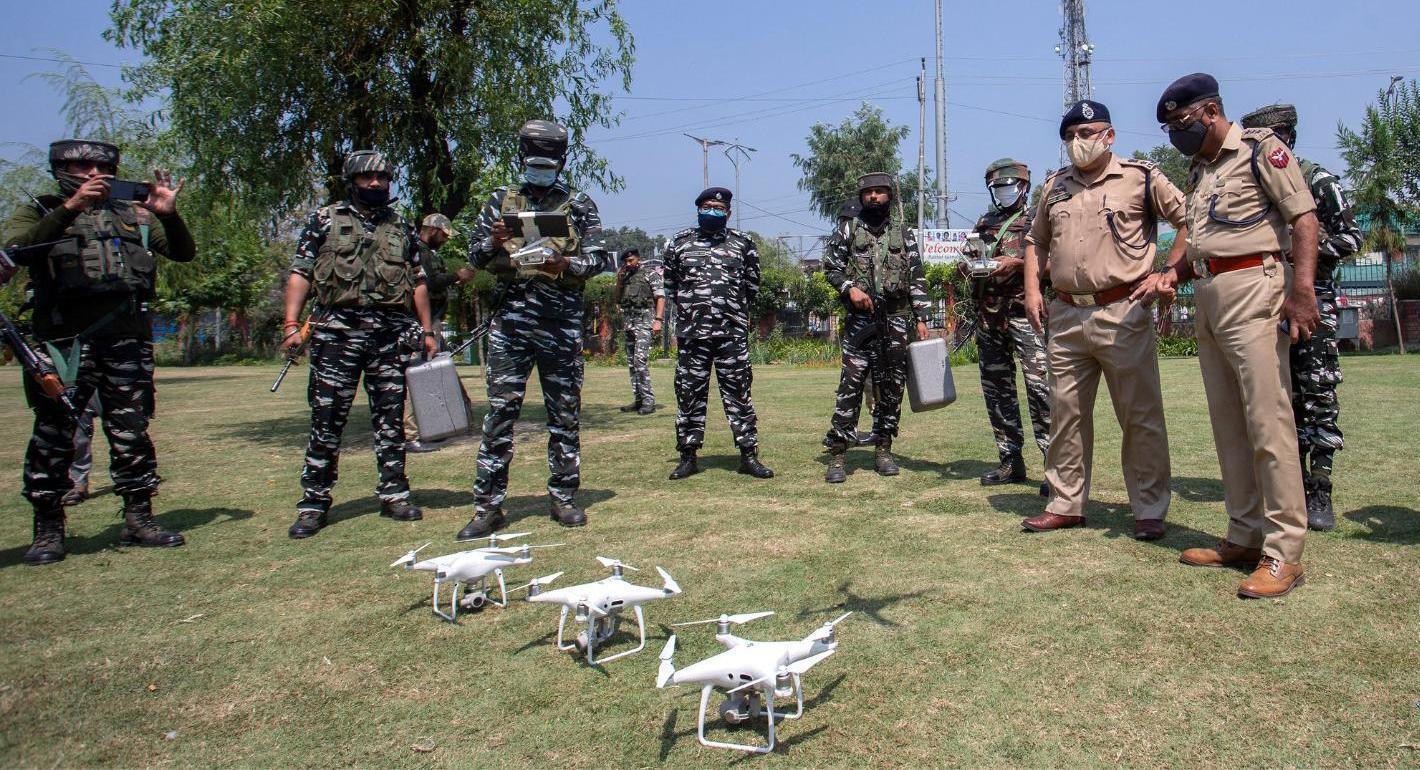
Over the last three years, drone intrusions along the India-Pakistan International Border have increased. This commentary describes the nature of this new threat and outlines countermeasures deployed by the Indian security establishment so far.
Surya Valliappan Krishna, Ashima Singh
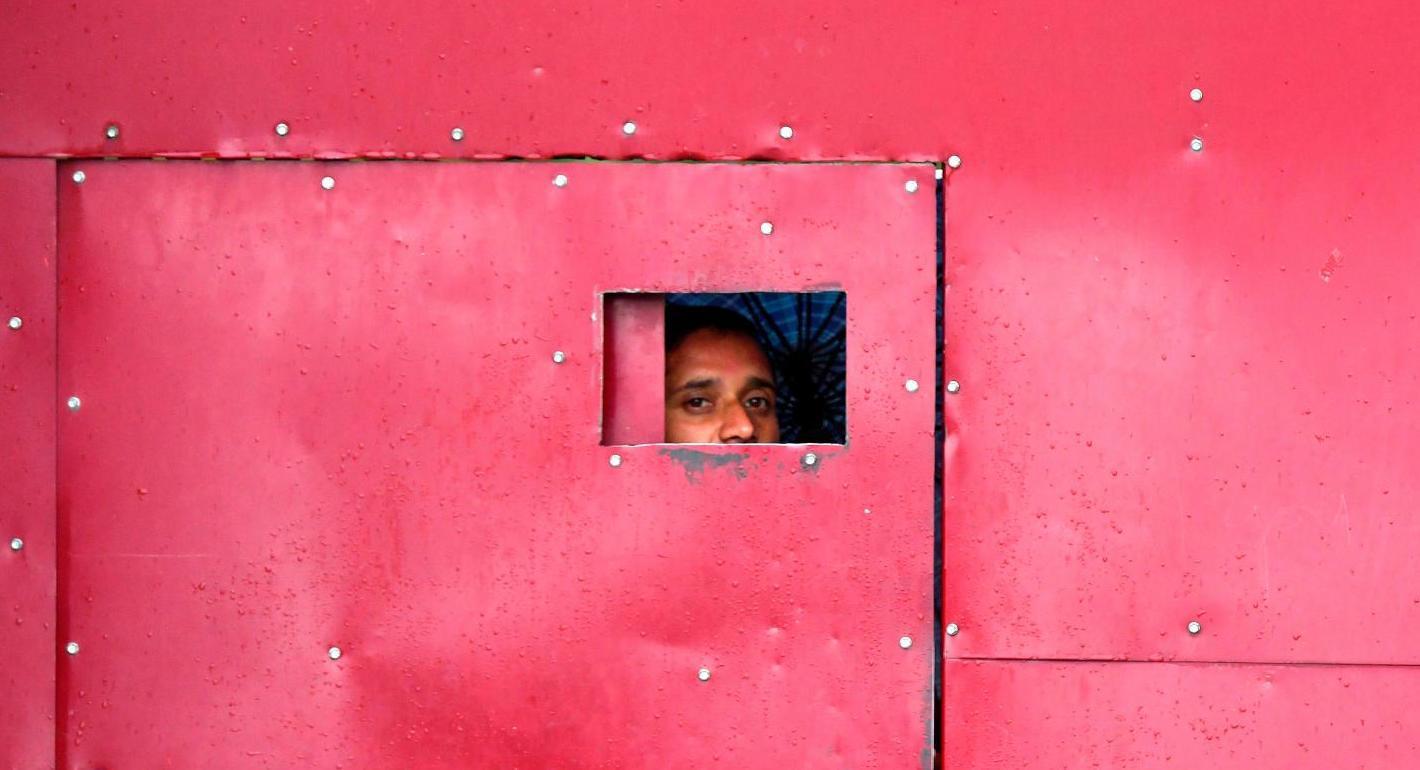
The violence on the Line of Control (LoC) and the International Border (IB) has significantly harmed the mental health of the border communities over the past two decades. Given this, the current interval of peace should be utilized to develop and shore up the mental health resources in the border areas.
Surya Valliappan Krishna, Saheb Singh Chadha