

Report
- +1
Dr. Demetrios Papademetriou, Mr. John Audley, Ms. Sandra Polaski, …
{
  "authors": [
    "John Audley"
  ],
  "type": "other",
  "centerAffiliationAll": "",
  "centers": [
    "Carnegie Endowment for International Peace"
  ],
  "collections": [],
  "englishNewsletterAll": "",
  "nonEnglishNewsletterAll": "",
  "primaryCenter": "Carnegie Endowment for International Peace",
  "programAffiliation": "",
  "programs": [],
  "projects": [],
  "regions": [
    "North America",
    "South America"
  ],
  "topics": [
    "Economy",
    "Trade",
    "Climate Change"
  ]
}
REQUIRED IMAGE
The Trade Act of 2002 integrates environmental policy priorities into U.S. trade negotiations. Resulting tensions between trade and environment requires greater involvement by Congress. Of particular short-term importance to Congress should be how bilateral negotiations with Chile and Singapore are concluded and regional negotiations with Central America begun.
Source: Carnegie
The Trade Act of 2002 integrates environmental policy priorities into U.S. trade negotiations. The manner in which resulting tensions between trade and environment are resolved requires greater involvement by Congress. Of particular short-term importance to Congress should be how bilateral negotiations with Chile and Singapore are concluded and regional negotiations with Central America begun.
Congress should also use its oversight power to develop clearer instructions regarding a host of environmental policy issues, including investment and services negotiations, environmental reviews of trade agreements, and clarification of U.S. foreign assistance regarding technical assistance and capacity building for our trading partners. In short, TPA presents Congress with the leverage its needs to oversee trade negotiations, an opportunity to work with the administration and win back public support for U.S. trade policy that respects worker rights and protection of the environment.
Click on link above for full text of this TED Policy Brief in English and Spanish.
About the Author
John Audley is the director of the Endowment's Trade, Equity, and Development Project. He is the author of Politics and Parallel Negotiations: Environment and Trade in the Western Hemisphere (Carnegie Endowment Working Paper No. 25) and Overhauling the WTO: Opportunity at Doha and Beyond(Carnegie Endowment Policy Brief No. 6).
The Trade, Equity, and Development (TED) Series is part of an effort by Carnegie's Trade, Equity, and Development Project to broaden the debate surrounding trade liberalization to include perspectives not normally present in the Washington policy community.
Former Senior Associate
Recent Work

Dr. Demetrios Papademetriou, Mr. John Audley, Ms. Sandra Polaski, …

Mr. John Audley, George Perkovich, Ms. Sandra Polaski, …
Carnegie India does not take institutional positions on public policy issues; the views represented herein are those of the author(s) and do not necessarily reflect the views of Carnegie, its staff, or its trustees.

On March 10, 2026, India’s Union Cabinet approved amendments to Press Note 3, a regulation that mandated government approval on all foreign direct investment (FDI) from countries sharing a land border with India. This amendment raises questions primarily about whether its stated benefits will materialize and if the risks have been adequately weighed. This piece will address the same.

Konark Bhandari

This piece examines India’s response to U.S. sanctions and tariffs, specifically assessing the immediate market consequences, such as alterations in import costs, and the broader strategic implications for India’s energy security and foreign policy orientation.

Vrinda Sahai

This paper examines the evolution of India-China economic ties from 2005 to 2025. It explores the impact of global events, bilateral political ties, and domestic policies on distinct spheres of the economic relationship.

Santosh Pai
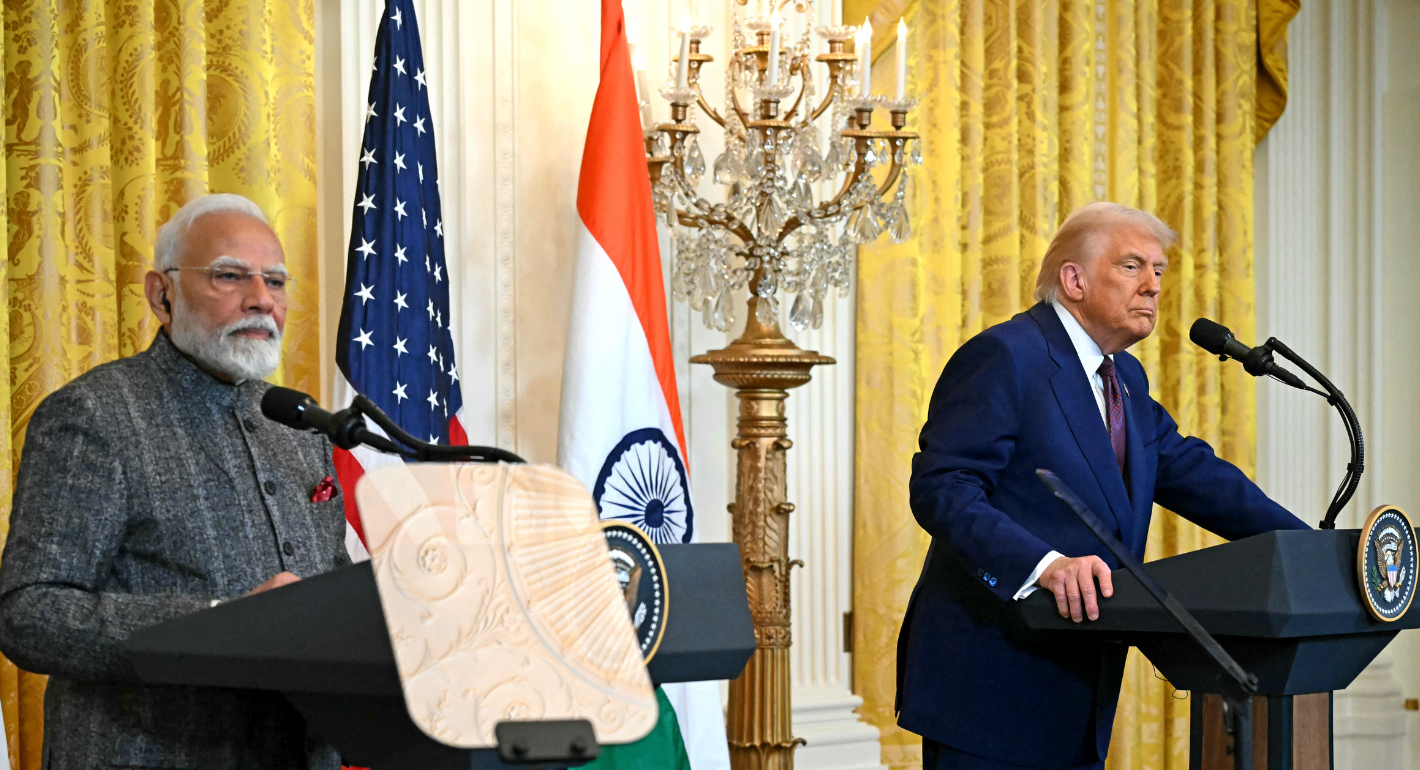
The India-U.S. relationship currently appears buffeted between three “Ts”—TRUST, Tariffs, and Trump.
Arun K. Singh
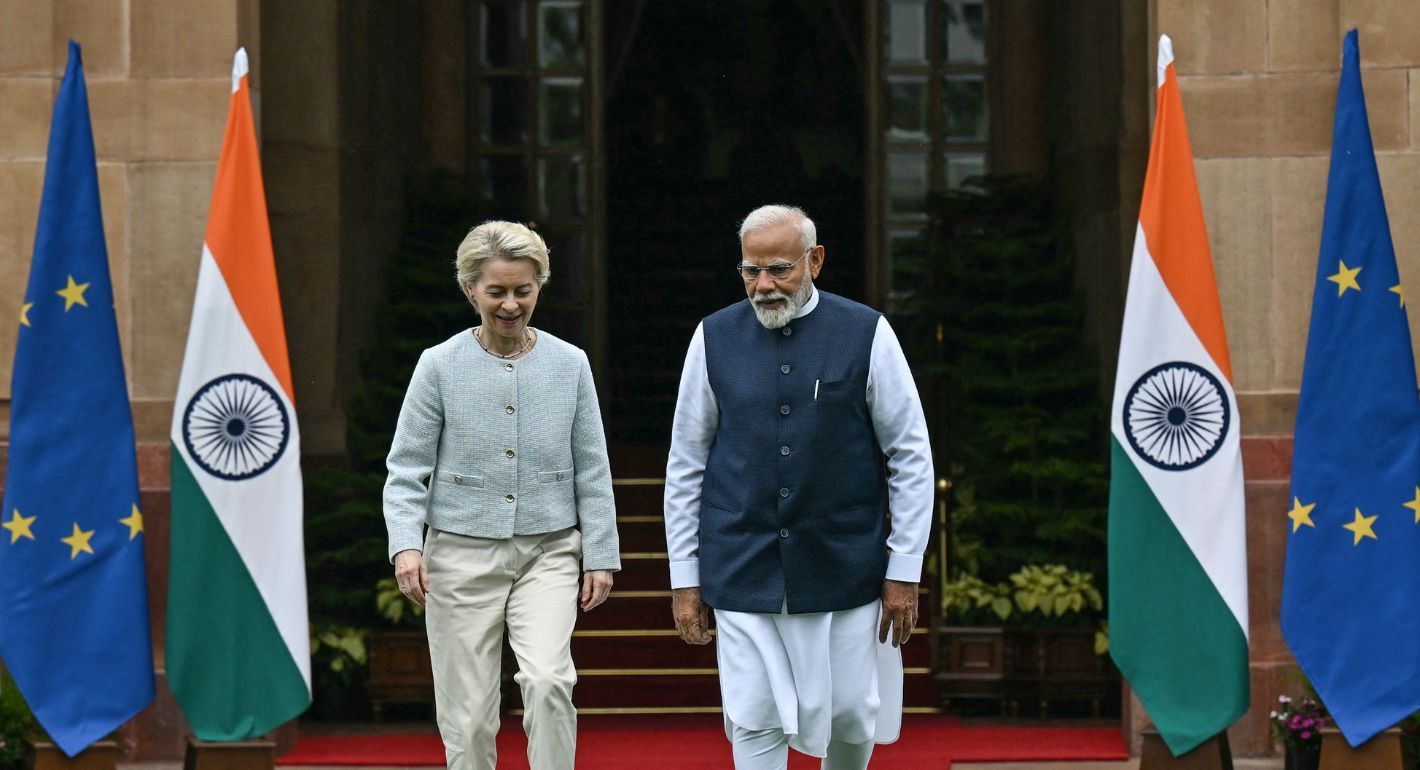
This article argues that the geopolitical circumstances have never been more conducive, not merely for the early conclusion of the free trade agreement (FTA) between India and the EU, but also for crafting a substantive and comprehensive strategic partnership.

Mohan Kumar