

• Research
  • About
  • Experts
Carnegie India logoCarnegie lettermark logo
Technology
NAFTA's Promise and Reality: Lessons from Mexico for the Hemishphere
Report

NAFTA's Promise and Reality: Lessons from Mexico for the Hemishphere

This report from the Carnegie Endowment for International Peace examines the impact of NAFTA after ten years.

Link Copied
By Dr. Demetrios Papademetriou, Mr. John Audley, Ms. Sandra Polaski, Mr. Scott Vaughan
Published on Nov 9, 2003

Additional Links

Full Text (PDF)

Source: Carnegie

About the Report
This report from the Carnegie Endowment for International Peace examines the impact of NAFTA after ten years. The report asks:

    • whether NAFTA has achieved-or is on track to achieve-its policy objectives;
    • what impact it has had on the lives and livelihoods of North Americans, particularly Mexicans; and
    • what lessons can be drawn for future trade policy for the US and for developing countries that negotiate trade pacts with the US.

To answer these questions, the authors looked beyond the two headline figures that have typically been used to measure the impact of NAFTA: the increase in the volume of trade between the countries and the increase in the flow of foreign investment.

Click on the link above to read the full text.
Read the Spanish translation.
New York Times 11/19/03 article (may require free registration)

About the Authors
Sandra Polaski
is director of Carnegie’s Trade, Equity, and Development Project. Demetrios G. Papademetriou is co-director and co-founder of the Migration Policy Institute. Scott Vaughan, formerly a visiting scholar with Carnegie's Trade, Equity, and Development Project, is director of the Unit for Sustainable Development and Environment at the Organization of American States. John Audley, formerly director of Carnegie's Trade, Equity, and Development Project, is senior transatlantic advisor at the German Marshall Fund.

*Errata:
In Figure 10 (page 25) the trend line labeled "wages" inadvertantly showed unit labor costs. The new figure correctly presents the data on wages.

On page 27, the study cited in footnote 37 claims that NAFTA eliminated 766,000 net jobs during its first seven years. The text has been changed to reflect this.

Authors

Dr. Demetrios Papademetriou
Former Senior Associate
Mr. John Audley
Former Senior Associate
Ms. Sandra Polaski
Former Senior Associate, Director, Trade, Equity and Development Program
Sandra Polaski
Mr. Scott Vaughan
Former Visiting Scholar
North AmericaSouth AmericaEconomyTrade

Carnegie India does not take institutional positions on public policy issues; the views represented herein are those of the author(s) and do not necessarily reflect the views of Carnegie, its staff, or its trustees.

More Work from Carnegie India

  • Commentary
    The Impact of U.S. Sanctions and Tariffs on India’s Russian Oil Imports

    This piece examines India’s response to U.S. sanctions and tariffs, specifically assessing the immediate market consequences, such as alterations in import costs, and the broader strategic implications for India’s energy security and foreign policy orientation.

      Vrinda Sahai

  • Paper
    India-China Economic Ties: Determinants and Possibilities

    This paper examines the evolution of India-China economic ties from 2005 to 2025. It explores the impact of global events, bilateral political ties, and domestic policies on distinct spheres of the economic relationship.

      Santosh Pai

  • Commentary
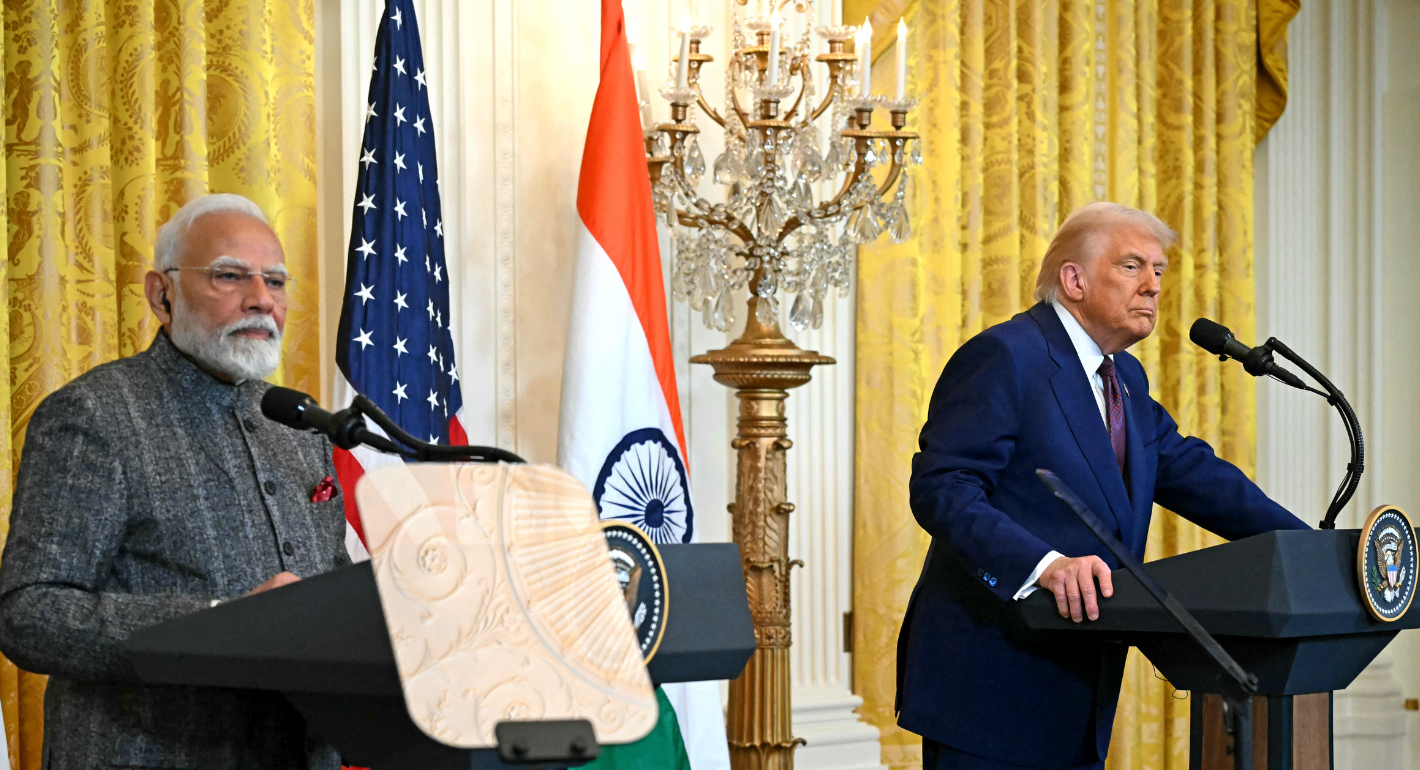
    TRUST and Tariffs

    The India-U.S. relationship currently appears buffeted between three “Ts”—TRUST, Tariffs, and Trump.

      Arun K. Singh

  • Article
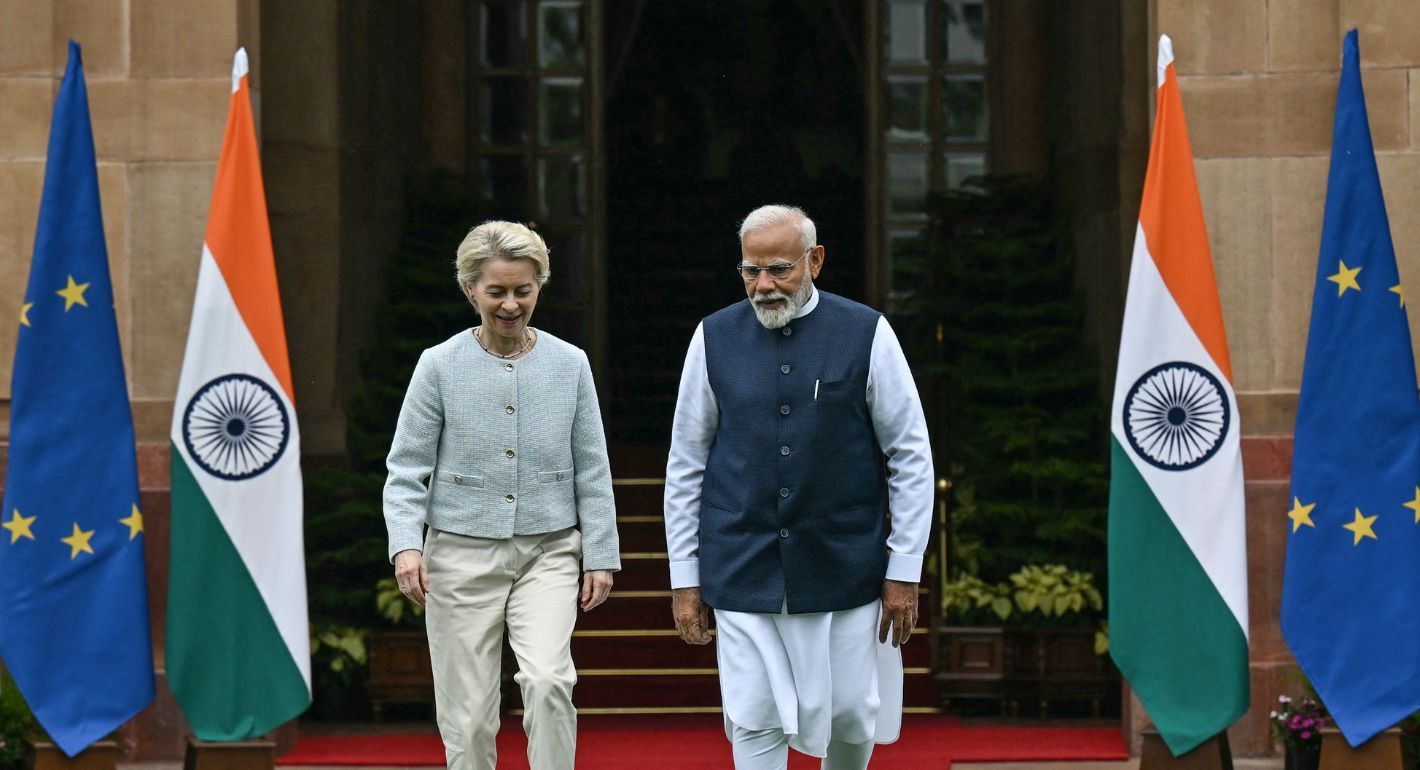
    Can Geopolitical Alignment Seal the India-EU FTA?

    This article argues that the geopolitical circumstances have never been more conducive, not merely for the early conclusion of the free trade agreement (FTA) between India and the EU, but also for crafting a substantive and comprehensive strategic partnership.

      Mohan Kumar

  • Source: iStock
    Commentary
    What’s Next for U.S. AI Policy?

    This commentary explores the likely actions of the Trump administration and driving forces on issues of deregulation, the United States’ leadership in AI, national security, and global engagements on AI safety.

      Shatakratu Sahu, Amlan Mohanty

Get more news and analysis from
Carnegie India
Carnegie India logo, white
Unit C-4, 5, 6, EdenparkShaheed Jeet Singh MargNew Delhi – 110016, IndiaPhone: 011-40078687
  • Research
  • About
  • Experts
  • Projects
  • Events
  • Contact
  • Careers
  • Privacy
  • For Media
Get more news and analysis from
Carnegie India
© 2026 Carnegie Endowment for International Peace. All rights reserved.