

Report
- +1
Dr. Demetrios Papademetriou, Mr. John Audley, Ms. Sandra Polaski, …
{
  "authors": [
    "Scott Vaughan"
  ],
  "type": "other",
  "centerAffiliationAll": "",
  "centers": [
    "Carnegie Endowment for International Peace"
  ],
  "collections": [],
  "englishNewsletterAll": "",
  "nonEnglishNewsletterAll": "",
  "primaryCenter": "Carnegie Endowment for International Peace",
  "programAffiliation": "",
  "programs": [],
  "projects": [],
  "regions": [],
  "topics": [
    "Economy",
    "Trade",
    "Climate Change"
  ]
}
REQUIRED IMAGE
Source: Carnegie
For the World Trade Organization (WTO), the most important development in a decade related to trade-environment linkages is the agreement to liberalize commerce in environmental goods and services. If properly executed, the agreement will increase the availability of "green" goods in global markets and break the North-South deadlock that has paralyzed discussion on the trade regime governing such goods.
However, WTO members appear to be limiting negotiations to capital-intensive environmental technologies and engineering services, for which developed countries enjoy a comparative advantage. These goods account for the largest part of the $525 billion spent annually on the environmental sector worldwide. However, they are neither the sole nor most visible part of environmental markets. Green consumer goods - from energy-efficient lighting to recycled products - together with resource-based products, including organic produce and sustainable forest and fisheries products, need to come within the purview of WTO negotiations.
Click on link above for full text of this TED Policy Brief.
A limited number of print copies are available.
Request a copy
About the Author
Scott Vaughan is visiting scholar with the Carnegie Endowment. He previously held positions with the North American Commission for Environmental Cooperation, the World Trade Organization, the United Nations Environment Program, the Royal Bank Financial Group (Canada), and the Canadian federal minister of the environment.
The Trade, Equity, and Development (TED) Series is part of an effort by Carnegie's Trade, Equity, and Development Project to broaden the debate surrounding trade liberalization to include perspectives not normally present in the Washington policy community.
Also in the TED series:
Controlling Corruption: A Key to Development-Oriented Trade, Peter Eigen
Environment's New Role in U.S. Trade Policy, John Audley
Reforming Global Trade in Agriculture: A Developing-Country Perspective, Shishir Priyadarshi
Doha: Is It Really a Development Round?, Kamal Malhotra
Former Visiting Scholar
Recent Work

Dr. Demetrios Papademetriou, Mr. John Audley, Ms. Sandra Polaski, …

Mr. John Audley, George Perkovich, Ms. Sandra Polaski, …
Carnegie India does not take institutional positions on public policy issues; the views represented herein are those of the author(s) and do not necessarily reflect the views of Carnegie, its staff, or its trustees.

On March 10, 2026, India’s Union Cabinet approved amendments to Press Note 3, a regulation that mandated government approval on all foreign direct investment (FDI) from countries sharing a land border with India. This amendment raises questions primarily about whether its stated benefits will materialize and if the risks have been adequately weighed. This piece will address the same.

Konark Bhandari

This piece examines India’s response to U.S. sanctions and tariffs, specifically assessing the immediate market consequences, such as alterations in import costs, and the broader strategic implications for India’s energy security and foreign policy orientation.

Vrinda Sahai

This paper examines the evolution of India-China economic ties from 2005 to 2025. It explores the impact of global events, bilateral political ties, and domestic policies on distinct spheres of the economic relationship.

Santosh Pai
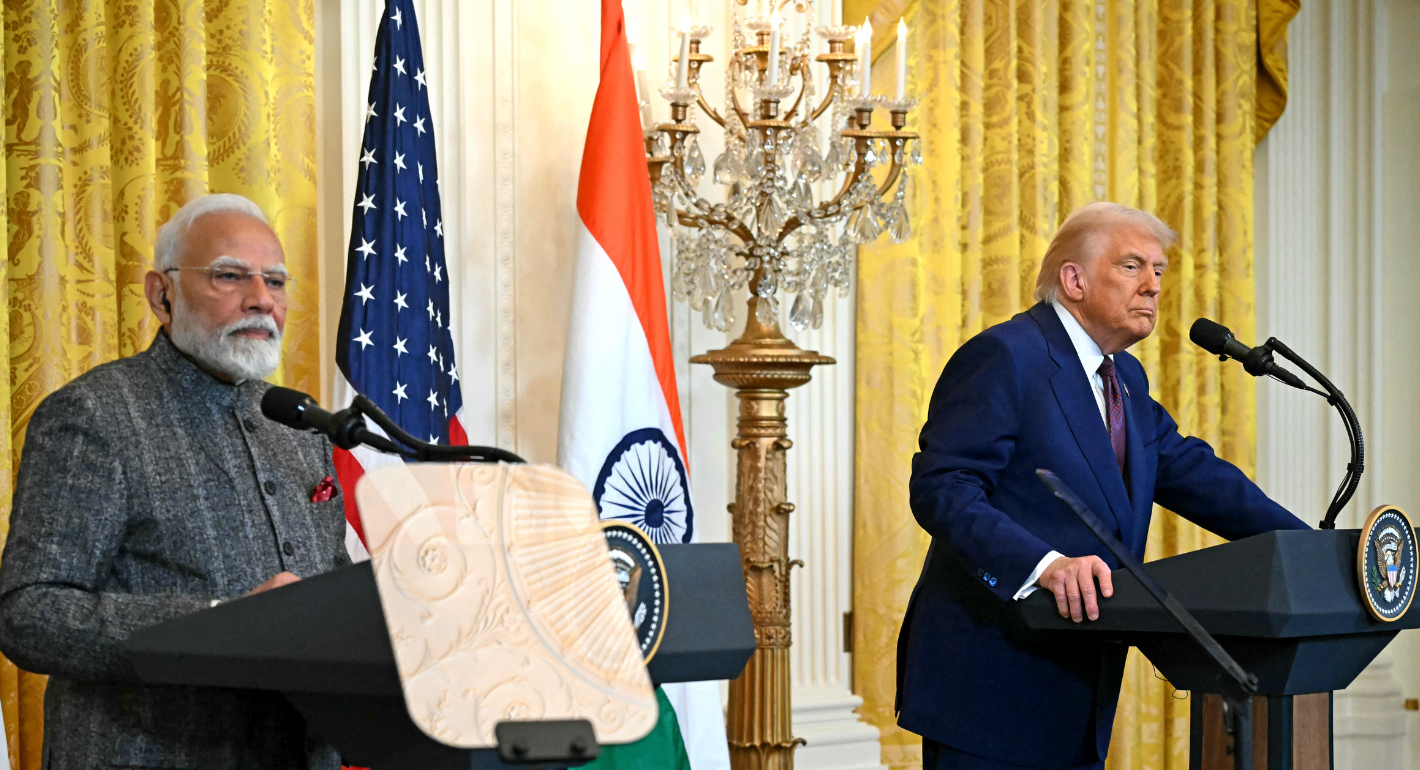
The India-U.S. relationship currently appears buffeted between three “Ts”—TRUST, Tariffs, and Trump.
Arun K. Singh
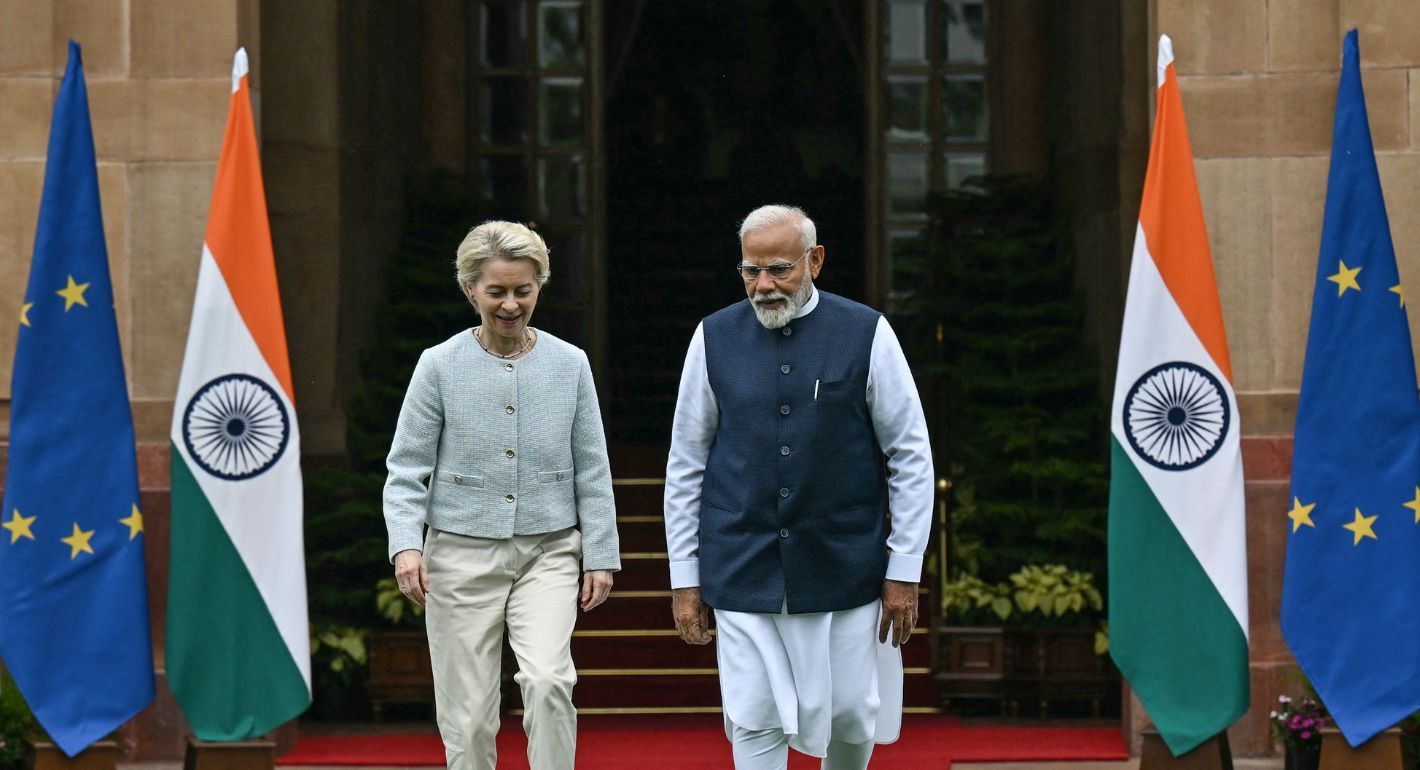
This article argues that the geopolitical circumstances have never been more conducive, not merely for the early conclusion of the free trade agreement (FTA) between India and the EU, but also for crafting a substantive and comprehensive strategic partnership.

Mohan Kumar