

Report
Mr. Husain Haqqani, Ashley J. Tellis
{
  "authors": [
    "Husain Haqqani"
  ],
  "type": "legacyinthemedia",
  "centerAffiliationAll": "",
  "centers": [
    "Carnegie Endowment for International Peace"
  ],
  "collections": [],
  "englishNewsletterAll": "",
  "nonEnglishNewsletterAll": "",
  "primaryCenter": "Carnegie Endowment for International Peace",
  "programAffiliation": "",
  "programs": [],
  "projects": [],
  "regions": [
    "Pakistan"
  ],
  "topics": []
}
REQUIRED IMAGE
Source: Carnegie
Musharraf's Bold Move
By Husain Haqqani
Originally published in The Asian Wall Street Journal, 29 January 2004
Pakistan's decision to investigate the role of its top scientists in transferring
nuclear-weapons technology to Libya, North Korea and Iran will help remove the
international community's doubts about the security of Islamabad's nuclear arsenal.
President Pervez Musharraf has promised to hold accountable everyone found responsible
for the illegal transfers of nuclear technology. This will undoubtedly include
Abdul Qadeer Khan, the nationally revered father of Pakistan's nuclear-weapons
program. Incredulous though it may sound, Pakistani officials claim that Mr.
Khan and his associates sold sensitive technology for personal financial gain.
Neither civilian nor military officials are believed to have authorized or even
known anything about this, and the Pakistan government is now investigating the
possible role of the failed Bank of Credit and Commerce International in these
illegal transfers.
The U.S. appears willing to accept this explanation of the past, provided Pakistan's nuclear program is brought under the firm control of a well-defined command structure in the future.
Pakistan's former military chief, Gen. Mirza Aslam Beg, who controlled the nuclear program during the late 1980s and early 1990s, when the transfers of technology reportedly took place, has denied that he had any role in the deals. Gen. Beg was partly responsible for creating Pakistan's cult of nuclear weapons, which has been maintained by all subsequent civilian governments and military leaders. As part of this cult, Pakistanis celebrated their country's nuclear tests in 1998 with joyous demonstrations in the streets. Fiber-glass replicas of nuclear missiles were installed in the major squares of Pakistani cities, marking the "progress" of the country. Mr. Khan, who advanced Pakistan's ability to acquire nuclear weapons with European know-how on uranium enrichment, was proclaimed a national hero.
But possession of nuclear weapons did not end Pakistan's political, social or economic problems. Instead it aggravated them. Pakistan sought nuclear-weapons parity with its traditional rival, India. In doing so it broke its commitment to the United States not to make nuclear weapons, in return for American aid on conventional weapons. The U.S. suspended aid to Pakistan in 1990, and did not remove these sanctions until 2001, when the post-Sept. 11 war in Afghanistan made Pakistani collaboration necessary once again. Pakistan's economy suffered from U.S. sanctions, increasing poverty levels in an already impoverished nation.
Throughout the 1990s Pakistan courted Islamist extremists as a low-cost security option against India, while brandishing its nuclear arsenal to deter Indian attack. The weapons were seen as a source of national pride and contributed to the militarism and militancy that has plagued the country over the past decade.
Making nuclear weapons a symbol of Pakistani pride also helped Pakistan's nuclear scientists, especially the publicity conscious Mr. Khan, become independent players in the country's politics. Under the patronage of Pakistan's military and intelligence services, Pakistan's Islamists declared themselves guardians of Pakistani nationhood. They adopted a staunchly anti-U.S. posture and resisted any effort to submit Pakistan's nuclear program to an international regime. Mr. Khan acquired an aura of super-patriot and "protecting Pakistan's nuclear assets" became a by-word for protecting Mr. Khan and his Khan Research Laboratories (KRL) at Kahuta from any restraints or accountability.
Western intelligence agencies have long accused KRL of supplying designs and materials for nuclear programs to third countries. Until now, Pakistani officials have rejected these intelligence reports, complaining they were part of an effort to pressure Pakistan. Nuclear weapons are a sensitive matter in any country and it is unlikely that Mr. Khan and his associates operated without, at least, the knowledge of Pakistan's powerful military and intelligence service. That explains why several observers feel that Mr. Khan and his fellow scientists are being used as scapegoats now that Libyan and Iranian confessions of nuclear activity have exposed Pakistani support for these covert nuclear programs.
But from the U.S. viewpoint, it is a good thing that Pakistan has acknowledged the previous illegal transfers of technology and closed the possibility of future ones. Embarrassing the Pakistani government by forcing it to admit anything more than the role of a few individuals in these sales is, at present, less important than a full accounting of the technology transfers made in the past. And Washington's focus is on ensuring that there are no further leaks of nuclear weapons technology in future.
Gen. Musharraf's decision to finally investigate and end the sharing of nuclear expertise is part of his effort to turn his back on Pakistan's role as a near-rogue state. He has already become a target of Islamic militants for ordering an end to tolerance for Islamic extremism. And taking on a national hero such as Mr. Khan will only add to the list of Gen. Musharraf's enemies. But the decision to end nuclear sales is in Pakistan's interest and Gen. Musharraf deserves applause for making this bold decision. Pakistan must now be persuaded to join an international regime of nuclear restraint.
Gen. Musharraf also needs to turn his attention toward changing the militaristic environment in Pakistan, fostered by the country's educational system as well as the military's domination of all spheres of life. Pakistanis need heroes who liberate them from illiteracy, disease and poverty. Toppling the father of the country's nuclear program from his perch has added to the need for new heroes.
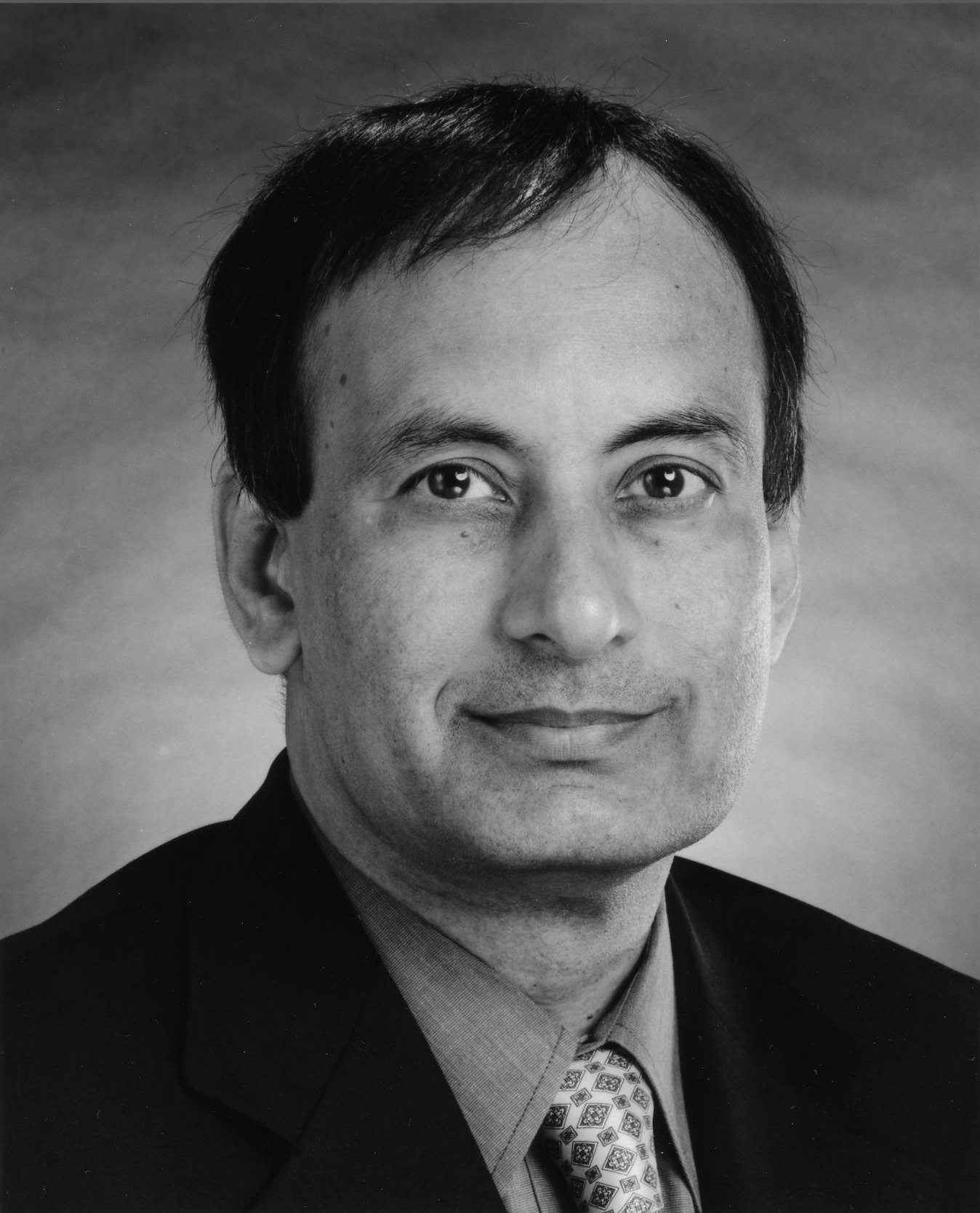
Former Visiting Scholar
Recent Work
Mr. Husain Haqqani, Ashley J. Tellis
Mr. Husain Haqqani
Carnegie India does not take institutional positions on public policy issues; the views represented herein are those of the author(s) and do not necessarily reflect the views of Carnegie, its staff, or its trustees.
This book examines the impact of cross-border violence on communities living along the Line of Control and the International Border in Jammu and Kashmir, India.


Deep Pal, Surya Valliappan Krishna, Saheb Singh Chadha
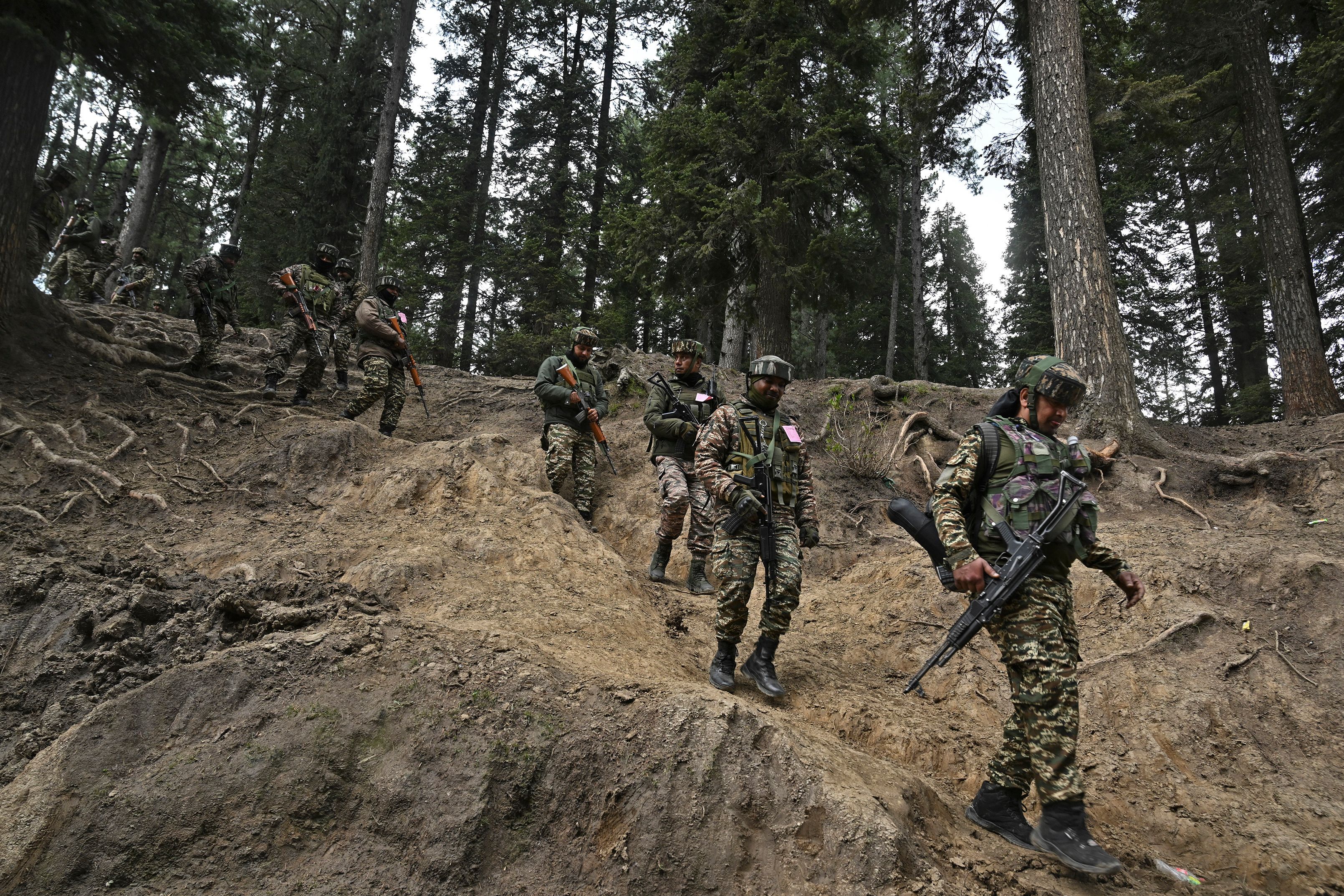
On May 7, 2025, between 1:05 and 1:30 a.m. (IST), airstrikes carried out by the Indian Air Force hit nine locations inside Pakistan and Pakistan occupied Kashmir (PoK). It was codenamed Operation Sindoor.

Rudra Chaudhuri
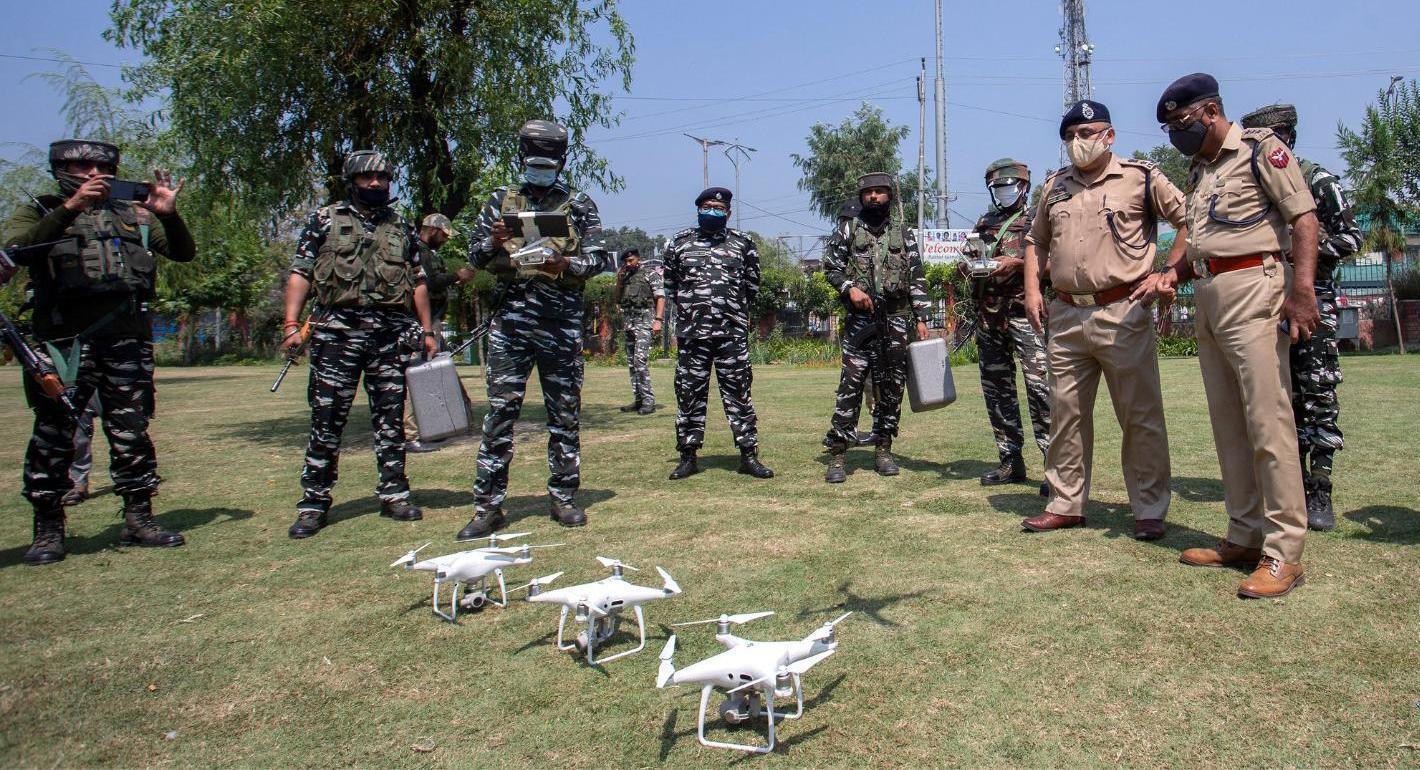
Over the last three years, drone intrusions along the India-Pakistan International Border have increased. This commentary describes the nature of this new threat and outlines countermeasures deployed by the Indian security establishment so far.
Surya Valliappan Krishna, Ashima Singh
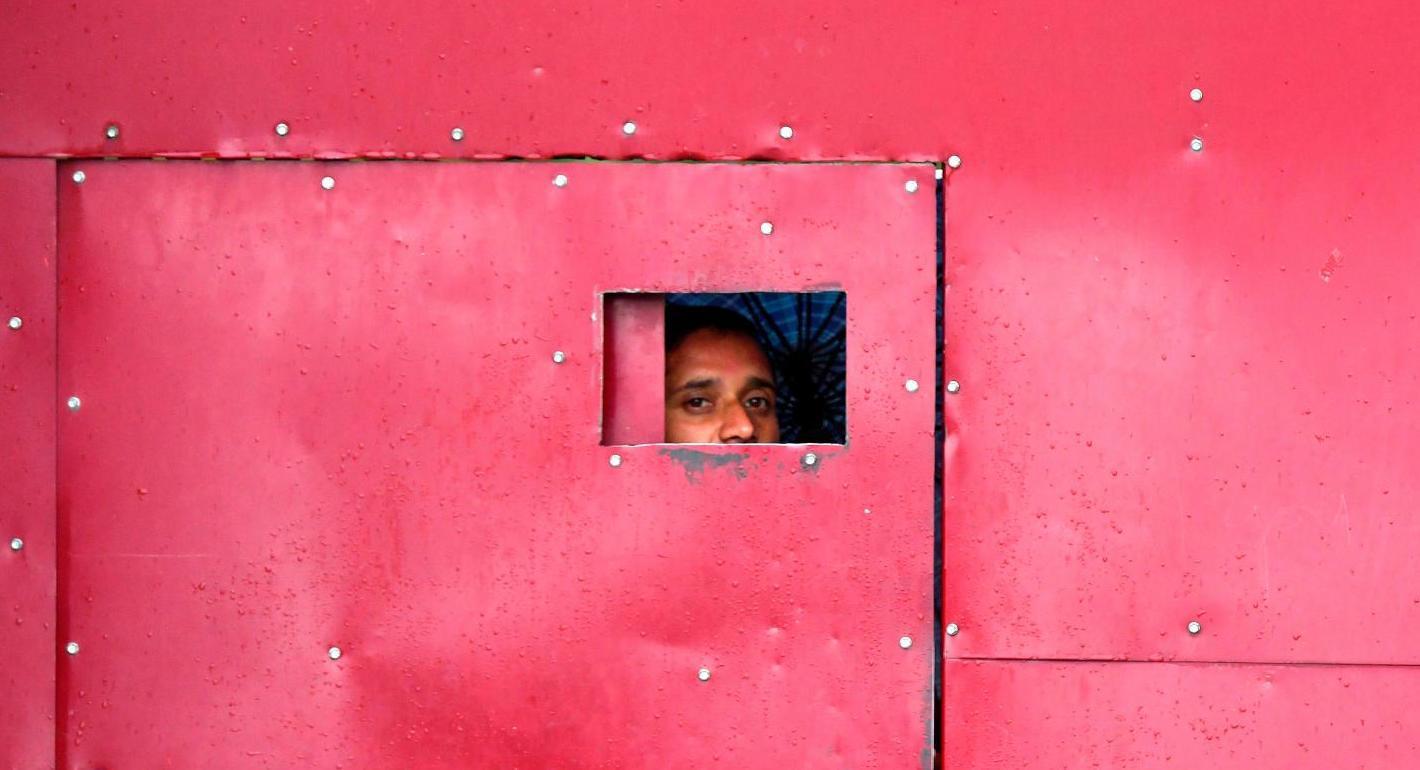
The violence on the Line of Control (LoC) and the International Border (IB) has significantly harmed the mental health of the border communities over the past two decades. Given this, the current interval of peace should be utilized to develop and shore up the mental health resources in the border areas.
Surya Valliappan Krishna, Saheb Singh Chadha
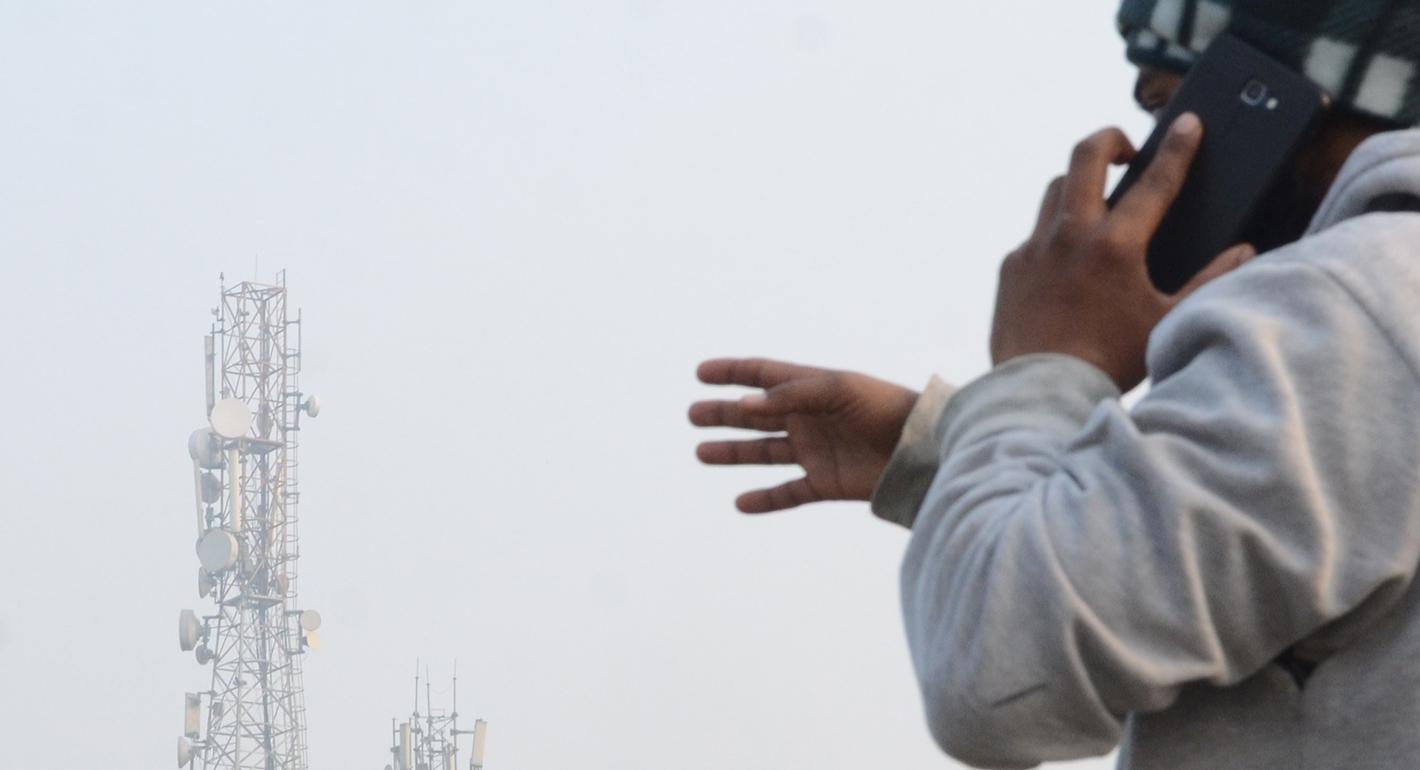
In a major boost to the lives and livelihoods of border communities, the Department of Telecommunications, Government of India recently removed restrictions on telecom connectivity. For those living along the Line of Control, this means better access to healthcare, educational resources and economic opportunity.
Surya Valliappan Krishna