

Report
Mr. Husain Haqqani, Ashley J. Tellis
{
  "authors": [
    "Husain Haqqani"
  ],
  "type": "legacyinthemedia",
  "centerAffiliationAll": "",
  "centers": [
    "Carnegie Endowment for International Peace"
  ],
  "collections": [],
  "englishNewsletterAll": "",
  "nonEnglishNewsletterAll": "",
  "primaryCenter": "Carnegie Endowment for International Peace",
  "programAffiliation": "",
  "programs": [],
  "projects": [],
  "regions": [
    "Pakistan"
  ],
  "topics": []
}
REQUIRED IMAGE
Source: Carnegie
The Pakistan Army is finally using force in the tribal areas bordering Afghanistan to flush out Islamist militants affiliated with Al Qaeda. Clearing Pakistani territory of terrorists and militants is the right decision for Pakistan. The foreign militants who came to fight as volunteers in the anti-Soviet war in Afghanistan and stayed on have pursued their global jehad from Afghan and Pakistani soil for almost two decades. Even those Pakistanis, who until recently sympathised with the struggles of fellow Muslims under oppression, for example those of the Kashmiris, Palestinians and Chechens, are beginning to recognise that the methods of the jehadis are a threat to global order. Pakistanis do not want their country to be subjected to an international military operation, like the ones in Afghanistan and Iraq, and are therefore willing to support a military operation of their own.
There will, of course, be serious domestic consequences for Pakistan of the casualties resulting from the military operation in the tribal areas. In addition to the militants and the official troops, there is bound to be collateral damage. The Pashtun tribes have a tradition of revenge that might embitter relations between Pakistani officials and tribesmen for years.
The family members of Pakistani Army jawans would also have difficulty reconciling to loss of lives resulting from battles with fellow Muslims. They have, until now, been trained to fight ‘‘unbelievers’’ as soldiers of Islam. Battling extremist brethren in faith would result in a difficult transition from Mujahid (as Pakistani troops see themselves) to professional soldiers. The Pakistani military’s standing within the country has seen constant erosion over the years, largely as a result of its domestic political role. The stripping of religious legitimacy resulting from its operation in the tribal areas is likely to add to that erosion of the Army’s respect in civilian eyes.
The negative fallout of the battles in the tribal areas would have been worth it if it had been part of a strategic decision to close the chapter of Pakistan’s past support for jehadism and move the country in a new direction. But closing the chapter on misdirected strategies requires recognition of where the mistake was committed and who was responsible for committing it. Unfortunately, that does not seem to be happening in Pakistan at all.
General Pervez Musharraf has declared his intention to change Pakistan’s direction in several areas. He intends to eliminate terrorism, end militancy as an instrument of state policy, restore moderation in matters of religion, maintain strict controls over Pakistan’s nuclear resources and pursue normalisation of relations with India. But he is unwilling to open discussion over what factors led Pakistan’s past leaders, and even General Musharraf himself before 9/11, to make incorrect choices. I’m afraid that unless the origin of previous strategic blunders is investigated and debated, Pakistan’s current leadership will end up making right decisions but for all the wrong reasons.
Pakistan’s journey down the jehadi road was the result of the belief that Pakistan’s strategic location, rather than its people or its economic potential, is its greatest asset. In the aftermath of cooperation against the Soviets in Afghanistan, Pakistan’s intelligence apparatus saw the country as an indispensable ally of the US. Possession of nuclear weapons conferred a special status on the country. The success of the jehadi experiment against the Soviets encouraged Pakistan’s strategic planners to expand jehad against India, and into post-Soviet Central Asia. At no stage was any attention paid to the economic and political consequences of militancy and violence.
Just as the embrace of jehadism was undertaken with the expectation of external glory for Pakistan, its gradual abandonment since America’s declaration of war against terrorism in the aftermath of 9/11 has also been the result of external factors. From the initial decision to withdraw recognition and support from the Taliban to the latest steps in military confrontation with Al-Qaeda and its allies in the tribal areas, American pressure rather than domestic requirement has been cited as the principal motive for Pakistani policy. The US, too, continues to raise the hopes of Pakistan’s ruling establishment about military cooperation and possible quid pro quos.
The latest ‘‘incentive’’ for General Musharraf’s cooperation is the prospect of declaring Pakistan a major non-NATO ally. ‘‘We’ll designate Pakistan as a major non-NATO ally for purposes of our future military-to-military relations,’’ US Secretary of State Colin Powell said during a recent visit in Islamabad. That status is currently enjoyed by Australia, Bahrain, Israel and South Korea and would enable Pakistan to acquire US weapons more easily than at the present moment.
Powell subsequently explained that move may be largely symbolic. ‘‘In some instances it’s more symbolic than practical,’’ he later told reporters. ‘‘I don’t know (with) Pakistan whether it will be able to take great advantage of it. But it’s just a sign of the strength of the relationship.’’ According to reports, as a major non-NATO ally, Pakistan could use US funding to lease some defence items and would become eligible for loans of military supplies for research and development projects. It would also become eligible to buy depleted uranium ammunition, to have US-owned military stockpiles on its territory outside US bases and to receive US military training on easier financial terms.
US praise and support during the 1980s led Pakistan’s military leaders to over-estimate Pakistan’s power potential, leading to the strategic miscalculations of the 1990s. Expectations of increased military muscle, through non-NATO ally status, could lead to similar miscalculations by General Musharraf or his successors. It is important that Pakistan’s leaders understand the nature of the country’s problems and tackle issues such as confronting terrorism, normalising relations with India, and controlling nuclear transfers for the sake of Pakistan, not just as a means of pleasing their American allies. Pakistan cannot seriously pursue economic development if it continues along the path of militarism and militancy. That, rather than the prospect of new weapons purchases from the US should be the reasons for Pakistan’s strategic turnaround.
In the past, close military relations with the US have encouraged Pakistanis to have an exaggerated notion of their regional or global role. It is time for a reality check. In a world where military power is usually an extension of economic and technological strength, Pakistan is a nation with a relatively small GDP — around $ 75 billion in absolute terms and $295 billion in purchasing price parity. It suffers from massive urban unemployment, rural under-employment, illiteracy and low per capita income. One-third of the population live below the poverty line and another 21 per cent lives just above it, resulting in almost half the people of Pakistan being very poor. None of the state’s institutions works effectively. The Constitution has been amended more times than it has been implemented.
What Pakistan’s leaders must come to terms with is the internal weakness of the nation. Instead of thinking how we can secure American aid and praise, they need to recognise the threat posed to Pakistan by its economic and political crises. They must take stock of Pakistan’s position, instead of convincing themselves that Pakistan is powerful or globally important because it has America’s blessings.
The writer is a visiting scholar at the Carnegie Endowment for International Peace in Washington. He served as adviser to Prime Ministers Benazir Bhutto and Nawaz Sharif and as Pakistan’s Ambassador to Sri Lanka
Former Visiting Scholar
Recent Work
Mr. Husain Haqqani, Ashley J. Tellis
Mr. Husain Haqqani
Carnegie India does not take institutional positions on public policy issues; the views represented herein are those of the author(s) and do not necessarily reflect the views of Carnegie, its staff, or its trustees.
This book examines the impact of cross-border violence on communities living along the Line of Control and the International Border in Jammu and Kashmir, India.


Deep Pal, Surya Valliappan Krishna, Saheb Singh Chadha
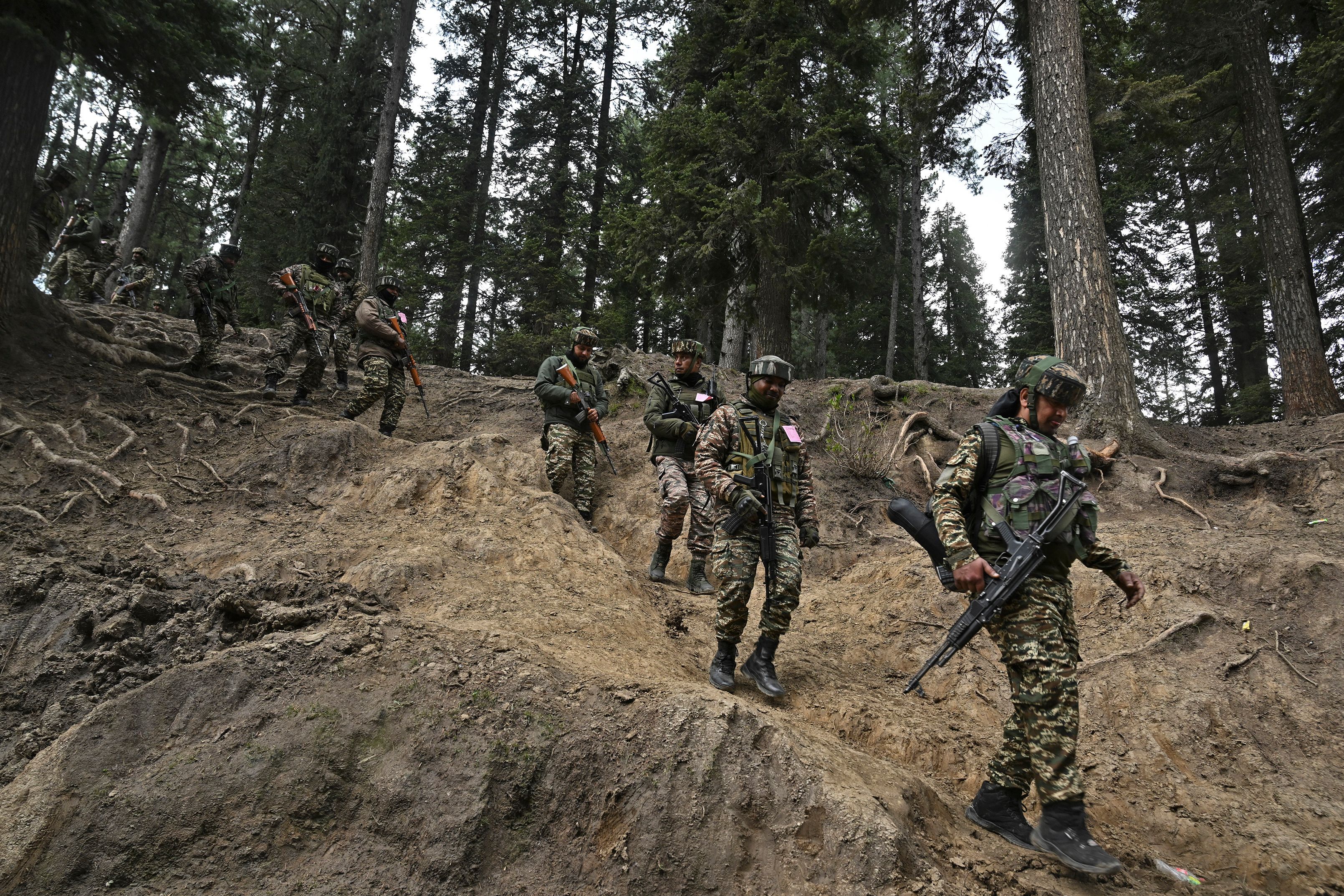
On May 7, 2025, between 1:05 and 1:30 a.m. (IST), airstrikes carried out by the Indian Air Force hit nine locations inside Pakistan and Pakistan occupied Kashmir (PoK). It was codenamed Operation Sindoor.

Rudra Chaudhuri
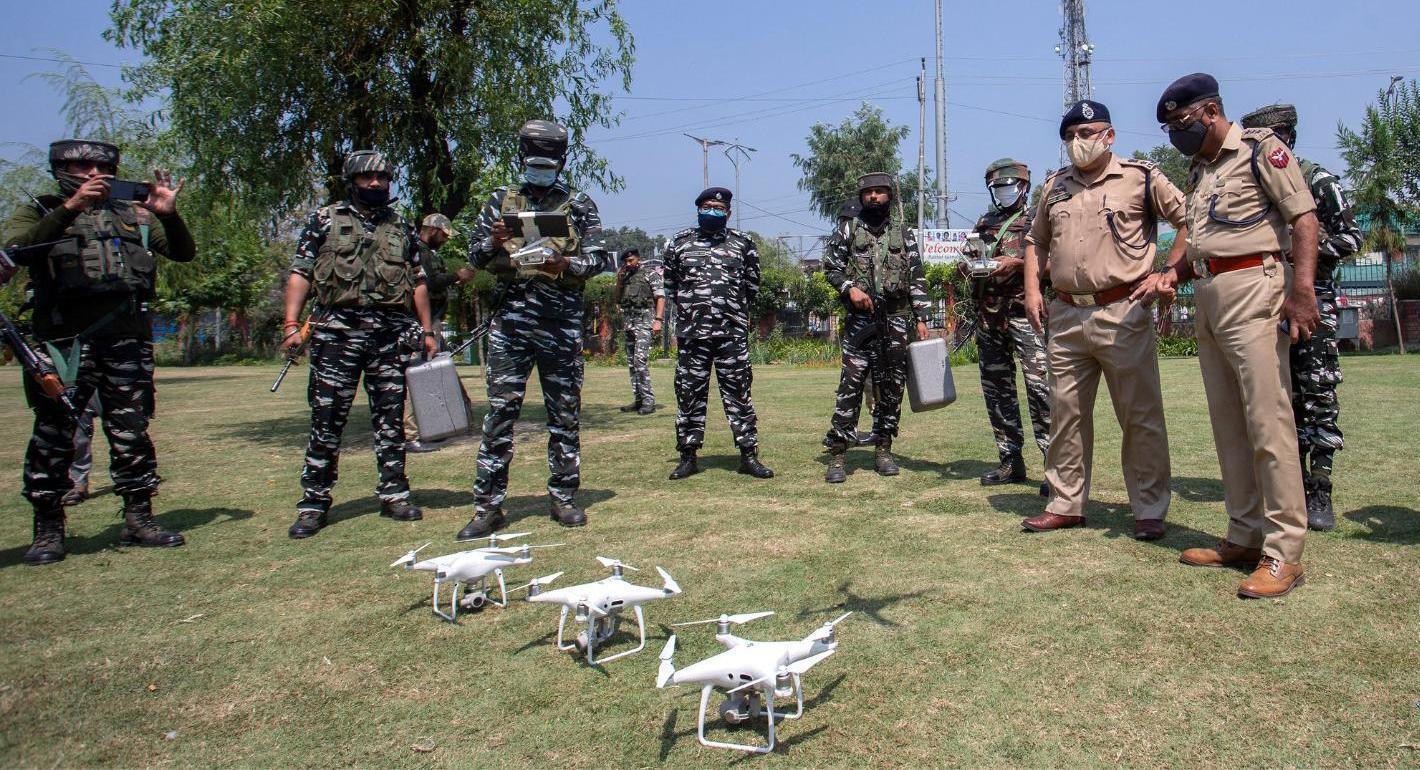
Over the last three years, drone intrusions along the India-Pakistan International Border have increased. This commentary describes the nature of this new threat and outlines countermeasures deployed by the Indian security establishment so far.
Surya Valliappan Krishna, Ashima Singh
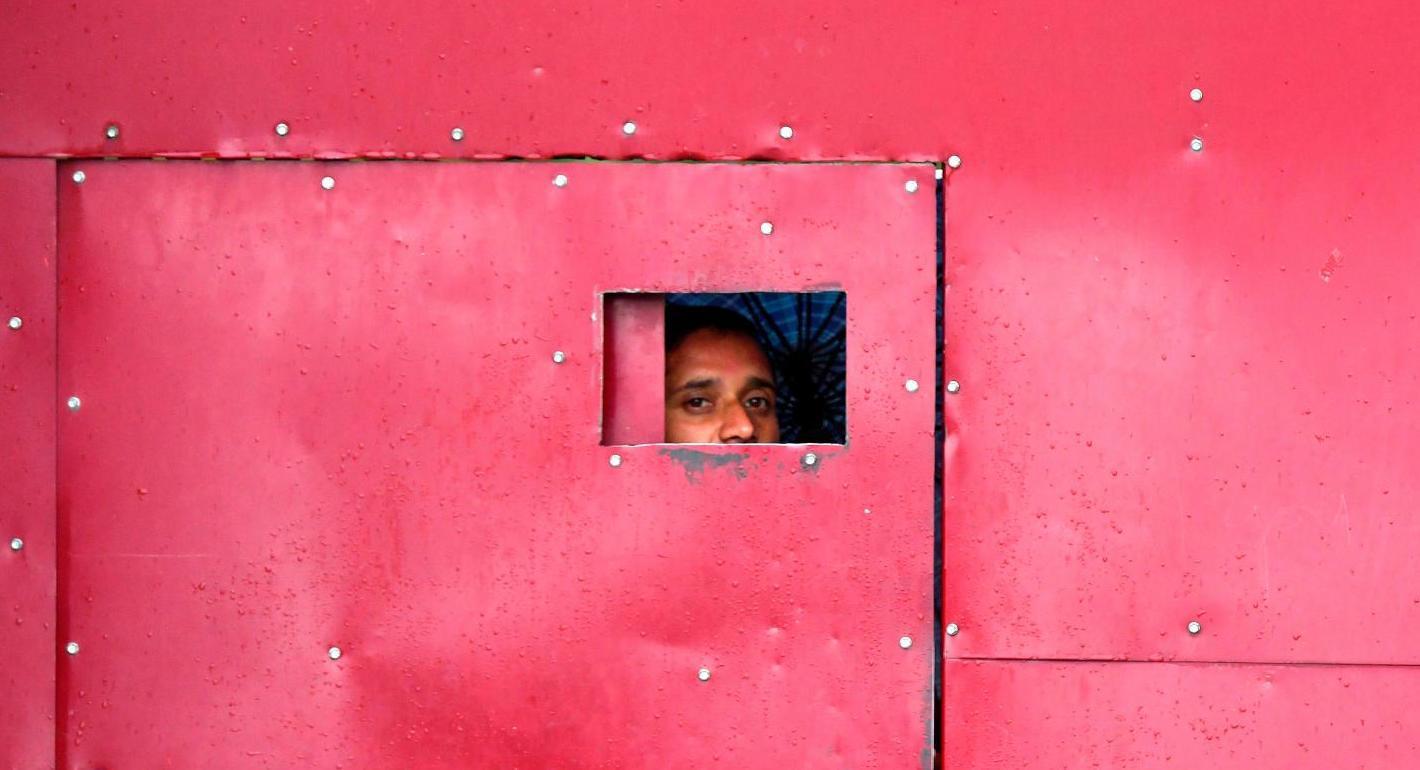
The violence on the Line of Control (LoC) and the International Border (IB) has significantly harmed the mental health of the border communities over the past two decades. Given this, the current interval of peace should be utilized to develop and shore up the mental health resources in the border areas.
Surya Valliappan Krishna, Saheb Singh Chadha
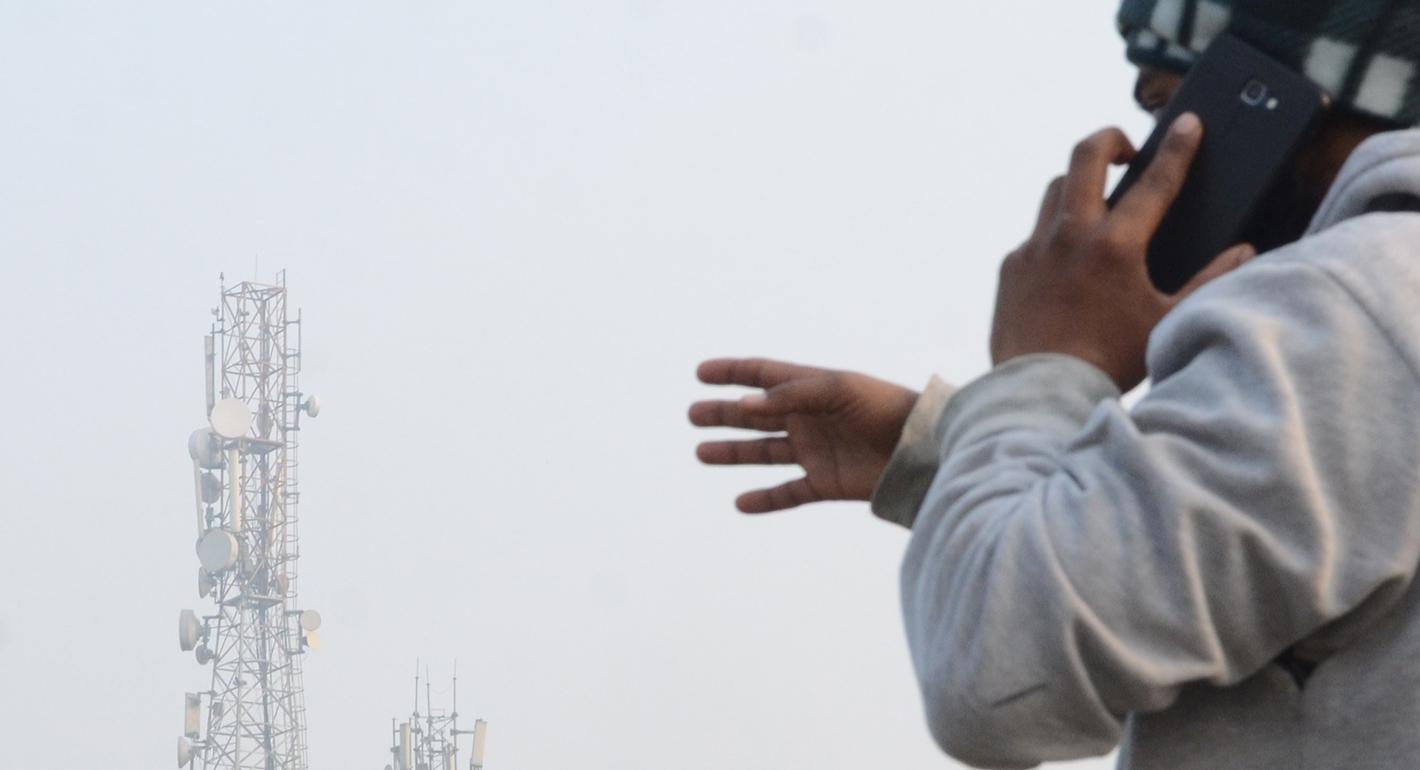
In a major boost to the lives and livelihoods of border communities, the Department of Telecommunications, Government of India recently removed restrictions on telecom connectivity. For those living along the Line of Control, this means better access to healthcare, educational resources and economic opportunity.
Surya Valliappan Krishna