

Commentary
Maria Lipman
{
  "authors": [
    "Maria Lipman"
  ],
  "type": "legacyinthemedia",
  "centerAffiliationAll": "",
  "centers": [
    "Carnegie Endowment for International Peace",
    "Carnegie Russia Eurasia Center"
  ],
  "collections": [],
  "englishNewsletterAll": "",
  "nonEnglishNewsletterAll": "",
  "primaryCenter": "Carnegie Russia Eurasia Center",
  "programAffiliation": "",
  "programs": [],
  "projects": [],
  "regions": [
    "Caucasus",
    "Russia"
  ],
  "topics": []
}
REQUIRED IMAGE
Source: Carnegie
'Chechenization' Is Failing
By Masha Lipman
Originally published in The Washington Post, May 11, 2004.
MOSCOW -- Russia's "Chechenization" project is a shambles. The effort to turn over pacification of the rebellious region of Chechnya to indigenous leadership was blown apart Sunday by a bomb that killed Akhmad Kadyrov, the head of the pro-Moscow government installed in Grozny. Now the Kremlin is left without anyone it can rely on as a successor, and with no strategy for managing the Chechen crisis. Kadyrov and reportedly 23 others were killed by a bomb that went off under a stadium grandstand where he was viewing a Victory Day parade celebrating the defeat of Nazi Germany 59 years ago.
The policy of Chechenization was launched by the Kremlin to end the vicious circle that the second Chechen war had become: one guerrilla attack after another, followed by atrocious punitive operations by Russian federal troops. The Kremlin opted for this new policy because, as in any occupation, the government realized that winning the hearts and minds of the occupied people was an urgent task. But it also seems likely that the Kremlin officials in charge of the crisis were driven by a desire just to put somebody else in charge and get the responsibility off their own backs.
In September the Kremlin organized a presidential election in Chechnya. Unlike the Palestinians, to whom independence from Israel is a starting point in their demands, people in Chechnya and leading figures in the large Chechen diaspora in Moscow were not averse to the idea of a Moscow-backed government with a reasonable degree of autonomy. Several serious contenders, all with political or business ties in Russia, were willing to participate in the election. According to an independent poll, some were far more popular than the "incumbent" Kadyrov, appointed earlier by Moscow as its deputy in Chechnya.
Indeed, it seemed there was a possibility of building a pro-Moscow coalition and creating some trust among the Chechen people. If backed by a consistent humanitarian policy -- reduction of atrocities by the federal troops and provision of good care for Chechen refugees in Russian territory -- Chechenization might just have a chance.
But Russian President Vladimir Putin's administration is not about political subtlety. His style of government, described as relying on "a vertical of power," is all about control and subordination. The Kremlin set about to help Kadyrov get rid of all serious opposition and ensure his election. The one-man-in-charge system appeared more convenient to Putin's Kremlin -- and similar to the way the Russian political system has evolved over the past four years. But while one-man government in Moscow has turned Russia into a sort of soft authoritarian state, the one-man regime in Chechnya meant dictatorship. Kadyrov demanded more authority from the Kremlin, and the Kremlin granted it, however reluctantly. He established a violent and cruel regime and was feared and hated by many in Chechnya. He purged his inner circle of potential rivals and put his son in charge of an armed force called the Chechen police, thus strengthening the clannish nature of the Chechen government.
Kadyrov's undisciplined and violent army harassed, kidnapped and tortured fellow Chechens suspected of collaboration with the fighters or those simply deemed disloyal. And while Kadyrov waged war against the Chechen fighters, his allies in the federal Russian forces were deeply distrustful of his armed men, and not without reason. Kadyrov had scores of enemies; several attempts had been made on his life.
With Kadyrov gone, Russia faces the consequences of its oversimplified approach (a problem not unlike that facing U.S. leaders as they seek to cope with Iraq). To drop the strategy of Chechenization and go back to a Moscow-appointed leader would mean to admit the failure of a policy that Putin himself fiercely defended against any criticism. Russia cannot resort to talks with the fighters because Putin has repeatedly ruled out such a step.
Because Kadyrov didn't tolerate anyone with strength or ambition around him, there is no replacement in the chain of command for the Kremlin to put in power. Moreover, any successor will have to face the reality that Kadyrov's power structure was largely based on his clan and the armed men led by his violent son.
Over the past decade, the Chechen conflict has cost Russia many thousands of lives, dehumanization of the military, increasing ethnic hatred and uncountable budget expenses. In recent years attacks by Chechen terrorists have killed hundreds of people in Moscow and other Russian cities. It will take a while before the Kremlin settles on a new policy and finds the right people to carry it out. But there is little hope that the new attempt will be more subtle and sensitive than those of previous years.
Masha Lipman, editor of the Carnegie Moscow Center's Pro et Contra Journal, writes a monthly column for The Post.
Former Scholar in Residence, Society and Regions Program, Editor in Chief, Pro et Contra, Moscow Center
Lipman was the editor in chief of the Pro et Contra journal, published by the Carnegie Moscow Center. She was also the expert of the Carnegie Moscow Center’s Society and Regions Program.
Recent Work
Maria Lipman
Maria Lipman

This piece argues that India’s central challenge is not managing a single flashpoint but resolving the underlying tension between expansion and institutional coherency of the BRICS grouping.

Vrinda Sahai
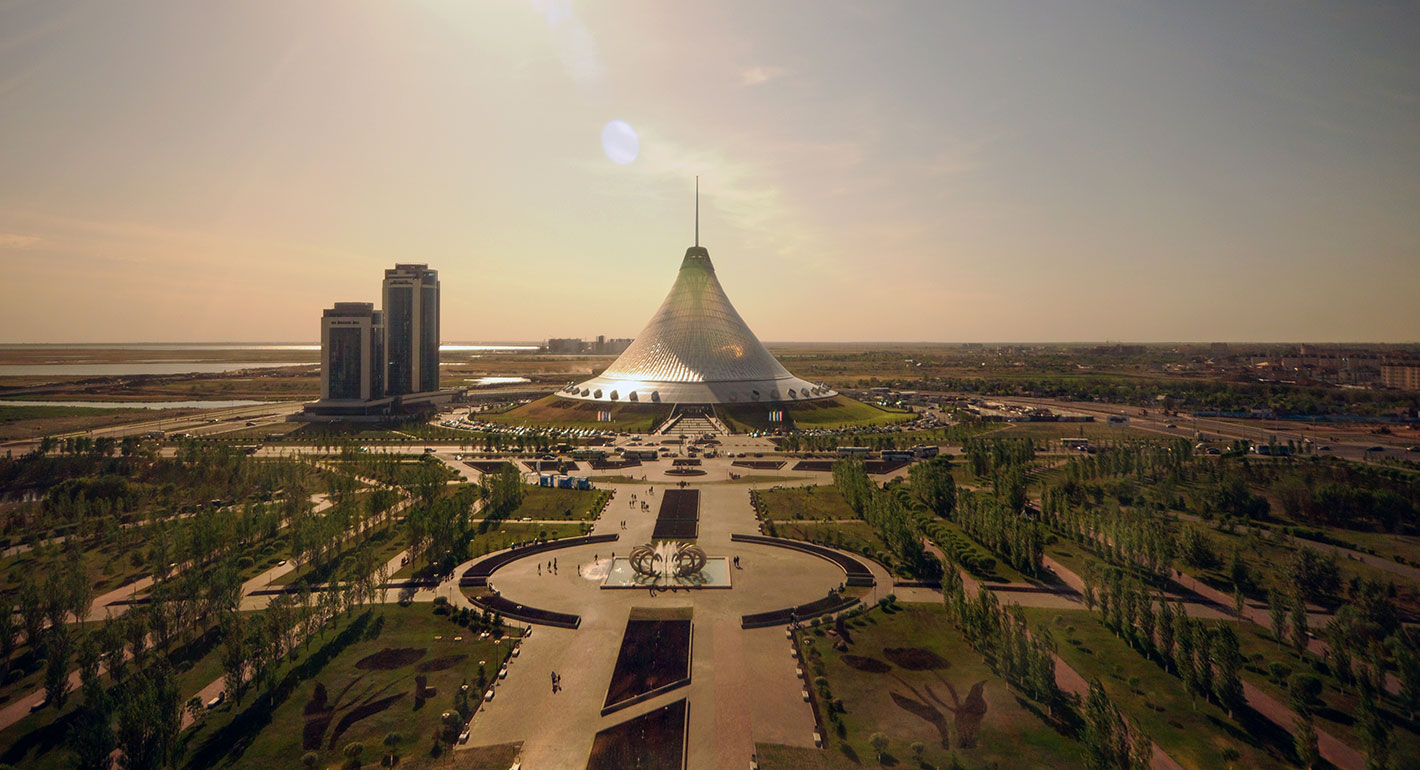
With contributors from various Central Asian nations and beyond, this issue of Seminar provides a selection of perspectives about the past, present, and future trajectory of Central Asia, and the growing role of external actors, particularly India, China, Russia, and the EU in this evolving and dynamic space.
Rhea Menon, Sharanya Rajiv, 64592
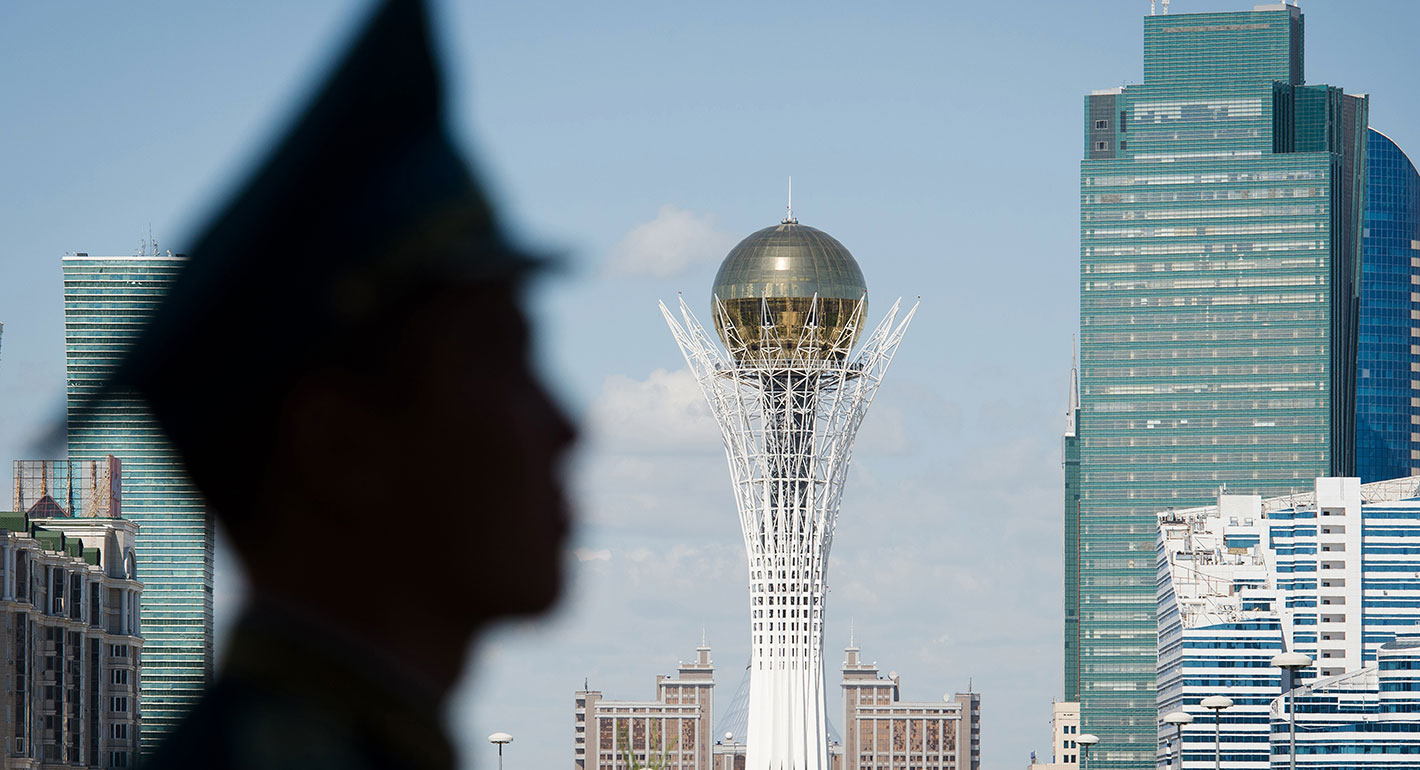
The rise of China as an economic powerhouse in Asia, along with rapid globalization, has brought Central Asia back in the limelight as a bridge connecting the established markets of the West with the emerging markets of the East.
Rhea Menon, Sharanya Rajiv
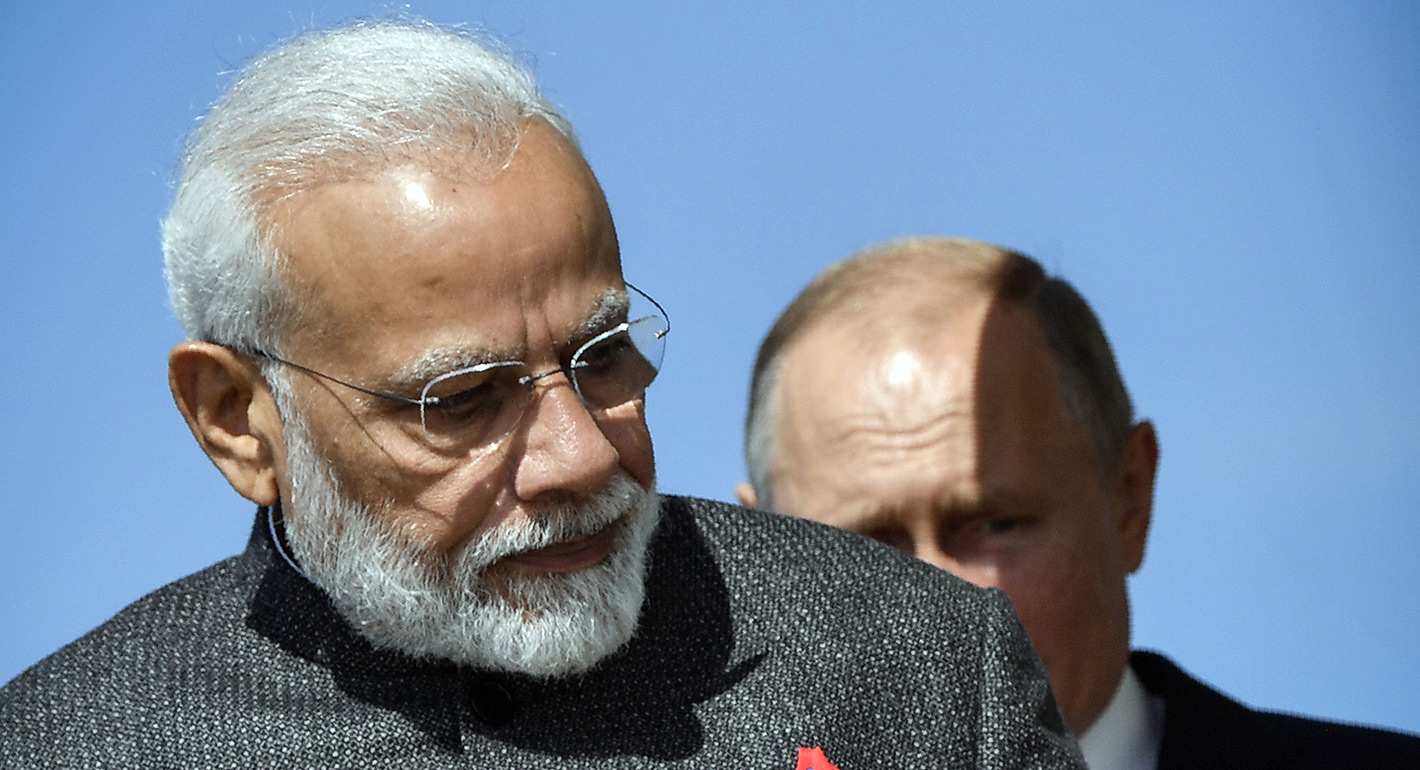
The special and privileged strategic partnership between India and Russia now spans across both Eurasia and the Indo-Pacific.
Sharanya Rajiv, 64592
The rejigging of the political relations between the United States, China, and Russia might present New Delhi with fleeting strategic opportunities that need to be seized quickly.
C. Raja Mohan