

In The Media
John Judis
{
  "authors": [
    "John Judis"
  ],
  "type": "legacyinthemedia",
  "centerAffiliationAll": "",
  "centers": [
    "Carnegie Endowment for International Peace"
  ],
  "collections": [],
  "englishNewsletterAll": "",
  "nonEnglishNewsletterAll": "",
  "primaryCenter": "Carnegie Endowment for International Peace",
  "programAffiliation": "",
  "programs": [],
  "projects": [],
  "regions": [
    "North America",
    "United States",
    "East Asia",
    "China"
  ],
  "topics": [
    "Economy",
    "Trade"
  ]
}
REQUIRED IMAGE
Ever since its founding in January 1995, the World Trade Organization has been the focus of global protest. While its defenders claim that it is intended to spread the world's wealth through lower tariffs, its detractors insist it is a tool of the United States and other wealthy nations, serving to widen the gap between the world's rich and poor.
Source: The New Republic
Ever since its founding in January 1995, the World Trade Organization has been the focus of global protest. While its defenders claim that it is intended to spread the world's wealth through lower tariffs, its detractors insist it is a tool of the United States and other wealthy nations, serving to widen the gap between the world's rich and poor.
The Doha Round of WTO negotiations--launched in Doha, Qatar in November 2001--was supposed to answer the organization's critics, who had two years before dominated the meetings in Seattle. Doha was called a "development" round because, in the words of its ministerial declaration, it was supposed to "strengthen substantially assistance to developing countries." Its purpose was also informed by the 9-11 terrorist attacks. By aiding the "least developed countries," the Doha negotiations were intended to prevent the emergence of "failed states" that could provide a haven for international terrorists.
The negotiations, however, have produced little except acrimony. They were supposed to result in an agreement by December 2005, but the deadline has now been pushed back to April 30. And if the lack of results at a London meeting of top WTO trade negotiators last weekend are any indication, the WTO is unlikely to make that deadline either.
That may not be such a bad thing. According to "Winners and Losers," a new study by Sandra Polaski, a colleague of mine at the Carnegie Endowment for International Peace, a glaring contradiction exists between what the negotiators claim their proposals will accomplish and what they would actually do. While the talks were officially aimed at benefiting poorer nations, the proposals being put forth would increase the gap between rich and poor. They wouldn't answer the WTO's critics, but would help make their case against the embattled institution.
To read the full text of the article and discussion in The New Republic, click here.

Former Visiting Scholar
As a visiting scholar at Carnegie, Judis wrote The Folly of Empire: What George W. Bush Could Learn from Theodore Roosevelt and Woodrow Wilson.
Recent Work
John Judis
John Judis
Carnegie India does not take institutional positions on public policy issues; the views represented herein are those of the author(s) and do not necessarily reflect the views of Carnegie, its staff, or its trustees.

This piece argues that India’s central challenge is not managing a single flashpoint but resolving the underlying tension between expansion and institutional coherency of the BRICS grouping.

Vrinda Sahai

The U.S.–India semiconductor cooperation story is well-stocked with top-level strategic intent. What remains unresolved, however, are some underlying challenges that will determine whether the cooperation actually functions. Three such friction points stand out.

Shruti Mittal
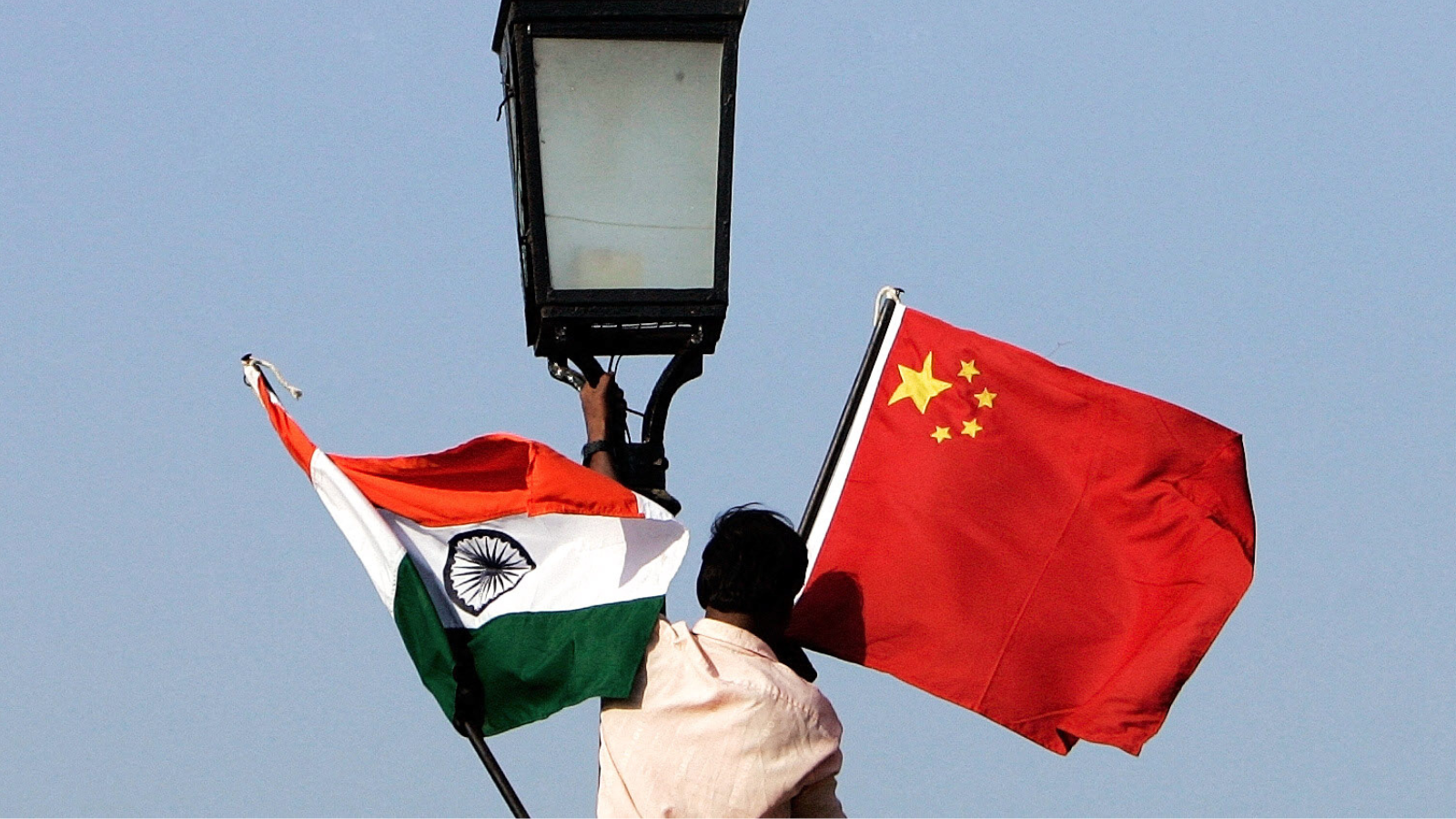
On March 10, 2026, India’s Union Cabinet approved amendments to Press Note 3, a regulation that mandated government approval on all foreign direct investment (FDI) from countries sharing a land border with India. This amendment raises questions primarily about whether its stated benefits will materialize and if the risks have been adequately weighed. This piece will address the same.

Konark Bhandari
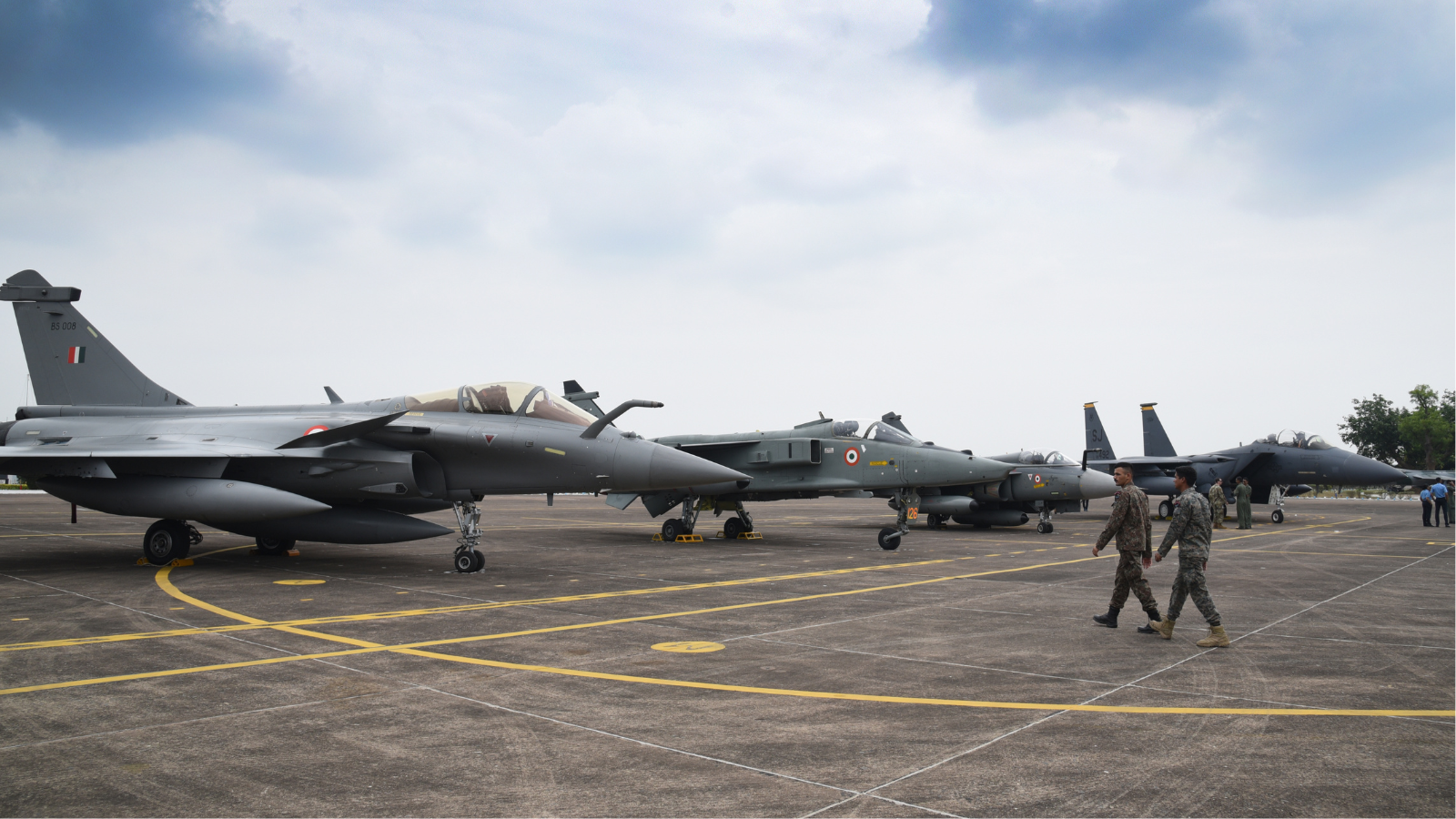
India and the United States are close to concluding a Reciprocal Defense Procurement Agreement (RDPA) that will allow firms from the two countries to sell to each other’s defense establishments more easily. While this may not remedy the specific grievances both sides may have regarding larger bilateral issues, an RDPA could restore some momentum, following the trade deal announcement.
Konark Bhandari

On the last day of the India AI Impact Summit, India signed Pax Silica, a U.S.-led declaration seemingly focused on semiconductors. While India’s accession to the same was not entirely unforeseen, becoming a signatory nation this quickly was not on the cards either.
Konark Bhandari