

Commentary
How is AI reshaping space security, creating governance challenges, and where does international diplomacy stand today?
Tejas Bharadwaj, Almudena Azcárate Ortega
{
  "authors": [],
  "type": "pressRelease",
  "centerAffiliationAll": "dc",
  "centers": [
    "Carnegie Endowment for International Peace"
  ],
  "collections": [
    "U.S. Nuclear Policy"
  ],
  "englishNewsletterAll": "ctw",
  "nonEnglishNewsletterAll": "",
  "primaryCenter": "Carnegie Endowment for International Peace",
  "programAffiliation": "NPP",
  "programs": [
    "Nuclear Policy"
  ],
  "projects": [],
  "regions": [
    "North America",
    "United States",
    "Middle East",
    "Iran",
    "United Kingdom"
  ],
  "topics": [
    "Nuclear Policy",
    "Nuclear Energy"
  ]
}
REQUIRED IMAGE
FOR IMMEDIATE RELEASE: May 31, 2006
CONTACT: Jennifer Linker, +1 202/939-2372, jlinker@CarnegieEndowment.org
Welcoming this morning’s statement on Iran by Secretary Rice, Carnegie President Jessica Tuchman Mathews said:
“This is an important step, which should be welcomed by the entire world, including Iran. The new policy advances both U.S. and global security interests by responding in a calm and sensible way to Iran's invitation to dialogue. A negotiated solution is the way forward and the Iranians must stop their enrichment and reprocessing activities for talks to proceed. It makes no sense to talk while they build. Now the onus is on the Iranian regime to respond in a similarly constructive manner.”
For related analysis and commentary from the Carnegie Endowment go to www.CarnegieEndowment.org
• “Speaking to Tehran, With One Voice,” Jessica Mathews
• “Russia and the Iranian Nuclear Crisis,” Alexei Arbatov
• “The Russia Card,” Rose Gottemoeller
• “Israel Urges U.S. Diplomacy on Iran,” Ze'ev Schiff
• “Bush Should Engage Iranian President in Dialogue, Not Back Away,” George Perkovich
• “Is the Nuclear Non-proliferation Regime in Crisis?,” Pierre Goldschmidt
• “Options Available to the United States to Counter a Nuclear Iran,” George Perkovich
For commentary on the Iranian nuclear crisis from Carnegie experts based in Washington, DC, or Moscow please contact:
Peter Reid
Vice President for Communications (Washington)
Tel: +1 202 939 2319
preid@CarnegieEndowment.org
Jennifer Linker
Communications Manager (Washington)
Tel: +1 202 939 2372
jlinker@CarnegieEndowment.org
Natalia Bubnova
Deputy Director of Communications (Moscow)
Tel: + 7 495 935-8904 (ext. 230)
Natalia.Bubnova@carnegie.ru
###
Carnegie India does not take institutional positions on public policy issues; the views represented herein are those of the author(s) and do not necessarily reflect the views of Carnegie, its staff, or its trustees.

How is AI reshaping space security, creating governance challenges, and where does international diplomacy stand today?


Tejas Bharadwaj, Almudena Azcárate Ortega

The U.S.–India semiconductor cooperation story is well-stocked with top-level strategic intent. What remains unresolved, however, are some underlying challenges that will determine whether the cooperation actually functions. Three such friction points stand out.

Shruti Mittal
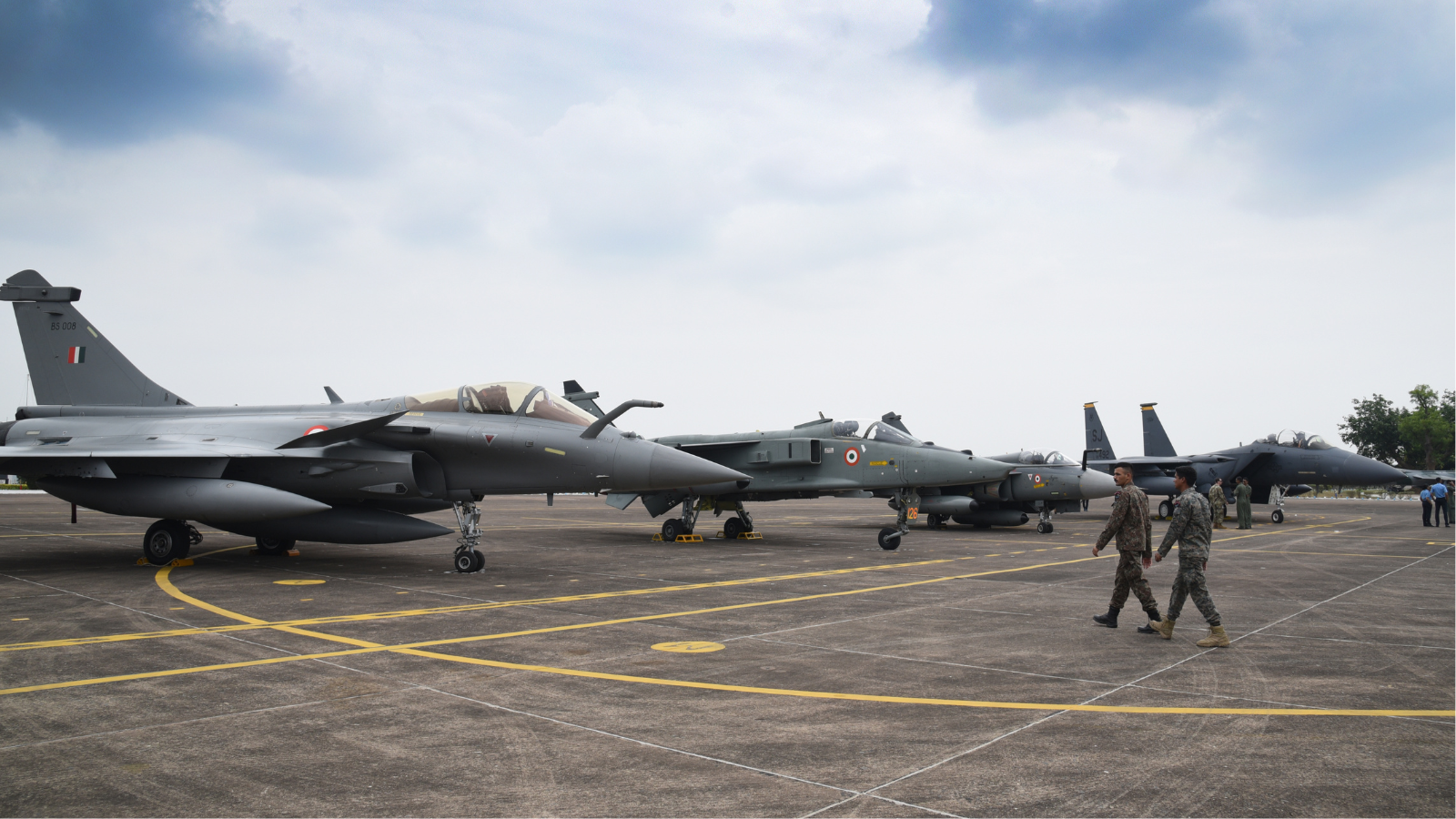
India and the United States are close to concluding a Reciprocal Defense Procurement Agreement (RDPA) that will allow firms from the two countries to sell to each other’s defense establishments more easily. While this may not remedy the specific grievances both sides may have regarding larger bilateral issues, an RDPA could restore some momentum, following the trade deal announcement.

Konark Bhandari
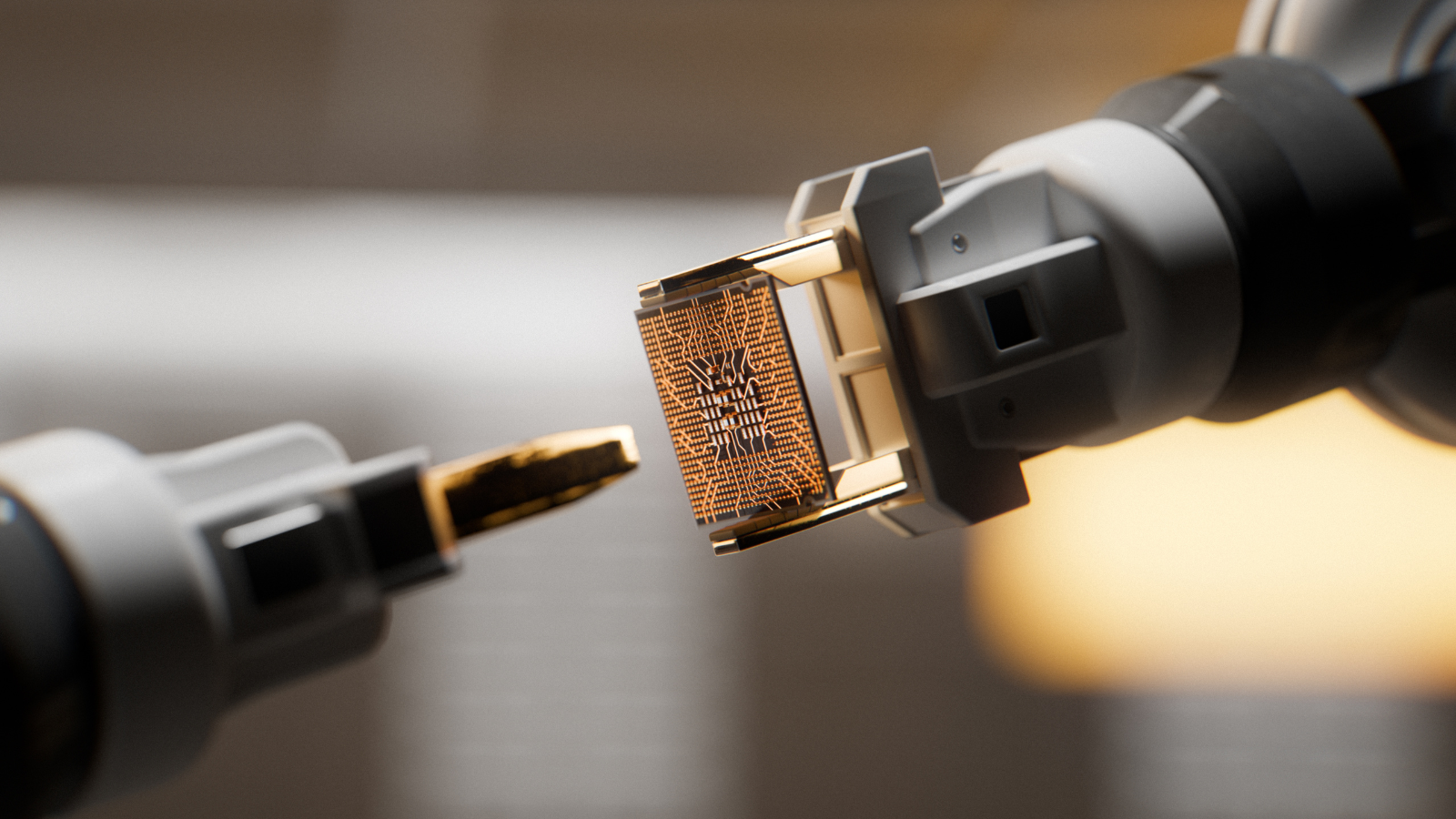
On the last day of the India AI Impact Summit, India signed Pax Silica, a U.S.-led declaration seemingly focused on semiconductors. While India’s accession to the same was not entirely unforeseen, becoming a signatory nation this quickly was not on the cards either.
Konark Bhandari

This piece examines India’s response to U.S. sanctions and tariffs, specifically assessing the immediate market consequences, such as alterations in import costs, and the broader strategic implications for India’s energy security and foreign policy orientation.

Vrinda Sahai