

Article
This piece argues that India’s central challenge is not managing a single flashpoint but resolving the underlying tension between expansion and institutional coherency of the BRICS grouping.
Vrinda Sahai
{
  "authors": [],
  "type": "pressRelease",
  "centerAffiliationAll": "dc",
  "centers": [
    "Carnegie Endowment for International Peace"
  ],
  "collections": [],
  "englishNewsletterAll": "ctw",
  "nonEnglishNewsletterAll": "",
  "primaryCenter": "Carnegie Endowment for International Peace",
  "programAffiliation": "russia",
  "programs": [
    "Russia and Eurasia"
  ],
  "projects": [],
  "regions": [
    "Caucasus",
    "Russia"
  ],
  "topics": []
}
REQUIRED IMAGE
The Carnegie Endowment for International Peace today announced the appointment of Ambassador James Franklin Collins as Director and Senior Associate of its Russian and Eurasian Program, and Diplomat in Residence.
The Carnegie Endowment for International Peace today announced the appointment of Ambassador James Franklin Collins as Director and Senior Associate of its Russian and Eurasian Program, and Diplomat in Residence.
One of America’s leading authorities on Russia, Eastern Europe and Eurasia, Ambassador Collins served from 1997 to 2001 as U.S. Ambassador to the Russian Federation.
Welcoming the appointment, Carnegie President, Jessica T. Mathews, said:
“Jim Collins is a seasoned diplomat who brings deep policy expertise and vast experience on Russia, Ukraine, and the entire Eurasian region. As a practitioner, he has been a leader at building international understanding from the summit level to the grassroots in a manner that fits squarely with the Carnegie Endowment's vision of a truly international think tank. I am delighted that he has agreed to join the Carnegie Endowment as we launch that new vision.”
Mark Medish, Vice President for Studies, Russia, China, and Eurasia, added:
"Ambassador Collins’ long and successful career has set the gold standard for diplomatic service. He will lead Carnegie’s studies on Russia, Ukraine and Eurasia to new heights.”
Rose Gottemoeller, Director of the Moscow Carnegie Center, said:
“We, in Moscow, are delighted that we will have the chance to work with Jim Collins. His enormous experience in creating a framework for U.S.-Russian cooperation after the Cold War will be of great value as we move to advance that agenda today.”
Notes:
1. Ambassador James F. Collins: Resume
A retired career member of the Senior Foreign Service, Ambassador Collins enjoyed a distinguished diplomatic career focused on the former Soviet Union and its successor states and on the Middle East. Before his appointment as Ambassador to Russia, he served as Ambassador-at-Large and Special Advisor to the Secretary of State for the New Independent States in the mid 1990s and as deputy chief of mission and charge d'affaires at the American Embassy, Moscow from 1990 to 1993, at the time of the disintegration of the USSR. In addition to three diplomatic postings in Moscow, he also held positions in the American Embassy in Amman, Jordan, and the Consulate General in Izmir, Turkey.
In Washington Ambassador Collins’ postings at the Department of State included assignments as Deputy Executive Secretary for Europe and Latin America; Director of the Department of State's Operations Center; and policy positions in the Bureaus of European and Canadian Affairs, Near East and South Asian Affairs, and Intelligence and Research. From 1987 to 1988, he was at the White House as Director for Intelligence Policy on the staff of the National Security Council.
Ambassador Collins has been recognized broadly within and outside government for his contributions over the years. He is the recipient of the Secretary of State's Award for Distinguished Service; the Department of State's Distinguished Honor Award; the Secretary of State’s Award for Career Achievement; the Department of Defense Medal for Distinguished Public Service; the NASA Medal for Distinguished Service; as well as several meritorious and superior honor awards from the Department of State.
He was awarded honorary degrees from Indiana University; University College, University of Maryland; the Russian Academy of Sciences; and Nizhniy Novgorod State Linguistics University. He is also an honorary professor at Moscow State University, and was designated “Friend of the Chamber” by the American Chamber of Commerce in Moscow in 1998.
Since retiring from the Foreign Service in 2001, Ambassador Collins has been Senior Advisor at the law firm Akin Gump Strauss Hauer & Feld., and he has been active on the boards of non-profit organizations concerned with U.S. foreign policy and U.S. relations with Russia, East Europe and Eurasia. He has served as a member of the board of the U.S. -Russia Business Council, the American Academy of Diplomacy, the Open World Leadership Center, and American Councils for International Education. He is also a member of the advisory board of the Civilian Research and Development Foundation and the Library of Foreign Literature in Moscow.
Before joining the State Department, Ambassador Collins taught Russian and European history, American government and economics at the U.S. Naval Academy. He received his A.B. cum laude from Harvard University in 1961 and his M.A. in history from Indiana University in 1964. He conducted research at Moscow University in 1965 as an exchange fellow and at the British Museum in London in 1966 as an Indiana University fellow.
Ambassador Collins is married to Dr. Naomi F. Collins, a writer, scholar, and non-profit leader, who has served as Executive Director of the Maryland Humanities Council, an affiliate of the national Endowment for the Humanities, and as Executive Director of NAFSA: Association of International Educators, headquartered in Washington. They have two grown sons Robert and Jonathan.
2. For more information on Carnegie’s Russian and Eurasian program, go to: www.carnegieendowment.org/Russia
3. To sign-up for the Russian and Eurasian Program E-Newsletter, a monthly update of reports, publications, and events from the Carnegie Moscow Center and Russian and Eurasian Program, go to: www.carnegieendowment.org/resources/index.cfm?fa=newsletters.
4. Carnegie Moscow Center website, www.carnegie.ru, in Russian and English, was named by the National Journal as one of the ten best internet resources Russian information, an invaluable source of information on Russia and the former Soviet Union.
5. Press contact: Trent Perrotto, (tel) 202/939-2372, tperrotto@ceip.org
###

This piece argues that India’s central challenge is not managing a single flashpoint but resolving the underlying tension between expansion and institutional coherency of the BRICS grouping.

Vrinda Sahai
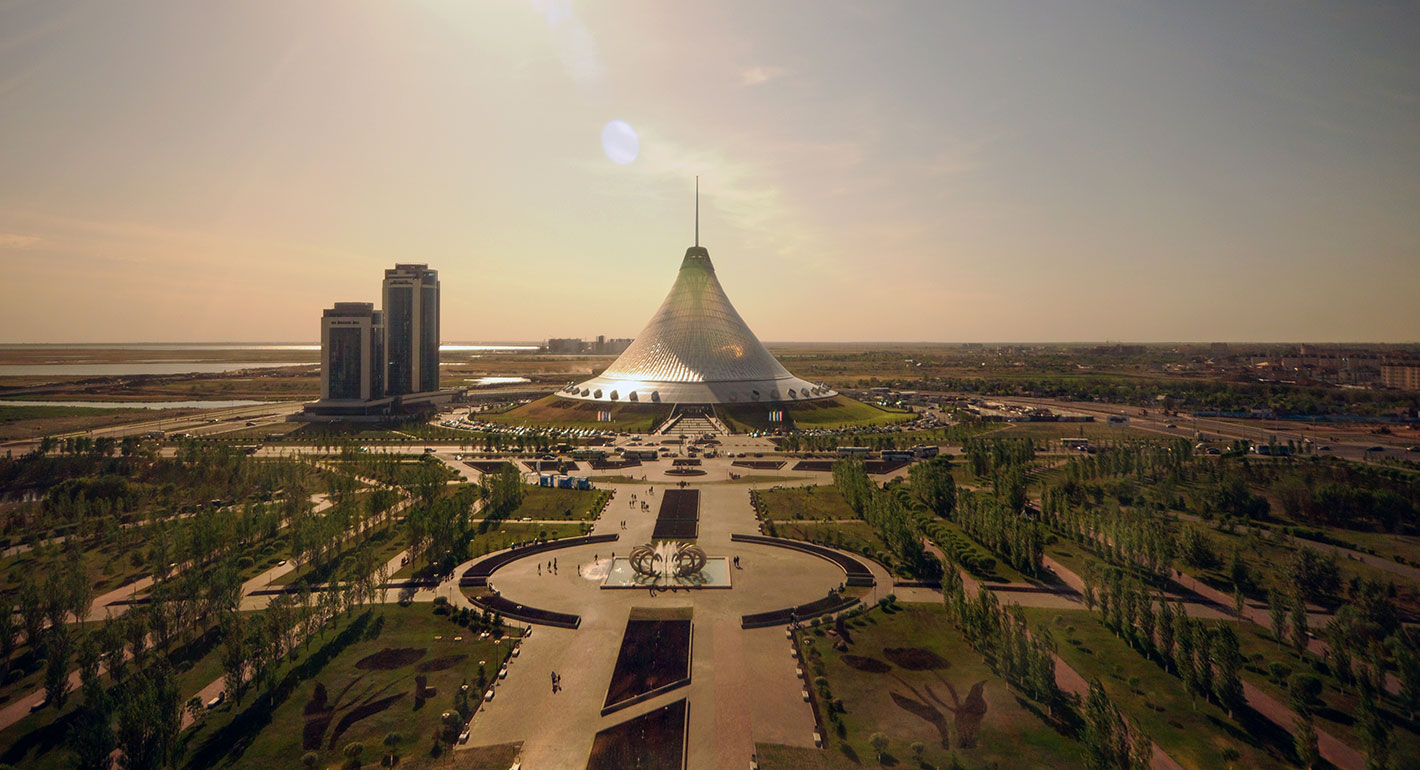
With contributors from various Central Asian nations and beyond, this issue of Seminar provides a selection of perspectives about the past, present, and future trajectory of Central Asia, and the growing role of external actors, particularly India, China, Russia, and the EU in this evolving and dynamic space.
Rhea Menon, Sharanya Rajiv, 64592
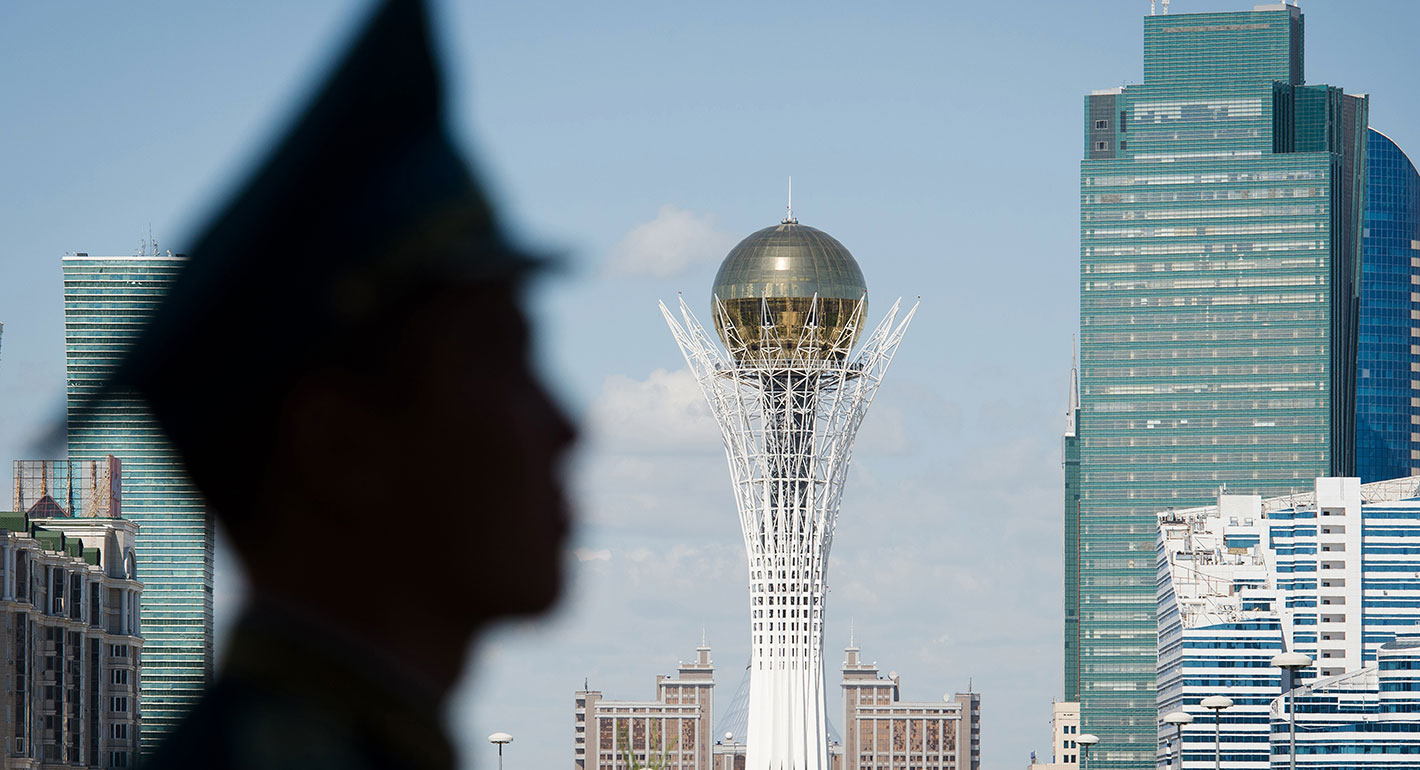
The rise of China as an economic powerhouse in Asia, along with rapid globalization, has brought Central Asia back in the limelight as a bridge connecting the established markets of the West with the emerging markets of the East.
Rhea Menon, Sharanya Rajiv
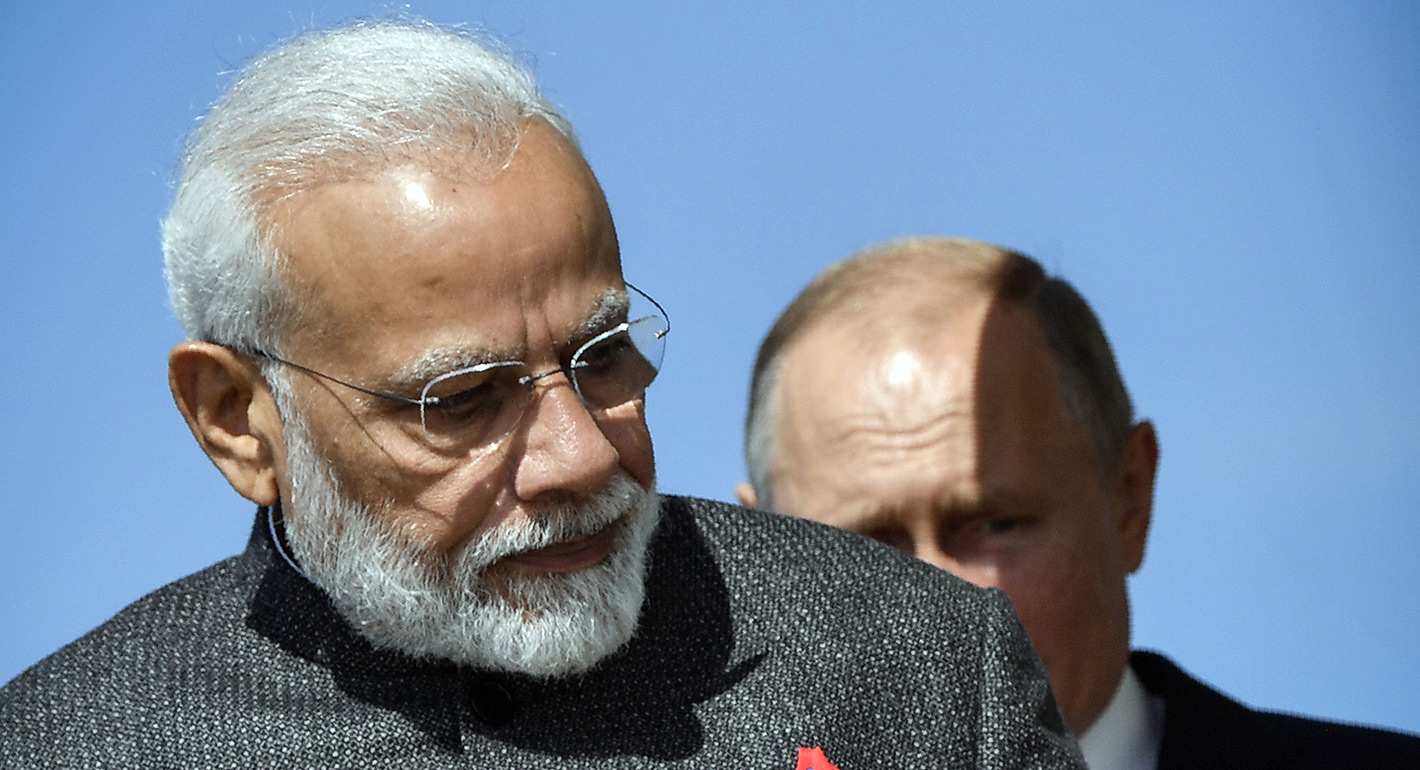
The special and privileged strategic partnership between India and Russia now spans across both Eurasia and the Indo-Pacific.
Sharanya Rajiv, 64592
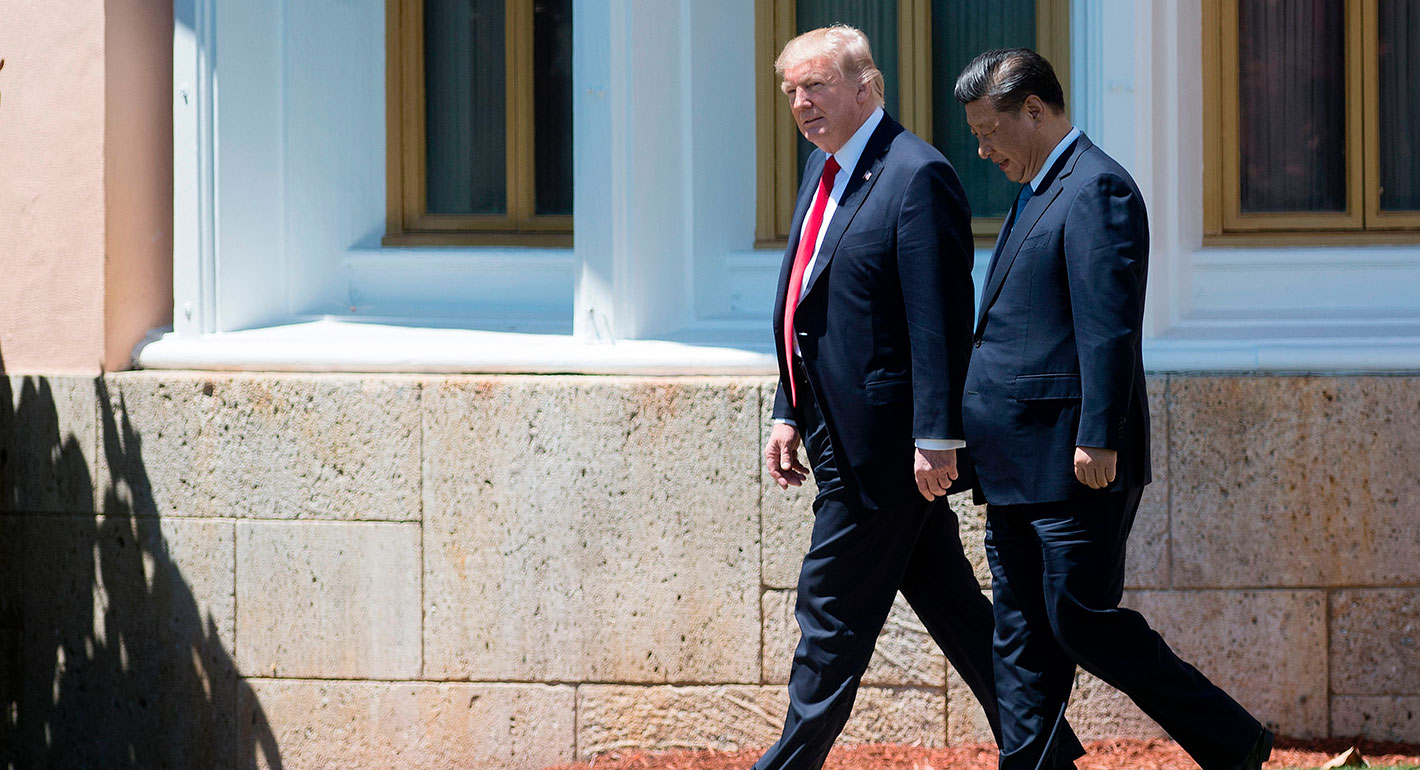
The rejigging of the political relations between the United States, China, and Russia might present New Delhi with fleeting strategic opportunities that need to be seized quickly.
C. Raja Mohan