

Article
This piece argues that India’s central challenge is not managing a single flashpoint but resolving the underlying tension between expansion and institutional coherency of the BRICS grouping.
Vrinda Sahai
{
  "authors": [],
  "type": "pressRelease",
  "centerAffiliationAll": "dc",
  "centers": [
    "Carnegie Endowment for International Peace"
  ],
  "collections": [],
  "englishNewsletterAll": "ctw",
  "nonEnglishNewsletterAll": "",
  "primaryCenter": "Carnegie Endowment for International Peace",
  "programAffiliation": "russia",
  "programs": [
    "Russia and Eurasia"
  ],
  "projects": [],
  "regions": [
    "Caucasus",
    "Russia"
  ],
  "topics": []
}
REQUIRED IMAGE
— NEWS RELEASE —
WASHINGTON, Sept 18—Valery Tishkov, former Russian Minister for Nationalities and current director of the Institute of Ethnology and Anthropology at the Russian Academy of Sciences, has joined the Carnegie Endowment for International Peace as a visiting scholar with the Carnegie Russia and Eurasia Program, the Endowment announced today.
Welcoming the announcement, Ambassador James F. Collins, director of the Russia and Eurasia Program, said, “We are delighted to be expanding the collaboration between Valery Tishkov and the Carnegie Endowment that began at our Moscow Center and continues here in Washington, D.C. Dr. Tishkov, a distinguished expert on nationalism and ethnic identity in Russia, has made major contributions to understanding questions of political culture and ethnicity in Russia. His work with Carnegie will provide unique and valuable insights for the policy and scholarly communities in Washington and internationally.”
Tishkov, an expert on Russia ethnic and civic identity, previously served on the advisory board for the United Nations High Commissioner for Refugees, was a member of the Russian State Committee on Migration Policy, and chairman of the State Committee for Nationality Affairs in the Russian government.
###
Notes:

This piece argues that India’s central challenge is not managing a single flashpoint but resolving the underlying tension between expansion and institutional coherency of the BRICS grouping.

Vrinda Sahai
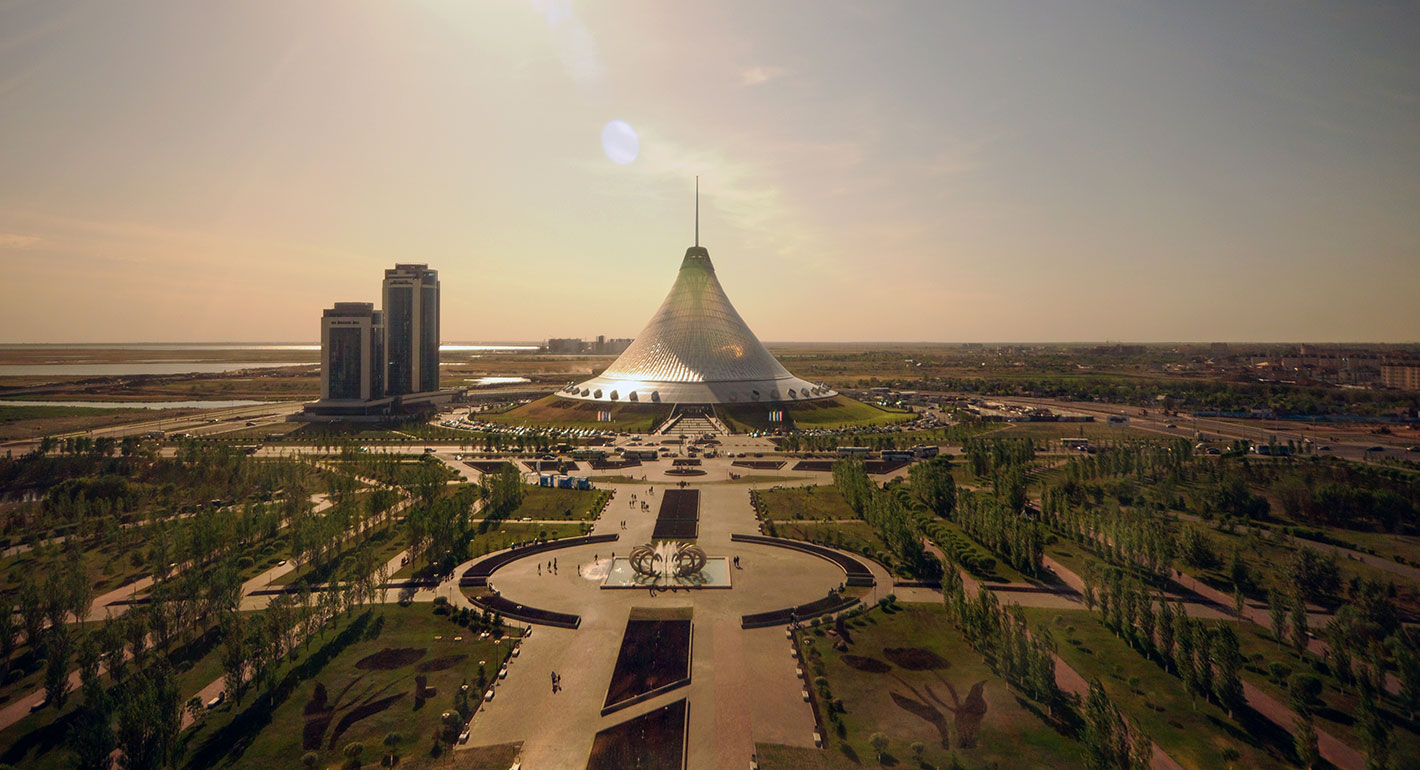
With contributors from various Central Asian nations and beyond, this issue of Seminar provides a selection of perspectives about the past, present, and future trajectory of Central Asia, and the growing role of external actors, particularly India, China, Russia, and the EU in this evolving and dynamic space.
Rhea Menon, Sharanya Rajiv, 64592
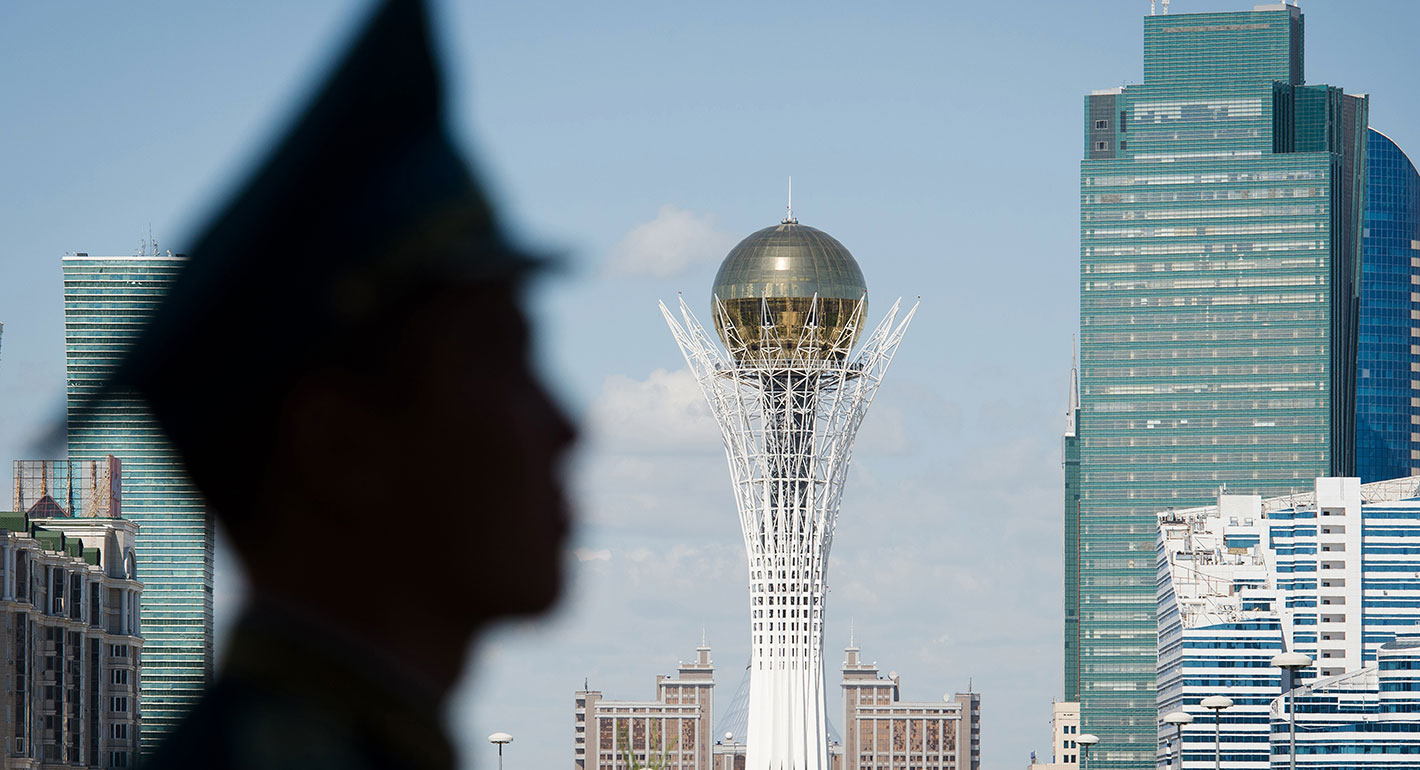
The rise of China as an economic powerhouse in Asia, along with rapid globalization, has brought Central Asia back in the limelight as a bridge connecting the established markets of the West with the emerging markets of the East.
Rhea Menon, Sharanya Rajiv
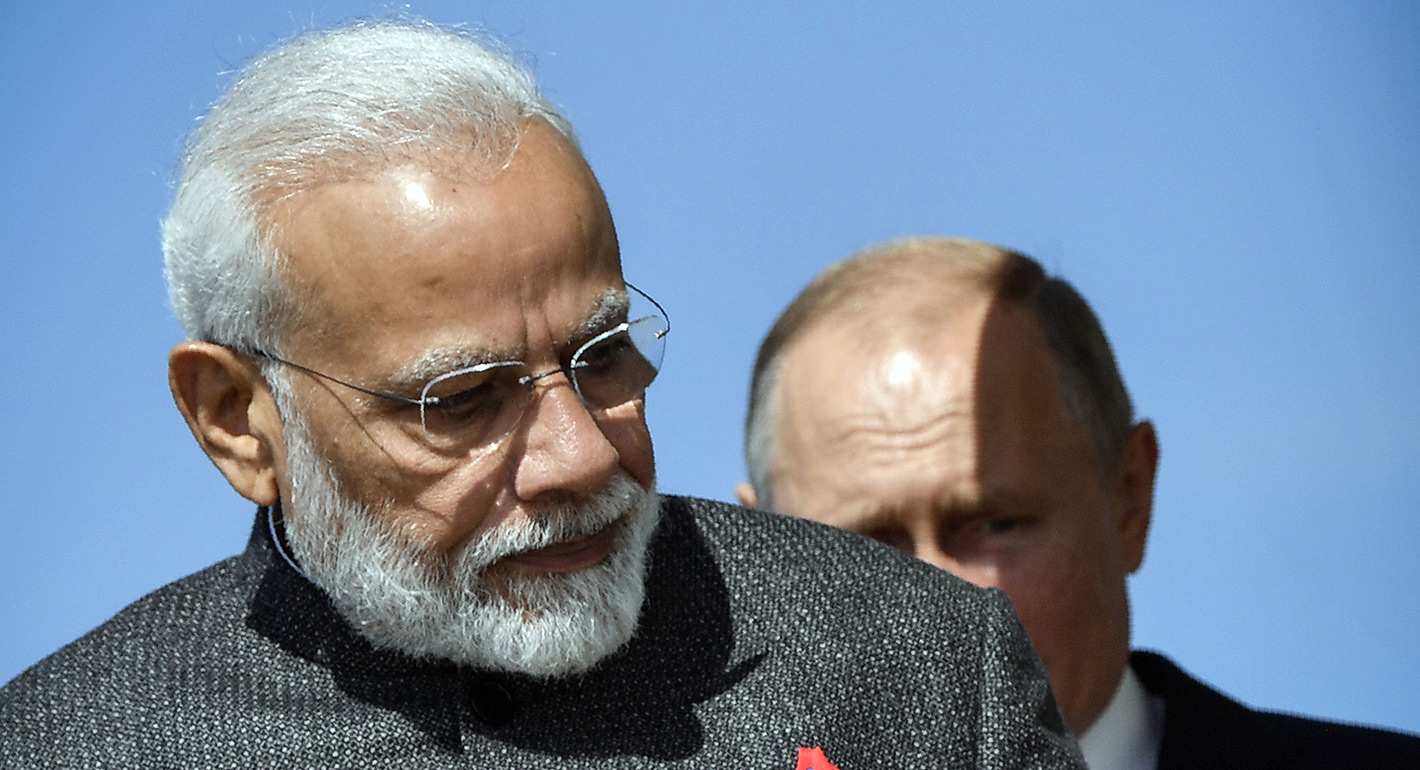
The special and privileged strategic partnership between India and Russia now spans across both Eurasia and the Indo-Pacific.
Sharanya Rajiv, 64592
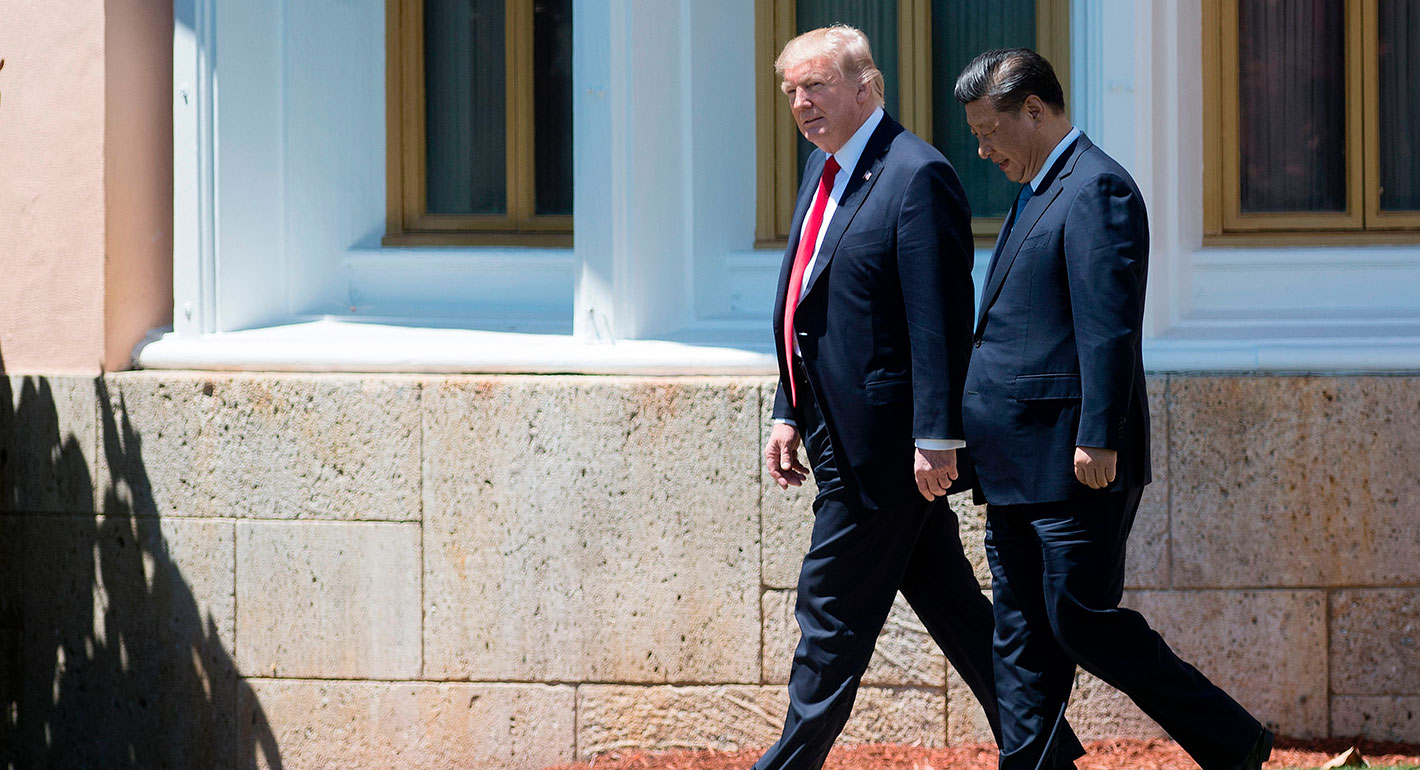
The rejigging of the political relations between the United States, China, and Russia might present New Delhi with fleeting strategic opportunities that need to be seized quickly.
C. Raja Mohan