

Other
Sharon Squassoni
{
  "authors": [
    "Sharon Squassoni"
  ],
  "type": "legacyinthemedia",
  "centerAffiliationAll": "dc",
  "centers": [
    "Carnegie Endowment for International Peace",
    "Carnegie Europe"
  ],
  "collections": [
    "Korean Peninsula"
  ],
  "englishNewsletterAll": "ctw",
  "nonEnglishNewsletterAll": "",
  "primaryCenter": "Carnegie Endowment for International Peace",
  "programAffiliation": "NPP",
  "programs": [
    "Nuclear Policy"
  ],
  "projects": [],
  "regions": [
    "East Asia",
    "South Korea",
    "Asia"
  ],
  "topics": [
    "Nuclear Policy"
  ]
}
Source: Getty
The small steps achieved in the last year and a half through negotiations with North Korea in dismantling its nuclear program prove that, at least in the North Korean case, diplomacy and the path toward normalization should be given a chance.
Source: The Guardian

The United States has committed to equally symbolic gestures – lifting provisions of the Trading with the Enemy Act and removing North Korea from the state department's list of state sponsors of terrorism. The money is not likely to start flowing into North Korea from the United States anytime soon just because these restrictions have been lifted, though. North Koreans have little to sell and even less money to spend. Again, however, the real value of the gesture may lie in what it means to North Korea. Like Libya, North Korea is interested in normalisation of relations with the US after years of labouring under comprehensive sanctions. For North Korea, getting off that terrorism list is an important step toward normalisation, even if the short-term impact is negligible.
Where do these steps leave us? In addition to thousands of pages of documentation about the plutonium program, North Korea has agreed to provide access to the reactor core, to waste sites and to personnel, all of which will facilitate verification. As for the declaration promised last year, it is too soon to tell whether it will meet US expectations. This could be an issue for the next administration to decide. At a minimum, North Korea's uranium enrichment programme and proliferation activities with other states are too important to be swept under the table. The US has a host of other sanctions it can lift to provide further incentives for North Korean cooperation, including foreign aid, agricultural credits and financing and export licenses. But a sceptical US Congress must first be convinced. Its reaction to taking North Korea off the terrorism list could signal its willingness to take further steps.
Does this prove that diplomacy should be given a chance? With North Korea, unquestionably. The small steps achieved in the last year and a half stand in stark contrast to the failure of the earlier action-oriented, take-it-or-leave-it approach of the Bush administration. Some may argue that North Korea will never give up its weapons. The opportunity to question people on the ground will at least provide insight into whether this assumption is true. In the meantime, the world should be able to forestall more North Korean nuclear tests and hopefully continue on the path toward normalisation.
This article was originally published in The Guardian: http://www.guardian.co.uk/commentisfree/2008/jun/26/nuclear.korea

Former Senior Associate, Nuclear Policy Program
Squassoni came to Carnegie from the Congressional Research Service. She also served for nine years in the executive branch. Her last position at the State Department was director of Policy Coordination in the Nonproliferation Bureau.
Recent Work
Sharon Squassoni
Sharon Squassoni
Carnegie India does not take institutional positions on public policy issues; the views represented herein are those of the author(s) and do not necessarily reflect the views of Carnegie, its staff, or its trustees.

This piece examines the strategic implications of Bhutan’s diplomatic efforts amid its border dispute with China, highlighting the thin ice it walks on to achieve a resolution without compromising its vital relationships.

Shibani Mehta
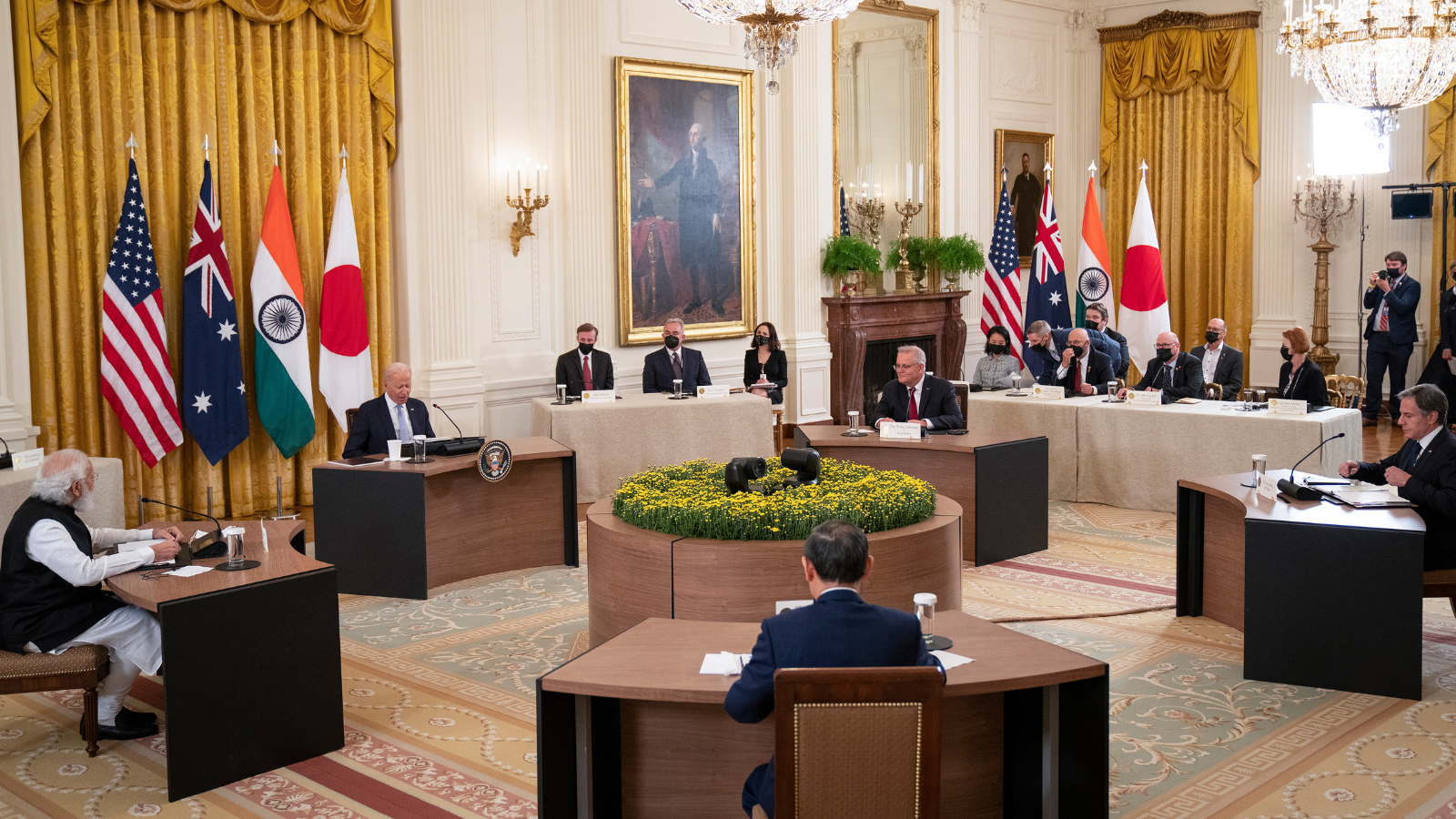
With India set to host the sixth Quad Leaders' Summit in 2024, there is every opportunity for this minilateral to not only develop a DPI initiative but also execute pilots in the Indo-Pacific. This essay shares a rationale for how the four Quad countries could achieve this goal.


Rudra Chaudhuri, Aadya Gupta

How can India navigate export control measures at a time when it is also entering into technology-centric partnerships with other nations to secure enhanced access to advanced technology?

Konark Bhandari
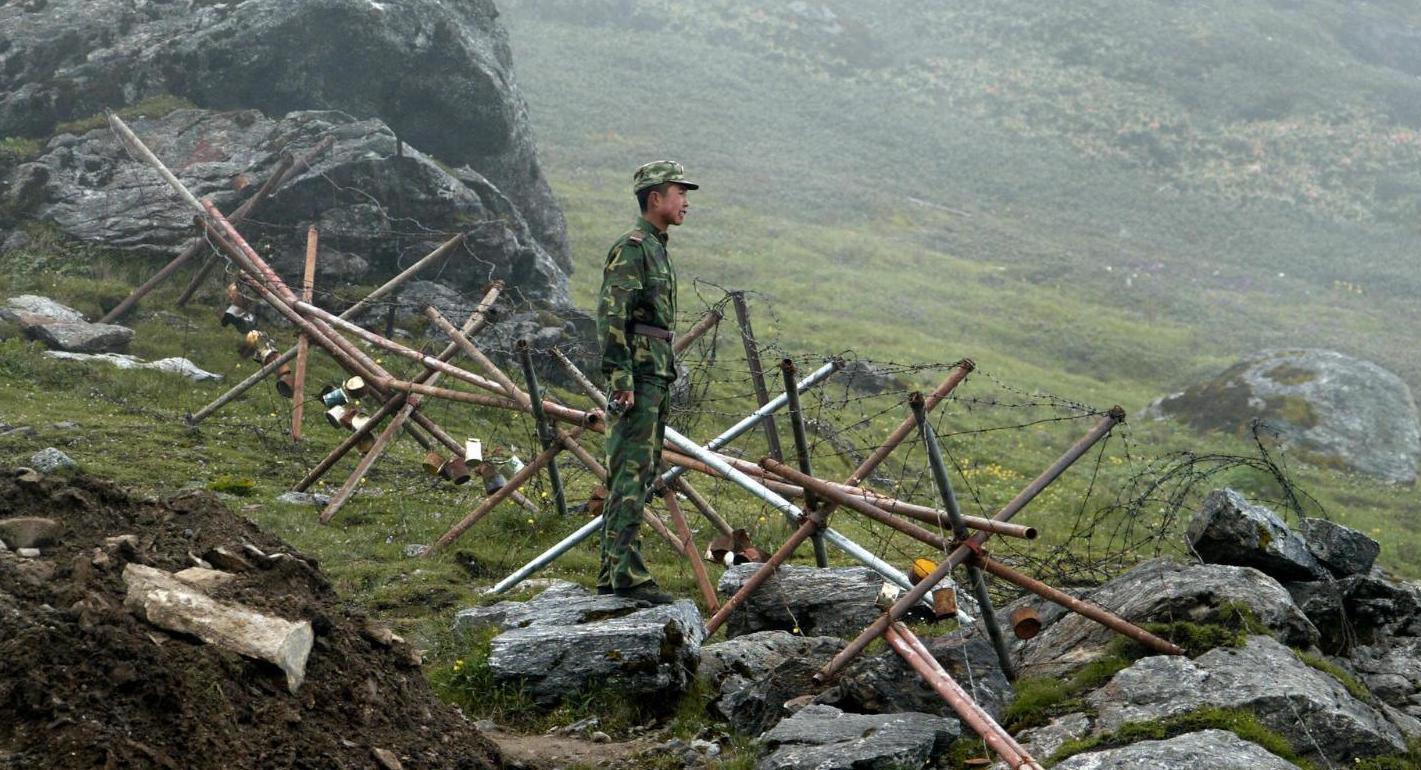
This article examines the significance of the 2013, 2014, and 2015 border standoffs between India and China. It presents a detailed account of the border crises and how the two countries tried to manage them.
Shibani Mehta
Contrary to some recent analyses, this commentary explains why a strategic détente between India and China is unlikely.

Saheb Singh Chadha