
• Research
  • About
  • Experts
Carnegie India logoCarnegie lettermark logo
{
  "authors": [
    "Eduardo Zepeda",
    "David Fairris",
    "Gurleen Popli"
  ],
  "type": "legacyinthemedia",
  "centerAffiliationAll": "",
  "centers": [
    "Carnegie Endowment for International Peace"
  ],
  "collections": [],
  "englishNewsletterAll": "",
  "nonEnglishNewsletterAll": "",
  "primaryCenter": "Carnegie Endowment for International Peace",
  "programAffiliation": "",
  "programs": [],
  "projects": [],
  "regions": [
    "North America",
    "South America"
  ],
  "topics": [
    "Economy"
  ]
}

Source: Getty

In The Media

Minimum Wages and the Wage Structure in Mexico

Low minimum wages may be partially to blame for the growth of inequality in Mexico throughout the late 1980s and early 1990s. Minimum wages play an important role in wage-setting for low-income workers, including those in the informal sector. Government policies aiming to mitigate minimum wage’s negative impacts on employment may have pernicious consequences for income inequality.

Link Copied
By Eduardo Zepeda, David Fairris, Gurleen Popli
Published on Jun 2, 2008

Instead of merely setting a lower bound on the wages of formal sector workers, minimum wages serve as a norm for wage setting more generally throughout the Mexican economy.  Out results suggest that wages are commonly set at multiples of the minimum wage, and that changes in minimum wages influence wage changes across the occupational distribution.  Moreover, our findings suggest that these normative features of minimum wages have their greatest impact on the mid-to-lower tail of the wage distribution, including the informal sector of the economy.  Thus, the results lend support to the view that declining real minimum wages and stabilization programs that strengthen the link between wage levels, wage changes, and minimum wages, might account for a portion of the growing wage inequality in Mexico over the period of the late 1980s and early 1990s.

About the Authors

Eduardo Zepeda

Former Senior Associate, Trade, Equity and Development Program

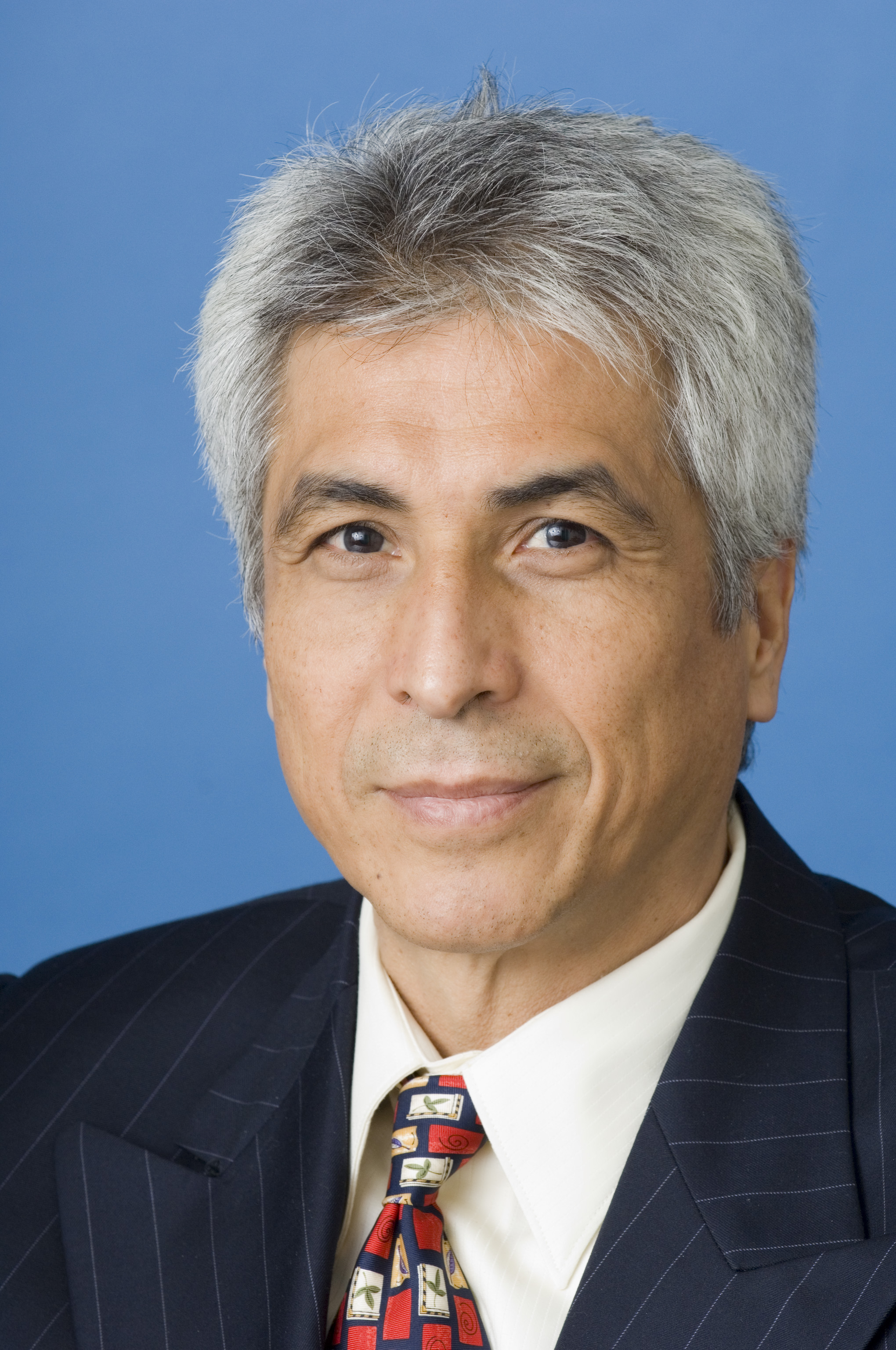
Zepeda is inter-regional policy coordinator of the Development Policy and Analysis Division, Department of Economic and Social Affairs at the United Nations General Secretariat. He was previously a senior associate in the Trade, Equity, and Development Program at the Carnegie Endowment for International Peace.

David Fairris

University of California, Riverside

Gurleen Popli

University of Sheffield, UK

Authors

Eduardo Zepeda
Former Senior Associate, Trade, Equity and Development Program
Eduardo Zepeda
David Fairris
University of California, Riverside
Gurleen Popli
University of Sheffield, UK
EconomyNorth AmericaSouth America

Carnegie India does not take institutional positions on public policy issues; the views represented herein are those of the author(s) and do not necessarily reflect the views of Carnegie, its staff, or its trustees.

More Work from Carnegie India

  • Commentary
    The Impact of U.S. Sanctions and Tariffs on India’s Russian Oil Imports

    This piece examines India’s response to U.S. sanctions and tariffs, specifically assessing the immediate market consequences, such as alterations in import costs, and the broader strategic implications for India’s energy security and foreign policy orientation.

      Vrinda Sahai

  • Paper
    India-China Economic Ties: Determinants and Possibilities

    This paper examines the evolution of India-China economic ties from 2005 to 2025. It explores the impact of global events, bilateral political ties, and domestic policies on distinct spheres of the economic relationship.

      Santosh Pai

  • Commentary
    TRUST and Tariffs

    The India-U.S. relationship currently appears buffeted between three “Ts”—TRUST, Tariffs, and Trump.

      Arun K. Singh

  • Article
    Can Geopolitical Alignment Seal the India-EU FTA?

    This article argues that the geopolitical circumstances have never been more conducive, not merely for the early conclusion of the free trade agreement (FTA) between India and the EU, but also for crafting a substantive and comprehensive strategic partnership.

      Mohan Kumar

  • Source: iStock
    Commentary
    What’s Next for U.S. AI Policy?

    This commentary explores the likely actions of the Trump administration and driving forces on issues of deregulation, the United States’ leadership in AI, national security, and global engagements on AI safety.

      Shatakratu Sahu, Amlan Mohanty

Get more news and analysis from
Carnegie India
Carnegie India logo, white
Unit C-4, 5, 6, EdenparkShaheed Jeet Singh MargNew Delhi – 110016, IndiaPhone: 011-40078687
  • Research
  • About
  • Experts
  • Projects
  • Events
  • Contact
  • Careers
  • Privacy
  • For Media
Get more news and analysis from
Carnegie India
© 2026 Carnegie Endowment for International Peace. All rights reserved.