

In The Media
Minxin Pei
{
  "authors": [
    "Minxin Pei"
  ],
  "type": "legacyinthemedia",
  "centerAffiliationAll": "dc",
  "centers": [
    "Carnegie Endowment for International Peace"
  ],
  "collections": [],
  "englishNewsletterAll": "asia",
  "nonEnglishNewsletterAll": "",
  "primaryCenter": "Carnegie Endowment for International Peace",
  "programAffiliation": "AP",
  "programs": [
    "Asia"
  ],
  "projects": [],
  "regions": [
    "China"
  ],
  "topics": [
    "Military"
  ]
}
Source: Getty
The Olympic Games boosted the Chinese Communist Party's popularity among its citizen, the vast majority of whom are proud of their country and the spectacular performance of their athletes. However, the Games won't lead to dramatic change in China's political future; they strengthened the party's rule, leaving it under less pressure to reform.
Source: The Washington Post

What the Olympics won't do is dramatically change China's political future. The Games strengthened the party's rule, leaving it under less pressure to reform. Beyond China's A+ athletic performance, here's my balance sheet.
-- Minxin Pei,
Carnegie Endowment for International Peace
Organization: A
The logistics and venues received high marks from athletes and visitors. But who will enjoy them now that the Olympians have left town? The average worker? Doubtful.
Security: A
Except for the fatal stabbing of an American at the outset of the Games, they were free of major security incidents.
Pollution: B-
Beijing's air quality, while not pristine, was dramatically better during the Games, thanks to draconian anti-pollution measures and favorable weather patterns. But what happens when they turn the factories back on?
Fun: C+
Tight security greatly dampened the festive atmosphere. Authoritarians don't have more fun. Really.
Western Coverage: C-
Western reporters and columnists dwelled excessively on hot-button issues, such as human rights and press freedom, and offered a lot of blather about a clash between two systems. So very Cold War.
Freedom of Assembly: F
Although the Chinese government set up three special "protest zones," it denied all 77 applications for protest. Fifty-eight foreign protesters were arrested and deported. Two Chinese grandmothers were also threatened with one year in a labor camp. How's that for "One World, One Dream"?
This piece originally appeared in The Washington Post's Outlook section.
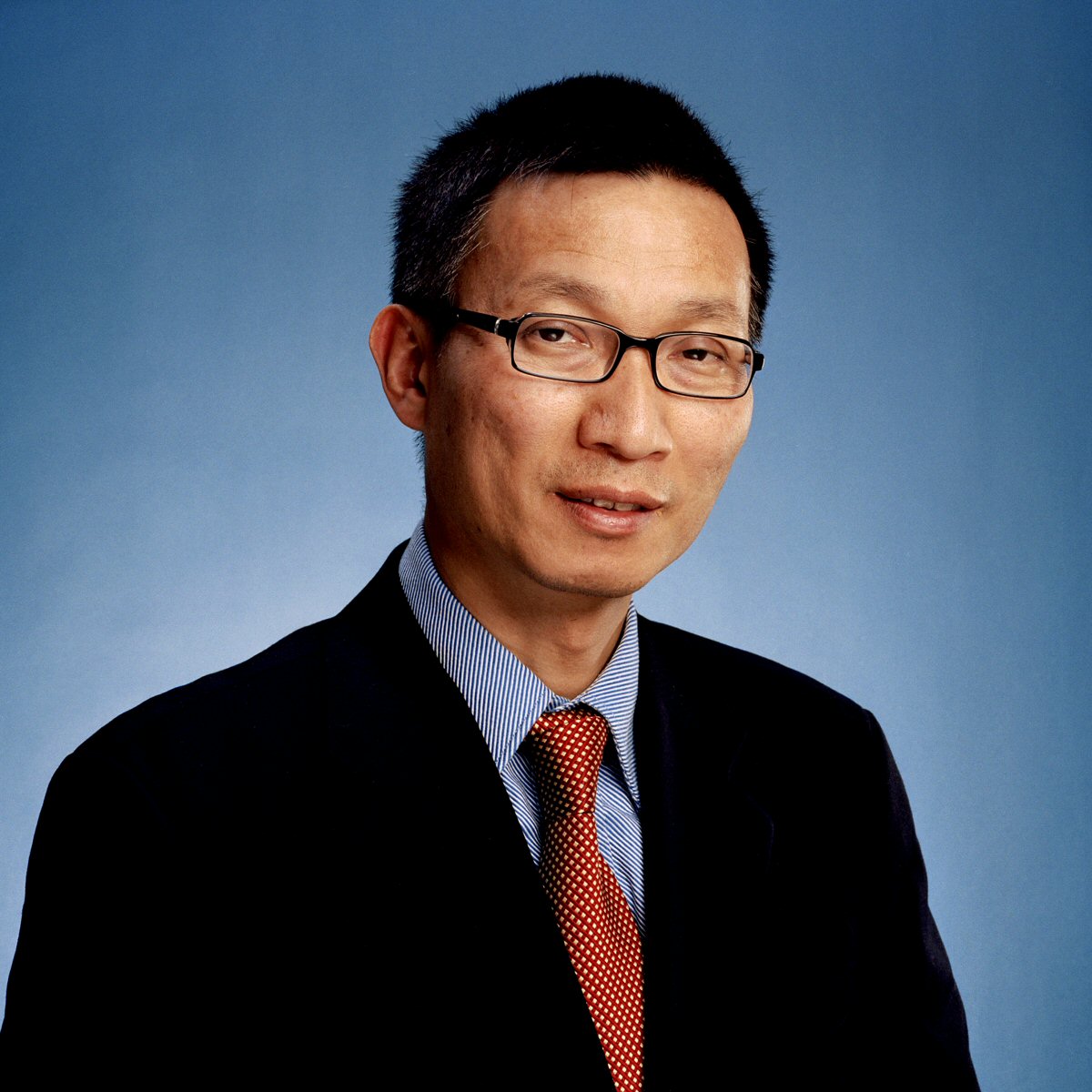
Former Adjunct Senior Associate, Asia Program
Pei is Tom and Margot Pritzker ‘72 Professor of Government and the director of the Keck Center for International and Strategic Studies at Claremont McKenna College.
Recent Work
Minxin Pei
Minxin Pei

After the chill in ties between 2020 and 2024 that brought India–China relations to their lowest point in several decades, the two countries have engaged each other afresh. This paper argues that there are predominantly four imperatives guiding India’s approach to China, and they exist in an order of priority.

Saheb Singh Chadha

This piece argues that India’s central challenge is not managing a single flashpoint but resolving the underlying tension between expansion and institutional coherency of the BRICS grouping.

Vrinda Sahai
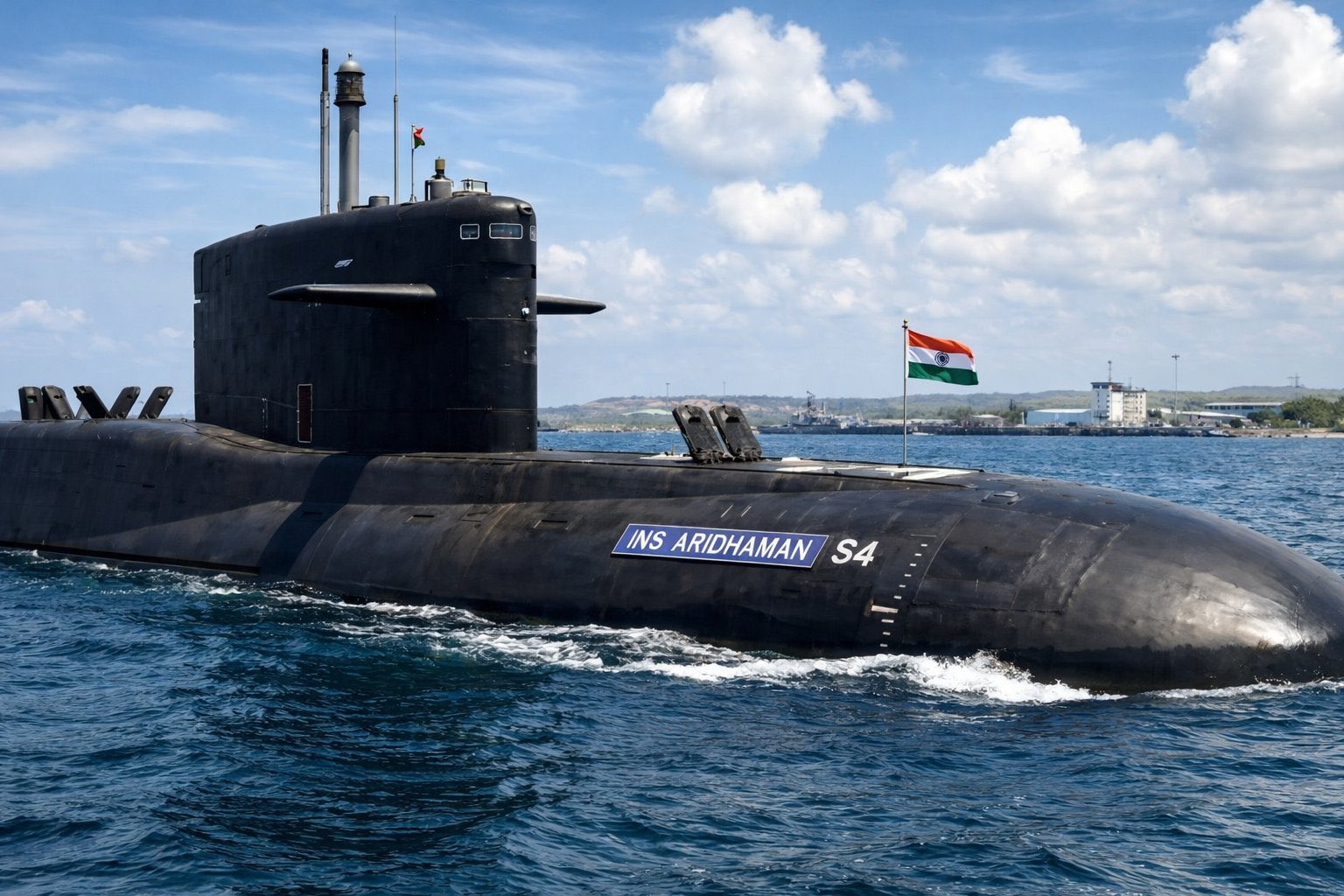
The induction of INS Aridhaman, which features several technological enhancements, now gives India the third nuclear ballistic missile submarine to ensure continuous at-sea deterrent.

Dinakar Peri

This paper examines the evolution of India-China economic ties from 2005 to 2025. It explores the impact of global events, bilateral political ties, and domestic policies on distinct spheres of the economic relationship.

Santosh Pai
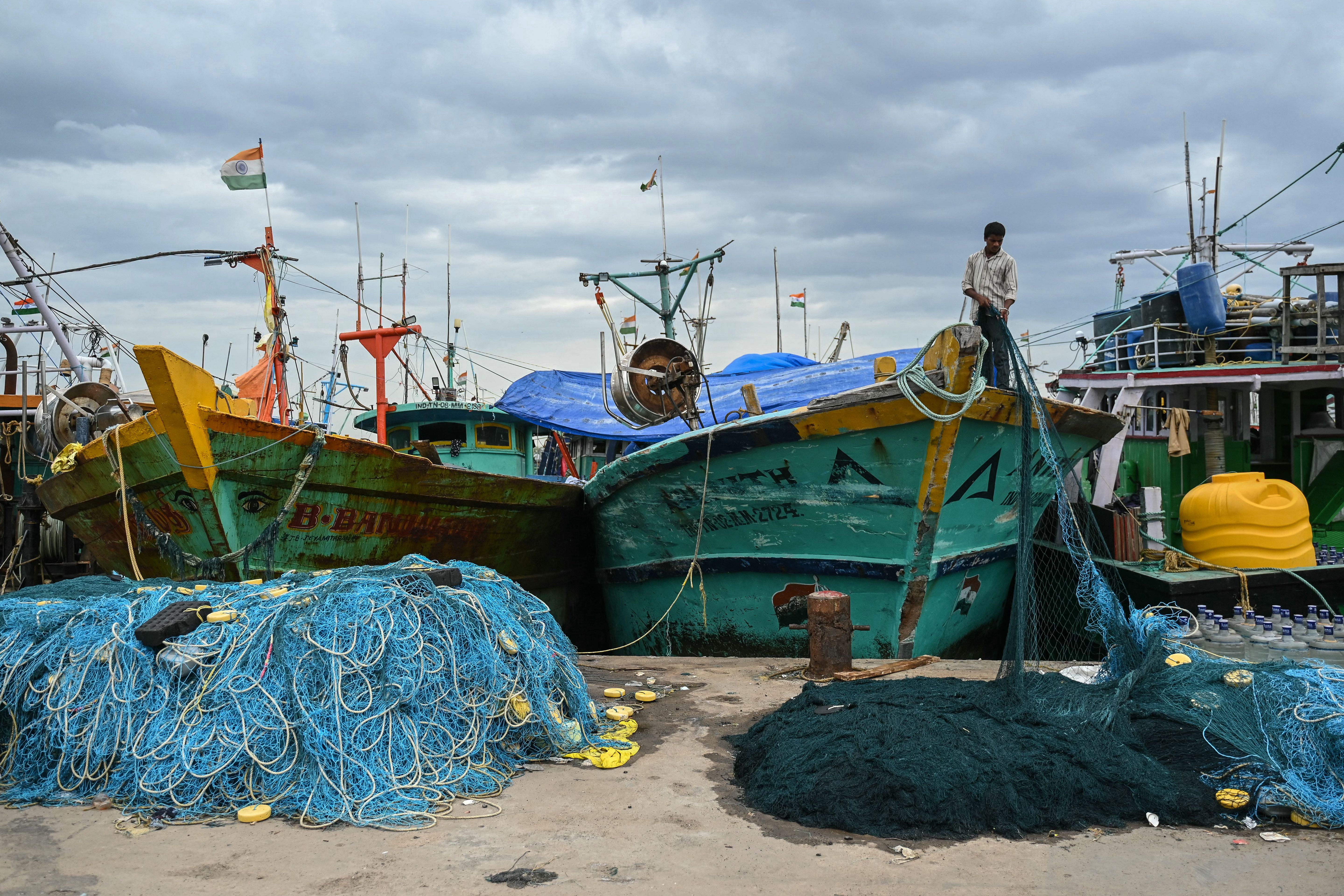
This article examines the scale and impact of Chinese IUU fishing operations globally and identifies the nature of the challenge posed by IUU fishing in the Indian Ocean Region (IOR). It also investigates why existing maritime law and international frameworks have struggled to address this growing threat.


Ajay Kumar, Charukeshi Bhatt