

Commentary
How is AI reshaping space security, creating governance challenges, and where does international diplomacy stand today?
Tejas Bharadwaj, Almudena Azcárate Ortega
{
  "authors": [],
  "type": "pressRelease",
  "centerAffiliationAll": "",
  "centers": [
    "Carnegie Endowment for International Peace"
  ],
  "collections": [],
  "englishNewsletterAll": "",
  "nonEnglishNewsletterAll": "",
  "primaryCenter": "Carnegie Endowment for International Peace",
  "programAffiliation": "",
  "programs": [],
  "projects": [],
  "regions": [
    "North America",
    "United States"
  ],
  "topics": []
}
REQUIRED IMAGE
The Carnegie Endowment for International Peace is pleased to announce the sale of its award-winning magazine, Foreign Policy, to The Washington Post Company.
WASHINGTON, Sept 29—The Carnegie Endowment for International Peace is pleased to announce the sale of its award-winning magazine, Foreign Policy, to The Washington Post Company.
Announcing the move, Jessica T. Mathews, president of the Endowment said:
“Since its founding in 1910 the Carnegie Endowment has made a tradition of recognizing when its initiatives reach a point where they need new circumstances to continue to grow. A good example is the departure of the Endowment’s migration program in 2001. The program had grown so large that it needed to stand on its own. As the independent Migration Policy Institute (MPI), it has since become an internationally known success.
The same has become true of Foreign Policy magazine. Ten years ago we set out to turn a good professional journal into a new kind of magazine for a much wider circle of readers. Under Moises Naím’s inspired direction, we have done so with numerous awards for editorial excellence, an expanding readership and many international editions. Now Foreign Policy, too, needs a wider horizon that only a commercial publisher can provide.
“We are extremely proud that the magazine’s achievements and great future potential have been recognized by The Washington Post Company. In terms of brand, editorial values and business strengths it is simply impossible to imagine a better home for Foreign Policy.”
Moises Naím, Foreign Policy’s editor-in-chief said:
“FP would have not grown into the successful operation it is today without the unwavering support of the Carnegie Endowment. It is indeed bittersweet to part with such a generous and prestigious organization. But with the backing of The Washington Post Company, FP will be even better placed to deliver and grow the unique coverage and analysis of the ideas and issues shaping our world for which the magazine has become well known".
###

Carnegie India does not take institutional positions on public policy issues; the views represented herein are those of the author(s) and do not necessarily reflect the views of Carnegie, its staff, or its trustees.

How is AI reshaping space security, creating governance challenges, and where does international diplomacy stand today?


Tejas Bharadwaj, Almudena Azcárate Ortega

The U.S.–India semiconductor cooperation story is well-stocked with top-level strategic intent. What remains unresolved, however, are some underlying challenges that will determine whether the cooperation actually functions. Three such friction points stand out.

Shruti Mittal
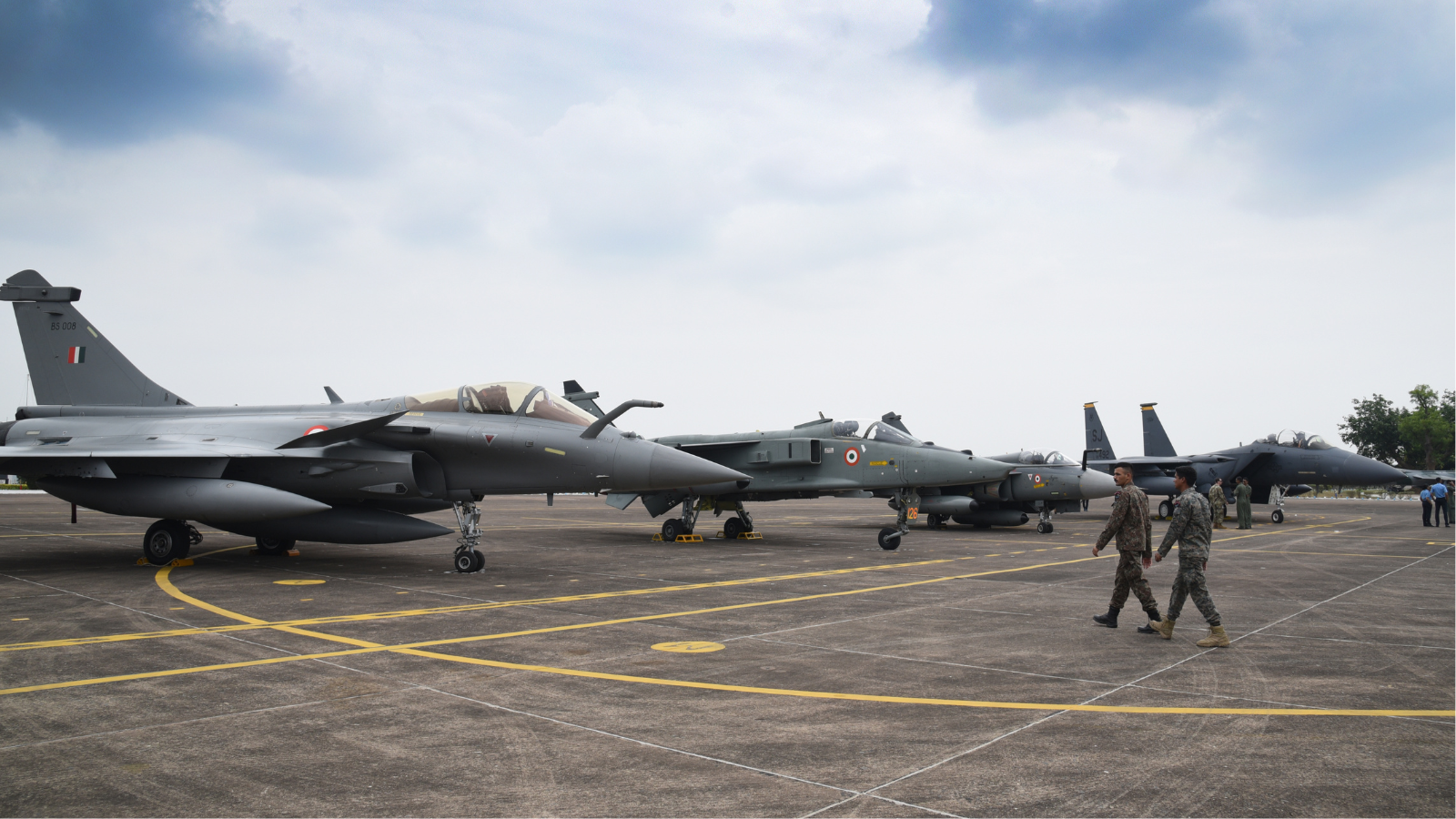
India and the United States are close to concluding a Reciprocal Defense Procurement Agreement (RDPA) that will allow firms from the two countries to sell to each other’s defense establishments more easily. While this may not remedy the specific grievances both sides may have regarding larger bilateral issues, an RDPA could restore some momentum, following the trade deal announcement.

Konark Bhandari

On the last day of the India AI Impact Summit, India signed Pax Silica, a U.S.-led declaration seemingly focused on semiconductors. While India’s accession to the same was not entirely unforeseen, becoming a signatory nation this quickly was not on the cards either.
Konark Bhandari

This piece examines India’s response to U.S. sanctions and tariffs, specifically assessing the immediate market consequences, such as alterations in import costs, and the broader strategic implications for India’s energy security and foreign policy orientation.

Vrinda Sahai