• Research
  • About
  • Experts
Carnegie India logoCarnegie lettermark logo
Technology
{
  "authors": [
    "Dmitri Trenin"
  ],
  "type": "legacyinthemedia",
  "centerAffiliationAll": "",
  "centers": [
    "Carnegie Endowment for International Peace",
    "Carnegie Russia Eurasia Center"
  ],
  "collections": [],
  "englishNewsletterAll": "",
  "nonEnglishNewsletterAll": "",
  "primaryCenter": "Carnegie Russia Eurasia Center",
  "programAffiliation": "",
  "programs": [],
  "projects": [],
  "regions": [
    "Caucasus",
    "Russia"
  ],
  "topics": [
    "Economy",
    "Climate Change"
  ]
}
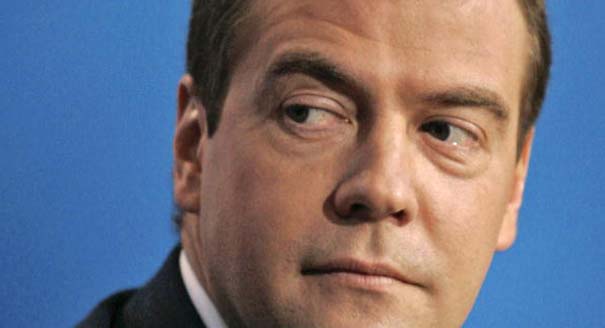
Source: Getty

In The Media
Carnegie Russia Eurasia Center

The 2009 Time 100: Alexander Medvedev

Europe's security requires Russia's integration into a common compact with the countries of NATO and the European Union, as well as with newer states like Ukraine, Georgia and others. And a stable security arrangement needs to be flanked by an economic one encompassing the entire continent.

Link Copied
By Dmitri Trenin
Published on May 11, 2009

Source: Time

The 2009 Time 100: Alexander Medvedev
If Alexei Miller, Gazprom's CEO, is the company's public face and conduit to the Russian political leadership, Alexander Medvedev, head of Gazprom Export, is its link to the outside world. One-third of the gas consumed in Europe passes through Medvedev's hands, and 60% of Gazprom's total revenues come from exports.

Medvedev, 53, believes that Russia's business is predominantly business. Medvedev also believes in a bright future for natural gas and looks beyond the present crisis to the day when Gazprom's capitalization will shoot to a trillion dollars. Last summer it stood at a mere third of that amount.

Yet as the recurrent gas wars between Russia and Ukraine demonstrate, Europe's energy security is an area of high tension. After four decades of being Europe's main gas provider, Russia has seen its originally stellar reputation — it pumped away even as the Soviet Union was disintegrating — become severely damaged. Medvedev can give brilliant rejoinders to critics, but more and more people are talking about how to ensure Europe's energy security against the whims of Russia, its lead supplier.

Those thinking strategically about energy, however, need to think outside the box. Europe's security requires Russia's integration into a common compact with the countries of NATO and the European Union, as well as with newer states like Ukraine, Georgia and others. And a stable security arrangement needs to be flanked by an economic one encompassing the entire continent. After World War II, the nucleus of what later became the European Union was formed around the European Coal and Steel Community. With luck, a European Energy Community will be a similar catalyst for the E.U. and its post-Soviet neighbors, including Russia. Alexander Medvedev of Gazprom and President Dmitri Medvedev of the Kremlin have their work cut out for them.
 
This article originally appeared in Time
Dmitri Trenin
Former Director, Carnegie Moscow Center
EconomyClimate ChangeCaucasusRussia

Carnegie India does not take institutional positions on public policy issues; the views represented herein are those of the author(s) and do not necessarily reflect the views of Carnegie, its staff, or its trustees.

More Work from Carnegie India

  • Commentary
    The Impact of U.S. Sanctions and Tariffs on India’s Russian Oil Imports

    This piece examines India’s response to U.S. sanctions and tariffs, specifically assessing the immediate market consequences, such as alterations in import costs, and the broader strategic implications for India’s energy security and foreign policy orientation.

      Vrinda Sahai

  • Paper
    India-China Economic Ties: Determinants and Possibilities

    This paper examines the evolution of India-China economic ties from 2005 to 2025. It explores the impact of global events, bilateral political ties, and domestic policies on distinct spheres of the economic relationship.

      Santosh Pai
  • Commentary
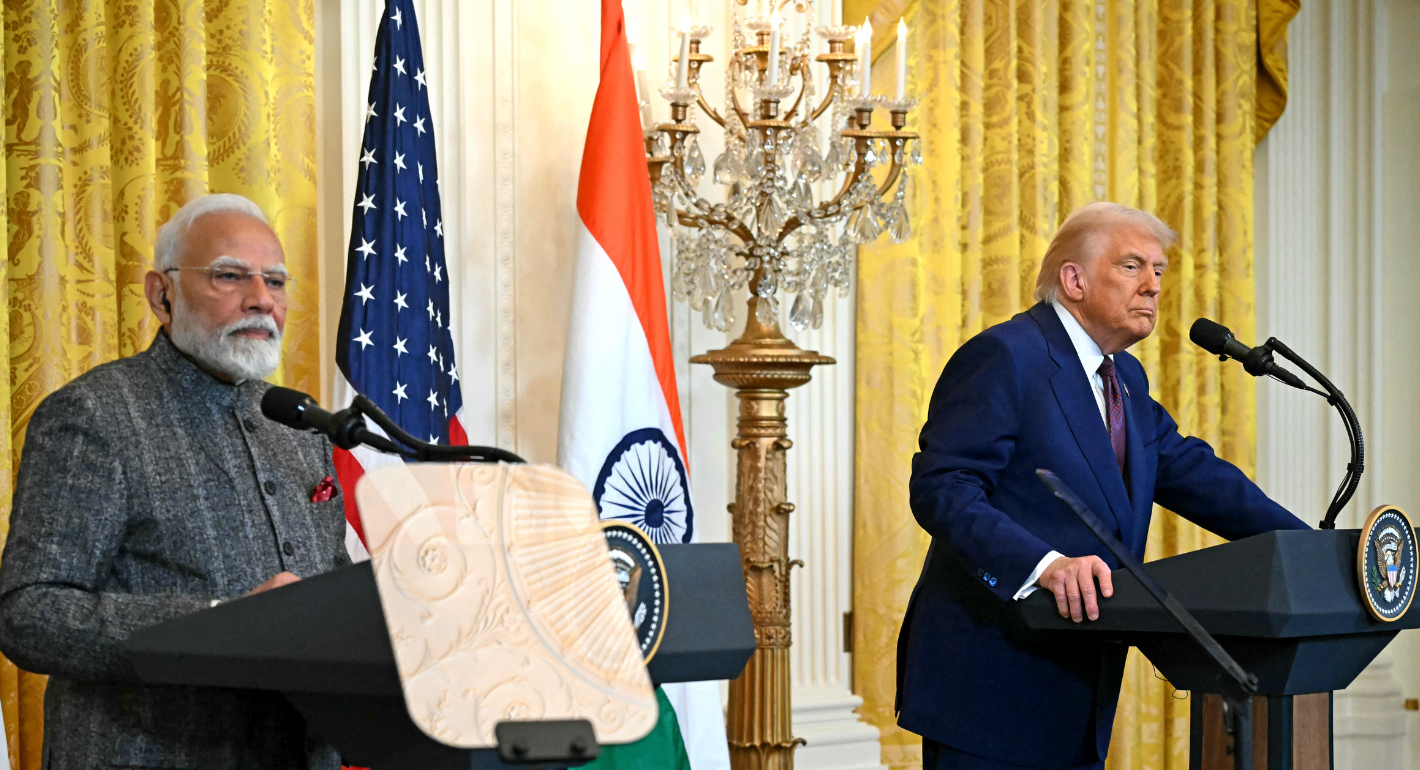
    TRUST and Tariffs

    The India-U.S. relationship currently appears buffeted between three “Ts”—TRUST, Tariffs, and Trump.
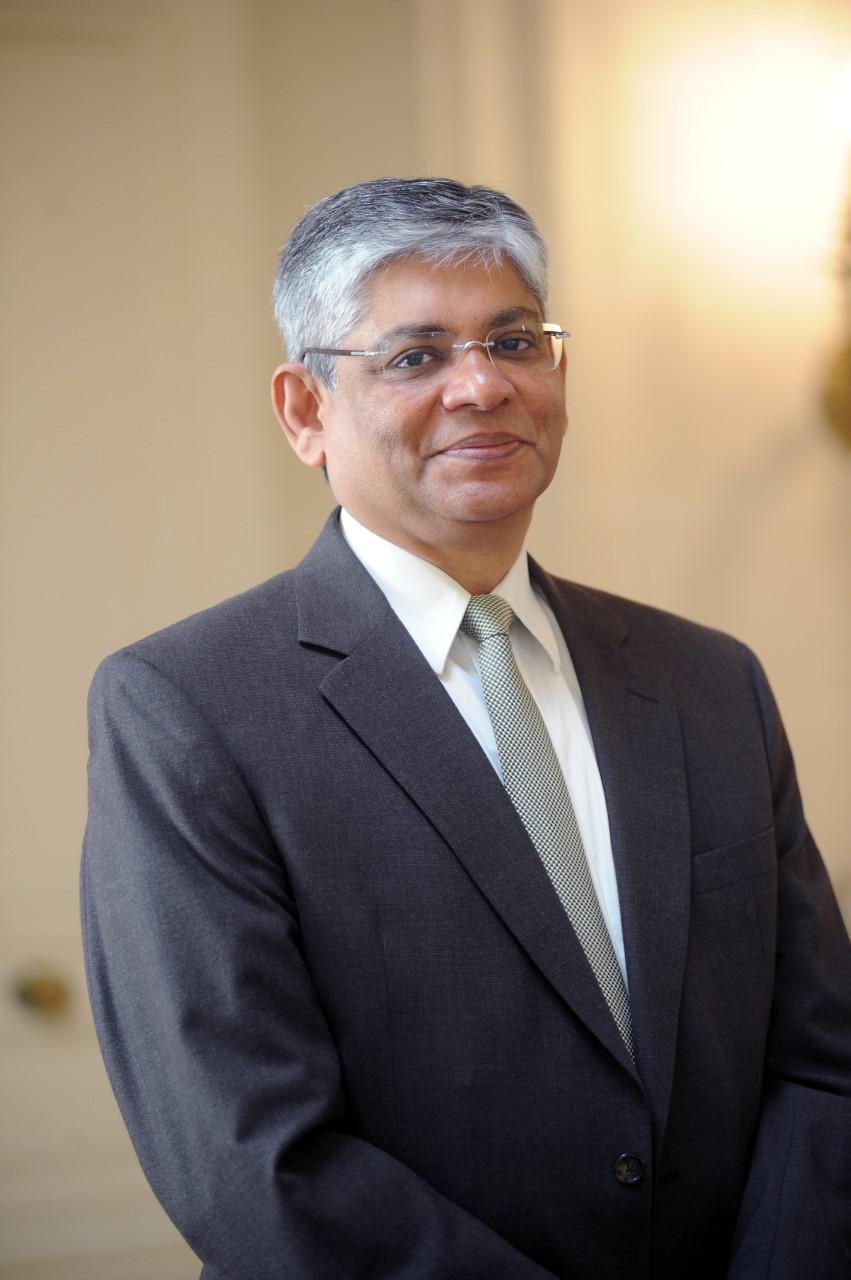
      Arun K. Singh

  • Article
    Can Geopolitical Alignment Seal the India-EU FTA?

    This article argues that the geopolitical circumstances have never been more conducive, not merely for the early conclusion of the free trade agreement (FTA) between India and the EU, but also for crafting a substantive and comprehensive strategic partnership.

      Mohan Kumar

  • Article
    A Path Out of Tunisia’s Economic Crisis

    President Kais Saied has won a second term in office, but his country is facing a host of problems that necessitate urgent reforms, above all preventing the possibility of a financial meltdown. 

      Ishac Diwan, Hachemi Alaya, Hamza Meddeb

Get more news and analysis from
Carnegie India
Carnegie India logo, white
Unit C-4, 5, 6, EdenparkShaheed Jeet Singh MargNew Delhi – 110016, IndiaPhone: 011-40078687
  • Research
  • About
  • Experts
  • Projects
  • Events
  • Contact
  • Careers
  • Privacy
  • For Media
Get more news and analysis from
Carnegie India
© 2026 Carnegie Endowment for International Peace. All rights reserved.



