

Commentary
Experts weigh in on whether the United States is too hostile toward China.
Stephen Wertheim, Evan S. Medeiros, Vijay Gokhale
{
  "authors": [],
  "type": "pressRelease",
  "centerAffiliationAll": "dc",
  "centers": [
    "Carnegie Endowment for International Peace"
  ],
  "collections": [],
  "englishNewsletterAll": "menaTransitions",
  "nonEnglishNewsletterAll": "",
  "primaryCenter": "Carnegie Endowment for International Peace",
  "programAffiliation": "MEP",
  "programs": [
    "Middle East"
  ],
  "projects": [],
  "regions": [
    "Kuwait"
  ],
  "topics": [
    "Political Reform",
    "Democracy"
  ]
}
REQUIRED IMAGE
Kuwait must enact further electoral and constitutional reform to break the country’s political paralysis. Continued gridlock could lead the emir to override the constitution and dissolve the parliament, dealing a major setback to democracy in Kuwait and the region.
WASHINGTON, June 25—Kuwait must enact further electoral and constitutional reform to break the country’s longstanding political paralysis. Continued gridlock could lead the emir to override the constitution and dissolve the parliament, dealing a major setback to democracy in Kuwait and the region, concludes a new commentary by Nathan J. Brown.
The contentious stalemate between Kuwait’s ruling family and parliament has called into question the sustainability of its democracy. There is a growing sense that an unconstitutional dissolution of parliament is imminent—the emir has moved beyond subtle hints to direct warnings.
Key Conclusions:
Brown concludes:
“In earlier decades, Kuwait served as a positive model for some Gulf states. Kuwait no longer seems like such a positive model—in fact, the political stalemate in the country now serves as a negative model. A revival of Kuwaiti democracy will not lead to a ‘Gulf spring’ much less an Arab one. But it will prevent elections and parliaments from becoming symbols of stagnation and paralysis.”
###
NOTES
Carnegie India does not take institutional positions on public policy issues; the views represented herein are those of the author(s) and do not necessarily reflect the views of Carnegie, its staff, or its trustees.
Experts weigh in on whether the United States is too hostile toward China.


Stephen Wertheim, Evan S. Medeiros, Vijay Gokhale
As India’s economy recovers from the coronavirus pandemic, Indian businesses need efficient financial structures to regain their ground. Key reforms to India’s Insolvency and Bankruptcy Code could fill these gaps.

Anirudh Burman
Access to cross-border data is an integral piece of the law enforcement puzzle. India is well placed to lead the discussions on international data agreements subject to undertaking necessary surveillance reforms.

Smriti Parsheera, Prateek Jha
After the coronavirus pandemic wanes, how will China’s reorientation of the Belt and Road Initiative to address global health concerns influence its relationships with South Asian countries?
Deep Pal, Rahul Bhatia
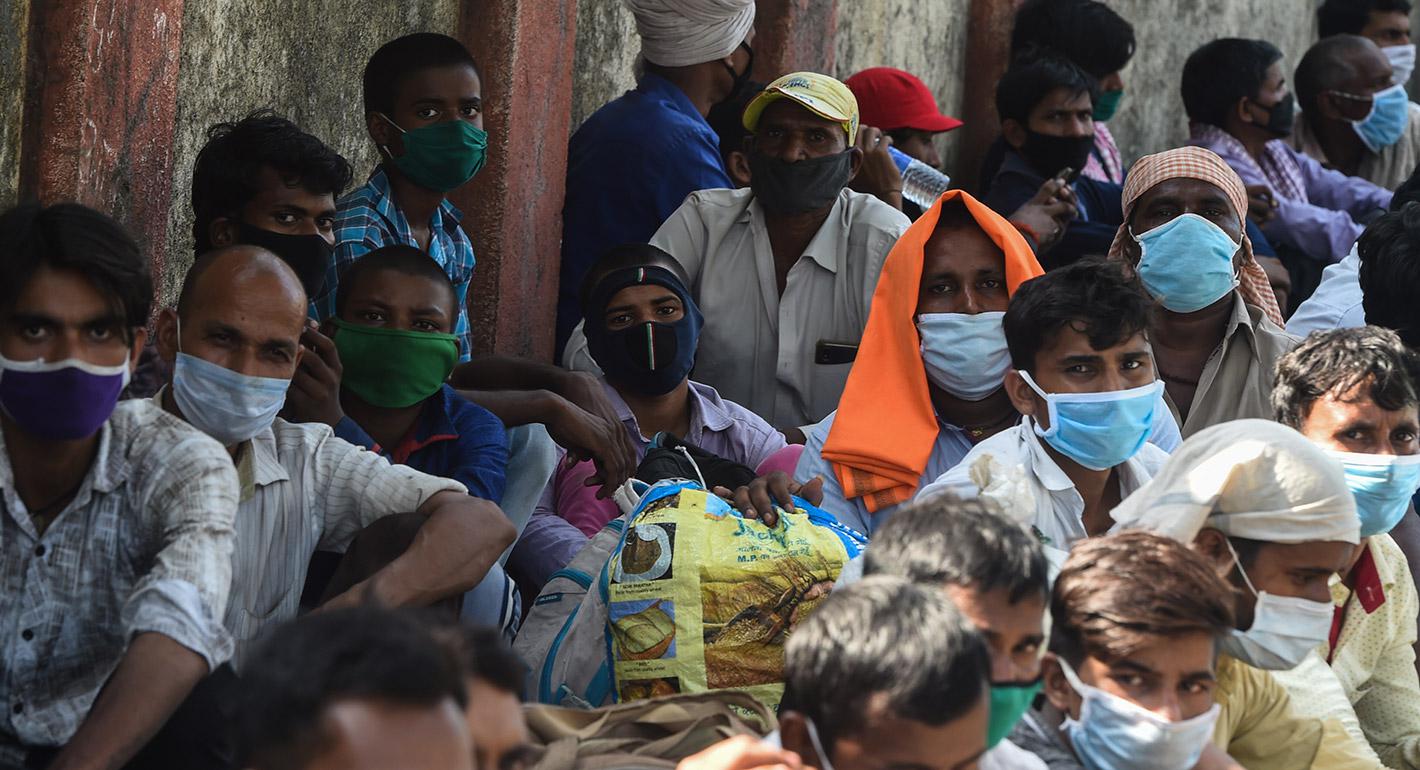
Early in the outbreak, government researchers forecast several high-risk scenarios that were downplayed or ignored in public messaging.
Gautam I. Menon