• Research
  • About
  • Experts
Carnegie India logoCarnegie lettermark logo
Technology
{
  "authors": [],
  "type": "pressRelease",
  "centerAffiliationAll": "",
  "centers": [
    "Carnegie Endowment for International Peace"
  ],
  "collections": [],
  "englishNewsletterAll": "",
  "nonEnglishNewsletterAll": "",
  "primaryCenter": "Carnegie Endowment for International Peace",
  "programAffiliation": "",
  "programs": [],
  "projects": [],
  "regions": [
    "South America",
    "North America"
  ],
  "topics": [
    "Economy"
  ]
}
REQUIRED IMAGE

REQUIRED IMAGE

Press Release

Latin America’s recovery requires both market and state

The global financial crisis was a result of failures in both the market and state—markets created financial turmoil and regulatory agencies failed to detect risks and correct imbalances. As Latin American countries emerge from the crisis, both the market and state are needed to ensure sustainable growth.

Link Copied
Published on Nov 11, 2009

WASHINGTON, Nov 11—The global financial crisis was a result of failures in both the market and state—markets created financial turmoil and regulatory agencies failed to detect risks and correct imbalances. As Latin American countries emerge from the crisis, both the market and state are needed to ensure sustainable growth, says a new paper by Alejandro Foxley, former foreign and finance minister of Chile.

Analyzing the successes and mistakes of economic policies over the past twenty years, Foxley makes recommendations for Latin America to achieve development that creates fewer inequalities and increases the capacity for innovation.

Recommendations

  • Establish more competitive markets: The economic crisis should not serve as an excuse to increase protectionism. Latin American economies need to move toward a greater reliance on the market and more competition in industries known for monopolies or oligopolies.
  • Restructure state institutions: To compete globally, governments need to retool economies to spur development and create new, better-quality jobs. High-quality education that creates a well-trained workforce should be a priority. 
  • Develop a welfare society: Policies should make it easier for women and other vulnerable groups to get jobs and provide equal access for all children to education.
  • Create public-private partnerships: States need to increase the involvement of the private sector in providing basic social services, including education, health, and housing.

“As they emerge from the most recent crisis, Latin American economies need both—more market and more state. More market will enable them to exploit new opportunities through bilateral or multilateral trade agreements, and expand public-private partnerships,” writes Foxley. “A more intelligent state, acting as a catalyst for development, could encourage creativity and foster entrepreneurship.”

###


NOTES

  • Click here to read the report
  • Alejandro Foxley is a senior associate in the Carnegie International Economics Program. Before joining Carnegie, Foxley was minister of foreign affairs of the Republic of Chile (2006–2009). Between 1998 and 2006, he was a senator of Chile, serving as chairman of the Finance Committee and the Permanent Joint Budget Committee. Previously, he was also Chile’s minister of finance and concurrently served as a governor of the Inter-American Development Bank and the World Bank (1990–1994).
  •  The Carnegie International Economics Program (IEP) monitors and analyzes short- and long-term trends in the global economy, including macroeconomic developments, trade, commodities, and capital flows, and draws out policy implications. The initial focus of the Program will be the global financial crisis and the policy issues raised.
  • The International Economic Bulletin draws on the expertise of Carnegie's global centers to provide a candid view of the economic crisis and its political implications. Addressing the momentous challenges of the economic downturn will require objectivity, and the ability to analyze the political dimensions of reforms around the world.
  • Press Contact: David Kampf, 202/939-2233, dkampf@ceip.org
EconomySouth AmericaNorth America

Carnegie India does not take institutional positions on public policy issues; the views represented herein are those of the author(s) and do not necessarily reflect the views of Carnegie, its staff, or its trustees.

More Work from Carnegie India

  • Commentary
    The Impact of U.S. Sanctions and Tariffs on India’s Russian Oil Imports

    This piece examines India’s response to U.S. sanctions and tariffs, specifically assessing the immediate market consequences, such as alterations in import costs, and the broader strategic implications for India’s energy security and foreign policy orientation.

      Vrinda Sahai

  • Paper
    India-China Economic Ties: Determinants and Possibilities

    This paper examines the evolution of India-China economic ties from 2005 to 2025. It explores the impact of global events, bilateral political ties, and domestic policies on distinct spheres of the economic relationship.

      Santosh Pai

  • Commentary
    TRUST and Tariffs

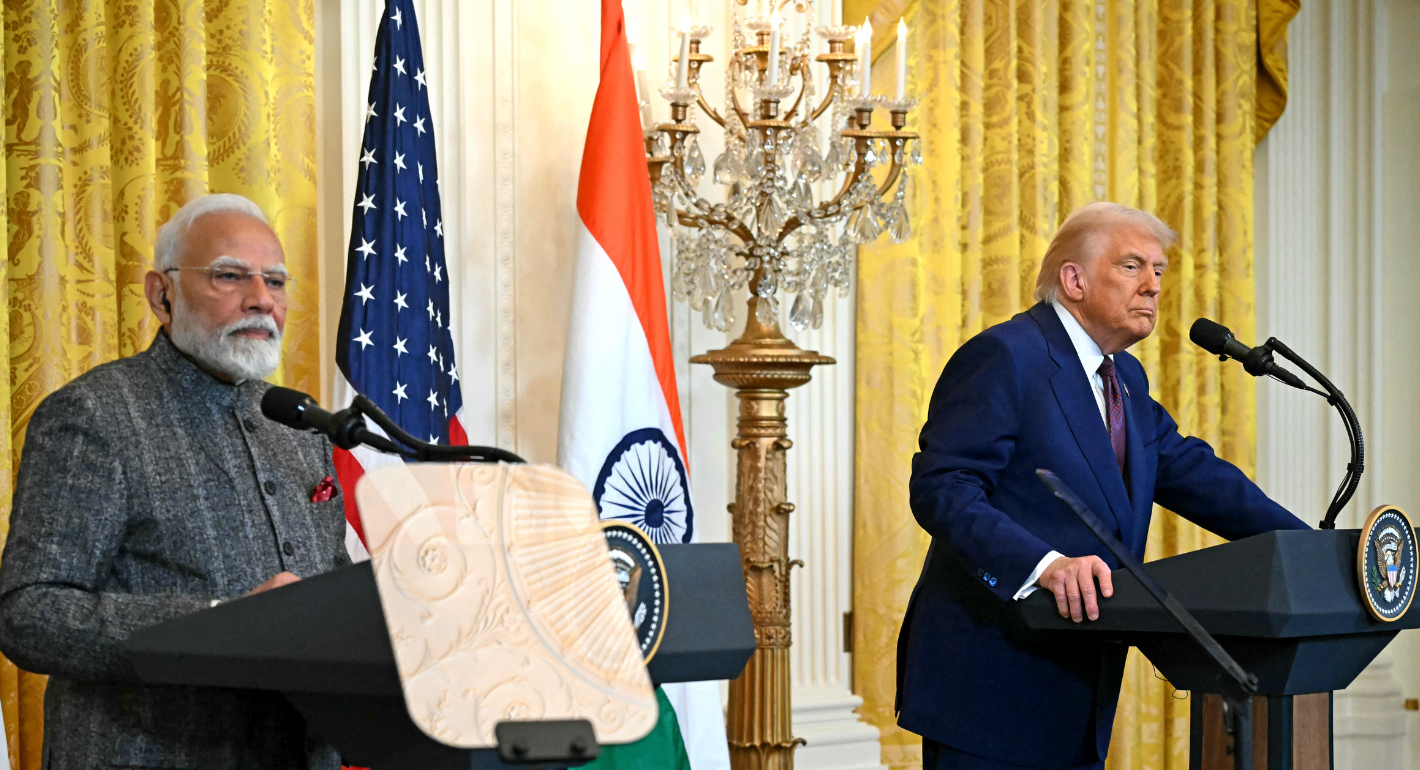
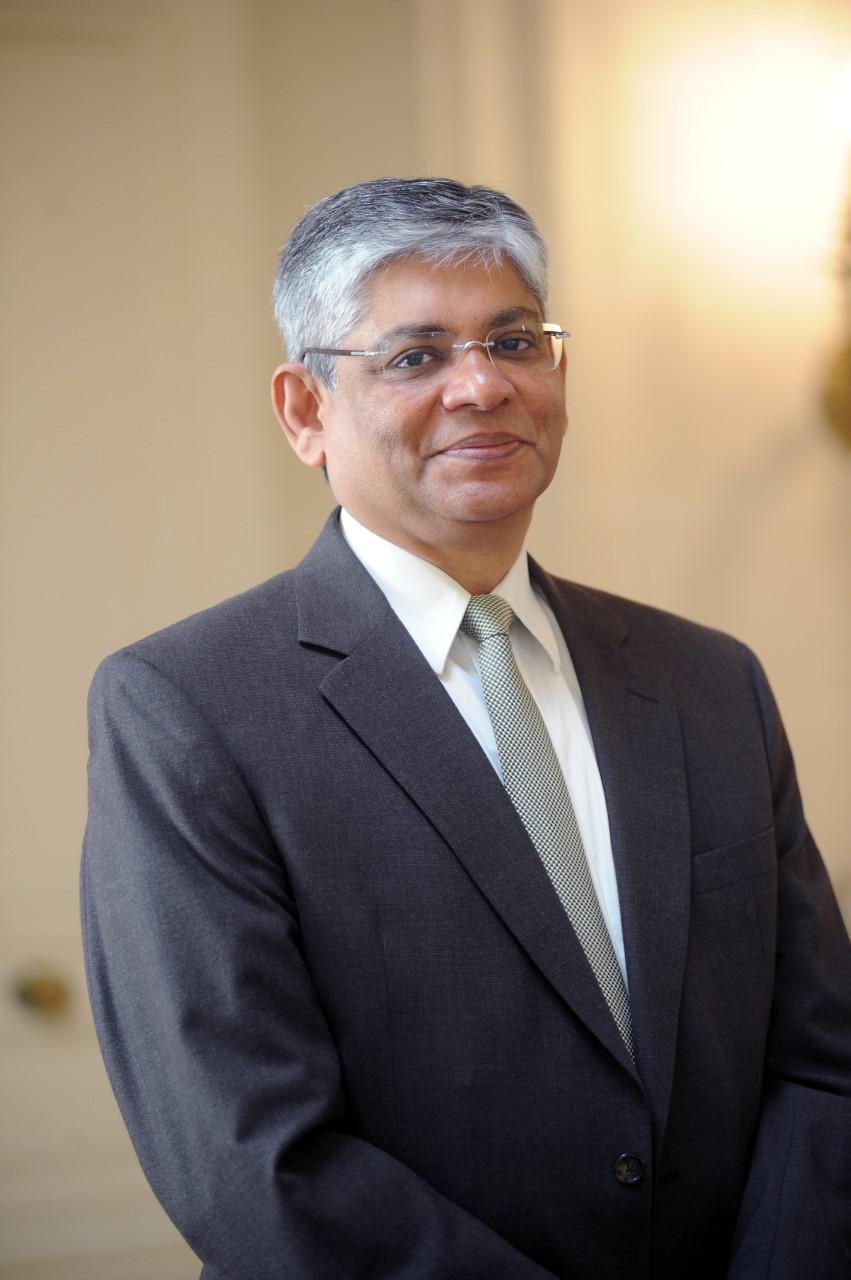
    The India-U.S. relationship currently appears buffeted between three “Ts”—TRUST, Tariffs, and Trump.

      Arun K. Singh

  • Article
    Can Geopolitical Alignment Seal the India-EU FTA?

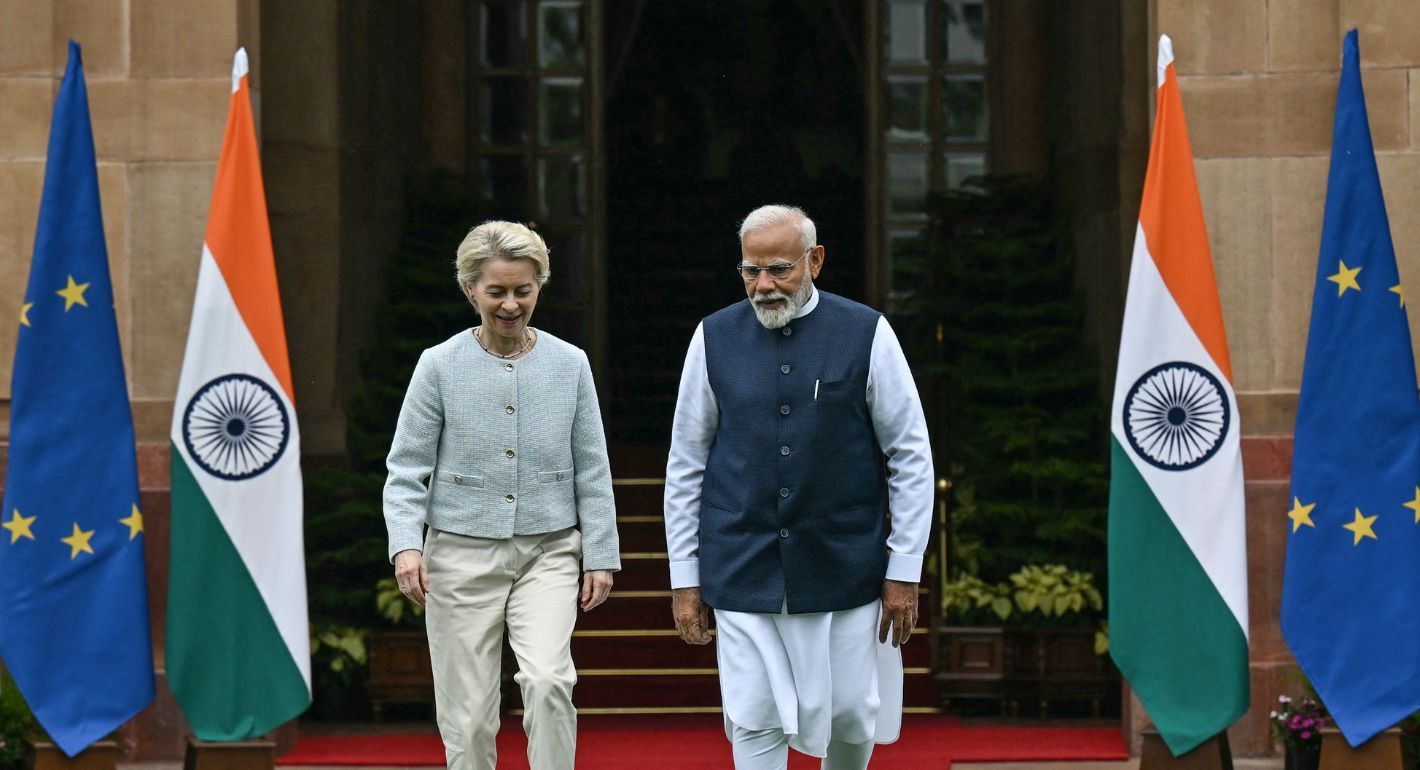
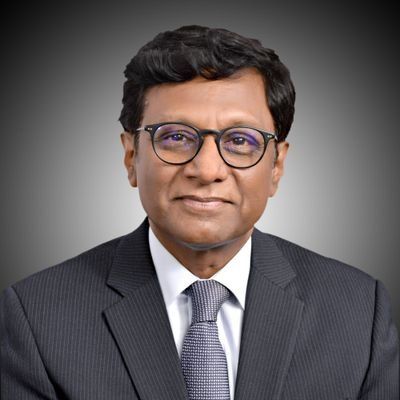
    This article argues that the geopolitical circumstances have never been more conducive, not merely for the early conclusion of the free trade agreement (FTA) between India and the EU, but also for crafting a substantive and comprehensive strategic partnership.

      Mohan Kumar

  • Source: iStock
    Commentary
    What’s Next for U.S. AI Policy?

    This commentary explores the likely actions of the Trump administration and driving forces on issues of deregulation, the United States’ leadership in AI, national security, and global engagements on AI safety.

      Shatakratu Sahu, Amlan Mohanty

Get more news and analysis from
Carnegie India
Carnegie India logo, white
Unit C-4, 5, 6, EdenparkShaheed Jeet Singh MargNew Delhi – 110016, IndiaPhone: 011-40078687
  • Research
  • About
  • Experts
  • Projects
  • Events
  • Contact
  • Careers
  • Privacy
  • For Media
Get more news and analysis from
Carnegie India
© 2026 Carnegie Endowment for International Peace. All rights reserved.