

Q&A
Christopher Boucek
{
  "authors": [
    "Christopher Boucek"
  ],
  "type": "legacyinthemedia",
  "centerAffiliationAll": "dc",
  "centers": [
    "Carnegie Endowment for International Peace"
  ],
  "collections": [],
  "englishNewsletterAll": "menaTransitions",
  "nonEnglishNewsletterAll": "",
  "primaryCenter": "Carnegie Endowment for International Peace",
  "programAffiliation": "MEP",
  "programs": [
    "Middle East"
  ],
  "projects": [],
  "regions": [
    "Middle East",
    "Yemen"
  ],
  "topics": [
    "Security"
  ]
}
Source: Getty
The Saudi Arabian program to rehabilitate former Guantanamo Bay detainees and al-Qaeda militants has seen high success rates, but it has also allowed a considerable number to slip through the cracks and return to militancy.
Source: CNN

How does it work?
CHRISTOPHER BOUCEK, CARNEGIE ENDOWMENT FOR INTERNATIONAL PEACE: Well, it works through several components. The first is intensive religious discussion and debate, and that's supplemented with extensive social support. So your family, while you are in custody, is given a salary, and a car, and other things to help offset the hardships of your being incarcerated. And then when you get released, there is a message delivered to your family that they are responsible for your behavior, so that if you get in trouble again, your family will be held responsible.
ROBERTS: So, 117 men, returned from Guantanamo bay, the detention center, have ended up, well, have gone through this program. Of those 11 have returned to Saudi Arabia's most-wanted terror list. It's a 90 percent success rate. But it's also a 10 percent failure rate.
And when you are dealing with people who are this potentially dangerous, can a 10 percent failure rate be accepted? BOUCEK: Well, I think, 10 percent, in perspective, probably sounds like a lot when you are dealing with people who have been in custody that you are releasing. However, every time you get someone to not do what they would have been doing otherwise, it should be viewed as a success. And when you compare rehabilitation in Saudi Arabia with other programs, say with a Federal prison in this country or mental health facility, the rates are much worse. So, clearly there needs to be more work.
ROBERTS: As we said, there were a couple of people who were in the leadership position in al Qaeda have gone through this program. One of them is Sayed Al Shireh, he went through an art therapy program in Saudi Arabia. As we said, now in a leadership in al Qaeda in the Arabian Peninsula, may have, we have to acknowledge that there is no direct connection here, and he may have had some hand in what Umar Farouk Abdulmutallab was alleged to have done.
I mean, when we talk about failure, even though as you said, if you can stop anybody from committing an act of terrorism, it's a good thing. But, does this raise questions about the program's effectiveness.
BOUCEK: I think this highlights the need for more intensive programs like this. And basically, when we talk about these programs, there is a desire to call them, reeducation, or deprogramming. In actuality, that is not what you are doing. You are not necessarily changing someone's beliefs. But these programs are probably best understood as some sort of a risk mitigation program. Every time you release someone from custody, there is a risk involved with their release, so what you to do is you want to create circumstances to lessen the likelihood that they will return to violence.
ROBERTS: One unnamed American official gave a quote to ABC about these rehabilitation programs, calling them a joke that quote, "gives detainees paints and crayons as part of the rehabilitation regiment." Can you tell us more about this art therapy rehabilitation program? How does it use work to try to convince people to give up Islamic fundamentalism?
BOUCEK: So, the art therapy is a component that is used in connection with a bunch of other components, like the religious discussion, the debate, the dialogue, and basically, art therapy is used the same way that it is used in hospitals or in other custodial treatment situations. It is trying to get these young men to try to express themselves in other ways. So, it might not be so much about the art therapy, it is about learning to come to terms with what their circumstances and what they have gone through. So, in a country like Saudi Arabia where there is no public art, the fact that you are engaging in art therapy is pretty remarkable. And I think when we are talking about the success of these programs, we need to keep in mind that this is not a silver bullet. There are many people who will never be rehabilitated and who do not want to be rehabilitated. So, these programs are actually targeted at the people who are looking for a way to change.
ROBERTS: John Horegon is in charge of the Penn State University's International Center for the Study of Terrorism. He is also got an upcoming book, due out February, called "Walking Away from Terrorism". He studied these rehabilitation programs. I believe you are familiar with him. He says that many detainees simply do and say what it takes to get a quick release back into the community. He says, we have quote, "very, very, very little evidence to suggest that these programs work in the ways that are being claimed."
Does he have a point?
BOUCEK: I think John has a really good point. And I think one of the things that is really important is that we need for risk assessment programs, and risk assessment processes to help determine when to let someone out of a program like this.
So there are programs to deal with deciding when you would let rapists or a murderer or a pedophile out of prison, but we don't have the tools to assess someone's propensity to engage in political violence. And this is a real urgent need. We need these tools to help understand when you would let a terrorist out of custody. Because right now it's very, very subjective.
ROBERTS: At present there are close to 100 detainees at Guantanamo bay, some of whom may be up for release in the not too distant future. Should this incident cause officials to rethink the release of any Yemeni detainees back into society?
BOUCEK: Well, I think, you know, there was a group which was sent back, a week or two ago. And there are about 93 or so Yemeni detainees still held at Guantanamo. Of those, maybe 40 or 50 originally were thought to be released. However, I cannot think of any American official who would want to be involved in releasing detainees back into Yemen, until there is some sort of a program in Yemen to help facilitate their reintegration and their return. There is a big concern that people being sent back to Yemen are going to return to militancy. And there needs to be a program to help offset that.
ROBERTS: Christopher Boucek from the Carnegie Endowment for Peace, good to talk to you.
Thank you so much for joining us this morning.
BOUCEK: Thank you very much.
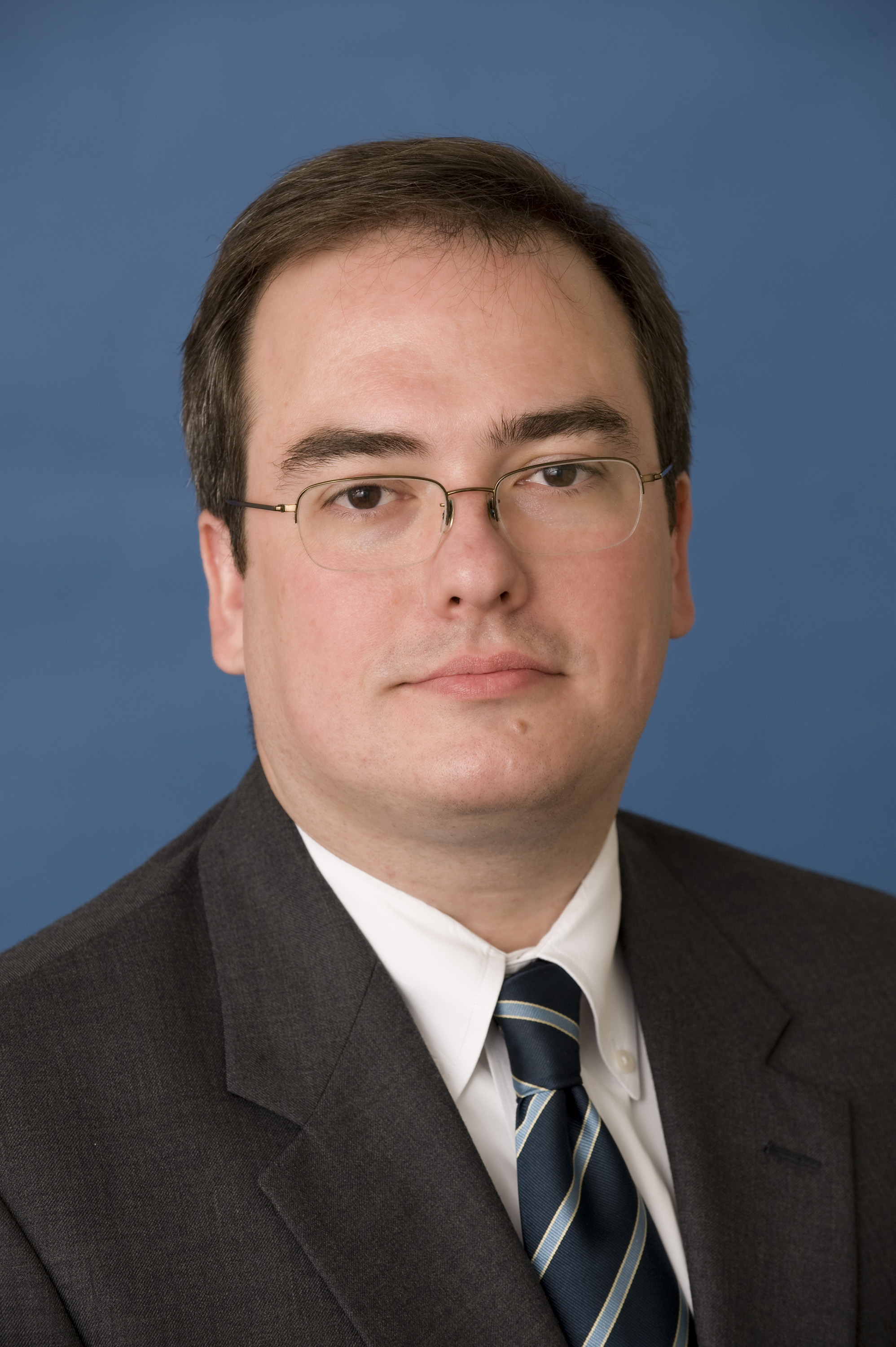
Former Associate, Middle East Program
Boucek was an associate in the Carnegie Middle East Program where his research focused on security challenges in the Arabian Peninsula and Northern Africa.
Recent Work
Christopher Boucek

Christopher Boucek, Karim Sadjadpour
Carnegie India does not take institutional positions on public policy issues; the views represented herein are those of the author(s) and do not necessarily reflect the views of Carnegie, its staff, or its trustees.

In any defense establishment, change is an ongoing process. However, despite the best of intentions, existing bureaucracies, bound by habit and years of socialization, have their limits in implementing transformative change.

Anit Mukherjee

After the chill in ties between 2020 and 2024 that brought India–China relations to their lowest point in several decades, the two countries have engaged each other afresh. This paper argues that there are predominantly four imperatives guiding India’s approach to China, and they exist in an order of priority.

Saheb Singh Chadha

This piece argues that the present Indian strategy, based on opportunistic diversification and utilization of limited strategic reserves, remains inadequate when confronting supply disruptions. It evaluates India’s options in the short, medium, and long terms.

Vrinda Sahai

This piece examines India’s response to U.S. sanctions and tariffs, specifically assessing the immediate market consequences, such as alterations in import costs, and the broader strategic implications for India’s energy security and foreign policy orientation.
Vrinda Sahai
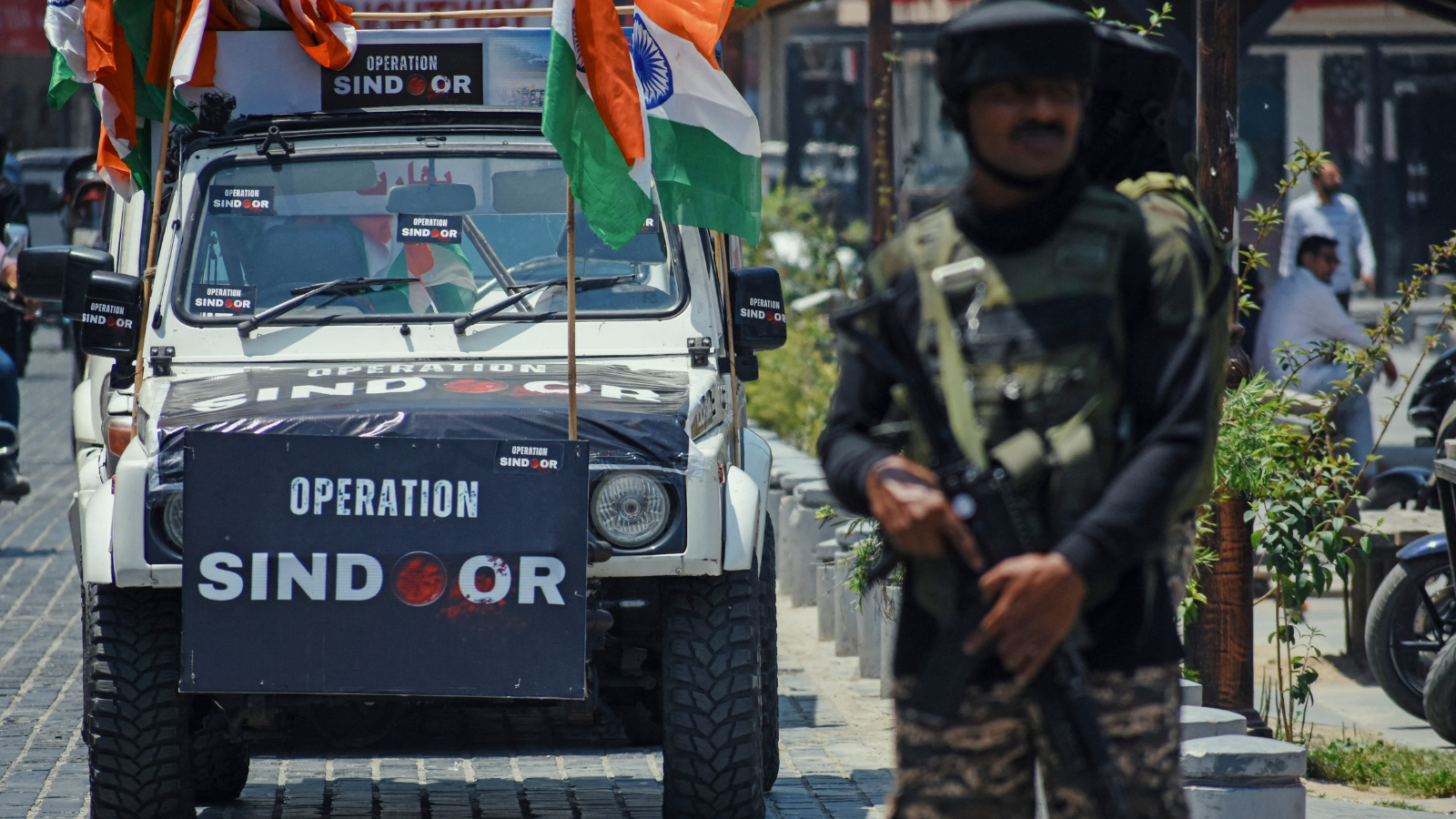
The India-Pakistan conflict that played out between May 6 and May 10, 2025, offers several military lessons. This article presents key takeaways from Operation Sindoor and breaks down how India’s preparations shaped the outcome and what more is needed to strengthen future readiness.

Dinakar Peri