

Commentary
Fabrice Pothier
{
  "authors": [
    "Fabrice Pothier"
  ],
  "type": "legacyinthemedia",
  "centerAffiliationAll": "",
  "centers": [
    "Carnegie Endowment for International Peace",
    "Carnegie Europe"
  ],
  "collections": [],
  "englishNewsletterAll": "",
  "nonEnglishNewsletterAll": "",
  "primaryCenter": "Carnegie Europe",
  "programAffiliation": "",
  "programs": [],
  "projects": [],
  "regions": [
    "Europe"
  ],
  "topics": [
    "Foreign Policy"
  ]
}
Source: Getty
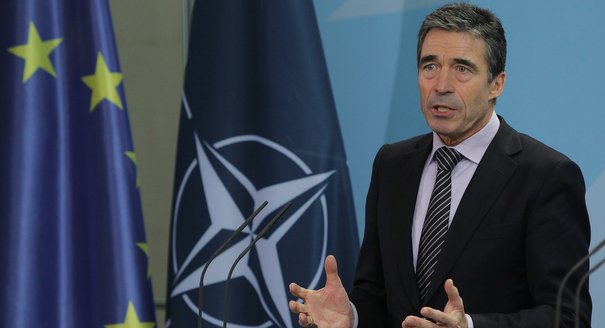
Two decades after the end of the Cold War, NATO must demonstrate that it can adapt to the security challenges of the 21st century, including nuclear weapons proliferation, terrorism and cyber-warfare.
Source: Global Europe

The predicament NATO faces in the coming decade boils down to one simple truth: it is not enough to share values; you must share the will to fight for and defend those values. Two decades after the end of the Cold War, the moment of truth has finally arrived for NATO: it must demonstrate that it can adapt to the security challenges of the 21st century.
The alliance must begin by identifying these challenges, and defining the role it can play in tackling them. From the threat of nuclear weapons proliferation to terrorism and cyber-warfare, NATO needs to pick its issues. It is only then, when the alliance faces the task of shaping its capabilities according to these threats, that the real work will begin.
NATO members are ill-equipped to deal with the emerging threats of the 21st century. The United States, for example, is wholly unprepared to respond to cyber-threats, while Europe can barely deploy 30 percent of its troops, few of whom are equipped or trained for modern warfare and training missions.
Finally, a 21st century NATO must be prepared to reach out to other regional and multilateral organizations. This would necessarily involve other organizations, such as the United Nations, improving their own effectiveness, but would make interventions in complex theatres like Afghanistan as comprehensive and legitimate as possible. Ultimately, the early 21st century is a time when NATO needs to fight for both effectiveness and relevance.
This article first appeared in Global Europe.

Former Director, Carnegie Europe
Pothier, director of Carnegie Europe, is a noted commentator on European policy in Afghanistan and Pakistan, transatlantic issues, and global drug policy.
Recent Work
Fabrice Pothier
Fabrice Pothier
Carnegie India does not take institutional positions on public policy issues; the views represented herein are those of the author(s) and do not necessarily reflect the views of Carnegie, its staff, or its trustees.

After the chill in ties between 2020 and 2024 that brought India–China relations to their lowest point in several decades, the two countries have engaged each other afresh. This paper argues that there are predominantly four imperatives guiding India’s approach to China, and they exist in an order of priority.

Saheb Singh Chadha

This piece argues that India’s central challenge is not managing a single flashpoint but resolving the underlying tension between expansion and institutional coherency of the BRICS grouping.

Vrinda Sahai
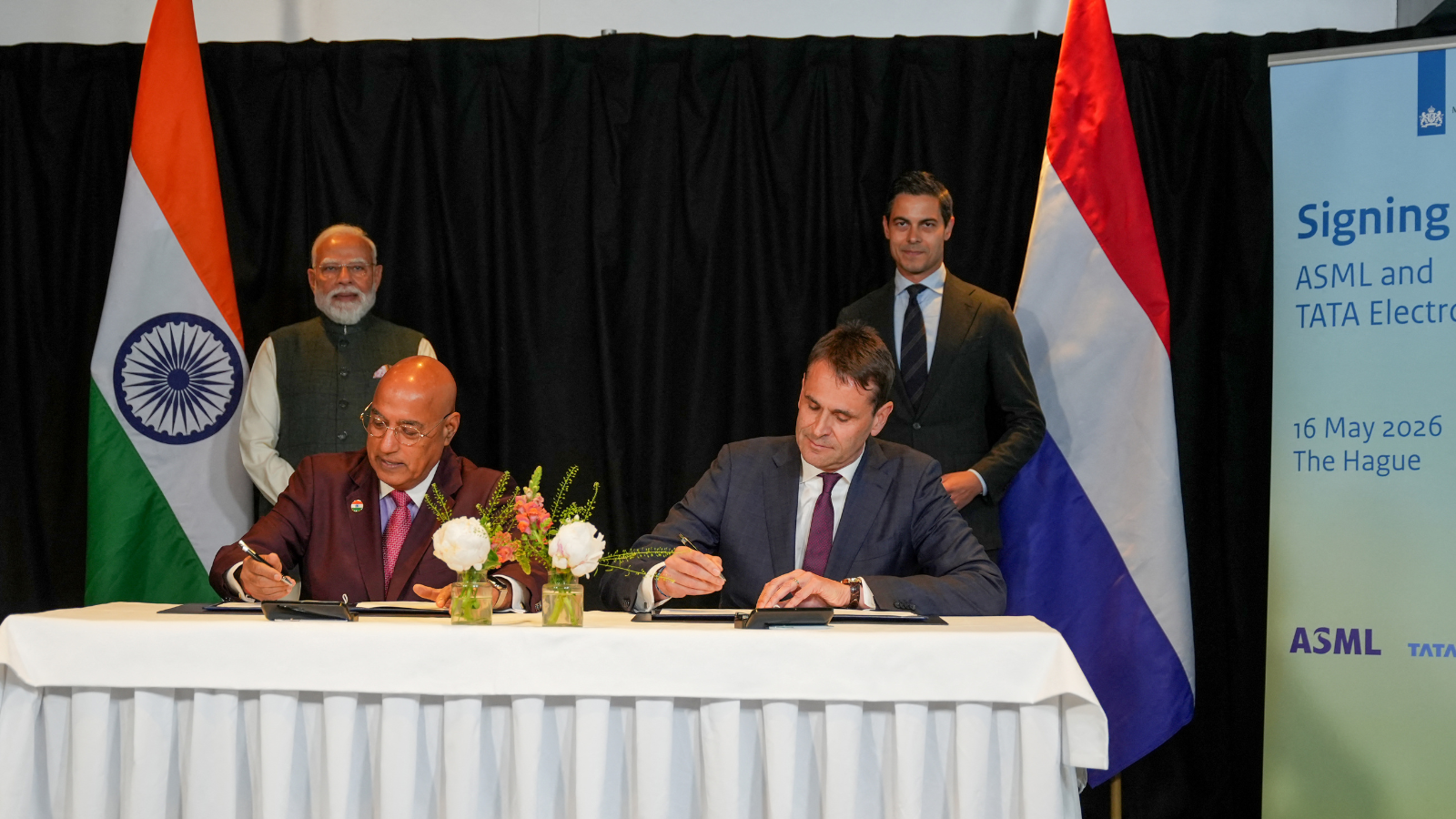
The ASML MoU with Tata Electronics is an indicator of how far the Indian semiconductor ecosystem has come. This ecosystem has been years in the making and represents real commercial logic.

Konark Bhandari

A partnership between India, a country of subcontinental size, and Africa, a continent of fifty-four countries, may seem asymmetric until one notes that both are home to nearly the same number of people—1.4 billion. This essay spells out the existing challenges to the partnership, its optimal potential, and the possible pathways to realize it over the next quarter-century.

Rajiv Bhatia

The India–EU Free Trade Agreement (FTA) is shaping up to be one of the most consequential trade negotiations, both economically and strategically. But, what’s in the agreement, what’s missing, and what will determine its success in the years ahead
Vrinda Sahai, Nicolas Köhler-Suzuki