

Commentary
Asia’s two largest nuclear powers have never threatened each other with nuclear weapons. How much will the recent deadly border clashes between China and India change the security landscape?
Toby Dalton, Tong Zhao, Rukmani Gupta
{
  "authors": [
    "George Perkovich",
    "James M. Acton"
  ],
  "type": "legacyinthemedia",
  "centerAffiliationAll": "dc",
  "centers": [
    "Carnegie Endowment for International Peace"
  ],
  "collections": [],
  "englishNewsletterAll": "ctw",
  "nonEnglishNewsletterAll": "",
  "primaryCenter": "Carnegie Endowment for International Peace",
  "programAffiliation": "NPP",
  "programs": [
    "Nuclear Policy"
  ],
  "projects": [],
  "regions": [],
  "topics": [
    "Nuclear Policy"
  ]
}
Source: Getty
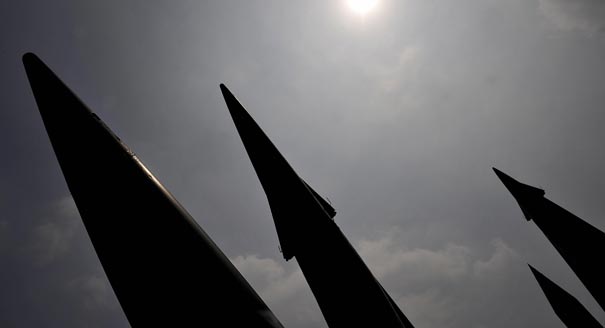
Governments should commission their defense research institutions to assess whether and how multilateral nuclear disarmament could be managed in nuclear-armed states to reach lower numbers.
Source: Abolition Debate Series

Of course, Beijing is not the only capital that must do intensive homework on this question. If multilateral reductions are to be feasible, many unexplored security questions must be answered. Brad Roberts writes that should the major powers “reduce their reliance on nuclear weapons and adapt their strategic postures to new circumstances,” they “will confront new problems of instability.”
If multilateral reductions are to be feasible, many unexplored security questions must be answered.
Lawrence Freedman notes that “a more inclusive process” of nuclear reductions “would not … necessarily address the issue of more delicate nuclear balances, when small numbers multiply the impact of any aggressive first strike.” Freedman adds that “[t]here is no reason to suppose [danger] just because the numbers had fallen below some threshold level. Nuclear options would come into play only when international relations were already at a breaking point. Nonetheless, those who rely on extended deterrence are going to be more concerned.…”
In other words, a great deal of analysis and debate is needed to assess whether and how reductions could be managed to the point that no nuclear-armed state had more than, say, low-hundreds of nuclear weapons. None of today’s nuclear-armed states (and those depending on them for security guarantees) would commit to major proportional reductions in their arsenals without well-vetted studies by their national defense establishments. And because the envisioned process would be multilateral, and therefore would involve complex calculations of deterrence equations involving changing sets of multiple actors, international analysis and debate would be necessary. The 2010 report of the International Commission on Nuclear Non-proliferation and Disarmament (ICNND) admirably advances this analysis and debate.
Building on the ICNND’s work, governments should commission their relevant defense research institutions to begin such studies now. There is no good reason not to, and commissioning such studies would be evidence that a state is taking its disarmament obligations seriously. Independent experts also should explore and model the “low numbers” problem.
Governments should commission their relevant defense research institutions to begin such studies now.
These questions provide a rich and important agenda for international analysis and debate.

Japan Chair for a World Without Nuclear Weapons, Senior Fellow
George Perkovich is the Japan Chair for a World Without Nuclear Weapons and a senior fellow in the Carnegie Endowment for International Peace’s Nuclear Policy Program. He works primarily on nuclear deterrence, nonproliferation, and disarmament issues.

Jessica T. Mathews Chair, Co-director, Nuclear Policy Program
Acton holds the Jessica T. Mathews Chair and is co-director of the Nuclear Policy Program at the Carnegie Endowment for International Peace.
Carnegie India does not take institutional positions on public policy issues; the views represented herein are those of the author(s) and do not necessarily reflect the views of Carnegie, its staff, or its trustees.
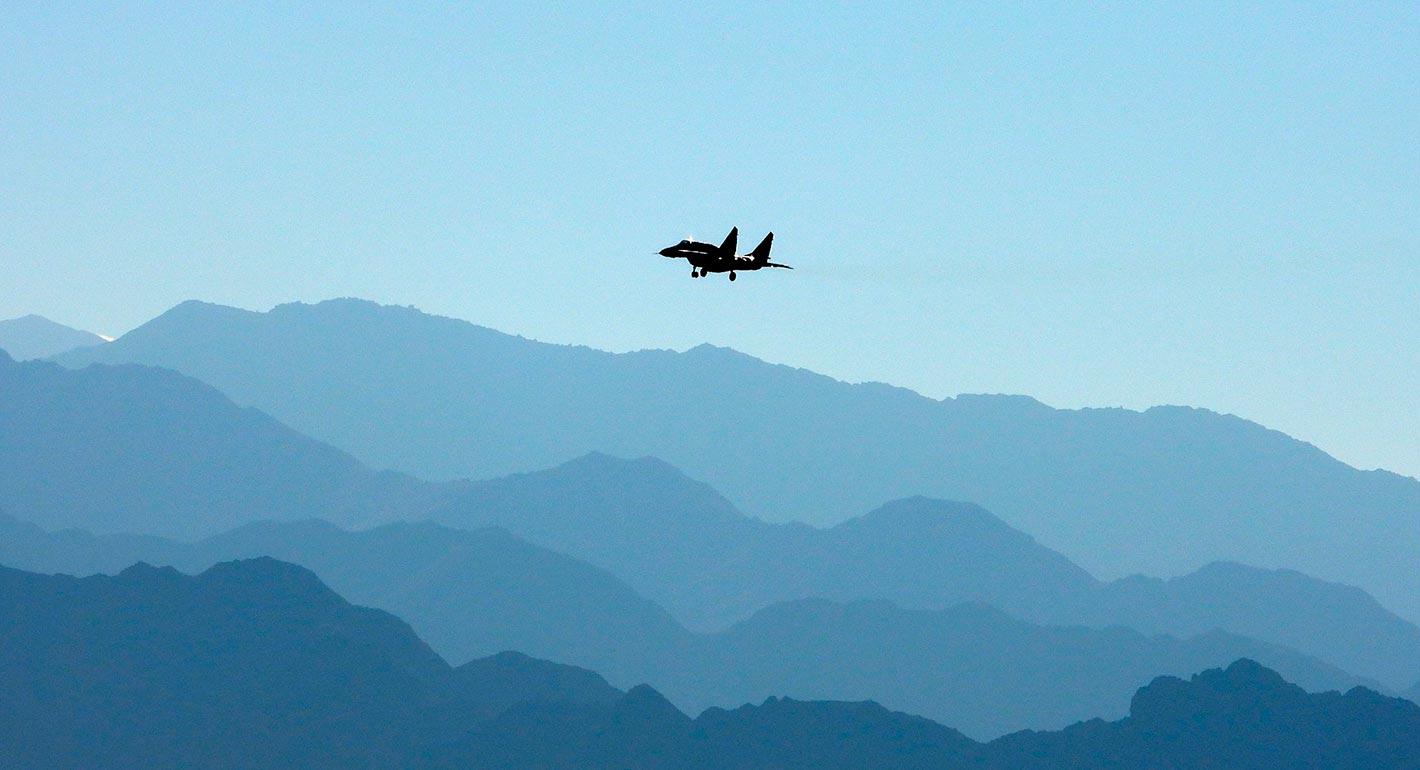
Asia’s two largest nuclear powers have never threatened each other with nuclear weapons. How much will the recent deadly border clashes between China and India change the security landscape?


Toby Dalton, Tong Zhao, Rukmani Gupta
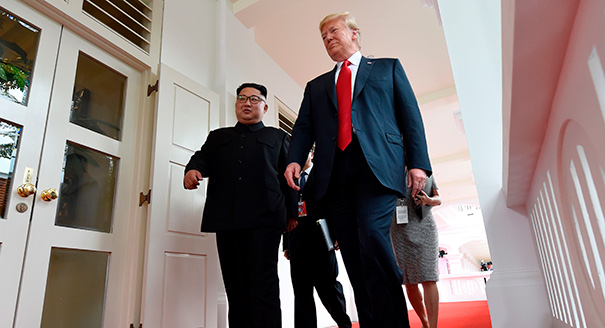
In the course of one morning in Singapore, U.S. President Donald Trump and the North Korean leader Kim Jong-un have begun to loosen a deeply entrenched and hostile relationship.
C. Raja Mohan
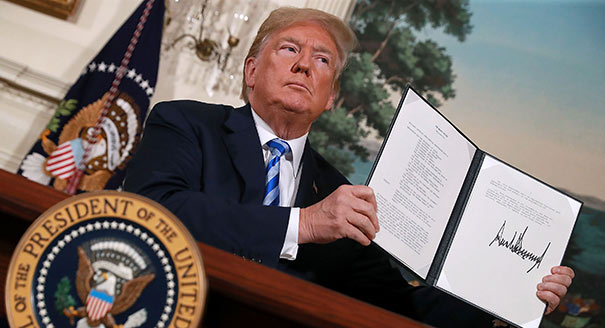
U.S. President Donald Trump’s decision to pull out of the Iran nuclear deal appears to have put regime change at the very center of the new American power play against Tehran.
C. Raja Mohan
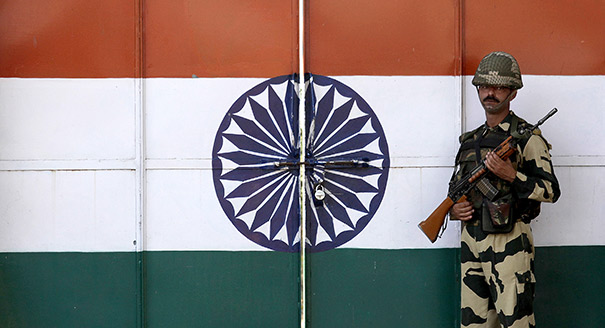
The South Asian stalemate is likely to endure even as South and North Korea appear poised to turn the page.
C. Raja Mohan
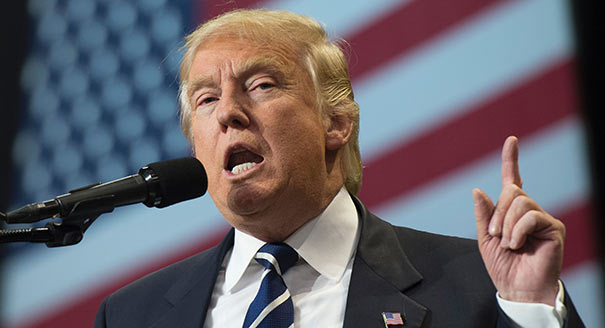
While the Trump administration’s efforts to get tough on Pakistan face challenges and potential dangers, the change in stance signals a new political will to pursue previously untried measures which offer some hope of success.
C. Raja Mohan