

Commentary
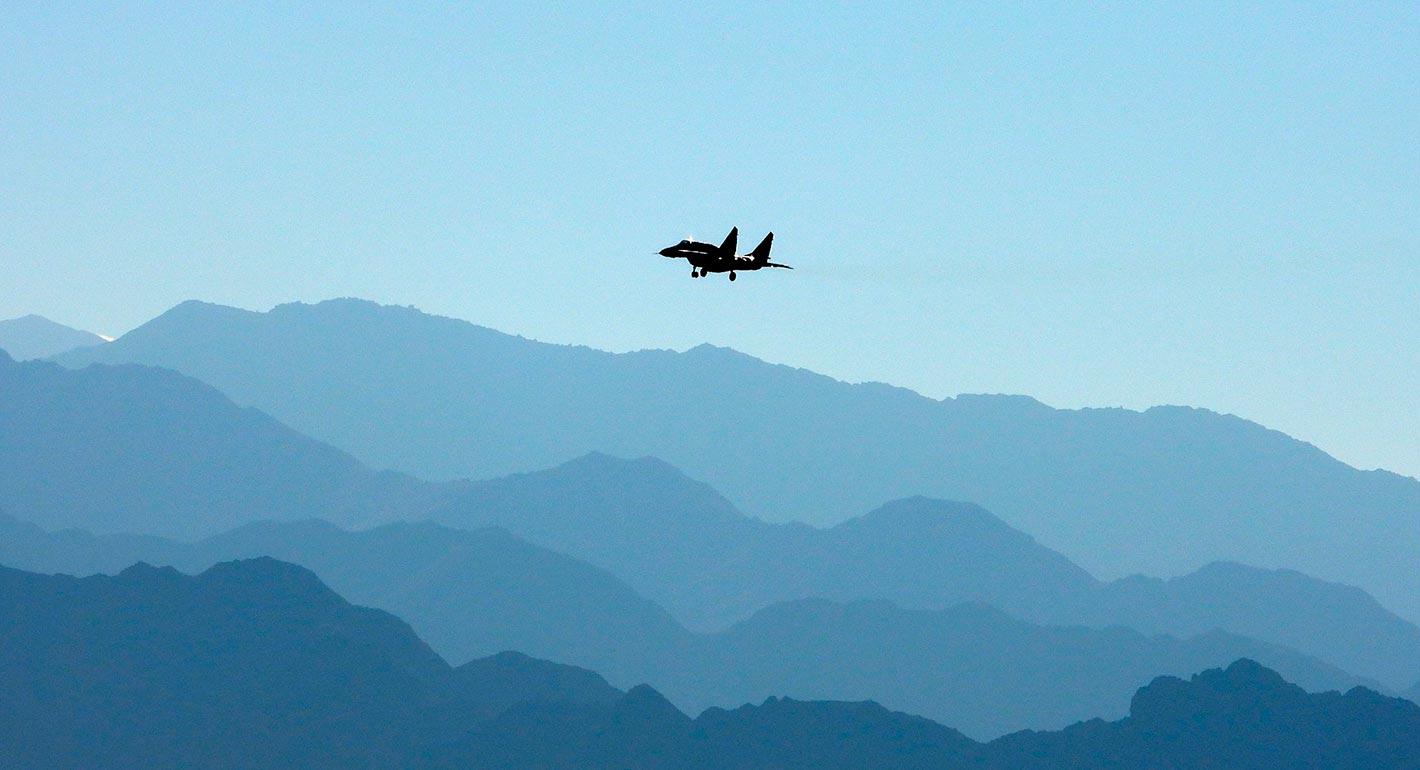
Asia’s two largest nuclear powers have never threatened each other with nuclear weapons. How much will the recent deadly border clashes between China and India change the security landscape?
Toby Dalton, Tong Zhao, Rukmani Gupta
{
  "authors": [
    "George Perkovich",
    "James M. Acton"
  ],
  "type": "legacyinthemedia",
  "centerAffiliationAll": "dc",
  "centers": [
    "Carnegie Endowment for International Peace"
  ],
  "collections": [],
  "englishNewsletterAll": "ctw",
  "nonEnglishNewsletterAll": "",
  "primaryCenter": "Carnegie Endowment for International Peace",
  "programAffiliation": "NPP",
  "programs": [
    "Nuclear Policy"
  ],
  "projects": [],
  "regions": [],
  "topics": [
    "Nuclear Policy"
  ]
}
Source: Getty
It is difficult to predict how public opinion will affect disarmament dynamics. However, it could act as a brake on disarmament progress rather than as an accelerator.
Source: Abolition Debate Series

Lawrence Freedman suggests that “if popular opinion becomes animated, it is as likely to serve as a brake on disarmament progress as an accelerator.” Moreover, public opinion is unlikely to be the same in all states, creating dilemmas that are intractable or at least extremely difficult to resolve, as Zia Mian trenchantly notes. Arguments that might convince the public of one nuclear-armed state that it will gain security in a world without nuclear weapons might communicate to other states that they would lose relative power in such a world. Mian avers that “some of the potential problems over nuclear-weapon abolition that result from arguments based purely on national security and national interest” could be overcome “by broadening the frame to include normative, moral, and legal considerations” that are universal and therefore do not convey relative advantage or disadvantage. This recommendation deserves to be taken seriously. Yet, it is probably arguments from security that will ultimately overcome the braking impulses of public opinion and opposition parties contemplating decisions by their leaders to relinquish nuclear weapons.
Historically, public movements to affect nuclear weapon policies have arisen in few states, primarily in the United Kingdom, the United States, and continental Europe. Some key nuclear-armed states do not allow independent public movements. Developments since President Barack Obama’s famous April 2009 Prague speech suggest that nuclear policy does not inspire significant numbers of citizens to mobilize, even where they are free to do so. An impressive array of former officials from many states have joined the Global Zero organization, but the issue remains the province of elites. This need not impede governments from adopting policies to reduce nuclear arsenals, strengthen the nonproliferation regime, and prepare conditions conducive to the multilateral elimination of nuclear weapons. Yet if such policies were to animate popular opposition to disarmament, as Freedman speculates they might, the question is whether countervailing public opinion would be mobilized in favor of it. This is difficult to foresee especially in nuclear-armed states whose governments believe—publicly or privately—that nuclear disarmament would disadvantage them relative to their more powerful competitors.

Japan Chair for a World Without Nuclear Weapons, Senior Fellow
George Perkovich is the Japan Chair for a World Without Nuclear Weapons and a senior fellow in the Carnegie Endowment for International Peace’s Nuclear Policy Program. He works primarily on nuclear deterrence, nonproliferation, and disarmament issues.

Jessica T. Mathews Chair, Co-director, Nuclear Policy Program
Acton holds the Jessica T. Mathews Chair and is co-director of the Nuclear Policy Program at the Carnegie Endowment for International Peace.
Carnegie India does not take institutional positions on public policy issues; the views represented herein are those of the author(s) and do not necessarily reflect the views of Carnegie, its staff, or its trustees.
Asia’s two largest nuclear powers have never threatened each other with nuclear weapons. How much will the recent deadly border clashes between China and India change the security landscape?


Toby Dalton, Tong Zhao, Rukmani Gupta
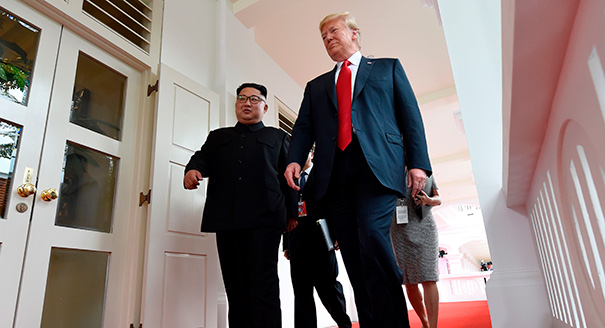
In the course of one morning in Singapore, U.S. President Donald Trump and the North Korean leader Kim Jong-un have begun to loosen a deeply entrenched and hostile relationship.
C. Raja Mohan
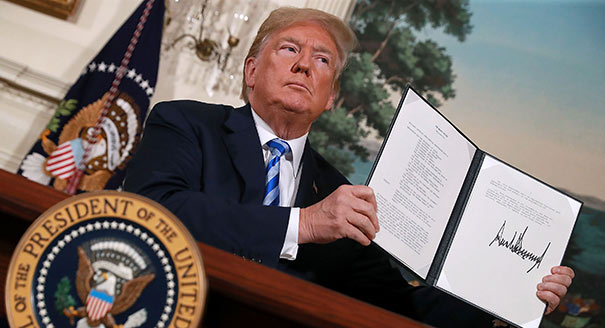
U.S. President Donald Trump’s decision to pull out of the Iran nuclear deal appears to have put regime change at the very center of the new American power play against Tehran.
C. Raja Mohan
The South Asian stalemate is likely to endure even as South and North Korea appear poised to turn the page.
C. Raja Mohan
While the Trump administration’s efforts to get tough on Pakistan face challenges and potential dangers, the change in stance signals a new political will to pursue previously untried measures which offer some hope of success.
C. Raja Mohan