

Commentary
Uri Dadush
{
  "authors": [
    "Uri Dadush"
  ],
  "type": "legacyinthemedia",
  "centerAffiliationAll": "",
  "centers": [
    "Carnegie Endowment for International Peace"
  ],
  "collections": [],
  "englishNewsletterAll": "",
  "nonEnglishNewsletterAll": "",
  "primaryCenter": "Carnegie Endowment for International Peace",
  "programAffiliation": "",
  "programs": [],
  "projects": [],
  "regions": [
    "Western Europe",
    "United Kingdom",
    "France",
    "Germany",
    "North America"
  ],
  "topics": [
    "Economy"
  ]
}
Source: Getty
The problems that led to the crisis in Europe go beyond just fiscal profligacy and will take a long time to correct. Though the euro will likely survive the adjustment, the crisis could still have a profound effect on the global economy.
Source: Voice of America
Though the crisis in Europe is not expected to be as devastating as the financial crisis in 2008, Uri Dadush explains that it will likely last longer. Europe’s problems “cannot be dealt with very quickly. You need to correct not just the government debt problems and the fiscal problems which are the result of very deep recessions, but you also have to do something about making these economies more competitive.” The dissolution of the Euro area is unlikely, but it is conceivable that one or two countries, including Greece, could decide to leave the Euro area in order to facilitate the adjustments needed to resolve the crisis.
Dadush also notes that the crisis is not confined to Europe. Problems in the Euro area, one of the world’s largest export markets, will impact economies around the world. Major trading partners, including the United States and China, will lose competitiveness relative to Europe as the value of the euro falls. For the United States, however, the biggest risk from the Euro crisis comes through financial channels. If the crisis intensifies, European banks would be hit with big losses that could cause credit markets to tighten again.

Former Senior Associate, International Economics Program
Dadush was a senior associate at the Carnegie Endowment for International Peace. He focuses on trends in the global economy and is currently tracking developments in the eurozone crisis.
Recent Work
Uri Dadush
Uri Dadush
Carnegie India does not take institutional positions on public policy issues; the views represented herein are those of the author(s) and do not necessarily reflect the views of Carnegie, its staff, or its trustees.

This piece examines India’s response to U.S. sanctions and tariffs, specifically assessing the immediate market consequences, such as alterations in import costs, and the broader strategic implications for India’s energy security and foreign policy orientation.

Vrinda Sahai
This paper examines the evolution of India-China economic ties from 2005 to 2025. It explores the impact of global events, bilateral political ties, and domestic policies on distinct spheres of the economic relationship.

Santosh Pai
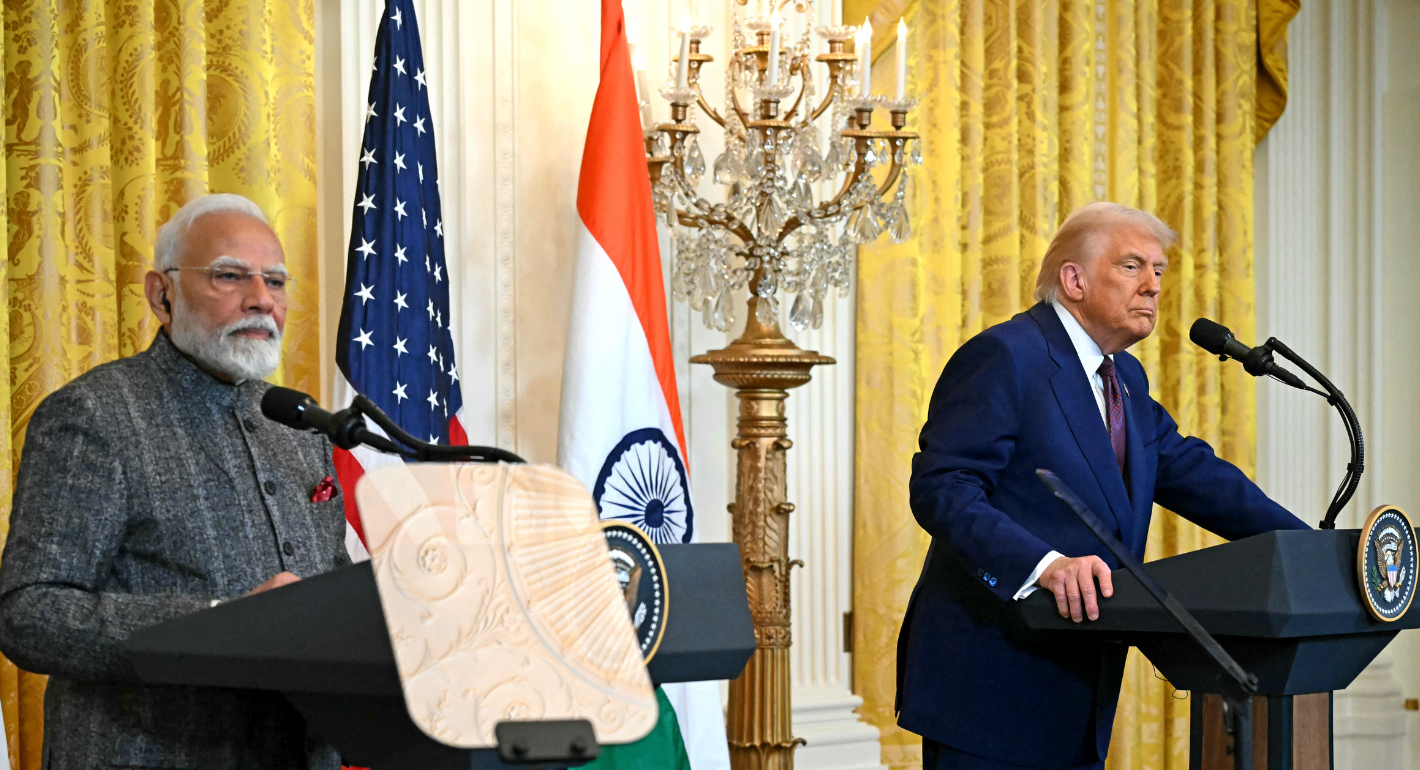
The India-U.S. relationship currently appears buffeted between three “Ts”—TRUST, Tariffs, and Trump.
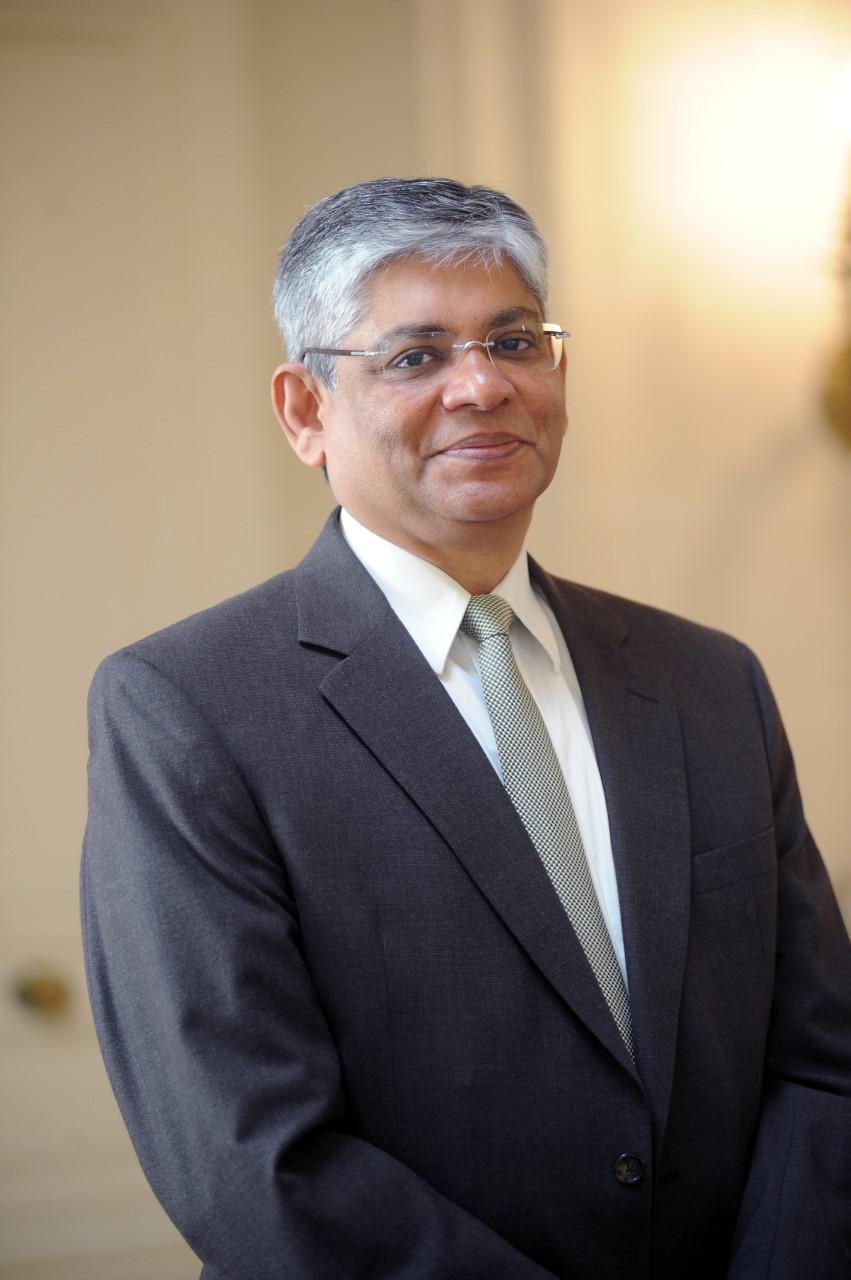
Arun K. Singh

The Technology and Security Initiative (TSI) ought to be more strategic, especially at a time of geopolitical displacement. This is an opportunity to fuse two deep technology ecosystems to co-produce and co-innovate solutions, products, and emerging technologies of the future.



Rudra Chaudhuri, Tejas Bharadwaj, Konark Bhandari, …
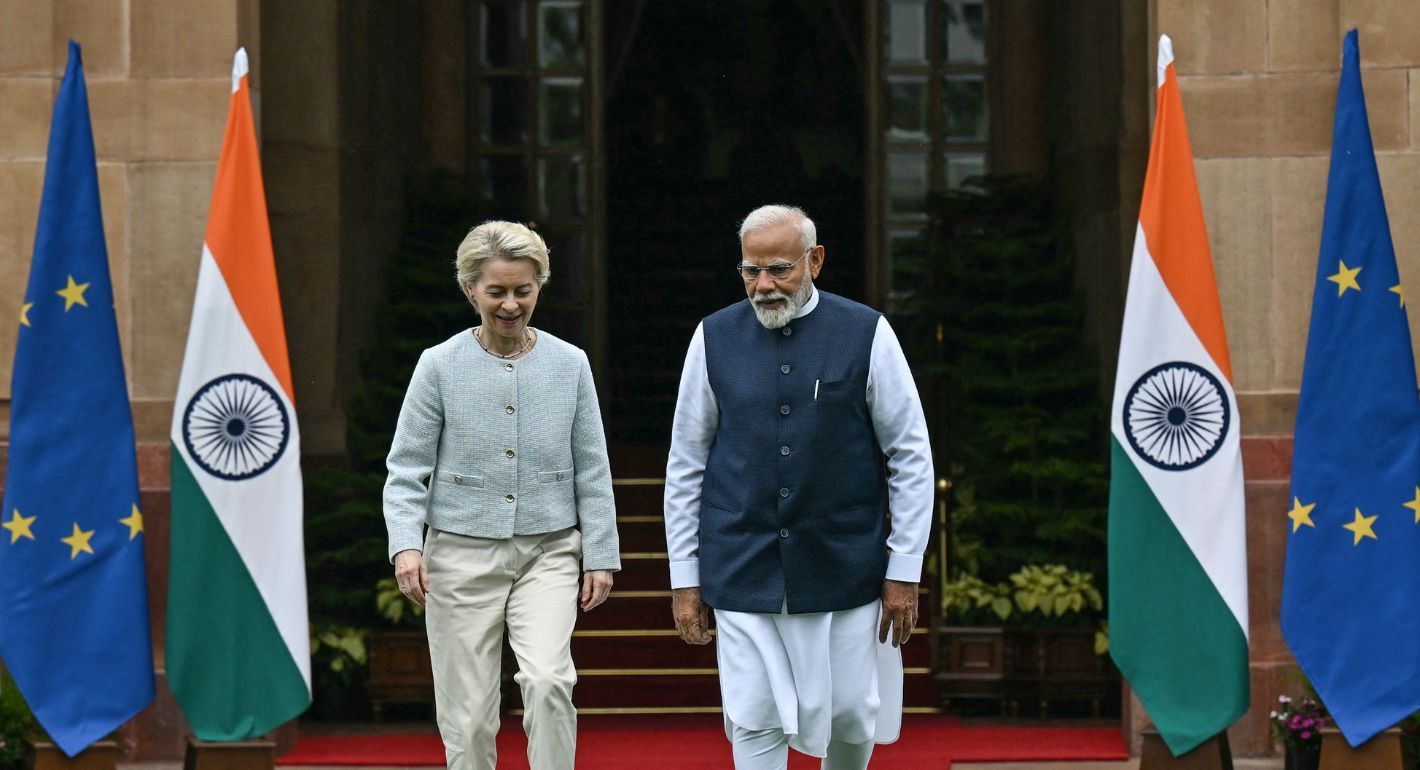
This article argues that the geopolitical circumstances have never been more conducive, not merely for the early conclusion of the free trade agreement (FTA) between India and the EU, but also for crafting a substantive and comprehensive strategic partnership.

Mohan Kumar