

Paper
Pekka Sutela
{
  "authors": [
    "Pekka Sutela"
  ],
  "type": "other",
  "centerAffiliationAll": "dc",
  "centers": [
    "Carnegie Endowment for International Peace",
    "Carnegie Russia Eurasia Center"
  ],
  "collections": [],
  "englishNewsletterAll": "ctw",
  "nonEnglishNewsletterAll": "",
  "primaryCenter": "Carnegie Endowment for International Peace",
  "programAffiliation": "russia",
  "programs": [
    "Russia and Eurasia"
  ],
  "projects": [],
  "regions": [
    "Caucasus",
    "Russia",
    "North America"
  ],
  "topics": [
    "Economy"
  ]
}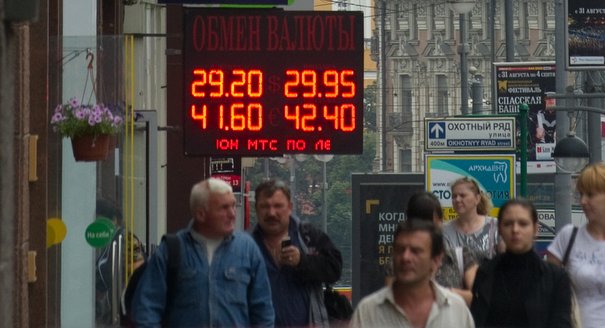
Source: Getty
While Russia’s short-term economy will largely depend on oil prices and the country’s demographic challenges, its medium-to-long-term outlook will be influenced by the lessons that leaders take from the crisis, which will affect Russia’s economic structure and policies for many years to come.
While the timing and extent of the global financial crisis surprised many countries, Russia was generally prepared. Its macroeconomic management of the recession rightly earned accolades from several international organizations.
But Moscow’s industrial and social policy responses were not as praiseworthy, representing yet another victory of political tactics over economic strategy. Although Russia’s leaders saw the crisis as vindicating their past policies—including the reform strategies they devised from 2006–2008—most of the structural issues in Russia’s economy remain, with solutions likely delayed for several years. Russia’s fiscal decline— from an average of 7 percent annual growth before the crisis to a loss of 7.9 percent GDP in 2009—is the highest figure among G20 countries.
Russia’s economy in the near term will largely depend on oil prices and how Moscow handles the country’s demographic challenges. But the economy’s medium-to-long-term outlook will be influenced by the lessons that leaders take from the crisis, which will affect Russia’s economic structure and policies for many years to come.
Former Nonresident Senior Associate, Russia and Eurasia Program
Sutela was a nonresident senior associate in the Carnegie Endowment’s Russia and Eurasia Program, where his research focuses on the economies of Eurasia, especially Russia.
Recent Work
Pekka Sutela
Pekka Sutela
Carnegie India does not take institutional positions on public policy issues; the views represented herein are those of the author(s) and do not necessarily reflect the views of Carnegie, its staff, or its trustees.

This piece argues that India’s central challenge is not managing a single flashpoint but resolving the underlying tension between expansion and institutional coherency of the BRICS grouping.

Vrinda Sahai

On March 10, 2026, India’s Union Cabinet approved amendments to Press Note 3, a regulation that mandated government approval on all foreign direct investment (FDI) from countries sharing a land border with India. This amendment raises questions primarily about whether its stated benefits will materialize and if the risks have been adequately weighed. This piece will address the same.

Konark Bhandari

This piece examines India’s response to U.S. sanctions and tariffs, specifically assessing the immediate market consequences, such as alterations in import costs, and the broader strategic implications for India’s energy security and foreign policy orientation.
Vrinda Sahai

This paper examines the evolution of India-China economic ties from 2005 to 2025. It explores the impact of global events, bilateral political ties, and domestic policies on distinct spheres of the economic relationship.

Santosh Pai
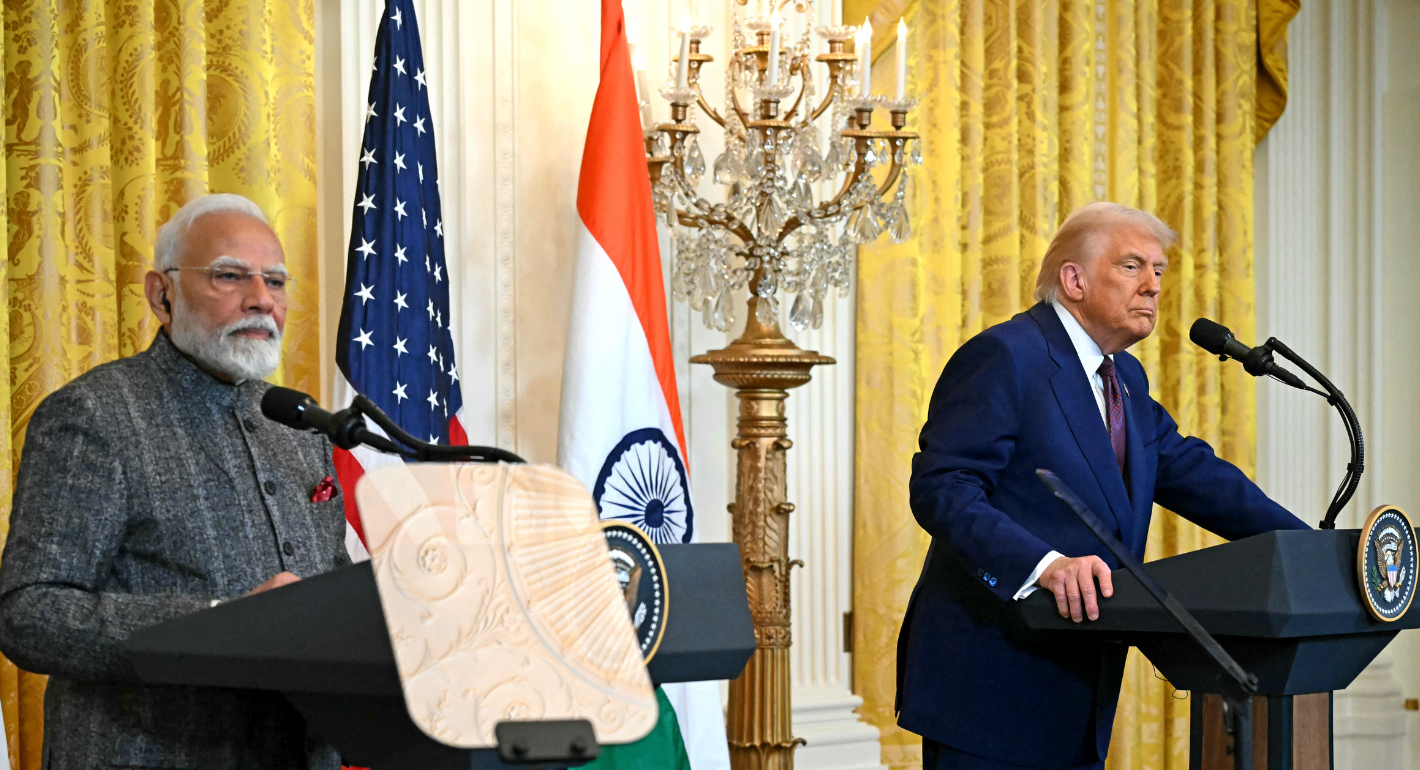
The India-U.S. relationship currently appears buffeted between three “Ts”—TRUST, Tariffs, and Trump.
Arun K. Singh