

Q&A
S. Akbar Zaidi
{
  "authors": [
    "S. Akbar Zaidi"
  ],
  "type": "other",
  "centerAffiliationAll": "dc",
  "centers": [
    "Carnegie Endowment for International Peace"
  ],
  "collections": [],
  "englishNewsletterAll": "ctw",
  "nonEnglishNewsletterAll": "",
  "primaryCenter": "Carnegie Endowment for International Peace",
  "programAffiliation": "SAP",
  "programs": [
    "South Asia"
  ],
  "projects": [],
  "regions": [
    "South Asia",
    "Pakistan"
  ],
  "topics": [
    "Economy"
  ]
}
Source: Getty
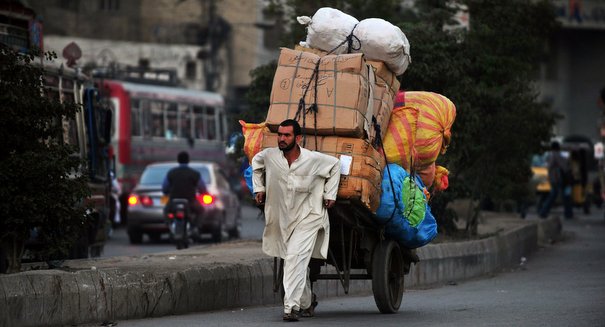
Pakistan's economic instability stems in large part from low government revenue due to the elite's use of tax evasions, loopholes, and exemptions. Without tax reform, Pakistan will continue to run an unsustainable debt and be forced to rely on Western donors for bailouts.
Unable to sustain solid growth, Pakistan’s economy is teetering on the brink of collapse, with one-third of the population living below the poverty line. S. Akbar Zaidi writes in a paper that Pakistan’s economic instability stems in large part from low government revenue due to the elite’s use of tax evasions, loopholes, and exemptions. Without tax reform, Pakistan will continue to run an unsustainable debt and be forced to rely on Western donors for bailouts.
“Pakistan’s lack of a proper tax and revenue regime has resulted in high rates of tax evasion, burdening the country with unsustainable debt and undermining its development priorities,” writes Zaidi. “The key to the country’s economic prosperity—even its survival—is a far-reaching program of tax reform.”
Former Visiting Scholar, South Asia Program
Zaidi was a visiting scholar in the Carnegie Endowment’s South Asia Program. A visiting professor at Johns Hopkins University’s School of Advanced International Studies (SAIS), his research focuses on development, governance, and political economy in South Asia.
Recent Work
S. Akbar Zaidi
S. Akbar Zaidi
Carnegie India does not take institutional positions on public policy issues; the views represented herein are those of the author(s) and do not necessarily reflect the views of Carnegie, its staff, or its trustees.

On March 10, 2026, India’s Union Cabinet approved amendments to Press Note 3, a regulation that mandated government approval on all foreign direct investment (FDI) from countries sharing a land border with India. This amendment raises questions primarily about whether its stated benefits will materialize and if the risks have been adequately weighed. This piece will address the same.

Konark Bhandari
Trump 2.0 has unsettled India’s external environment—but has not overturned its foreign policy strategy, which continues to rely on diversification, hedging, and calibrated partnerships across a fractured order.



Milan Vaishnav, ed., Sameer Lalwani, Tanvi Madan, …

This piece examines India’s response to U.S. sanctions and tariffs, specifically assessing the immediate market consequences, such as alterations in import costs, and the broader strategic implications for India’s energy security and foreign policy orientation.

Vrinda Sahai

This paper examines the evolution of India-China economic ties from 2005 to 2025. It explores the impact of global events, bilateral political ties, and domestic policies on distinct spheres of the economic relationship.

Santosh Pai
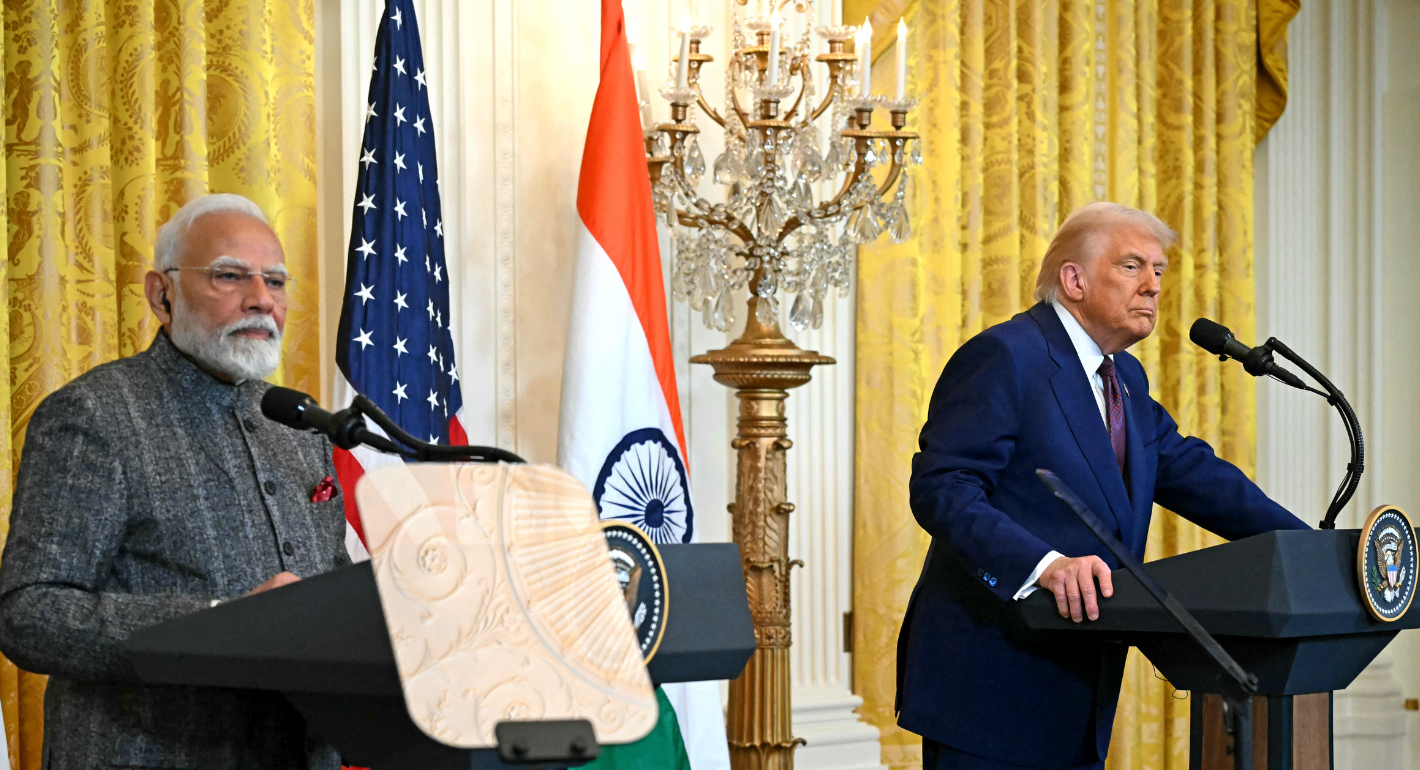
The India-U.S. relationship currently appears buffeted between three “Ts”—TRUST, Tariffs, and Trump.
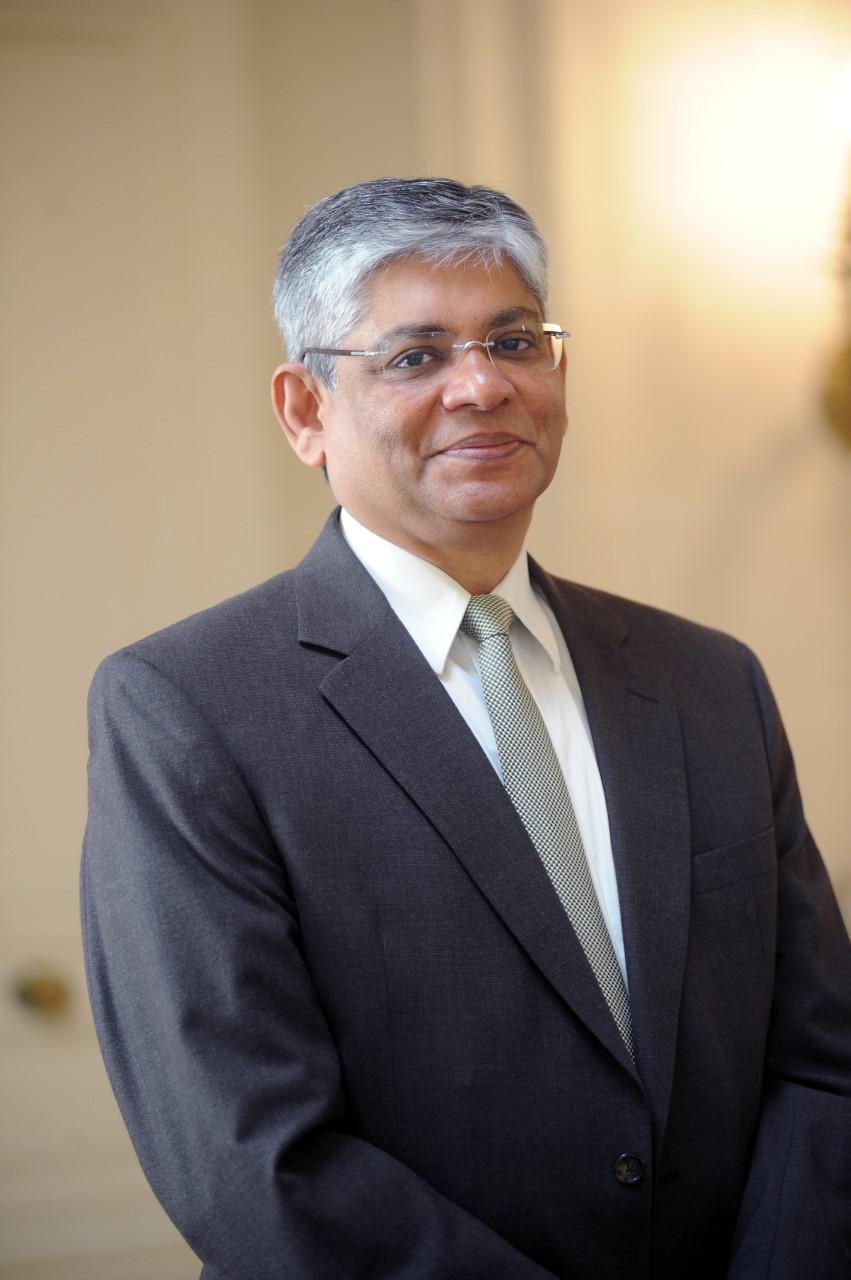
Arun K. Singh