

Article
This piece argues that India’s central challenge is not managing a single flashpoint but resolving the underlying tension between expansion and institutional coherency of the BRICS grouping.
Vrinda Sahai
{
  "authors": [],
  "type": "pressRelease",
  "centerAffiliationAll": "dc",
  "centers": [
    "Carnegie Endowment for International Peace"
  ],
  "collections": [],
  "englishNewsletterAll": "ctw",
  "nonEnglishNewsletterAll": "",
  "primaryCenter": "Carnegie Endowment for International Peace",
  "programAffiliation": "NPP",
  "programs": [
    "Nuclear Policy"
  ],
  "projects": [],
  "regions": [
    "Russia",
    "Western Europe"
  ],
  "topics": [
    "Nuclear Policy"
  ]
}
REQUIRED IMAGE
With widening calls to move toward a world free of nuclear weapons, NATO’s nuclear policy will be high on the agenda during the Alliance’s November summit in Lisbon.
WASHINGTON—With widening calls to move toward a world free of nuclear weapons, NATO’s nuclear policy will be high on the agenda during the Alliance’s November summit in Lisbon. In a new paper, Detlef Waechter writes that NATO members should endorse the approach outlined by Secretary of State Clinton in April calling for NATO to retain its nuclear capability but begin an internal process of rethinking its nuclear posture. This modest but realistic course signals a commitment to defending member states while also demonstrating progress on arms control and disarmament.
Key Policy Recommendations:
Achieving a Europe free of nuclear weapons "requires considerable will to compromise on the part of the United States, which owns the tactical nuclear weapons in Europe as well as the strategic weapons systems," Waechter writes. "But the result—a European continent free of nuclear weapons, a NATO reconciled with Russia, and an Alliance free to tackle emerging security threats—would certainly make the effort worthwhile."
NOTES
Click here to read the policy outlook online
Detlef Waechter is a German diplomat and a visiting fellow at the Carnegie Endowment for International Peace. He served on Chancellor Angela Merkel’s foreign and security policy team in the Federal Chancellery from 2007–2010, and from 2005 to 2007 served in the German Permanent Representation at NATO in Brussels.
The Carnegie Nuclear Policy Program is an internationally acclaimed source of expertise and policy thinking on nuclear industry, nonproliferation, security, and disarmament. Its multinational staff stays at the forefront of nuclear policy issues in the United States, Russia, China, Northeast Asia, South Asia, and the Middle East.
Press Contact: Kendra Galante, 202-939-2233, pressoffice@ceip.org
Carnegie India does not take institutional positions on public policy issues; the views represented herein are those of the author(s) and do not necessarily reflect the views of Carnegie, its staff, or its trustees.

This piece argues that India’s central challenge is not managing a single flashpoint but resolving the underlying tension between expansion and institutional coherency of the BRICS grouping.

Vrinda Sahai
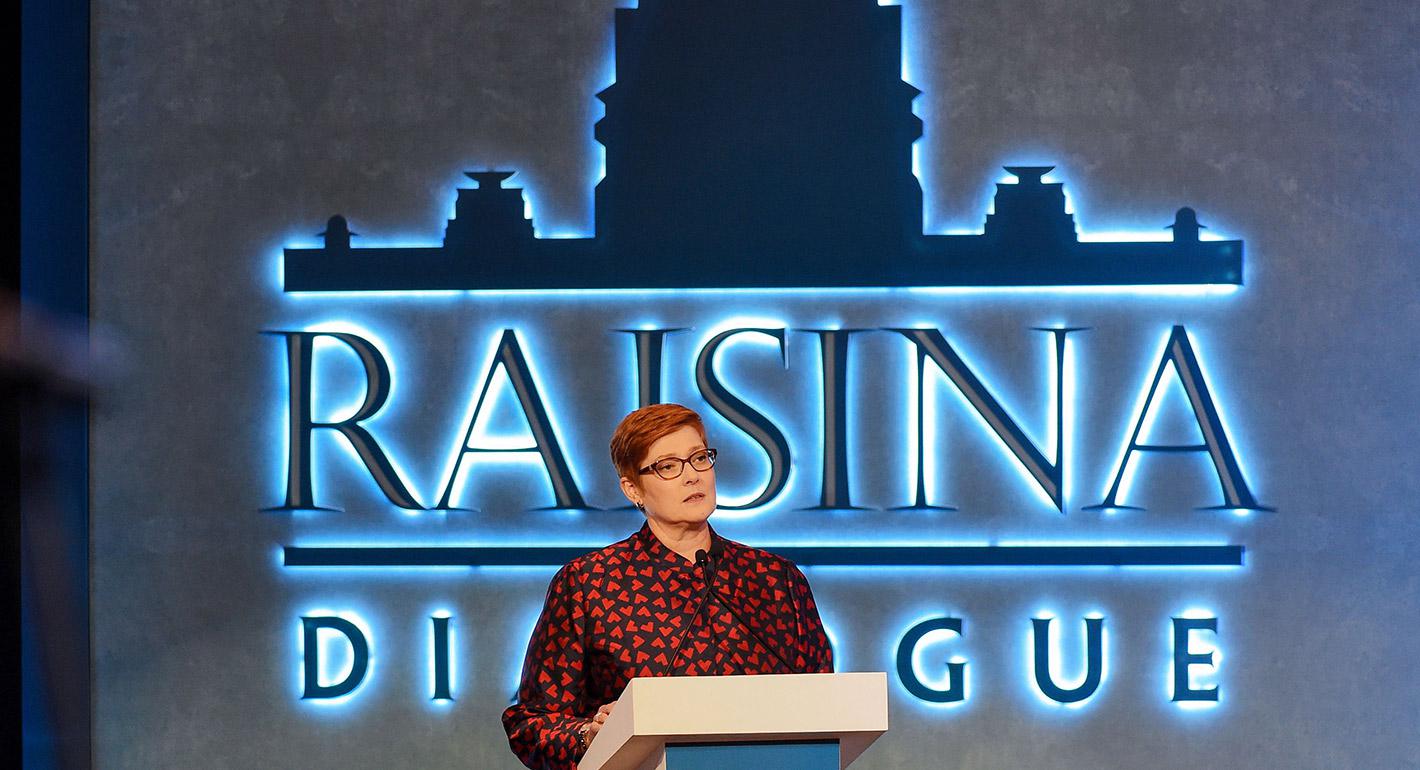
Foreign ministers from India, France, and Australia recently met (virtually) at the Raisina Dialogue, India’s flagship annual conference on geopolitics and geoeconomics. What can they get done if they work together?


Rudra Chaudhuri, Shibani Mehta
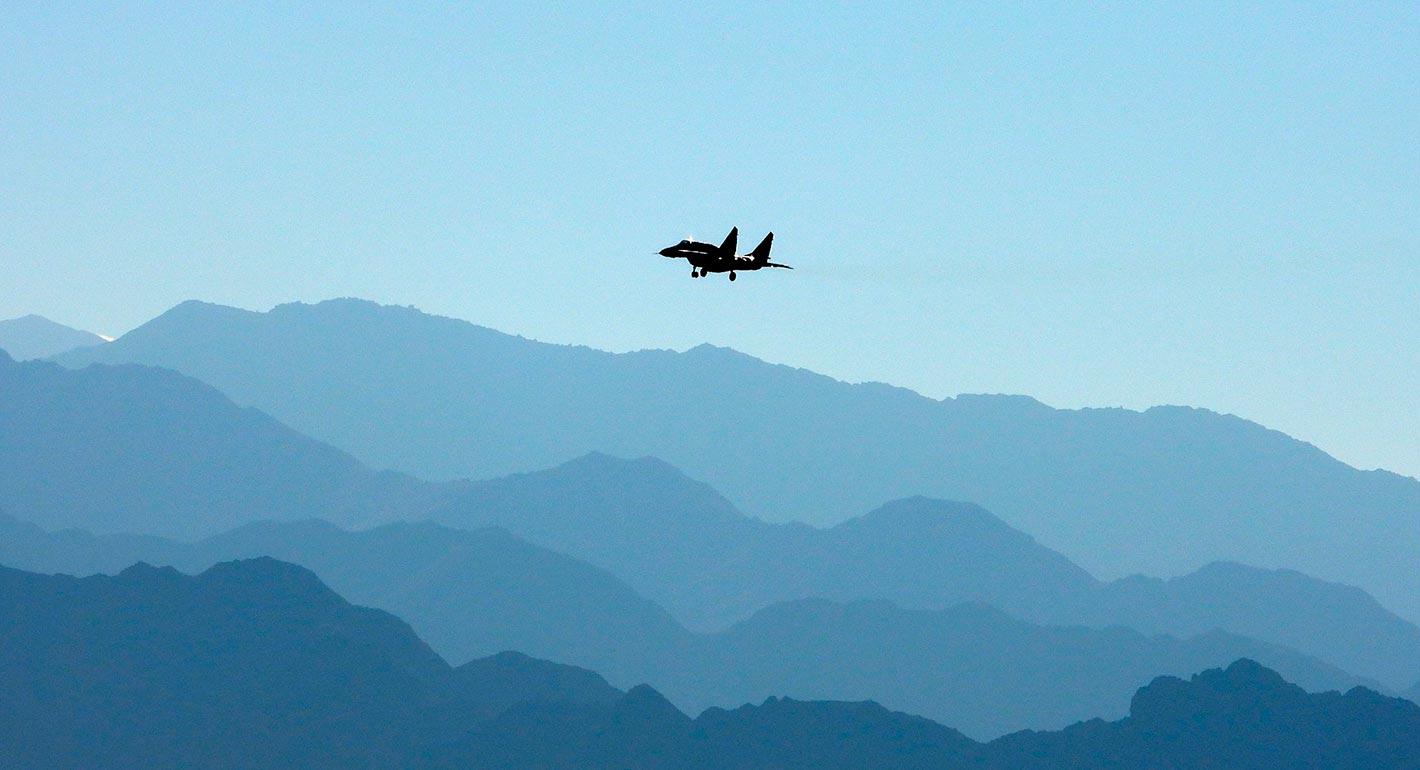
Asia’s two largest nuclear powers have never threatened each other with nuclear weapons. How much will the recent deadly border clashes between China and India change the security landscape?


Toby Dalton, Tong Zhao, Rukmani Gupta
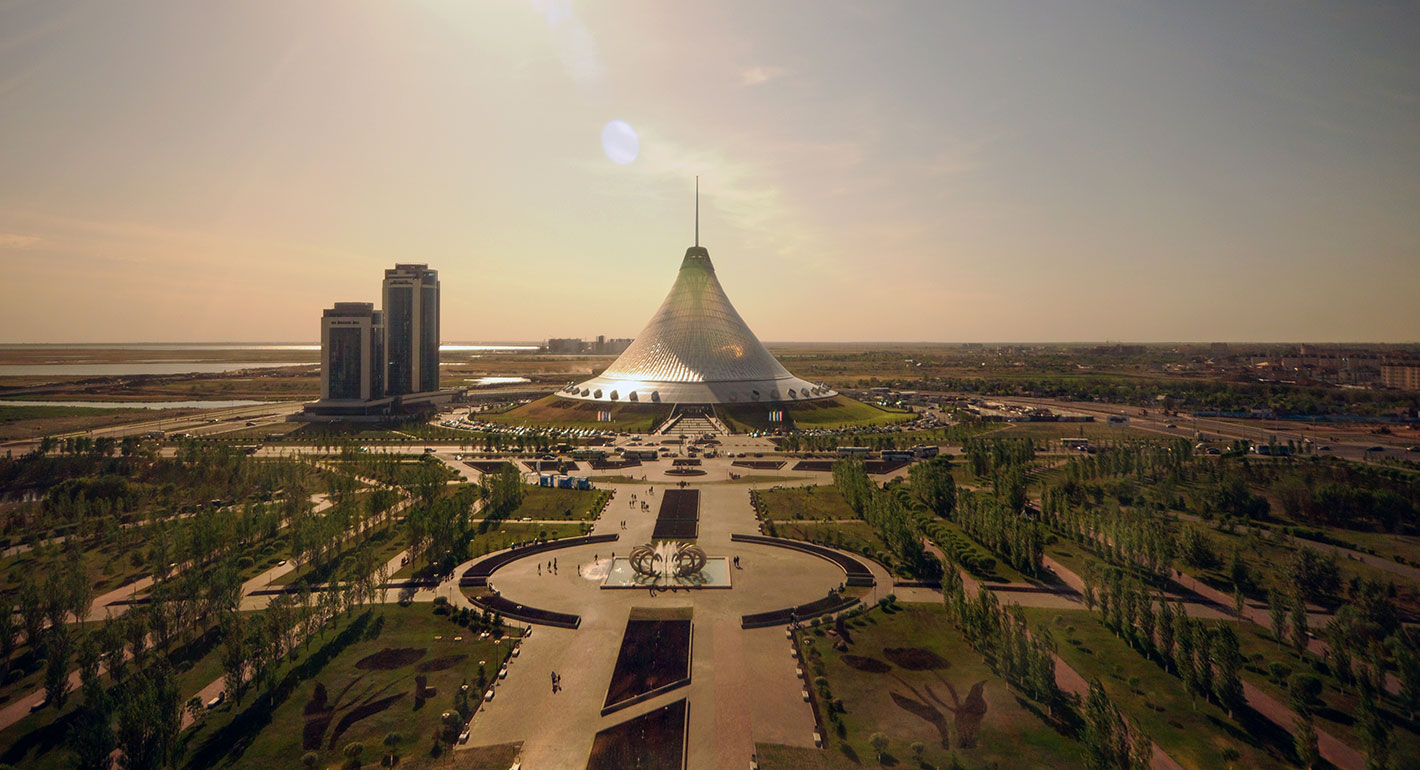
With contributors from various Central Asian nations and beyond, this issue of Seminar provides a selection of perspectives about the past, present, and future trajectory of Central Asia, and the growing role of external actors, particularly India, China, Russia, and the EU in this evolving and dynamic space.
Rhea Menon, Sharanya Rajiv, 64592
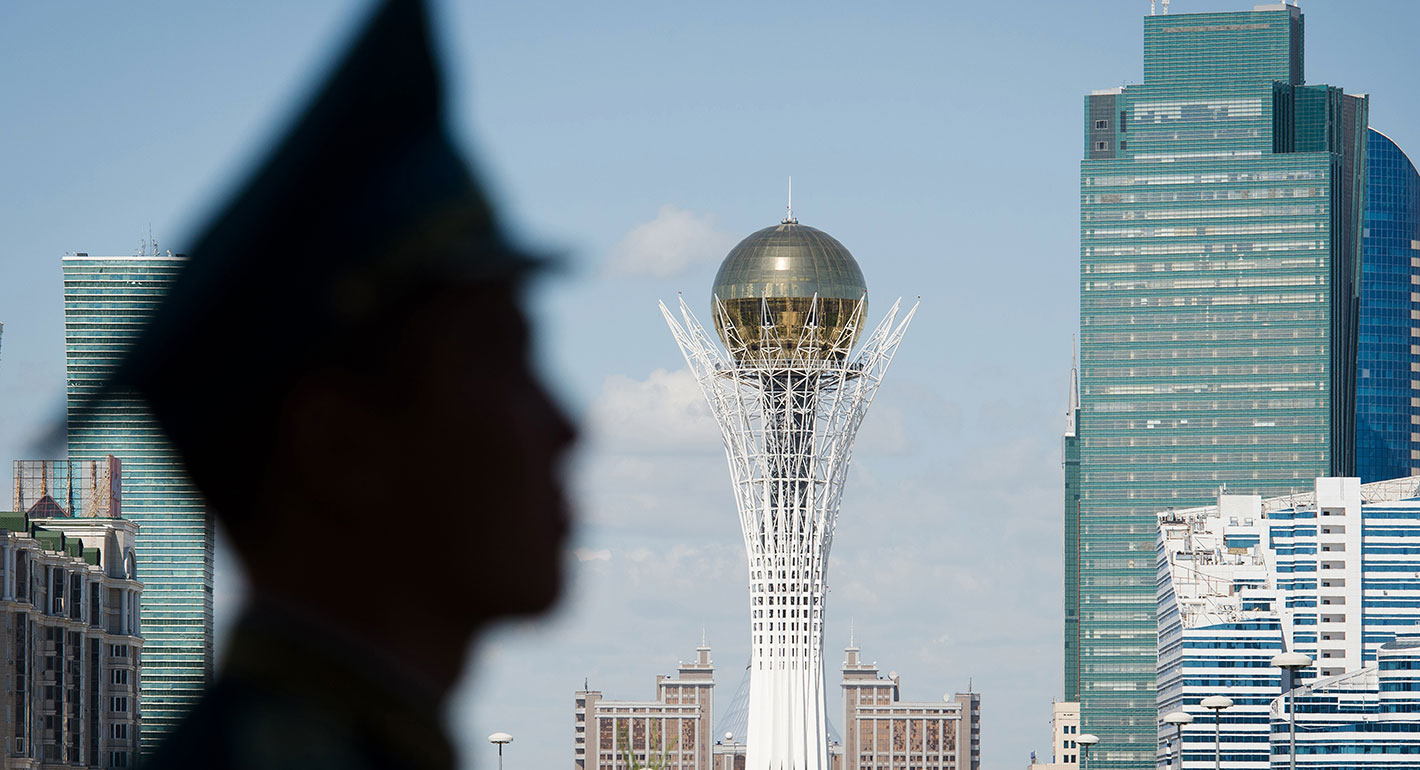
The rise of China as an economic powerhouse in Asia, along with rapid globalization, has brought Central Asia back in the limelight as a bridge connecting the established markets of the West with the emerging markets of the East.
Rhea Menon, Sharanya Rajiv