

In The Media
Minxin Pei
{
  "authors": [
    "Minxin Pei"
  ],
  "type": "legacyinthemedia",
  "centerAffiliationAll": "dc",
  "centers": [
    "Carnegie Endowment for International Peace"
  ],
  "collections": [],
  "englishNewsletterAll": "asia",
  "nonEnglishNewsletterAll": "",
  "primaryCenter": "Carnegie Endowment for International Peace",
  "programAffiliation": "AP",
  "programs": [
    "Asia"
  ],
  "projects": [],
  "regions": [
    "East Asia",
    "China",
    "Japan"
  ],
  "topics": [
    "Political Reform"
  ]
}
Source: Getty
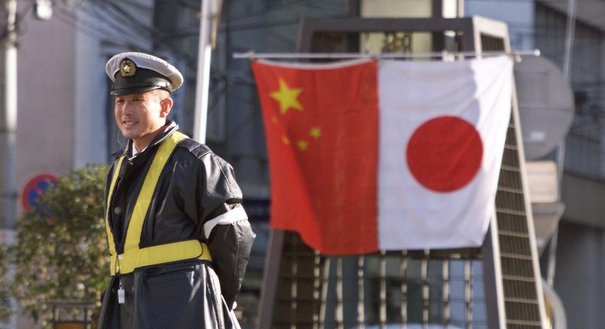
China’s relationship with its neighbors has been damaged by Beijing’s response to the detainment of the captain of a Chinese fishing boat that collided with Japanese coast guard vessels.
Source: The Diplomat

Instead of demonstrating its restraint and patience, the Chinese government needlessly escalated tensions. Even though it succeeded in forcing Tokyo to back down and release the detained captain, China gravely damaged its ties with Japan and sullied its image as a responsible great power.
To be sure, Japan wasn’t blameless (despite the portrayal of Japan as a victim in this diplomatic brawl by a sympathetic Western media). Indeed, Tokyo’s decision to detain and charge the captain was ill-considered and set off the confrontation with Beijing in the first place. Considering the hyper-sensitivity routinely displayed by Beijing on issues of sovereignty and territorial disputes, Japan’s best course of action after its patrol boats intercepted the Chinese trawler would have been quick expulsion—of everybody. (Although that said, in light of their penchant for blunders of all kinds, Japanese leaders perhaps deserve some slack).
However, Beijing’s reaction to Tokyo’s misstep was totally disproportionate: it cut off official exchanges at the ministerial level, disinvited Japanese young people to the Shanghai Expo and imposed an effective ban on the shipments of critical rare earth materials to Japan. The Chinese Premier also directly called on Japan to release the captain ‘immediately’ and refused to meet Japanese Prime Minister Naoto Kan at the United Nations in New York. Thus, instead of pursuing a quiet diplomatic route to seek the release of the captain, the Chinese government raised the stakes to a level that ensured an outcome that would make Japan lose face and Beijing look like a bully.
With the world anxiously watching what kind of great power China is going to be, Beijing needs to reflect on its own mistakes and learn valuable lessons that could help it reassure its jittery neighbors and avoid making similar costly mistakes in the future.

Former Adjunct Senior Associate, Asia Program
Pei is Tom and Margot Pritzker ‘72 Professor of Government and the director of the Keck Center for International and Strategic Studies at Claremont McKenna College.
Recent Work
Minxin Pei
Minxin Pei
Carnegie India does not take institutional positions on public policy issues; the views represented herein are those of the author(s) and do not necessarily reflect the views of Carnegie, its staff, or its trustees.

After the chill in ties between 2020 and 2024 that brought India–China relations to their lowest point in several decades, the two countries have engaged each other afresh. This paper argues that there are predominantly four imperatives guiding India’s approach to China, and they exist in an order of priority.

Saheb Singh Chadha

This piece argues that India’s central challenge is not managing a single flashpoint but resolving the underlying tension between expansion and institutional coherency of the BRICS grouping.

Vrinda Sahai
This paper examines the evolution of India-China economic ties from 2005 to 2025. It explores the impact of global events, bilateral political ties, and domestic policies on distinct spheres of the economic relationship.

Santosh Pai
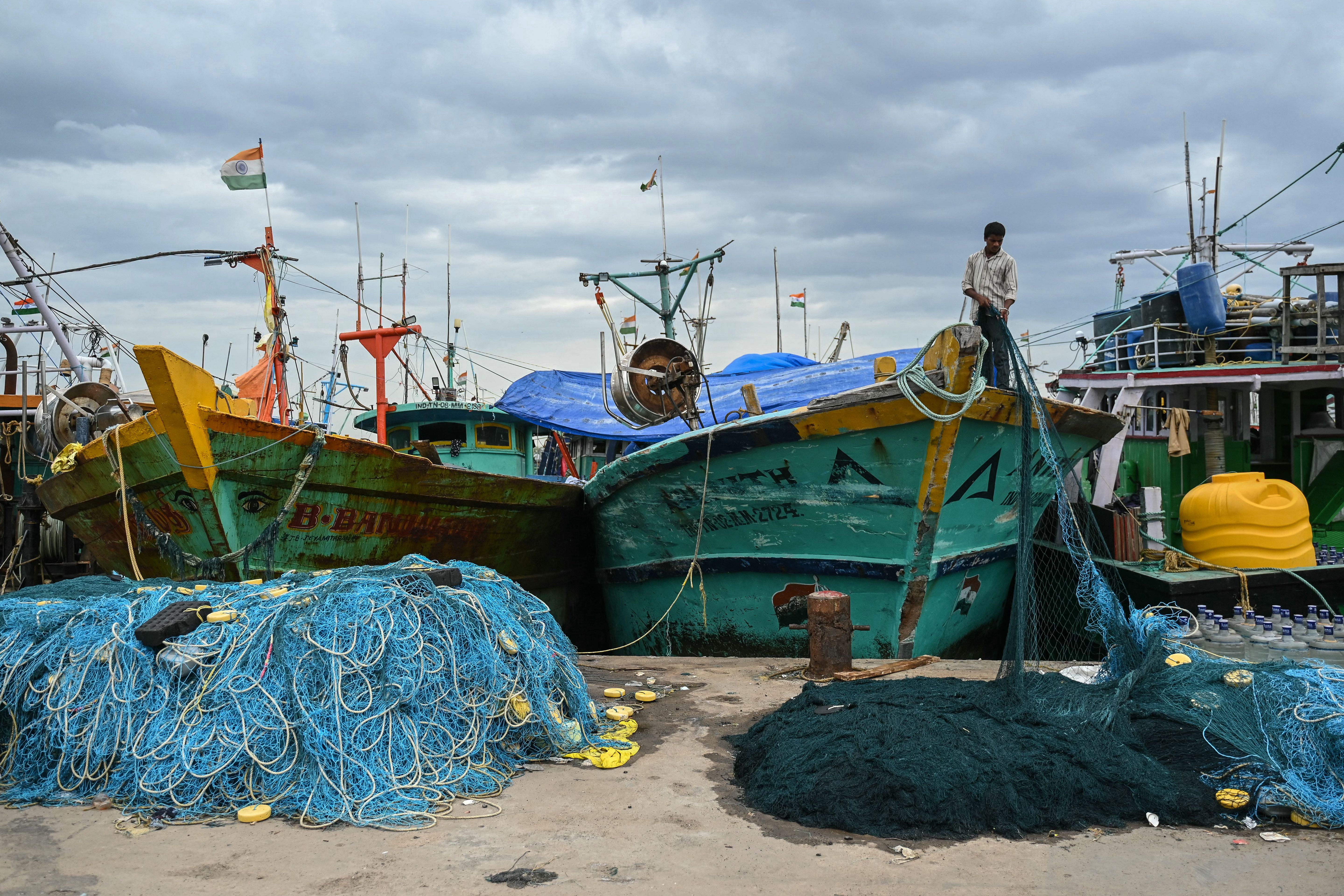
This article examines the scale and impact of Chinese IUU fishing operations globally and identifies the nature of the challenge posed by IUU fishing in the Indian Ocean Region (IOR). It also investigates why existing maritime law and international frameworks have struggled to address this growing threat.


Ajay Kumar, Charukeshi Bhatt

This compendium brings together three essays by scholars who participated in Carnegie India's Security Studies Dialogue in 2024, each examining a different aspect of China’s policies. Drawing on their expertise and research, the authors offer fresh perspectives on key geopolitical challenges.



Vijay Gokhale, Suyash Desai, Amit Kumar, …