

In The Media
Lahcen Achy
{
  "authors": [
    "Lahcen Achy"
  ],
  "type": "legacyinthemedia",
  "centerAffiliationAll": "",
  "centers": [
    "Carnegie Endowment for International Peace",
    "Malcolm H. Kerr Carnegie Middle East Center"
  ],
  "collections": [],
  "englishNewsletterAll": "",
  "nonEnglishNewsletterAll": "",
  "primaryCenter": "Malcolm H. Kerr Carnegie Middle East Center",
  "programAffiliation": "",
  "programs": [],
  "projects": [],
  "regions": [
    "Gulf"
  ],
  "topics": [
    "Economy"
  ]
}
Source: Getty
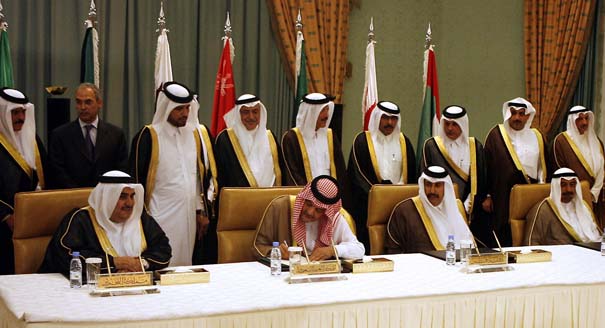
The economic security challenges facing Gulf countries stem from their dependence on oil and their lack of food security; overcoming these challenges will require Gulf states to strengthen regional integration and build their human capital.
Source: The National

The importance of economic security is that it ensures the security of not only borders, but also the safety and well being of citizens, economic viability and way of life. In the case of the Gulf countries, their economic security challenges are especially related to their dependence on oil and lack of food security. It is important for Gulf states to define their position in the international system.
There are several challenges that appear to shape economic security issues. First, there are less inter-state military conflicts and more attacks perpetrated by small groups of individuals of which some are nationals. Second, economic and technological globalisation has increased interdependence among countries to the extent that actions taken in one country may spill over internationally. Lastly, the emergence of rising economic powers, the growth of the world's population, the depletion of clean water and arable land, and pressure on mineral resources, resulted in increased risks and vulnerabilities in the global commons.
Economic security also requires an economic system that is environmentally sustainable. We run into a problem when we look at developing nations who use up their natural resources to sustain current populations, at the expense of their future. Ensuring economic security and creating more resilient societies in developed and developing nations requires several shifts to occur or strengthen.
Countries need to shift from a fragmented approach to security towards an integrated approach. Security is more than just physical survival (food, shelter and satisfaction of other basic needs). There should be a move from that basic idea of security to one that acknowledges the ability to provide an increase in the standard of living of a population through education, employment, justice, freedom of expression and political participation, among other factors.
The national approach to security also needs to shift towards regional and international approaches. The globalisation of markets and free flows of capital, information and to some extent labour has brought tremendous opportunities but also created new forms of threats to economic security, including systemic risk in international financial markets, cross-border money laundering, piracy of intellectual property rights and illegal migration. Economic security is contingent on the ability to strike a balance between economic openness and economic sovereignty.
The global financial crisis was an example of how a problem emerged in a single country and ended up affecting the entire global economy. The crisis showed that actions of a few individuals can have detrimental global effects: Russia's decision to ban exports of wheat last summer led to a price hike in international markets and created economic security concerns around the world; the absence of social safety nets in China stimulates excessive saving and generates negative effects on the US economy.
Short-sighted views of security have to adopt a more pro-active approach. Fragile and poor states are not only a danger for themselves but also for their neighbours and often for the whole world as seen with the Somali pirates. Taking initiatives to solve conflicts but also promoting political stability and economic development are key ingredients of any pro-active strategy to economic security.
There are several things the Gulf countries can do to promote their economic security. At the international level, they should enhance their trade and cooperation with countries from within and outside the region and work as constructive partners in international organisations such as the WTO and the UN.
Gulf nations should focus on strengthening education and building human capital. This results in higher productivity and more innovation for sustainable growth and development; ensuring social security through solidarity systems that reinforce identity and create a sense of belonging to a community; and diversifying national product and foreign trade and investment.
This can be done by strengthening regional integration such as Qatar's role as mediator in Lebanon and Sudan or the Afro-Arab cooperation which focuses on subjects such as peace and security, investment and trade, agriculture and food security, and cultural cooperation.
Globalisation and resource scarcity mean that countries can no longer be indifferent to each other. This calls for a broader view of economic security at a multilateral level.

Former Nonresident Senior Associate, Middle East Center
Achy is an economist with expertise in development, institutional economics, trade, and labor and a focus on the Middle East and North Africa.
Recent Work
Lahcen Achy
Lahcen Achy

On March 10, 2026, India’s Union Cabinet approved amendments to Press Note 3, a regulation that mandated government approval on all foreign direct investment (FDI) from countries sharing a land border with India. This amendment raises questions primarily about whether its stated benefits will materialize and if the risks have been adequately weighed. This piece will address the same.

Konark Bhandari

This piece examines India’s response to U.S. sanctions and tariffs, specifically assessing the immediate market consequences, such as alterations in import costs, and the broader strategic implications for India’s energy security and foreign policy orientation.

Vrinda Sahai

This paper examines the evolution of India-China economic ties from 2005 to 2025. It explores the impact of global events, bilateral political ties, and domestic policies on distinct spheres of the economic relationship.

Santosh Pai
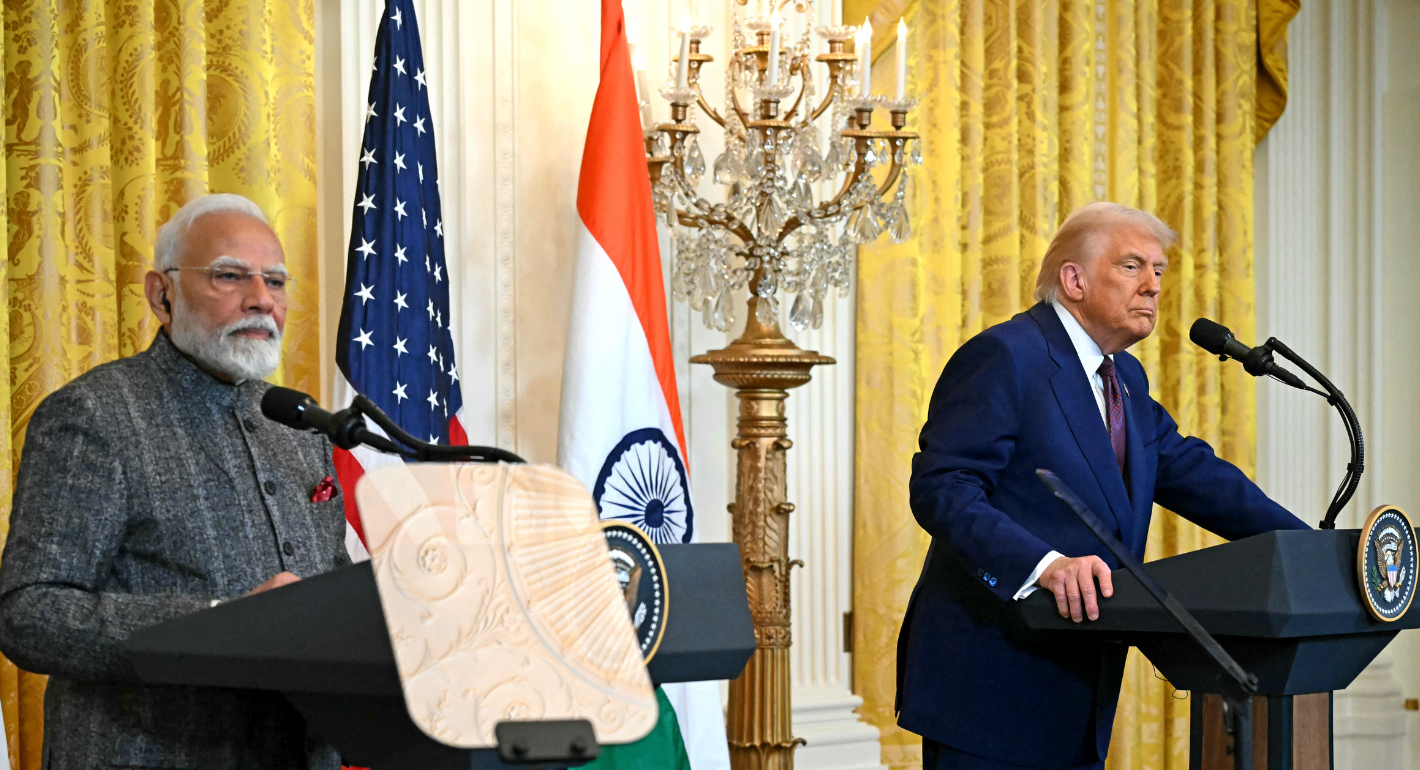
The India-U.S. relationship currently appears buffeted between three “Ts”—TRUST, Tariffs, and Trump.
Arun K. Singh
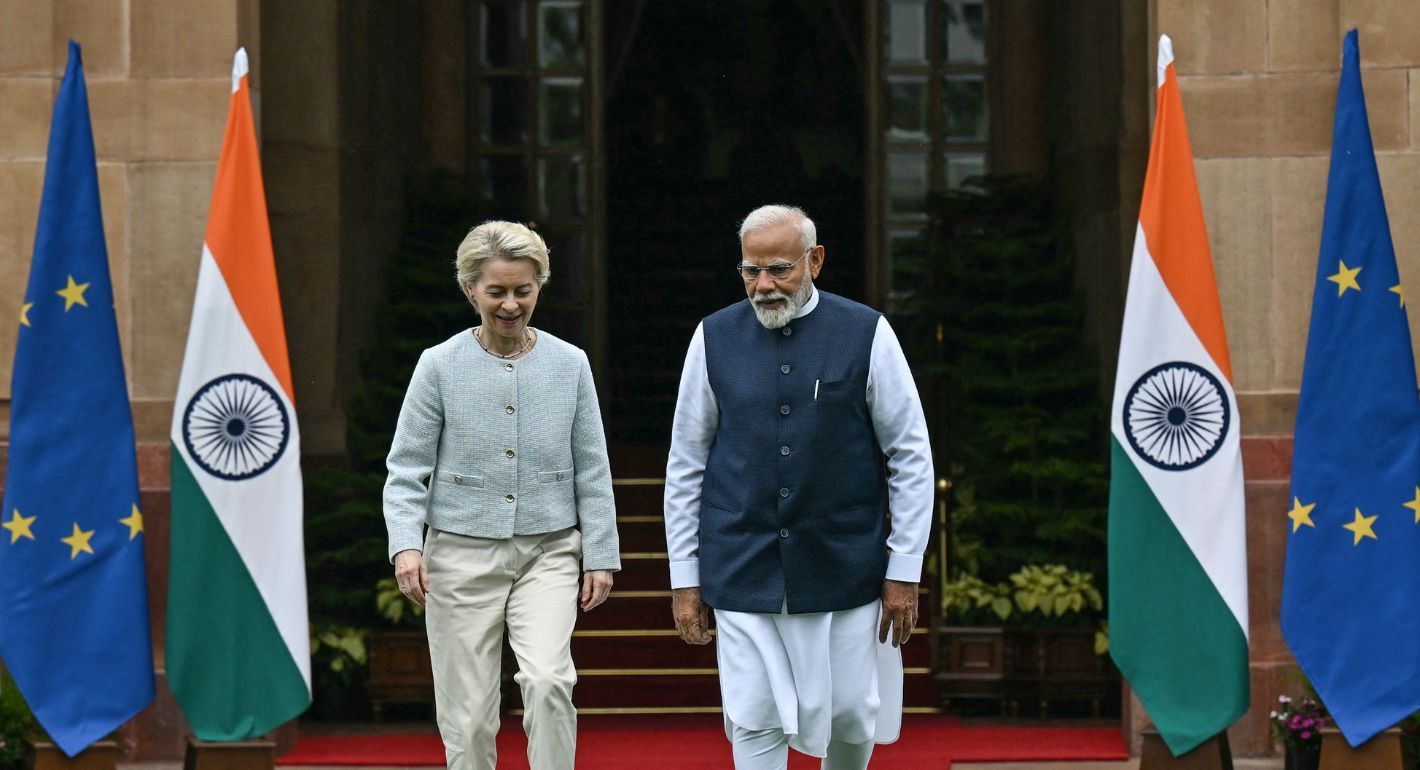
This article argues that the geopolitical circumstances have never been more conducive, not merely for the early conclusion of the free trade agreement (FTA) between India and the EU, but also for crafting a substantive and comprehensive strategic partnership.
Mohan Kumar