

Q&A
Matt Ferchen
{
  "authors": [
    "Matt Ferchen"
  ],
  "type": "legacyinthemedia",
  "centerAffiliationAll": "",
  "centers": [
    "Carnegie Endowment for International Peace",
    "Carnegie China"
  ],
  "collections": [
    "China and the Developing World",
    "China’s Foreign Relations"
  ],
  "englishNewsletterAll": "",
  "nonEnglishNewsletterAll": "",
  "primaryCenter": "Carnegie China",
  "programAffiliation": "",
  "programs": [],
  "projects": [],
  "regions": [],
  "topics": [
    "Economy"
  ]
}
Source: Getty
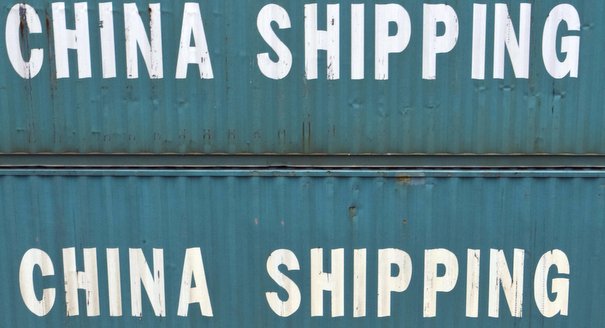
China’s domestic development drive has prompted it to develop trade relations with Latin America. While generating positive economic results for both sides in the short-term, the threat of Latin America once again falling into a pattern of export dependency—this time with China—looms large.
Source: Chinese Journal of International Politics

In his article ‘China-Latin America Relations: Long-Term Boon or Short-Term Boom?’, Dr. Matt Ferchen pinpoints the resultant dual narratives, some describing the China–Latin America relationship as complementary and others emphasizing dependency. The author demonstrates, however, that no assessment of the health and stability of the China–Latin America relationship can be complete without better understanding of Chinese commodity demand. Chinese demand for key Latin American commodities, including mineral resources such as iron ore, is based on a boom in domestic Chinese heavy industrial production, which in turn has fueled a global commodity boom of inputs to feed it. Chinese industrial (over)production has increased only as a result of stimulus and credit policies in the wake of the global financial crisis, causing concern inside and outside of China about capacity and asset bubbles.
The basis of China–Latin America trade and investment relations, therefore, the author emphasizes, is both narrower and more fragile than commonly understood. To align overly optimistic expectations about the health and sustainability of China–Latin America relations, both sides need to assess more realistically the many challenges to maintaining the boom in economic relations of the last decade.
This article was originally published in the Chinese Journal of International Politics.

Former Nonresident Scholar, Carnegie-Tsinghua Center for Global Policy
Ferchen specializes in China’s political-economic relations with emerging economies. At the Carnegie–Tsinghua Center for Global Policy, he ran a program on China’s economic and political relations with the developing world, including Latin America.
Recent Work
Matt Ferchen
Matt Ferchen, Anarkalee Perera
Carnegie India does not take institutional positions on public policy issues; the views represented herein are those of the author(s) and do not necessarily reflect the views of Carnegie, its staff, or its trustees.

On March 10, 2026, India’s Union Cabinet approved amendments to Press Note 3, a regulation that mandated government approval on all foreign direct investment (FDI) from countries sharing a land border with India. This amendment raises questions primarily about whether its stated benefits will materialize and if the risks have been adequately weighed. This piece will address the same.

Konark Bhandari

This piece examines India’s response to U.S. sanctions and tariffs, specifically assessing the immediate market consequences, such as alterations in import costs, and the broader strategic implications for India’s energy security and foreign policy orientation.

Vrinda Sahai

This paper examines the evolution of India-China economic ties from 2005 to 2025. It explores the impact of global events, bilateral political ties, and domestic policies on distinct spheres of the economic relationship.

Santosh Pai
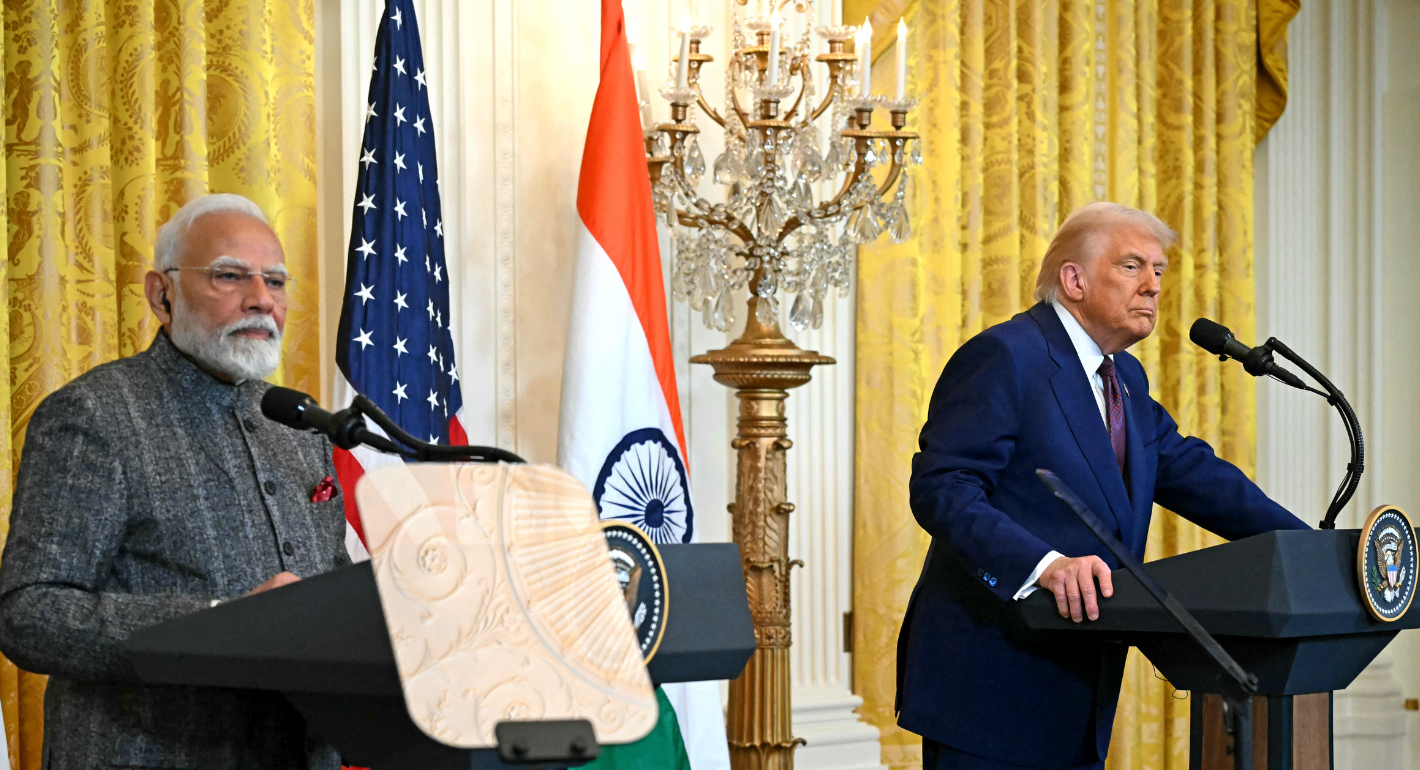
The India-U.S. relationship currently appears buffeted between three “Ts”—TRUST, Tariffs, and Trump.

Arun K. Singh
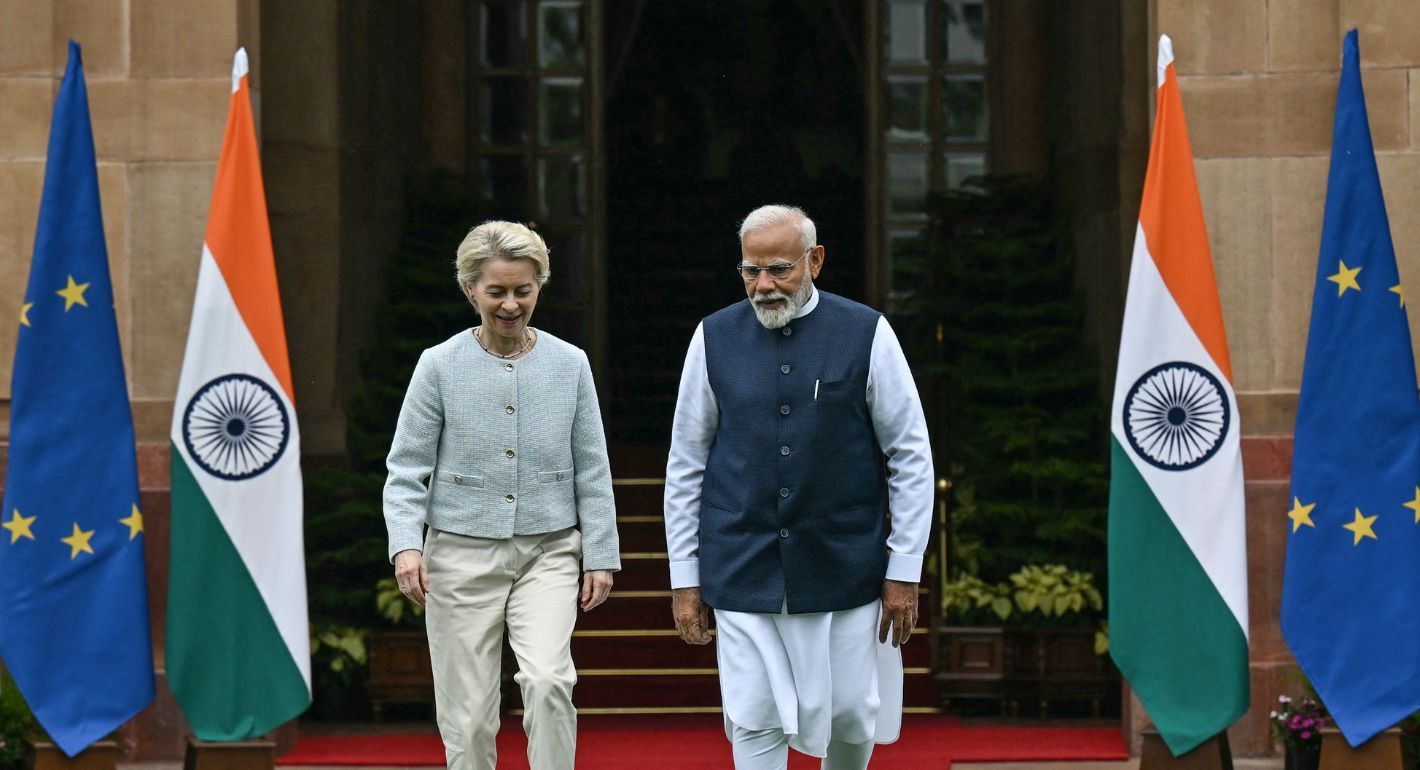
This article argues that the geopolitical circumstances have never been more conducive, not merely for the early conclusion of the free trade agreement (FTA) between India and the EU, but also for crafting a substantive and comprehensive strategic partnership.

Mohan Kumar