

Article
- +1
Toby Dalton, Mark Hibbs, Nicole Grajewski, …
{
  "authors": [
    "Mark Hibbs"
  ],
  "type": "legacyinthemedia",
  "centerAffiliationAll": "dc",
  "centers": [
    "Carnegie Endowment for International Peace",
    "Carnegie Russia Eurasia Center"
  ],
  "collections": [],
  "englishNewsletterAll": "ctw",
  "nonEnglishNewsletterAll": "",
  "primaryCenter": "Carnegie Endowment for International Peace",
  "programAffiliation": "NPP",
  "programs": [
    "Nuclear Policy"
  ],
  "projects": [],
  "regions": [
    "East Asia",
    "Japan"
  ],
  "topics": [
    "Nuclear Policy",
    "Nuclear Energy"
  ]
}
Source: Getty
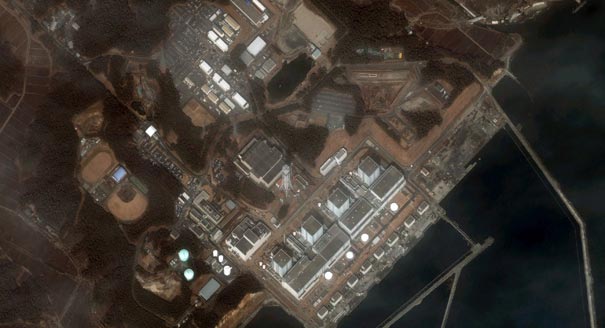
As Japan struggles to find ways to cool its damaged nuclear reactors, it is increasingly clear that it is in the world’s best interest to ensure that nuclear operators can effectively handle unpredictable and even extreme external events that might impact their installations.
Source: CNN

A similar accident happened at one reactor at Three Mile Island many years ago, but Japan's rescue effort is taking place in near-battlefield conditions on a site that is truly a no-man's-land.
The nuclear reactors at the Fukushima Daiichi and Fukushima Daini power stations were automatically shut off after the earthquake. But with external power lost and local backups damaged by the tsunami, emergency cooling systems failed to work. This has forced Japanese authorities to improvise and find other ways to keep the reactors cool, prevent pressure from building up inside the vessels holding the fuel, and prevent the reactor cores from melting significantly.
Without full knowledge of everything Japanese authorities have done since the crisis began, it is too early to properly evaluate the country's response. But even as we wait for all the facts, there are early lessons that we all can take from the nuclear crisis in Japan:
Given the global impact of nuclear disasters, it is in all of our best interests to ensure that nuclear operators can effectively handle unpredictable and even extreme external events that impact their installations. It will take time to fully understand the extent of the crisis in Japan, but there are steps that can be taken today that will make the world's nuclear programs safer.

Nonresident Senior Fellow, Nuclear Policy Program
Hibbs is a Germany-based nonresident senior fellow in Carnegie’s Nuclear Policy Program. His areas of expertise are nuclear verification and safeguards, multilateral nuclear trade policy, international nuclear cooperation, and nonproliferation arrangements.
Recent Work


Toby Dalton, Mark Hibbs, Nicole Grajewski, …
Mark Hibbs
Carnegie India does not take institutional positions on public policy issues; the views represented herein are those of the author(s) and do not necessarily reflect the views of Carnegie, its staff, or its trustees.

This piece examines the strategic implications of Bhutan’s diplomatic efforts amid its border dispute with China, highlighting the thin ice it walks on to achieve a resolution without compromising its vital relationships.

Shibani Mehta
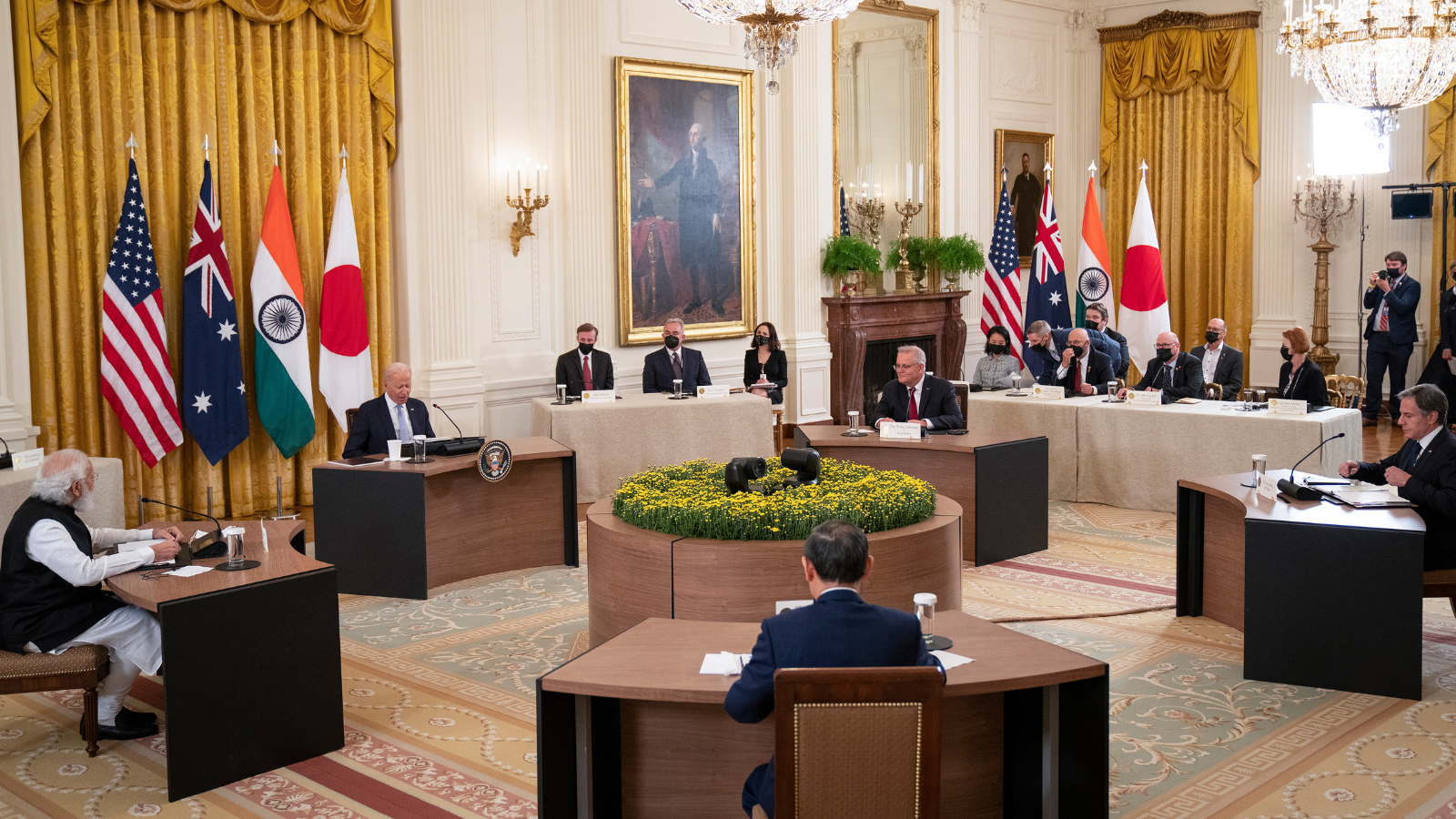
With India set to host the sixth Quad Leaders' Summit in 2024, there is every opportunity for this minilateral to not only develop a DPI initiative but also execute pilots in the Indo-Pacific. This essay shares a rationale for how the four Quad countries could achieve this goal.


Rudra Chaudhuri, Aadya Gupta

How can India navigate export control measures at a time when it is also entering into technology-centric partnerships with other nations to secure enhanced access to advanced technology?

Konark Bhandari
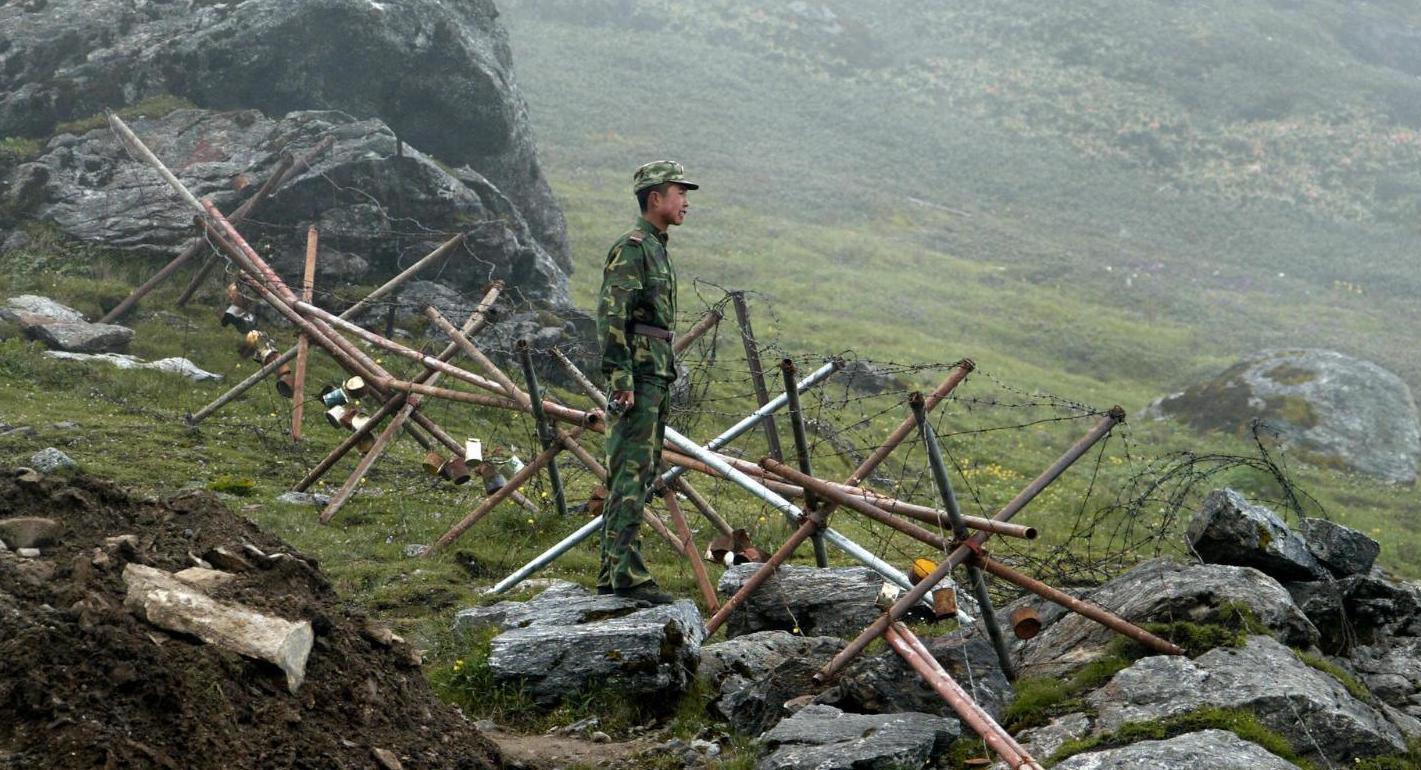
This article examines the significance of the 2013, 2014, and 2015 border standoffs between India and China. It presents a detailed account of the border crises and how the two countries tried to manage them.
Shibani Mehta
Contrary to some recent analyses, this commentary explains why a strategic détente between India and China is unlikely.

Saheb Singh Chadha