

Paper
James M. Acton, Ankit Panda
{
  "authors": [
    "James M. Acton"
  ],
  "type": "legacyinthemedia",
  "centerAffiliationAll": "dc",
  "centers": [
    "Carnegie Endowment for International Peace"
  ],
  "collections": [],
  "englishNewsletterAll": "ctw",
  "nonEnglishNewsletterAll": "",
  "primaryCenter": "Carnegie Endowment for International Peace",
  "programAffiliation": "NPP",
  "programs": [
    "Nuclear Policy"
  ],
  "projects": [],
  "regions": [
    "East Asia",
    "Japan"
  ],
  "topics": [
    "Nuclear Policy",
    "Nuclear Energy"
  ]
}
Source: Getty
Japan has evacuated its citizens from the area within nineteen miles of the damaged Fukushima nuclear reactors, but there are concerns that the country might not be able to feed or shelter more evacuees if the region in danger grows.
Source: CBS
While the Japanese government has called for its citizens to evacuate the area within twelve miles of the damaged Fukushima nuclear reactors, the United States is evacuating U.S. citizens if they are within 50 miles of the plants. Carnegie’s James Acton explained to Erica Hill of CBS’ Early Show that there is a good reason for this discrepancy. Japan has already evacuated more than half a million people. If they were to extend the evacuation, they risk being unable to feed or shelter evacuees, who would then be in graver danger than if they remained at home. Acton added that houses actually provide better radiation protection than would ordinarily be assumed.
Turning to the damaged reactors themselves, Acton said that conflicting perspectives and widespread uncertainty surround the spent fuel pools. A Department of Energy report and a study from the National Academy of the Sciences offer contradictory opinions on whether exposed spent fuel rods could catch fire – a matter of great concern at Fukushima, as water is depleted in multiple spent fuel pools.

Jessica T. Mathews Chair, Co-director, Nuclear Policy Program
Acton holds the Jessica T. Mathews Chair and is co-director of the Nuclear Policy Program at the Carnegie Endowment for International Peace.
Recent Work

James M. Acton, Ankit Panda
James M. Acton
Carnegie India does not take institutional positions on public policy issues; the views represented herein are those of the author(s) and do not necessarily reflect the views of Carnegie, its staff, or its trustees.

This piece examines the strategic implications of Bhutan’s diplomatic efforts amid its border dispute with China, highlighting the thin ice it walks on to achieve a resolution without compromising its vital relationships.

Shibani Mehta
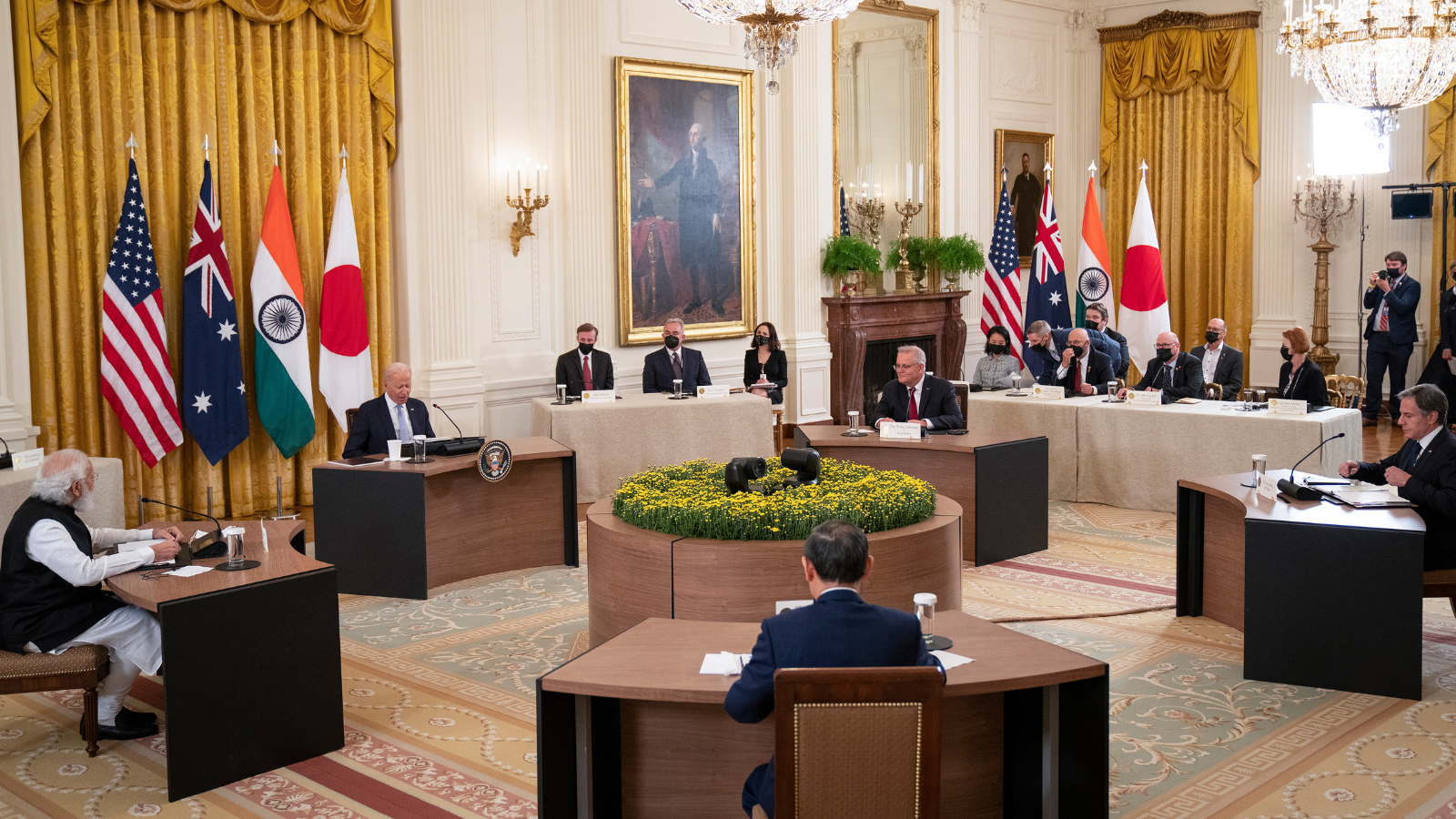
With India set to host the sixth Quad Leaders' Summit in 2024, there is every opportunity for this minilateral to not only develop a DPI initiative but also execute pilots in the Indo-Pacific. This essay shares a rationale for how the four Quad countries could achieve this goal.


Rudra Chaudhuri, Aadya Gupta

How can India navigate export control measures at a time when it is also entering into technology-centric partnerships with other nations to secure enhanced access to advanced technology?

Konark Bhandari
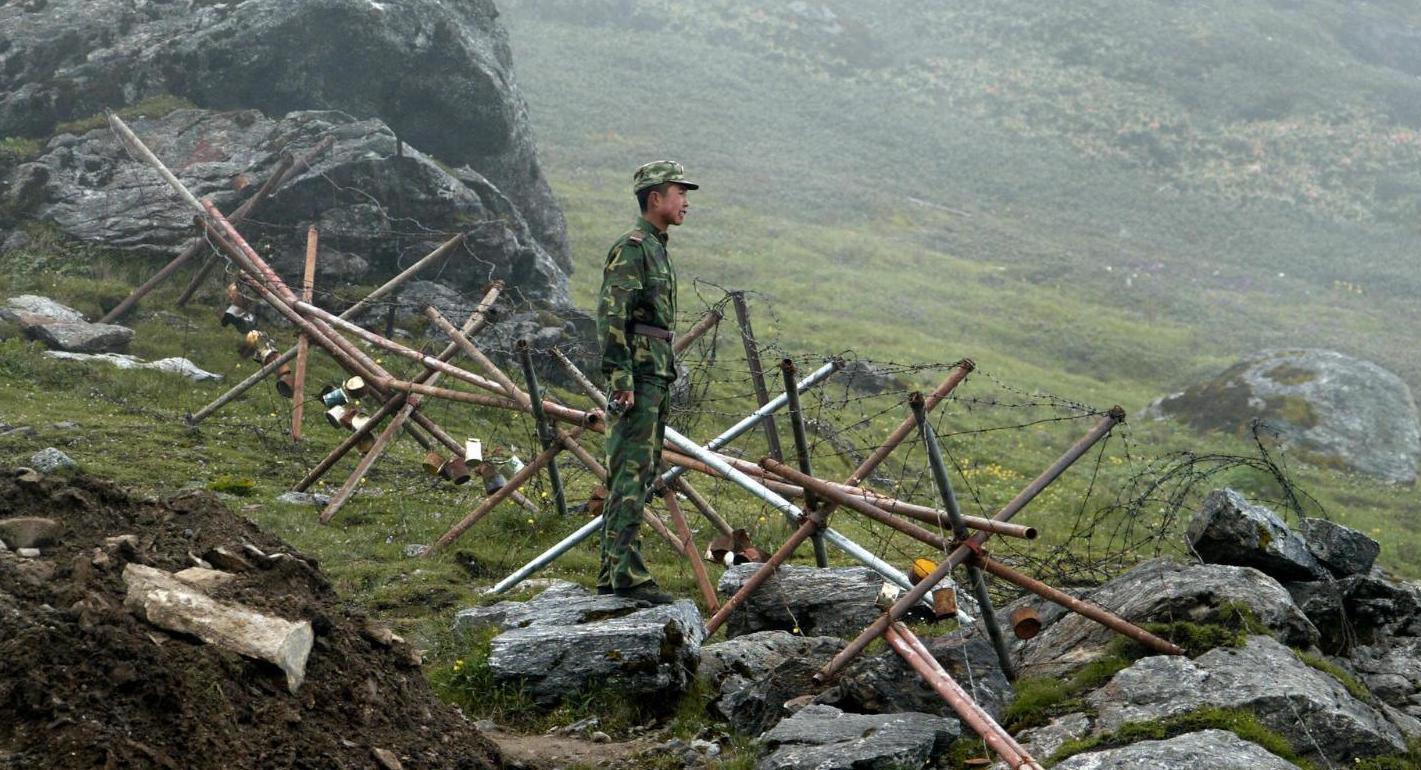
This article examines the significance of the 2013, 2014, and 2015 border standoffs between India and China. It presents a detailed account of the border crises and how the two countries tried to manage them.
Shibani Mehta
Contrary to some recent analyses, this commentary explains why a strategic détente between India and China is unlikely.

Saheb Singh Chadha