

Paper
James M. Acton, Ankit Panda
{
  "authors": [
    "James M. Acton"
  ],
  "type": "legacyinthemedia",
  "centerAffiliationAll": "dc",
  "centers": [
    "Carnegie Endowment for International Peace"
  ],
  "collections": [],
  "englishNewsletterAll": "ctw",
  "nonEnglishNewsletterAll": "",
  "primaryCenter": "Carnegie Endowment for International Peace",
  "programAffiliation": "NPP",
  "programs": [
    "Nuclear Policy"
  ],
  "projects": [],
  "regions": [
    "East Asia",
    "Japan"
  ],
  "topics": [
    "Nuclear Policy",
    "Nuclear Energy"
  ]
}
Source: Getty
A radiation leak in the turbine building of Fukushima's Daiichi unit 3 reactor, damaged by Japan's earthquake and subsequent tsunami, suggests there is some chance the reactor core has been breached.
Source: CBS
ERICA HILL, CBS: What could be happening at this point? Obviously it's a very fluid situation. Joining us from Washington, nuclear expert James Acton. James, good to have you back with us. When you hear the details that we're getting – and it sometimes feels like maybe we're not getting the full story – what do you think is actually going on at that troubled plant?
JAMES ACTON, Carnegie Endowment for International Peace: Good morning, Erica. And the truth is, we don't know what's going on at that troubled plant. And I think officials are probably being honest when they say that they don't know what the cause of this radiation leak is. What I think is significant is this highly radioactive water was found in a building that is actually adjacent, next door to the main reactor building. And the concern is, that if you're finding highly radioactive water next door to the main reactor building, which is not where it should be – then that leads to great concern about what's actually going on inside the main reactor building itself.
HILL: And you're talking about that water, the water that the workers walked through as they were laying cables.
ACTON: That's right. That building – they were in the turbine building – should have been isolated from the reactor building itself. And, you know, given the battering these power plants have taken, it's not a huge surprise actually that the ceiling between the two plants has been breached somehow. But the radioactivity in the water creates the distinct possibility that the core of the reactor vessel itself has now actually been breached.
HILL: So then, talk to us about what happens. I mean, what's the worst case scenario?
ACTON: Well, I think it's still worth emphasizing, that we don't know for certain that the reactor core has been breached. But if it has been breached, this creates the possibility of a much larger release of radiation into the environment than we have seen to date. But I think it's still worth emphasizing that the chance of a catastrophic release of radiation, on the scale of Chernobyl, is still very low, even at this point.
HILL: That's very low, but we have seen the evacuation zone widen. I mean, is this something – could it though turn into some sort of a Chernobyl in terms of what needs to be done for containment? Does the area need to be abandoned perhaps?
ACTON: Well, what happened at Chernobyl was we saw an explosion in the fuel of the reactor itself and that cast radioactive material far and wide around the area, which was part of the reason why it had to be abandoned. Now, I think the chances of an explosion at Fukushima are very low. I mean, this is clearly the second worst civilian nuclear accident in history. And it's caused huge displacement to the people in the region and there are a chance of long-term consequences to health and the environment. So, I don't want to play down the consequences of this.
HILL: Right.
ACTON: But the chances of evacuating a huge zone permanently as at Chernobyl are still slim.
HILL: All right. Well, we'll continue to follow it and we appreciate you coming in this morning for your expertise. James Acton, thanks.
ACTON: Thank you.

Jessica T. Mathews Chair, Co-director, Nuclear Policy Program
Acton holds the Jessica T. Mathews Chair and is co-director of the Nuclear Policy Program at the Carnegie Endowment for International Peace.
Recent Work

James M. Acton, Ankit Panda
James M. Acton
Carnegie India does not take institutional positions on public policy issues; the views represented herein are those of the author(s) and do not necessarily reflect the views of Carnegie, its staff, or its trustees.
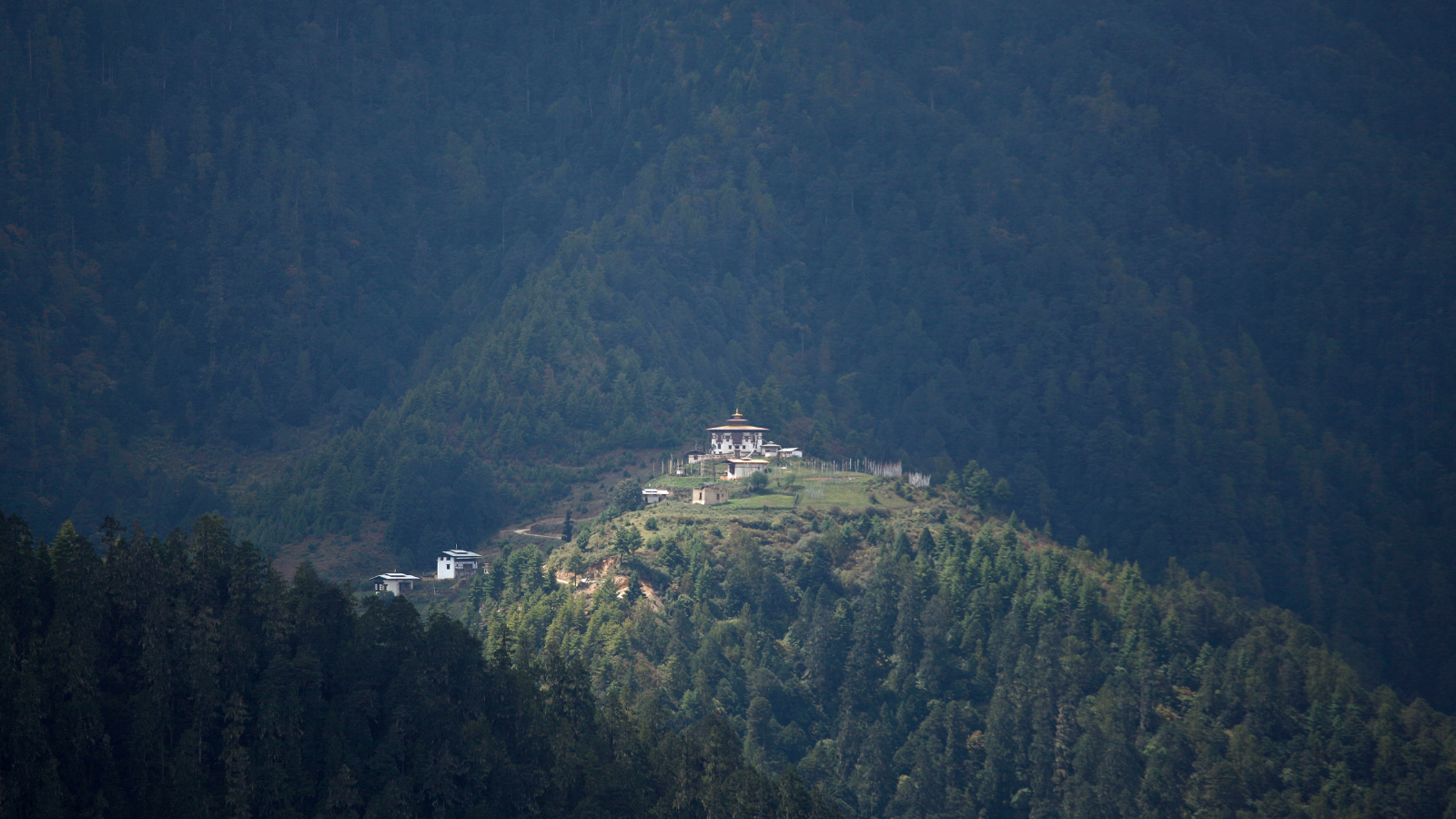
This piece examines the strategic implications of Bhutan’s diplomatic efforts amid its border dispute with China, highlighting the thin ice it walks on to achieve a resolution without compromising its vital relationships.

Shibani Mehta
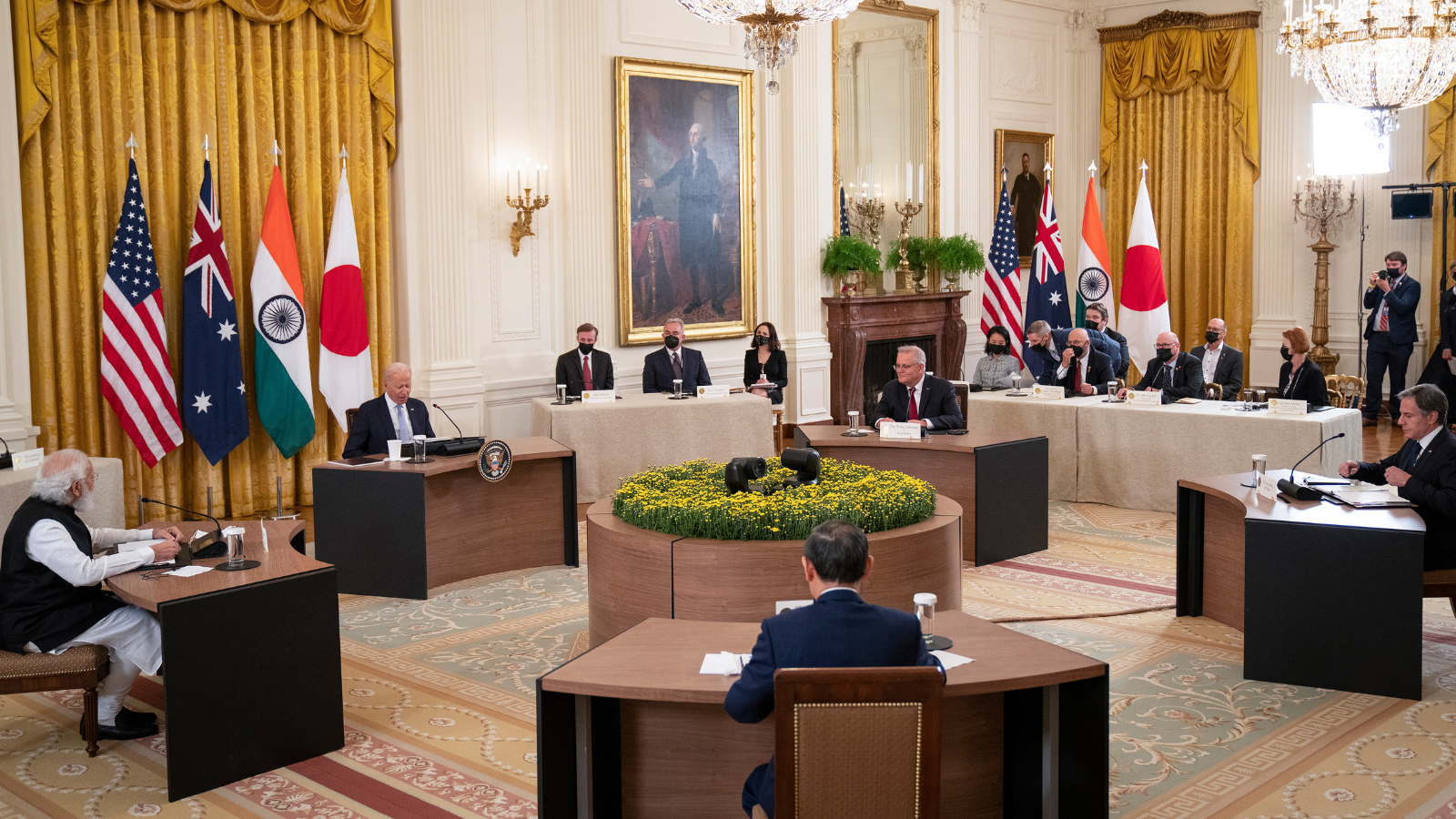
With India set to host the sixth Quad Leaders' Summit in 2024, there is every opportunity for this minilateral to not only develop a DPI initiative but also execute pilots in the Indo-Pacific. This essay shares a rationale for how the four Quad countries could achieve this goal.


Rudra Chaudhuri, Aadya Gupta

How can India navigate export control measures at a time when it is also entering into technology-centric partnerships with other nations to secure enhanced access to advanced technology?

Konark Bhandari
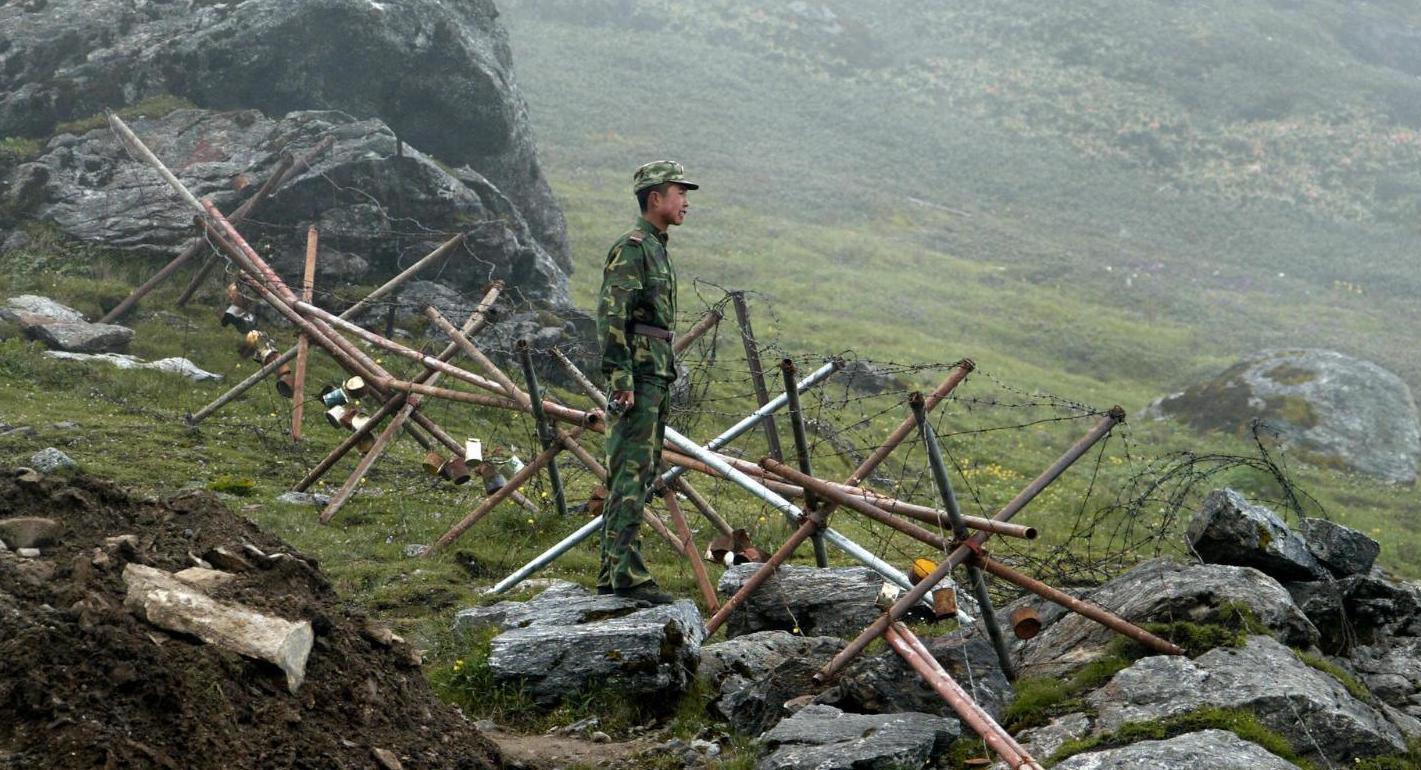
This article examines the significance of the 2013, 2014, and 2015 border standoffs between India and China. It presents a detailed account of the border crises and how the two countries tried to manage them.
Shibani Mehta
Contrary to some recent analyses, this commentary explains why a strategic détente between India and China is unlikely.

Saheb Singh Chadha