

Article
- +1
Toby Dalton, Mark Hibbs, Nicole Grajewski, …
{
  "authors": [
    "Mark Hibbs"
  ],
  "type": "legacyinthemedia",
  "centerAffiliationAll": "dc",
  "centers": [
    "Carnegie Endowment for International Peace"
  ],
  "collections": [],
  "englishNewsletterAll": "ctw",
  "nonEnglishNewsletterAll": "",
  "primaryCenter": "Carnegie Endowment for International Peace",
  "programAffiliation": "NPP",
  "programs": [
    "Nuclear Policy"
  ],
  "projects": [],
  "regions": [
    "East Asia",
    "Japan"
  ],
  "topics": [
    "Nuclear Policy",
    "Nuclear Energy"
  ]
}
Source: Getty
While passive safety features ensured that Japan's Fukushima reactors automatically shut off after the earthquake struck, the core remains hot even after the nuclear chain reaction ceases. If the core cannot be cooled, there could be potentially dangerous repercussions.
Source: Fox News
STEVE DOOCY, FOX NEWS ANCHOR: All right. Joining us right now, we got Mark Hibbs. Mark is a senior associate at the Nuclear Policy Program at the Carnegie Endowment for International Peace.
Mark, thanks for joining us.
MARK HIBBS, SENIOR ASSOCIATE, NUCLEAR POLICY PROGRAM, CARNEGIE ENDOWMENT FOR INTERNATIONAL PEACE: Thank you.
DOOCY: Hey, Mark, we got some troubling information. Apparently, there are three or four plants in the area that has been impacted the most there in northern Japan. There's been a state of emergency where apparently cooling system failure, no radiation leak, but they have evacuated people around. A couple thousand people are being told to get the heck out of there.
If there is a cooling system failure on an atomic power plant that is in full mode, what does that mean?
HIBBS: Well, basically, what's happened so far it appears is that when the earthquake struck, the sensors at the plant registered the force of the earthquake and shut down automatically the reactors at the Fukushima site which was close to the earthquake.
What happened, however, is that after the reactors shut down, at one of the units, it would appear the first unit, Fukushima 1, at this plant, equipment inside of the reactor pumps which are operated to circulate the water inside the core and assure that the water conducts the heat away from the reactor that one at least of these pumps didn't work correctly.
DOOCY: Right.
HIBBS: and so as a precautionary measure, the Japanese authorities are taking steps to assure that the core of the reactor remains cool over a long period of time.
It's a little bit like an electric stove in your house. If you shut the stove off for a number of minutes afterwards, you can still burn your fingers. The stove is shut down but the elements are very hot. And in a nuclear reactor, you have a similar situation where the reactor scrams, that means it's shut down.
DOOCY: Right.
HIBBS: It's not a critical reaction anymore but the heat inside of the reactor because of these hot fuel rods, the heat has to be conducted away from the reactor with cooling water and that takes a number of days before we reach a state where the water is no longer hot enough to threaten the reactor and that's where we are right now.
GRETCHEN CARLSON, FOX NEWS ANCHOR: So why would they be evacuating if they say no radiation leaks reported at this time? We just reported now that 2,000 people have been evacuated in the nearby area.
HIBBS: Well, this is -- this is the first time to my knowledge that Japan has ever taken a step like this.
The Japanese are very, very cautious and wary about the possibility of nuclear accidents particularly if they are in association with a seismic tremor. You shouldn't forget that in 2007 on the other side of the same main island of Japan, there was an earthquake that shut down and damaged a nuclear power station there and that was a traumatic event in Japan.
We had a big investigation. There are seven reactors at that site and today, as we speak, still only two of those seven reactors have been allowed to restart so the Japanese are very cautious in this regard. And so they've taken steps here to -- if they've evacuated people, they've done it just to basically keep people calm, reassure people that there's no danger.
The Japanese are in the position to be able to assure the coast down at the temperature of that cooling water over a number of days and I'm sure that's what they're doing right now.
BRIAN KILMEADE, FOX NEWS ANCHOR: Yes. I guess there's really not much to do if you're just waiting for it to cool, am I correct?
HIBBS: That's right. The reactor has to cool down. There's no chain reaction, apparently. The problem is the danger here, if this were not to be cooled off, you could have, if you will, a reheating of the core because you don't have enough coolant inside the core and if you reheat the reactor because the heat has nowhere to escape.
DOOCY: Right.
HIBBS: Then you can reheat the reactor core, your fuel will be damaged, you could get ballooning of the fuel, clotting the rods, the fuel covering can burst. And then you expose the radioactive material in the fuel to the cooling water. And you don't want to see that happen.
KILMEADE: Right.
HIBBS: So this is a precautionary measure to make sure that that doesn't take place and that the reactor has cooled down over a period of days.
DOOCY: And of course, Mark, I remember back to that movie "The China Syndrome" where they couldn't cool the thing down and there was all sorts of trouble. That's not a possibility here.
HIBBS: No, we're not talking about a core melt accident right now. We're talking about a reactor that's been shut down. Apparently there's no critical reaction in the core but you've got these hot fuel rods and they still produce heat like on your -- the heating elements on your oven.
DOOCY: Yes.
HIBBS: And you got to get that heat out of there. So the heat is in the core. You're pumping water in there. One of the pumps failed. The other one is working and as a precautionary measure the Japanese are doing everything they can to get that hot water out of there.
KILMEADE: Right. All right. Thank you very much. We appreciate it.
And we will continue to examine the nuclear story which is the sub-story to the devastating earthquakes that hit hours ago.

Nonresident Senior Fellow, Nuclear Policy Program
Hibbs is a Germany-based nonresident senior fellow in Carnegie’s Nuclear Policy Program. His areas of expertise are nuclear verification and safeguards, multilateral nuclear trade policy, international nuclear cooperation, and nonproliferation arrangements.
Recent Work


Toby Dalton, Mark Hibbs, Nicole Grajewski, …
Mark Hibbs
Carnegie India does not take institutional positions on public policy issues; the views represented herein are those of the author(s) and do not necessarily reflect the views of Carnegie, its staff, or its trustees.
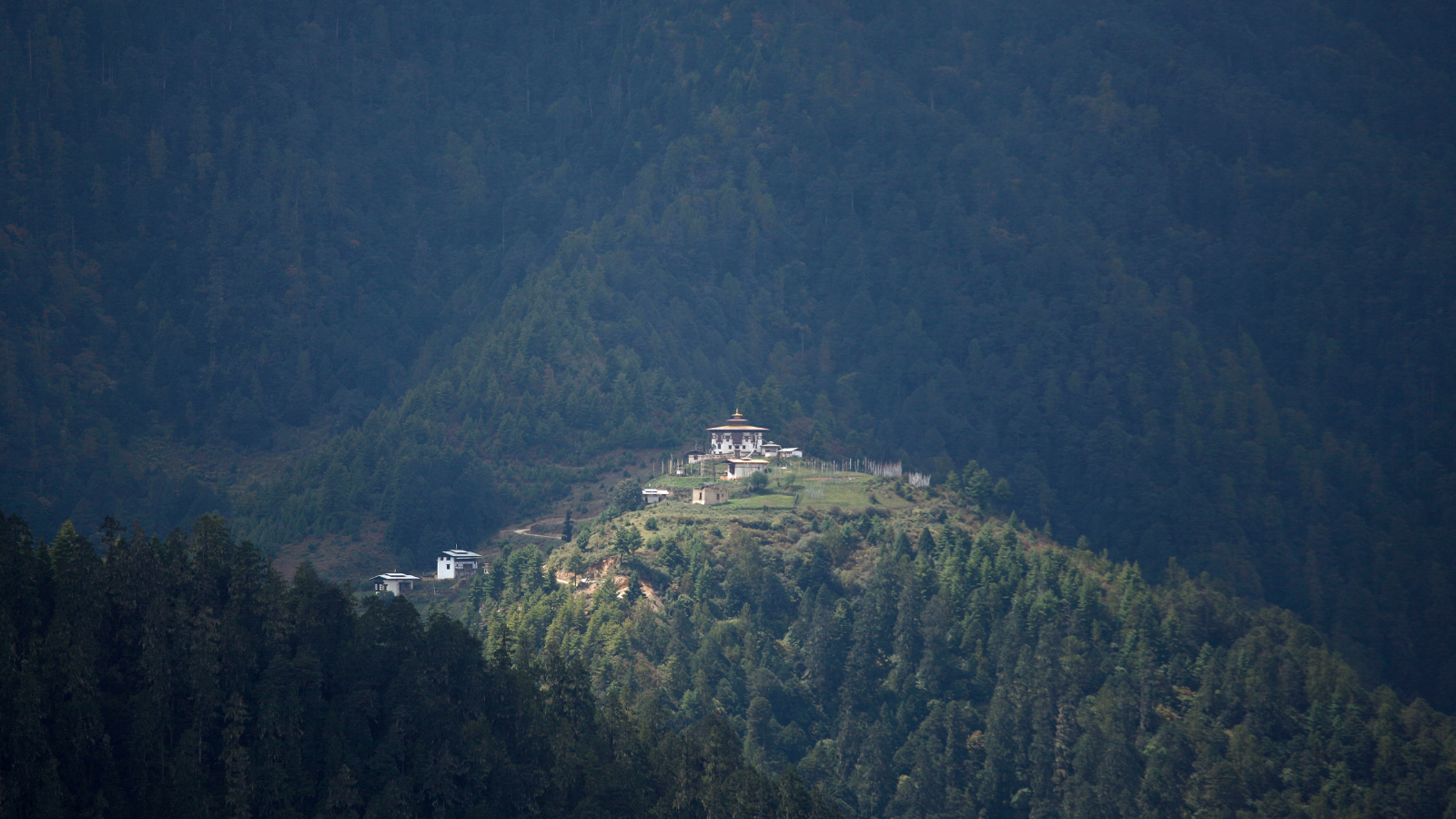
This piece examines the strategic implications of Bhutan’s diplomatic efforts amid its border dispute with China, highlighting the thin ice it walks on to achieve a resolution without compromising its vital relationships.

Shibani Mehta
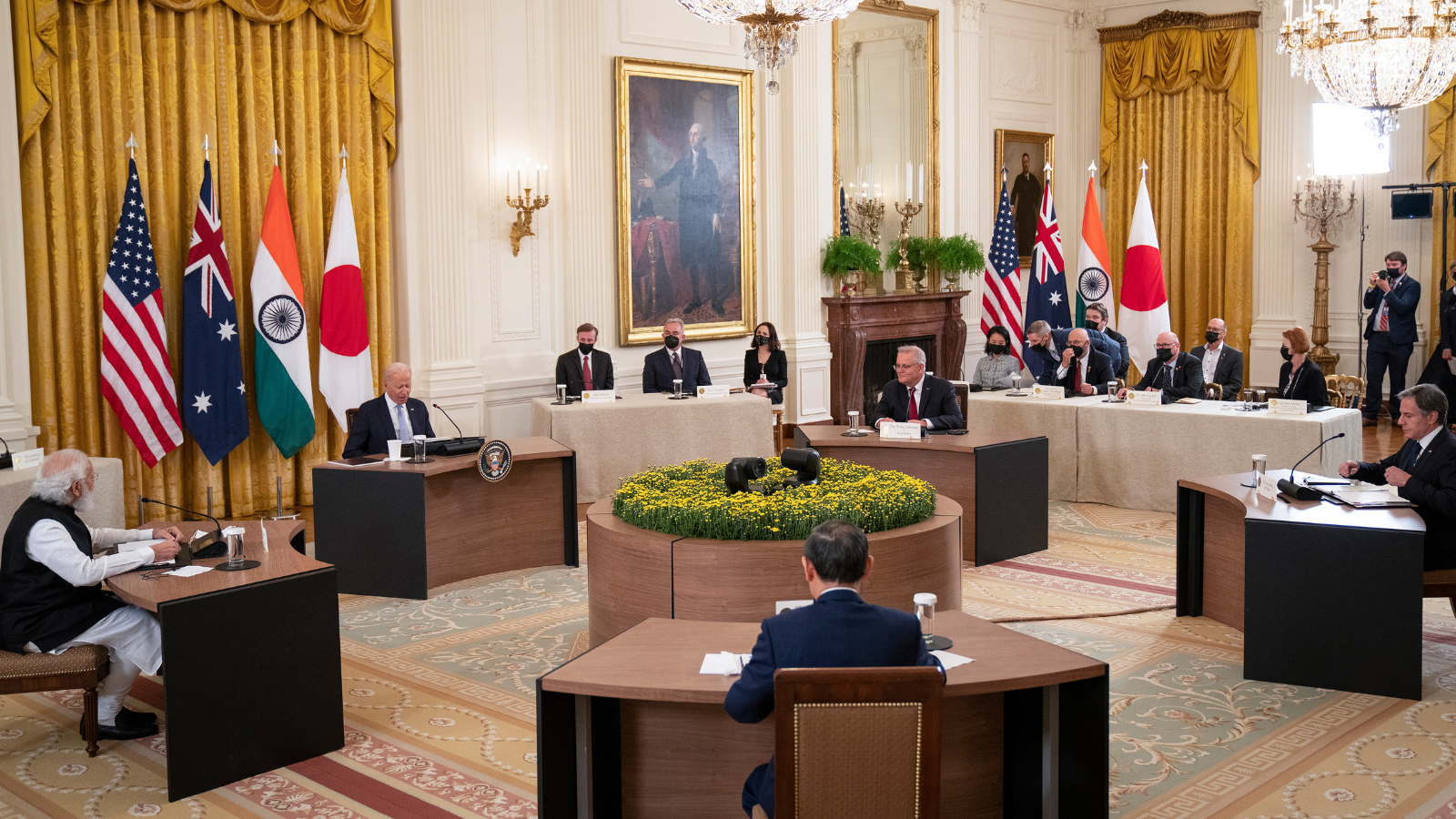
With India set to host the sixth Quad Leaders' Summit in 2024, there is every opportunity for this minilateral to not only develop a DPI initiative but also execute pilots in the Indo-Pacific. This essay shares a rationale for how the four Quad countries could achieve this goal.


Rudra Chaudhuri, Aadya Gupta

How can India navigate export control measures at a time when it is also entering into technology-centric partnerships with other nations to secure enhanced access to advanced technology?

Konark Bhandari
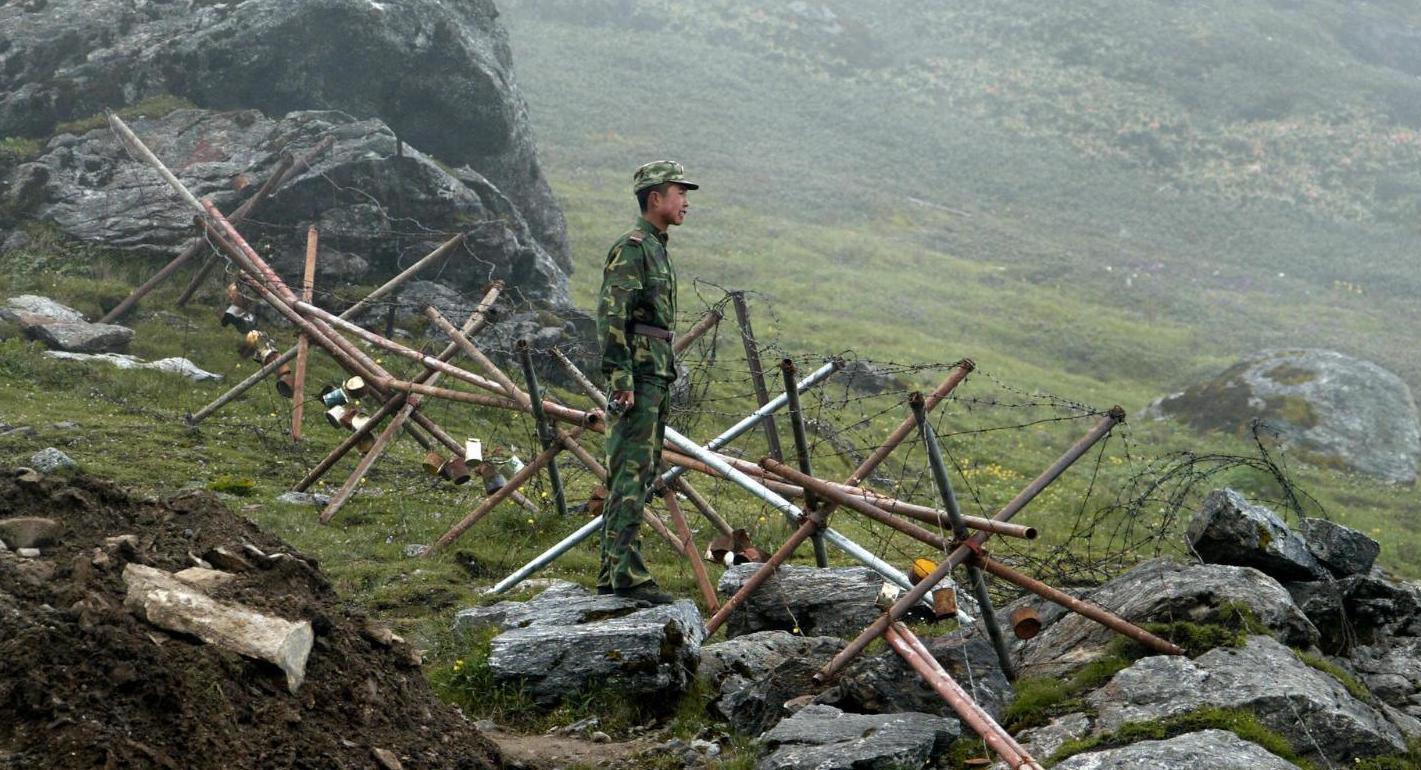
This article examines the significance of the 2013, 2014, and 2015 border standoffs between India and China. It presents a detailed account of the border crises and how the two countries tried to manage them.
Shibani Mehta
Contrary to some recent analyses, this commentary explains why a strategic détente between India and China is unlikely.

Saheb Singh Chadha