

Paper
James M. Acton, Ankit Panda
{
  "authors": [
    "James M. Acton"
  ],
  "type": "legacyinthemedia",
  "centerAffiliationAll": "dc",
  "centers": [
    "Carnegie Endowment for International Peace",
    "Carnegie Russia Eurasia Center"
  ],
  "collections": [],
  "englishNewsletterAll": "ctw",
  "nonEnglishNewsletterAll": "",
  "primaryCenter": "Carnegie Endowment for International Peace",
  "programAffiliation": "NPP",
  "programs": [
    "Nuclear Policy"
  ],
  "projects": [],
  "regions": [
    "East Asia",
    "Japan"
  ],
  "topics": [
    "Nuclear Policy",
    "Nuclear Energy"
  ]
}
Source: Getty
The fire in the spent fuel pool in Japan’s Fukushima Daiichi nuclear plant and the explosion inside another reactor have opened more pathways for radiation to be released, prompting the nuclear industry to reconsider whether their designs for reactors are sufficient to withstand significant natural disasters.
Source: CBS
KATIE COURIC, CBS ANCHOR: We have two experts on nuclear safety tonight. In Washington, James Acton with the Carnegie Endowment and joining me here in New York is Cham Dallas, a University of Georgia professor and CBS News nuclear safety consultant. James Acton, how serious do you think the situation is right now in Japan?
JAMES ACTON, CARNEGIE ENDOWMENT: Well, Katie, it`s clearly deteriorated in the last 24 hours. The explosion inside the containment reactor unit two is significant and the fire in the spent fuel pool of reactor number four is significant. And both of these events have created new pathways for the release of radioactivity into the environment, but what I think it`s important to emphasize is that the possibility of a catastrophic release of the radiation equivalent to Chernobyl is still very low.
COURIC: James, how long do officials have to get this situation under control in your view?
ACTON: It`s very, very hard to put any kind of time estimate on it. I mean, we have effectively no experience of managing this kind of accident before. I mean, you know, one of the issues is that it`s clear a lot of the instrumentation, a lot of the measuring gauges and devices inside of the reactors are at the best untrustworthy and at the worst just not functioning anymore. So not even the operators themselves at the moment really understand what`s going on in the case of those reactors.
COURIC: Cham, you called the infusion of seawater the Hail Mary that the Japanese officials were doing.What else is in their arsenal they can call on?
CHAM DALLAS, CBS NEWS NUCLEAR SAFETY CONSULTANT: Well, the arsenal`s getting smaller on the Japanese end, especially after they start entering seawater into the reactor. They have a few options left, but they are really diminishing, that`s why they`re calling on us.
COURIC: James, there have been some questions about these reactors and specifically their design. What can you tell us about that?
ACTON: Well, there have been some questions, you know, that have been raised for a while about the integrity of their containment vessels. But I think there`s actually a bigger safety issue here. I think the question this raises, both in Japan and in the whole of the rest of the world, is whether the so-called design basis for reactors is sufficient. Have we correctly predicted the size of natural disasters or manmade disasters to which they might be subject?
COURIC: What about the 140,000 people who have been told to stay inside and not evacuate? What are the health risks to them?
DALLAS: Well, right now with the numbers that we have, those numbers are not good. I mean, it`s not good to be in that area. But being inside really does cut down the exposure significantly. It`s a good policy that they`re telling them.
COURIC: All right. James Acton and Cham Dallas, gentlemen, thank you both.
DALLAS: Thank you.
ACTON: Thank you for having me here.

Jessica T. Mathews Chair, Co-director, Nuclear Policy Program
Acton holds the Jessica T. Mathews Chair and is co-director of the Nuclear Policy Program at the Carnegie Endowment for International Peace.
Recent Work

James M. Acton, Ankit Panda
James M. Acton
Carnegie India does not take institutional positions on public policy issues; the views represented herein are those of the author(s) and do not necessarily reflect the views of Carnegie, its staff, or its trustees.

This piece examines the strategic implications of Bhutan’s diplomatic efforts amid its border dispute with China, highlighting the thin ice it walks on to achieve a resolution without compromising its vital relationships.

Shibani Mehta
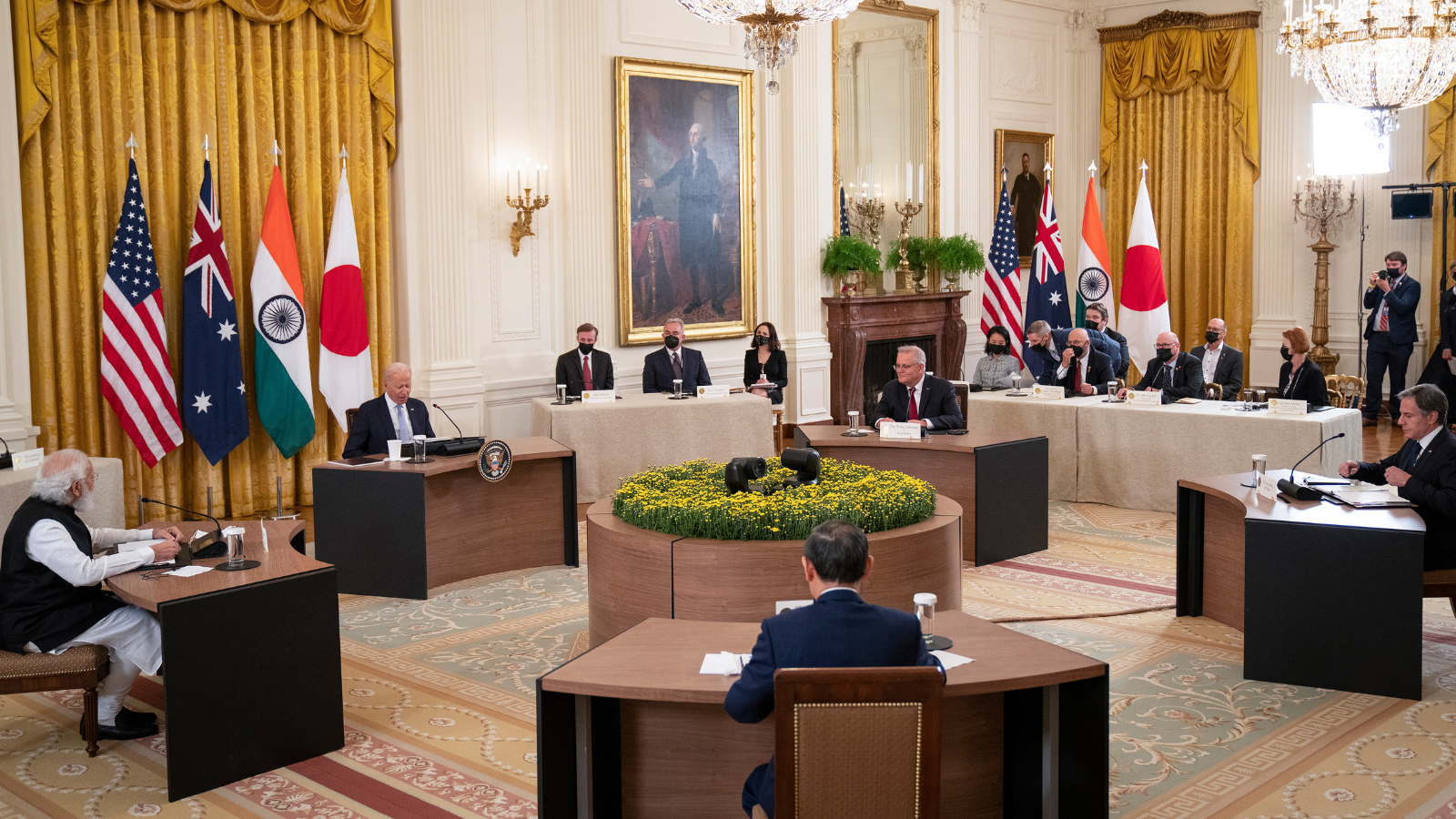
With India set to host the sixth Quad Leaders' Summit in 2024, there is every opportunity for this minilateral to not only develop a DPI initiative but also execute pilots in the Indo-Pacific. This essay shares a rationale for how the four Quad countries could achieve this goal.


Rudra Chaudhuri, Aadya Gupta

How can India navigate export control measures at a time when it is also entering into technology-centric partnerships with other nations to secure enhanced access to advanced technology?

Konark Bhandari
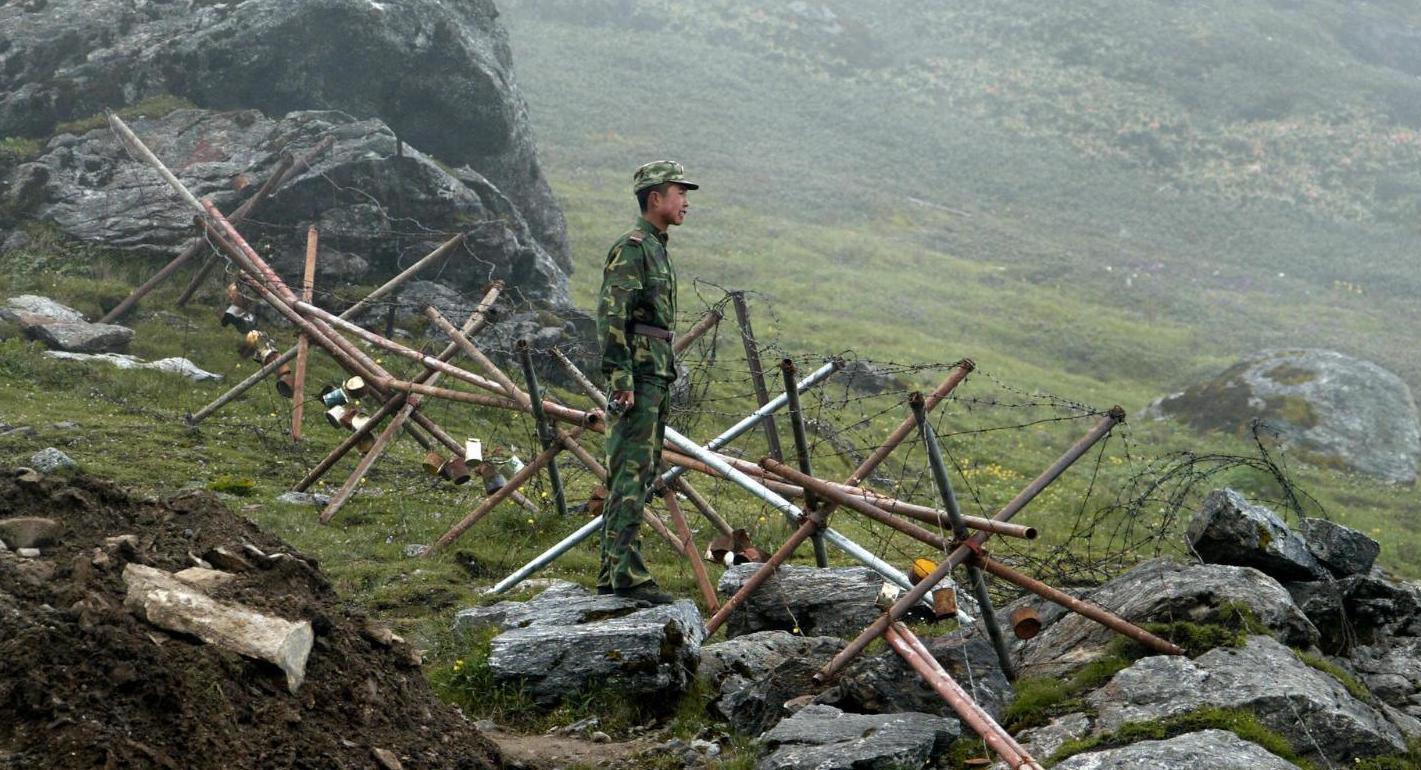
This article examines the significance of the 2013, 2014, and 2015 border standoffs between India and China. It presents a detailed account of the border crises and how the two countries tried to manage them.
Shibani Mehta
Contrary to some recent analyses, this commentary explains why a strategic détente between India and China is unlikely.

Saheb Singh Chadha