

Paper
James M. Acton, Ankit Panda
{
  "authors": [
    "James M. Acton"
  ],
  "type": "legacyinthemedia",
  "centerAffiliationAll": "dc",
  "centers": [
    "Carnegie Endowment for International Peace"
  ],
  "collections": [],
  "englishNewsletterAll": "ctw",
  "nonEnglishNewsletterAll": "",
  "primaryCenter": "Carnegie Endowment for International Peace",
  "programAffiliation": "NPP",
  "programs": [
    "Nuclear Policy"
  ],
  "projects": [],
  "regions": [
    "East Asia",
    "Japan"
  ],
  "topics": [
    "Nuclear Policy",
    "Nuclear Energy"
  ]
}
Source: Getty
While the Fukushima reactor crisis, resulting from Japan's devastating earthquake and tsunami, remains unresolved, some positive developments have been made. The possibility of spent fuel pools overheating is now the main source of concern.
Source: NBC
ANN CURRY, NBC: James Acton is a nuclear expert with the Carnegie Endowment for International Peace. Mr. Acton, good morning.
JAMES ACTON, Carnegie Endowment for International Peace: Good morning, Ann.
CURRY: First, I want to ask you about this AP report that's just in that is quoting a Japanese official--safety official by name saying that a pool of--for storing spent fuel is heating up and is now around the boiling point and may have been the source for the steam that raised so much concern on Monday. If true, how significant?
ACTON: We've seen over the last few days increasing concern about the state of these spent fuel pools. And if the water is boiling, then that does create concern because it might evaporate. And then at that point there's the risk of the fuel rods overheating. But the piece of good news here is that if the pool is boiling and there's still a lot of water in it, then there's likely to be substantial time to solve this problem. So this is a matter of concern but not of grave concern yet.
CURRY: So much has been happening regarding this nuclear power plant and its reactors, I think that it's very difficult for all of us, the laymen especially, to really understand this. Bottom line, given all the conditions of the--of the past week plus, are we any closer to being safe than we were about a week ago regarding this possibility of a catastrophic release of radiation?
ACTON: Yes we are, but we're certainly not out of the woods yet. You know, I woke up every morning during the first six or seven days of this crisis--maybe five or six days--and every single morning there was some major new piece of bad news. This crisis for the first week was in a position where it was deteriorating and deteriorating relatively quickly. Now we still had bad news over the past few days but it hasn't been nearly as bad and nearly as serious as the new--as the news items in the first week of this crisis. And there's starting to be just the tiniest parts of good news coming through.
CURRY: At the same time, Bob Bazell reported just now that cement trucks are rolling towards this nuclear power plant, the idea being that they would use basically a special mixture to kind of entomb these rods. Has this actually ever been used, this procedure on a--on a nuclear--on nuclear reactors in the state that the Fukushima plant reactors are in?
ACTON: Ann, I haven't had enough information to know yet what they--whether what they're trying to do here is similar to the entombment that they--that the Chernobyl reactor was encased in after 1986. But, you know, the fact that they're considering this kind of option clearly demonstrates the gravity of the situation.
CURRY: All right, James Acton this morning. Thanks a lot, James, for giving us some perspective on this.
ACTON: Thank you.

Jessica T. Mathews Chair, Co-director, Nuclear Policy Program
Acton holds the Jessica T. Mathews Chair and is co-director of the Nuclear Policy Program at the Carnegie Endowment for International Peace.
Recent Work

James M. Acton, Ankit Panda
James M. Acton
Carnegie India does not take institutional positions on public policy issues; the views represented herein are those of the author(s) and do not necessarily reflect the views of Carnegie, its staff, or its trustees.

This piece examines the strategic implications of Bhutan’s diplomatic efforts amid its border dispute with China, highlighting the thin ice it walks on to achieve a resolution without compromising its vital relationships.

Shibani Mehta
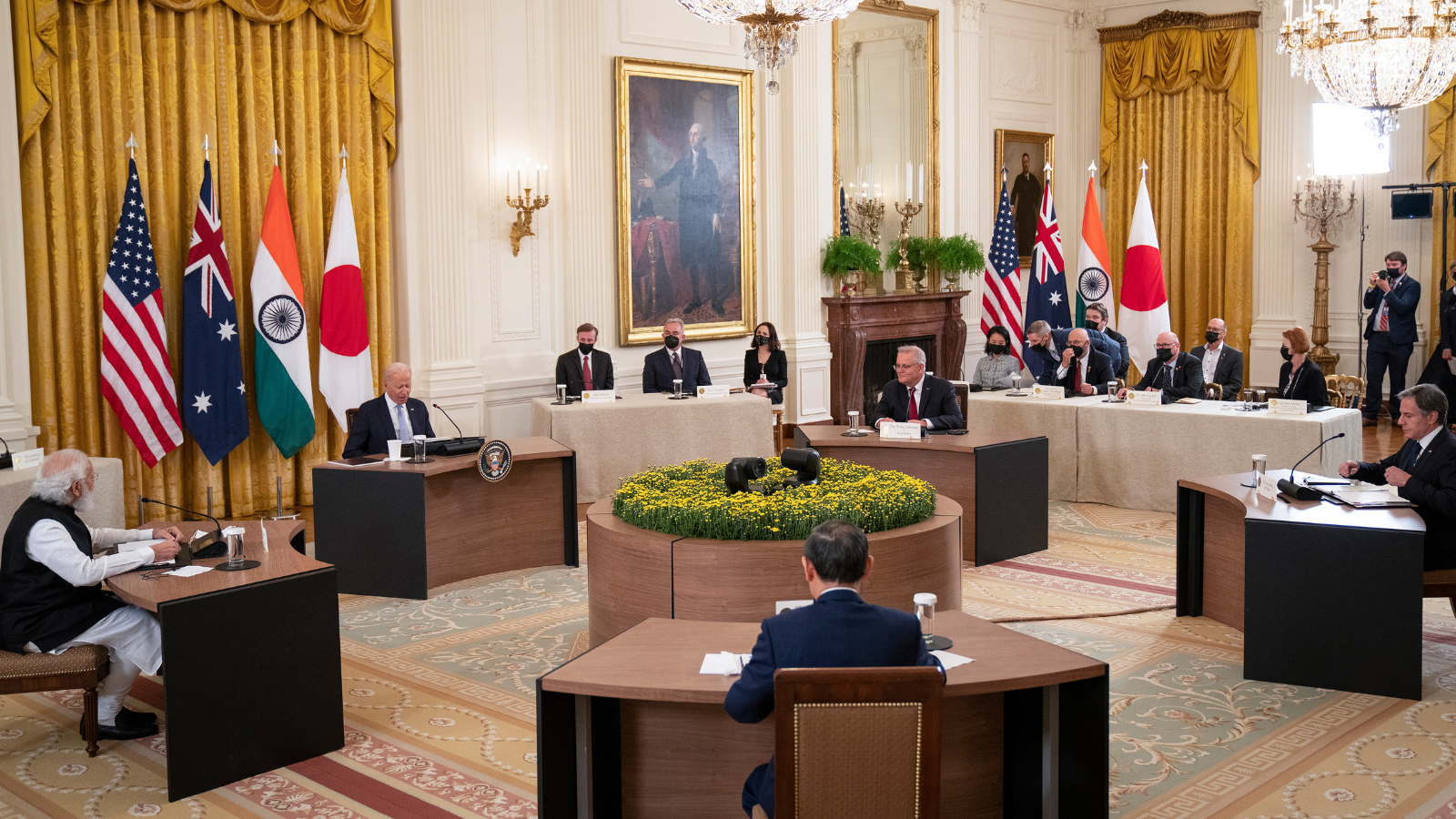
With India set to host the sixth Quad Leaders' Summit in 2024, there is every opportunity for this minilateral to not only develop a DPI initiative but also execute pilots in the Indo-Pacific. This essay shares a rationale for how the four Quad countries could achieve this goal.


Rudra Chaudhuri, Aadya Gupta

How can India navigate export control measures at a time when it is also entering into technology-centric partnerships with other nations to secure enhanced access to advanced technology?

Konark Bhandari
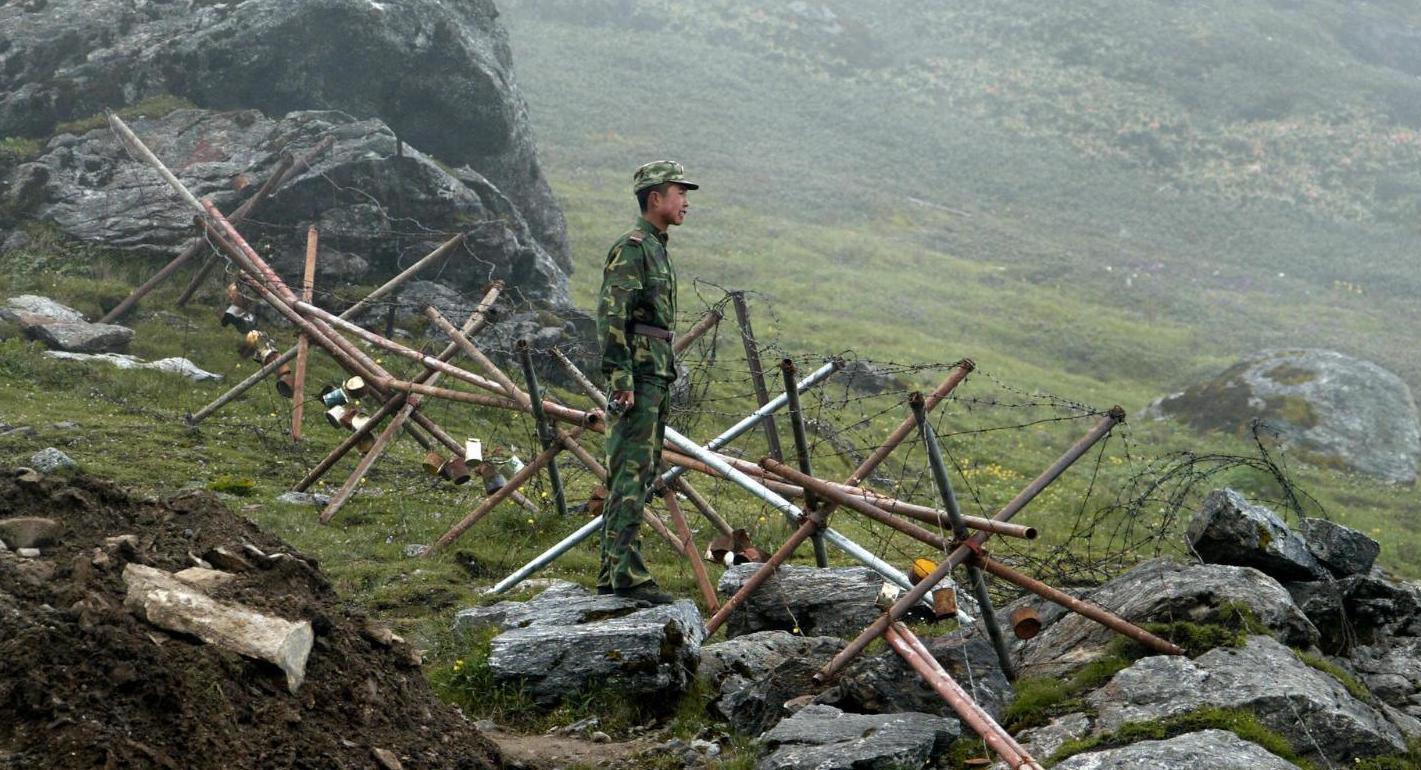
This article examines the significance of the 2013, 2014, and 2015 border standoffs between India and China. It presents a detailed account of the border crises and how the two countries tried to manage them.
Shibani Mehta
Contrary to some recent analyses, this commentary explains why a strategic détente between India and China is unlikely.

Saheb Singh Chadha