

Other
- +18
James M. Acton, Saskia Brechenmacher, Cecily Brewer, …
{
  "authors": [
    "James M. Acton"
  ],
  "type": "legacyinthemedia",
  "centerAffiliationAll": "dc",
  "centers": [
    "Carnegie Endowment for International Peace"
  ],
  "collections": [],
  "englishNewsletterAll": "ctw",
  "nonEnglishNewsletterAll": "",
  "primaryCenter": "Carnegie Endowment for International Peace",
  "programAffiliation": "NPP",
  "programs": [
    "Nuclear Policy"
  ],
  "projects": [],
  "regions": [
    "East Asia",
    "Japan"
  ],
  "topics": [
    "Nuclear Policy",
    "Nuclear Energy"
  ]
}
Source: Getty
As power is being restored to the Fukushima nuclear reactors, which were severely damaged by Japan's recent earthquake and tsunami, crucial questions remain about whether the cooling system will be functional and the likelihood of further radiation leaks.
Source: CBS
While conditions have substantially improved at Fukushima’s Daiichi reactors, which were damaged by Japan’s recent earthquake and tsunami, crucial questions and dangers persist. As power is being restored to the nuclear reactors, it remains unclear if the cooling pumps, needed to prevent overheating in the reactor cores, have become unusable. Some have begun arguing that it is time to entomb the reactors in concrete to prevent further radiation leaks, effectively abandoning the reactors, but in an interview with CBS’ Early Show, Carnegie’s James Acton argued that there is still time to stabilize and finish the cooling process. The dangers at the Fukushima plants are serious, but have receded, Acton said, although there is the potential for further degradation of nuclear materials. In particular, reactor unit three has been emitting smoke inexplicably, which is causing increasing concern. Nonetheless, Acton expressed cautious optimistic about progress at the reactor site.

Jessica T. Mathews Chair, Co-director, Nuclear Policy Program
Acton holds the Jessica T. Mathews Chair and is co-director of the Nuclear Policy Program at the Carnegie Endowment for International Peace.
Recent Work


James M. Acton, Saskia Brechenmacher, Cecily Brewer, …
James M. Acton
Carnegie India does not take institutional positions on public policy issues; the views represented herein are those of the author(s) and do not necessarily reflect the views of Carnegie, its staff, or its trustees.

This piece examines the strategic implications of Bhutan’s diplomatic efforts amid its border dispute with China, highlighting the thin ice it walks on to achieve a resolution without compromising its vital relationships.

Shibani Mehta
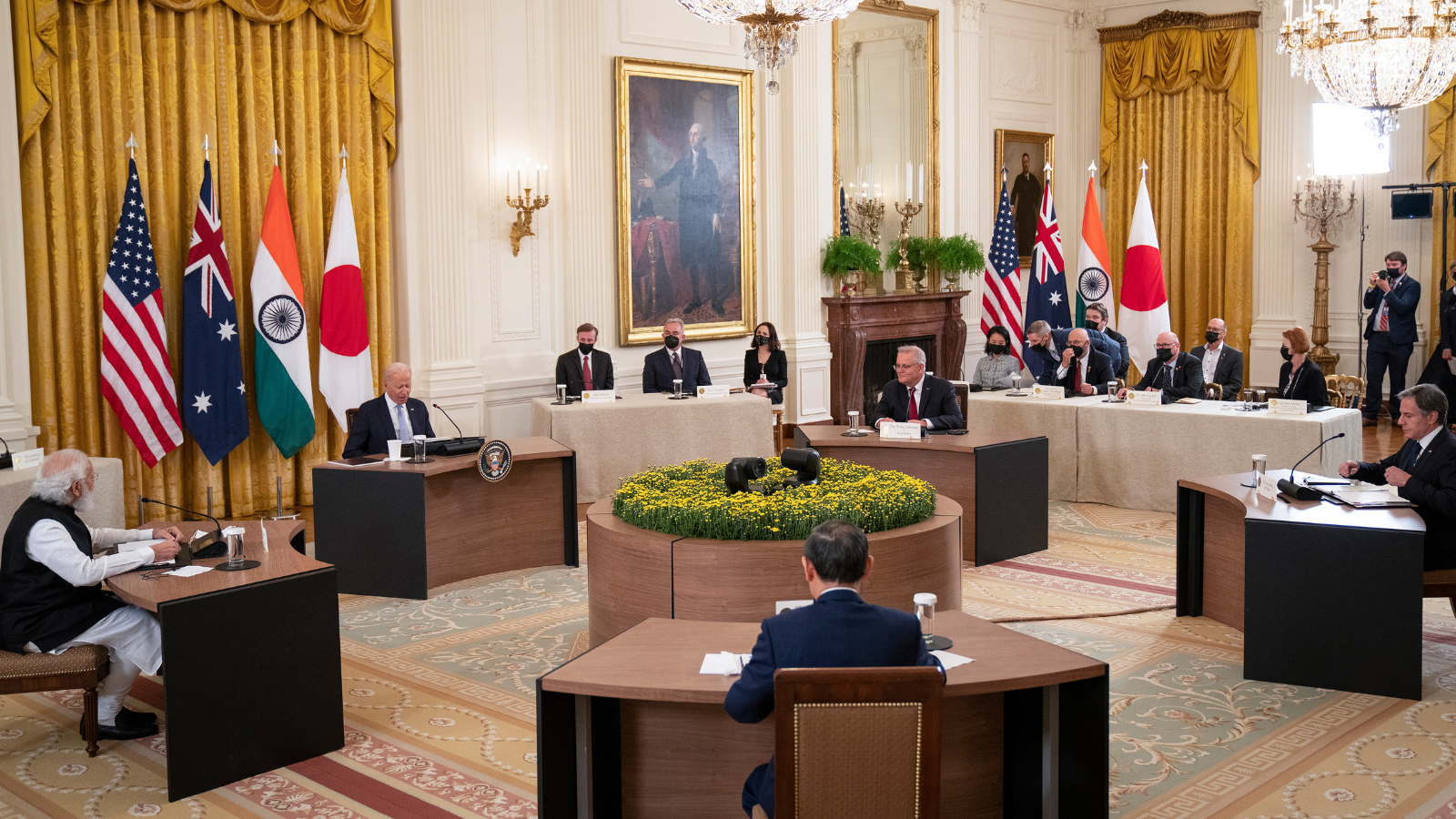
With India set to host the sixth Quad Leaders' Summit in 2024, there is every opportunity for this minilateral to not only develop a DPI initiative but also execute pilots in the Indo-Pacific. This essay shares a rationale for how the four Quad countries could achieve this goal.


Rudra Chaudhuri, Aadya Gupta

How can India navigate export control measures at a time when it is also entering into technology-centric partnerships with other nations to secure enhanced access to advanced technology?

Konark Bhandari
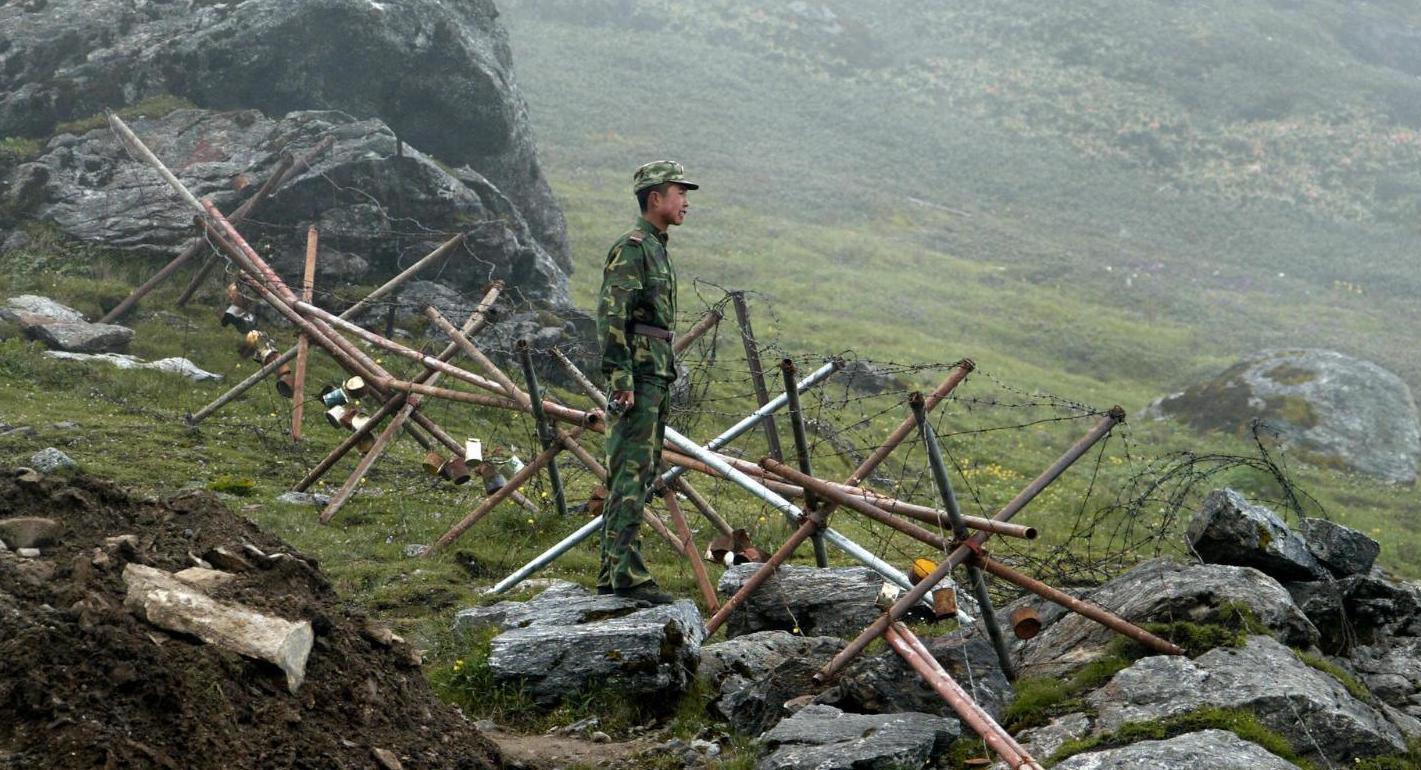
This article examines the significance of the 2013, 2014, and 2015 border standoffs between India and China. It presents a detailed account of the border crises and how the two countries tried to manage them.
Shibani Mehta
Contrary to some recent analyses, this commentary explains why a strategic détente between India and China is unlikely.

Saheb Singh Chadha