

Other
- +18
James M. Acton, Saskia Brechenmacher, Cecily Brewer, …
{
  "authors": [
    "James M. Acton"
  ],
  "type": "legacyinthemedia",
  "centerAffiliationAll": "dc",
  "centers": [
    "Carnegie Endowment for International Peace"
  ],
  "collections": [],
  "englishNewsletterAll": "ctw",
  "nonEnglishNewsletterAll": "",
  "primaryCenter": "Carnegie Endowment for International Peace",
  "programAffiliation": "NPP",
  "programs": [
    "Nuclear Policy"
  ],
  "projects": [],
  "regions": [
    "East Asia",
    "Japan"
  ],
  "topics": [
    "Nuclear Policy",
    "Nuclear Energy"
  ]
}
Source: Getty
A reactor core may have been breached at one of Japan’s Daiichi reactors. For a nation still mobilizing to respond to a triple crisis – the earthquake, tsunami, and nuclear reactor crisis – this dangerous development is difficult to address.
Source: NBC
Two weeks after an earthquake and tsunami struck Japan, causing devastation and triggering a crisis at Japan’s Daiichi and Daini nuclear reactors in Fukushima, Japan is still struggling to cool its damaged nuclear reactors. Highly radioactive water was discovered in a turbine building, a building adjacent to the one containing the reactor. Such highly radioactive water suggests there is some risk of a breached reactor core, although there are other possible explanations that could account for the highly radioactive water.
In an interview on NBC’s Today Show, Carnegie’s James Acton puts the latest development in the Fukushima crisis in context of past nuclear crises. Acton expressed doubt that the radioactive releases would approach the scale of Chernobyl, explaining that an explosion occurred in the fuel itself during the Chernobyl disaster. Such an explosion has not happened in this case. During the Three Mile Island crisis, Acton continued, melted fuel sat at the bottom of the reactor vessel, but did not succeed in burning its way through. Given concerns that the fuel in Japan may be burning through the reactor vessels, Acton concluded that past experience gives scientists little ability to predict the progression of the crisis.

Jessica T. Mathews Chair, Co-director, Nuclear Policy Program
Acton holds the Jessica T. Mathews Chair and is co-director of the Nuclear Policy Program at the Carnegie Endowment for International Peace.
Recent Work


James M. Acton, Saskia Brechenmacher, Cecily Brewer, …
James M. Acton
Carnegie India does not take institutional positions on public policy issues; the views represented herein are those of the author(s) and do not necessarily reflect the views of Carnegie, its staff, or its trustees.

This piece examines the strategic implications of Bhutan’s diplomatic efforts amid its border dispute with China, highlighting the thin ice it walks on to achieve a resolution without compromising its vital relationships.

Shibani Mehta
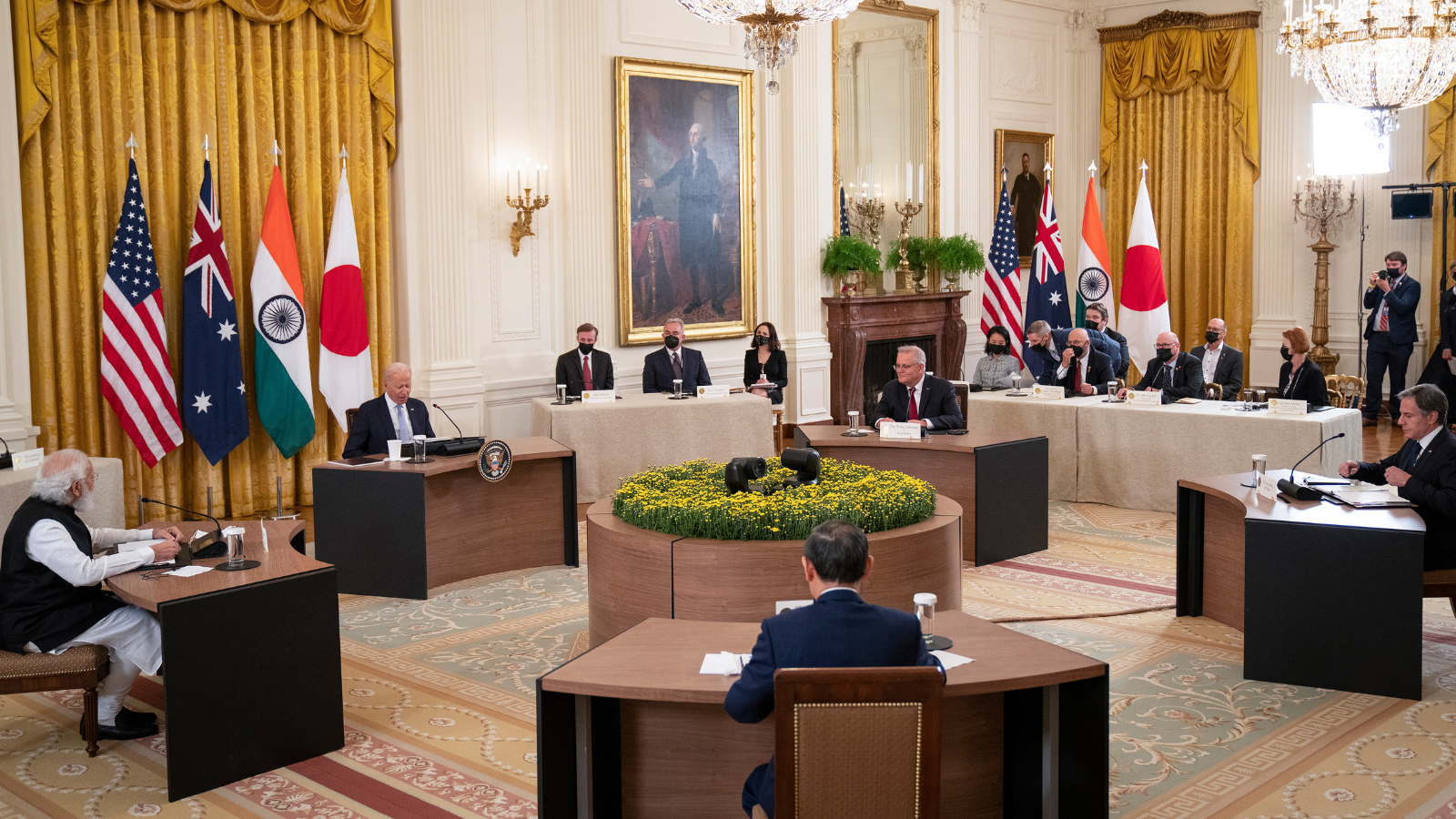
With India set to host the sixth Quad Leaders' Summit in 2024, there is every opportunity for this minilateral to not only develop a DPI initiative but also execute pilots in the Indo-Pacific. This essay shares a rationale for how the four Quad countries could achieve this goal.


Rudra Chaudhuri, Aadya Gupta

How can India navigate export control measures at a time when it is also entering into technology-centric partnerships with other nations to secure enhanced access to advanced technology?

Konark Bhandari
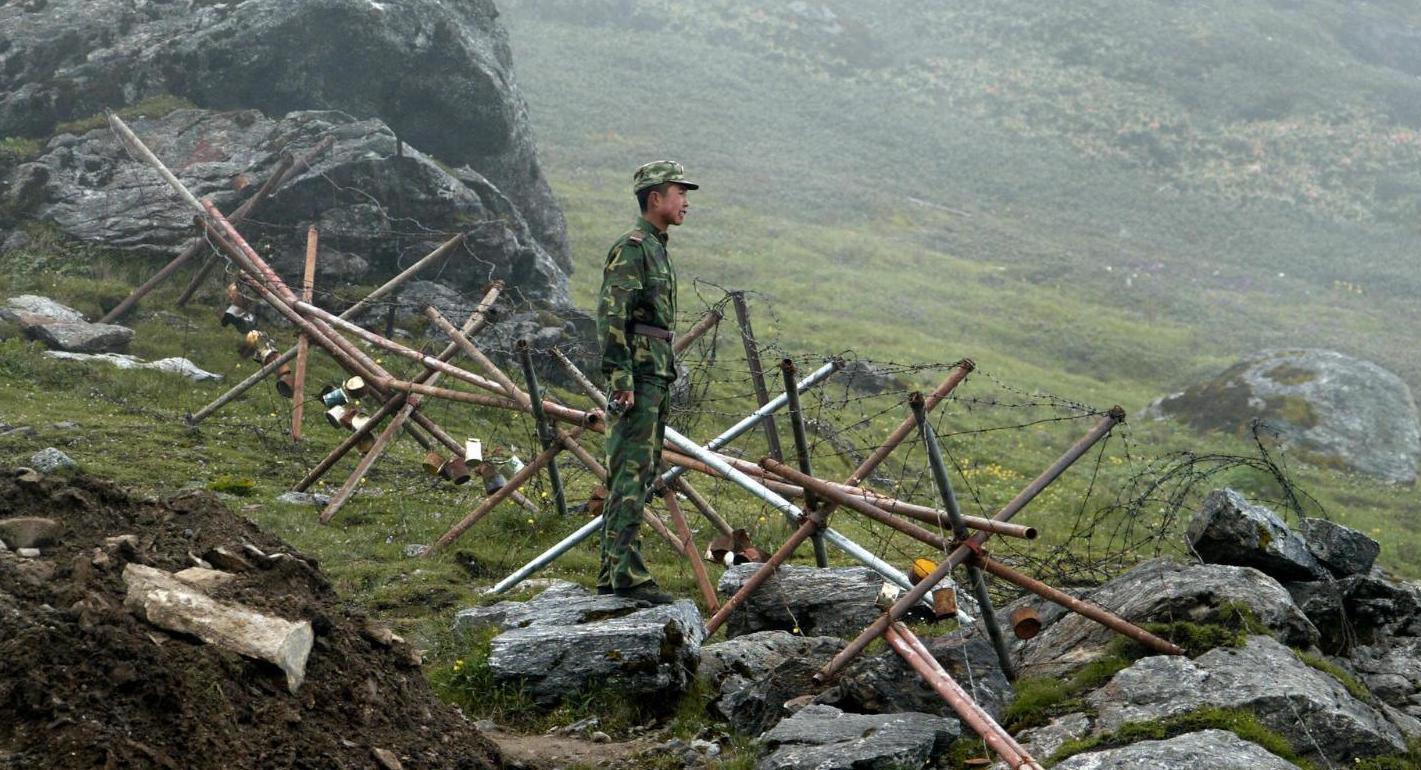
This article examines the significance of the 2013, 2014, and 2015 border standoffs between India and China. It presents a detailed account of the border crises and how the two countries tried to manage them.
Shibani Mehta
Contrary to some recent analyses, this commentary explains why a strategic détente between India and China is unlikely.

Saheb Singh Chadha