

Commentary
This piece examines the strategic implications of Bhutan’s diplomatic efforts amid its border dispute with China, highlighting the thin ice it walks on to achieve a resolution without compromising its vital relationships.
Shibani Mehta
{
  "authors": [
    "Francis Fukuyama"
  ],
  "type": "legacyinthemedia",
  "centerAffiliationAll": "dc",
  "centers": [
    "Carnegie Endowment for International Peace",
    "Carnegie Europe"
  ],
  "collections": [],
  "englishNewsletterAll": "asia",
  "nonEnglishNewsletterAll": "",
  "primaryCenter": "Carnegie Endowment for International Peace",
  "programAffiliation": "AP",
  "programs": [
    "Asia"
  ],
  "projects": [],
  "regions": [
    "East Asia",
    "Japan",
    "Asia"
  ],
  "topics": [
    "Nuclear Policy",
    "Nuclear Energy"
  ]
}
Source: Getty
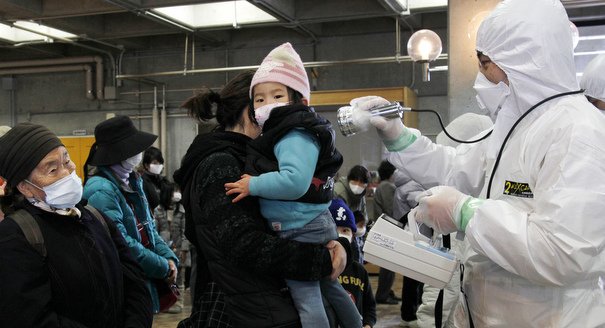
Japan's national tragedy of the earthquake, tsunami, and nuclear crisis could provide an opportunity for a new kind of Japanese politics, with the leadership the country needs to endure the sacrifices necessary to ensuring its economic health and survival.
Source: Japan Today

There will be more tragedy in the days to come as bodies are recovered, but also new stories of enormous sacrifices made by people on behalf of their fellow citizens, particularly I suspect at the nuclear power plant. The Japanese people have reacted to this tragedy with great dignity and, despite the circumstances, calm. I am not sure that other societies would react in a similar manner.
The earthquake and tsunami remind us not just about how powerful nature is, but also about the degree to which an advanced technological society becomes dependent on complex systems, and how helpless individuals become when they lose access to cellphones, the Internet or more basic things like electricity and water.
This is not, however, the first time that the Japanese people have had to endure enormous suffering and trauma. This happened at the time of the Great Kanto Earthquake in 1923, and at the conclusion of the Pacific War. In a sense, the Japanese people have been at their best when confronted with setbacks and suffering. They understand how to come together for national renewal, and readily undertake a spirit of self-sacrifice for the common good.
My hope is that this national tragedy will be the occasion for a new kind of Japanese politics. In recent years, Japan has suffered from the infighting of a political class that has been much more interested in scoring points against rivals for short-term gain, rather than trying to work seriously with one another to solve Japan’s serious long-term challenges. In this respect, they are behaving very much like their American counterparts, who have been polarized and ineffective in dealing with the country’s long-term problems.
Japan is the first developed country that will face the fact of population aging and decline, and all of the economic and fiscal challenges that come with it. What Japan has needed, but has not had, is political leadership that can rise above the petty wrangling and lead the nation toward the kinds of common sacrifices that will be needed to restore the nation’s long-term economic health.
It is an unfortunate fact about human nature that it sometimes takes a major trauma to waken people from the complacency of business as usual. Responding in the short term to the tsunami will test everyone’s resilience, but it may pave the way toward a stronger sense of national purpose that will last beyond the immediate crisis. If that happens, then the suffering of those affected by this disaster will not have been entirely in vain.

Former Nonresident Scholar, Democracy, Conflict, and Governance Program
Francis Fukuyama was a nonresident scholar in Carnegie’s Democracy, Conflict, and Governance Program, where his research focuses on democratization and international political economy.
Carnegie India does not take institutional positions on public policy issues; the views represented herein are those of the author(s) and do not necessarily reflect the views of Carnegie, its staff, or its trustees.

This piece examines the strategic implications of Bhutan’s diplomatic efforts amid its border dispute with China, highlighting the thin ice it walks on to achieve a resolution without compromising its vital relationships.

Shibani Mehta
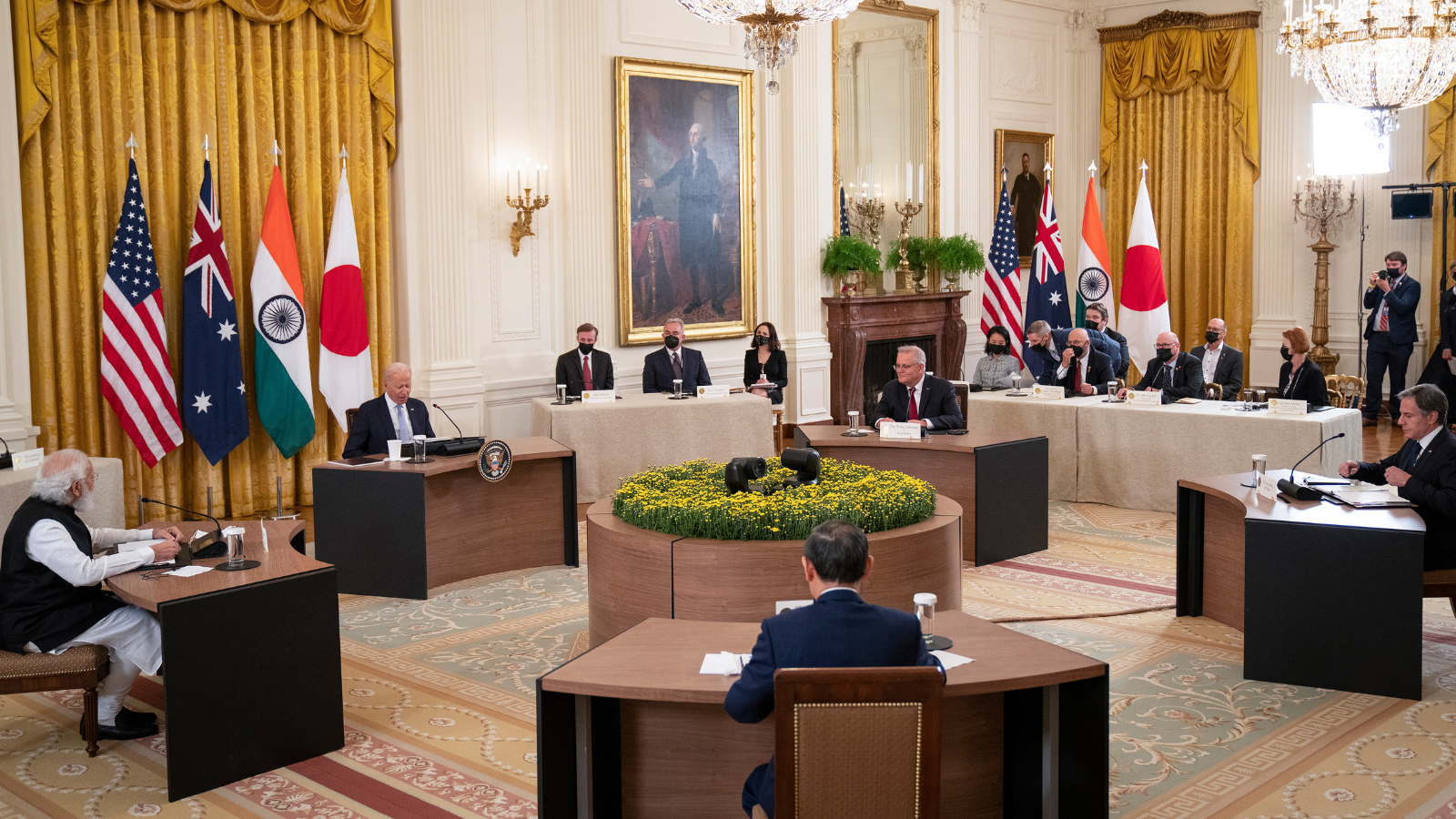
With India set to host the sixth Quad Leaders' Summit in 2024, there is every opportunity for this minilateral to not only develop a DPI initiative but also execute pilots in the Indo-Pacific. This essay shares a rationale for how the four Quad countries could achieve this goal.


Rudra Chaudhuri, Aadya Gupta

How can India navigate export control measures at a time when it is also entering into technology-centric partnerships with other nations to secure enhanced access to advanced technology?

Konark Bhandari
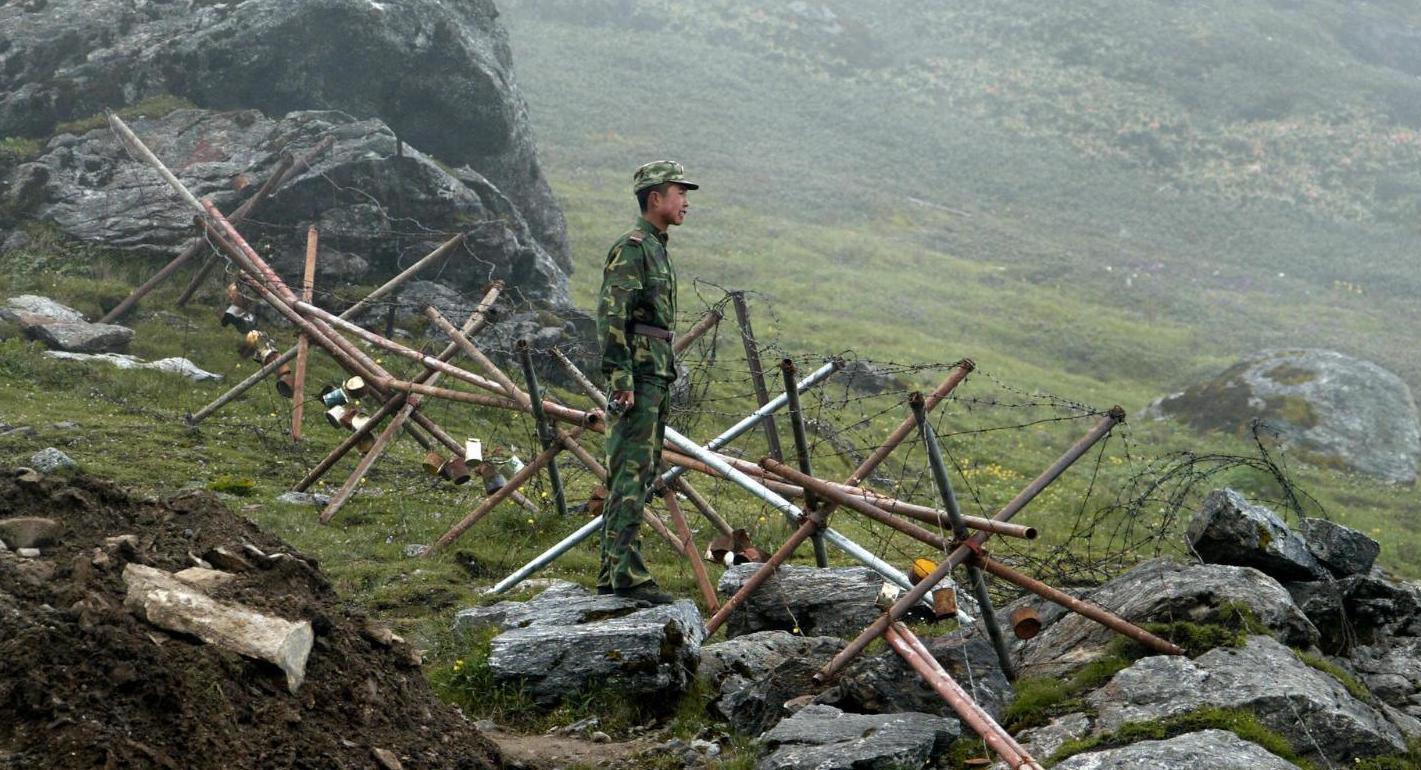
This article examines the significance of the 2013, 2014, and 2015 border standoffs between India and China. It presents a detailed account of the border crises and how the two countries tried to manage them.
Shibani Mehta
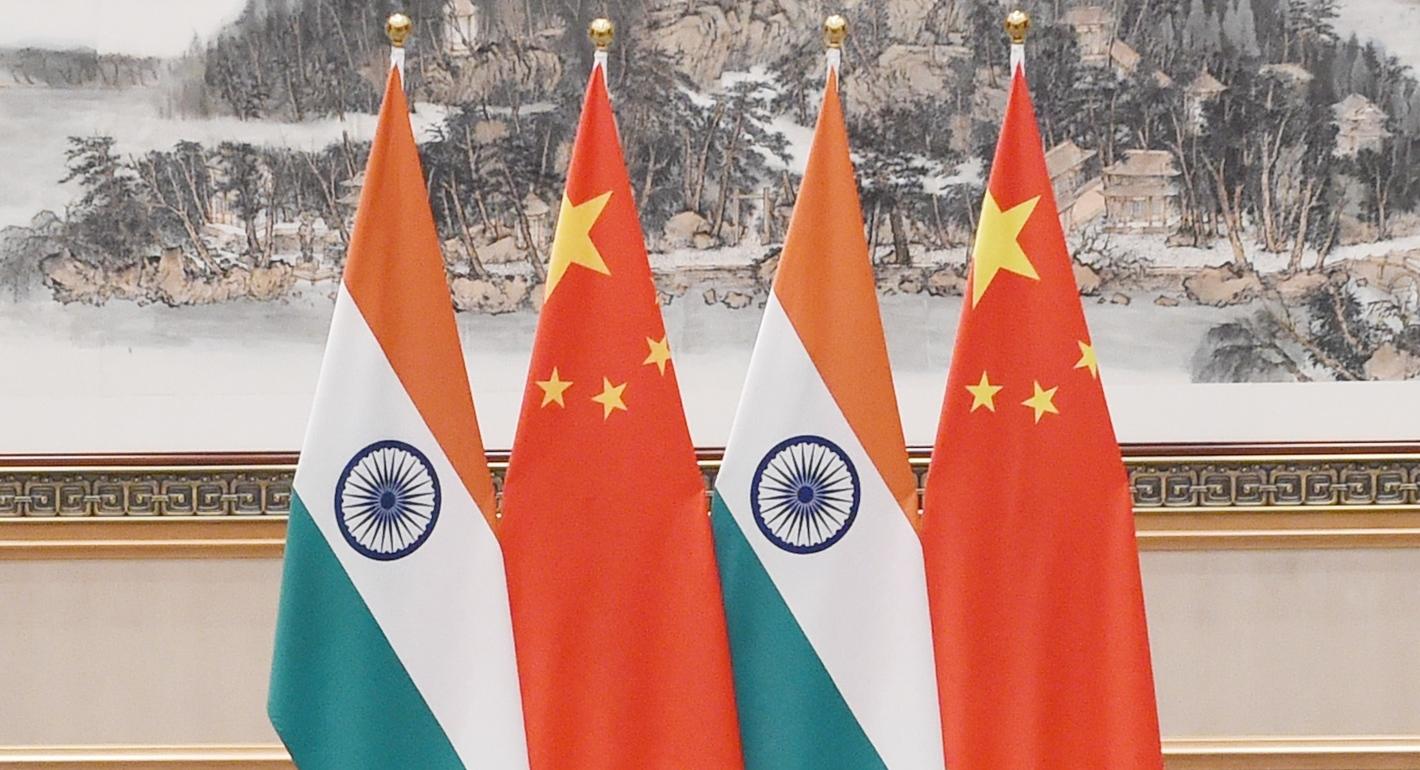
Contrary to some recent analyses, this commentary explains why a strategic détente between India and China is unlikely.

Saheb Singh Chadha