

Paper
James M. Acton, Ankit Panda
{
  "authors": [
    "James M. Acton"
  ],
  "type": "legacyinthemedia",
  "centerAffiliationAll": "dc",
  "centers": [
    "Carnegie Endowment for International Peace"
  ],
  "collections": [],
  "englishNewsletterAll": "ctw",
  "nonEnglishNewsletterAll": "",
  "primaryCenter": "Carnegie Endowment for International Peace",
  "programAffiliation": "NPP",
  "programs": [
    "Nuclear Policy"
  ],
  "projects": [],
  "regions": [
    "East Asia",
    "Japan"
  ],
  "topics": [
    "Nuclear Policy",
    "Nuclear Energy"
  ]
}
Source: Getty
Conditions at Japan’s Fukushima nuclear reactors, damaged by the devastating earthquake and subsequent tsunami, remain tense, as water levels around the spent fuel rods in one reactor continue to drop, exposing the rods to the air.
Source: NBC
In the wake of the devastating earthquake and subsequent tsunami on March 11, Japan’s Fukushima nuclear reactor crisis took serious damage, although the extent of the damage remains unclear. Of particular concern is the spent fuel pool in reactor four. Water surrounding these rods is intended to both shield the spent fuel rods from releasing radiation and to cool them, explained Carnegie’s James Acton to Matt Lauer on NBC’s Today Show. However, water levels have gone down and the rods are now exposed. It remains unclear why water levels have dropped or what will happen as the fuel rods grow more exposed. Acton explained that evaporation is unlikely to have caused the depleted water levels, suggesting that there is a reasonable chance the pool was damaged by the tsunami. Nuclear experts disagree on whether the rods will start burning when exposed, Acton added.
With so much uncertainty and a situation that has escalated far beyond what the nuclear plants were designed to handle has required the Japanese government to improvise, Acton said. Helicopters have dumped tons of water onto reactor three in an effort to keep it cool. Throughout the Fukushima nuclear power plant, radiation levels have been fluctuating wildly and workers there are operating at great personal risk. Acton suggested that the depth of this crisis indicates a need for a wholesale review of whether nuclear plants are capable of withstanding the full range of disasters to which they may be exposed.

Jessica T. Mathews Chair, Co-director, Nuclear Policy Program
Acton holds the Jessica T. Mathews Chair and is co-director of the Nuclear Policy Program at the Carnegie Endowment for International Peace.
Recent Work

James M. Acton, Ankit Panda
James M. Acton
Carnegie India does not take institutional positions on public policy issues; the views represented herein are those of the author(s) and do not necessarily reflect the views of Carnegie, its staff, or its trustees.

This piece examines the strategic implications of Bhutan’s diplomatic efforts amid its border dispute with China, highlighting the thin ice it walks on to achieve a resolution without compromising its vital relationships.

Shibani Mehta
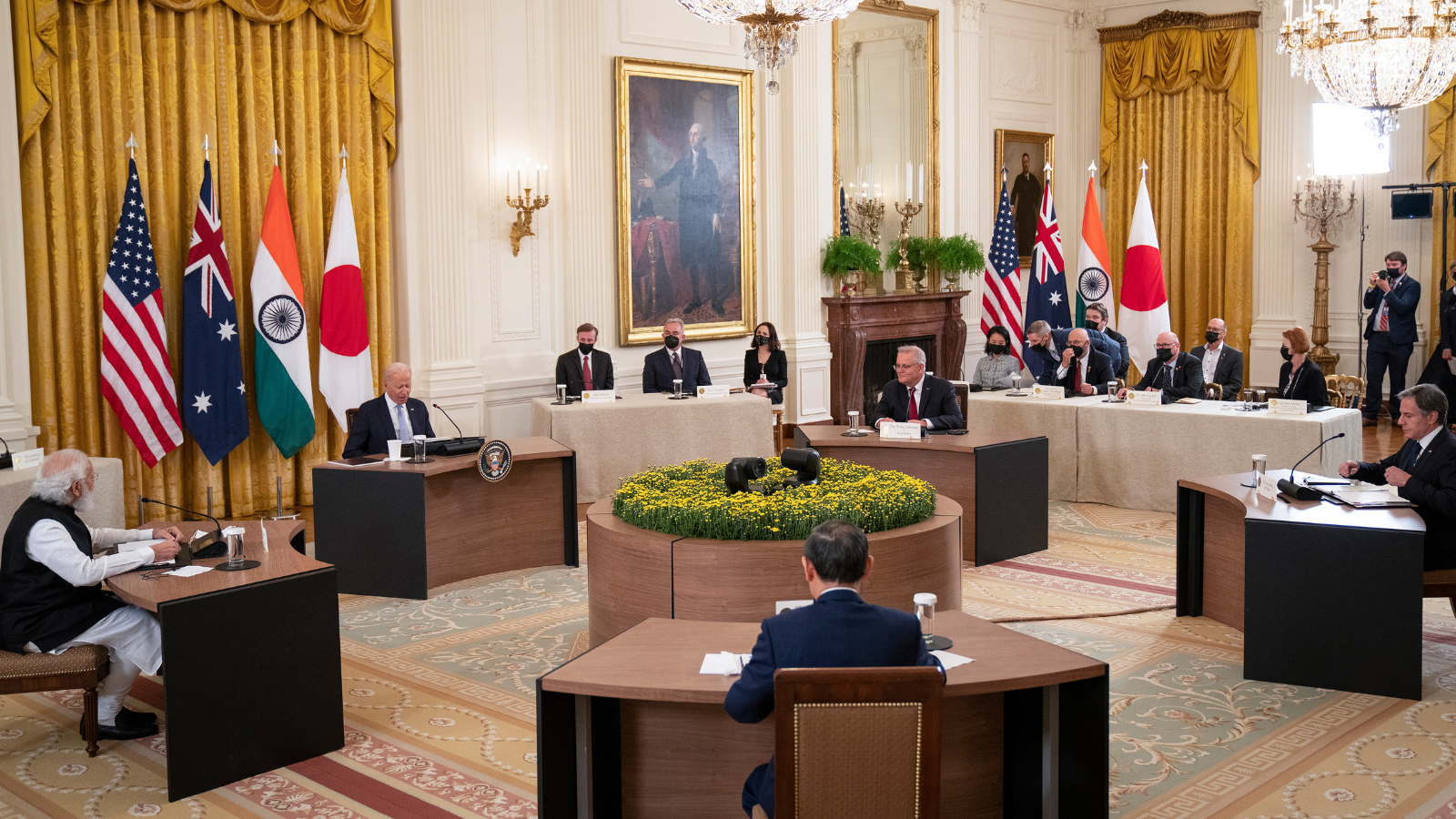
With India set to host the sixth Quad Leaders' Summit in 2024, there is every opportunity for this minilateral to not only develop a DPI initiative but also execute pilots in the Indo-Pacific. This essay shares a rationale for how the four Quad countries could achieve this goal.


Rudra Chaudhuri, Aadya Gupta

How can India navigate export control measures at a time when it is also entering into technology-centric partnerships with other nations to secure enhanced access to advanced technology?

Konark Bhandari
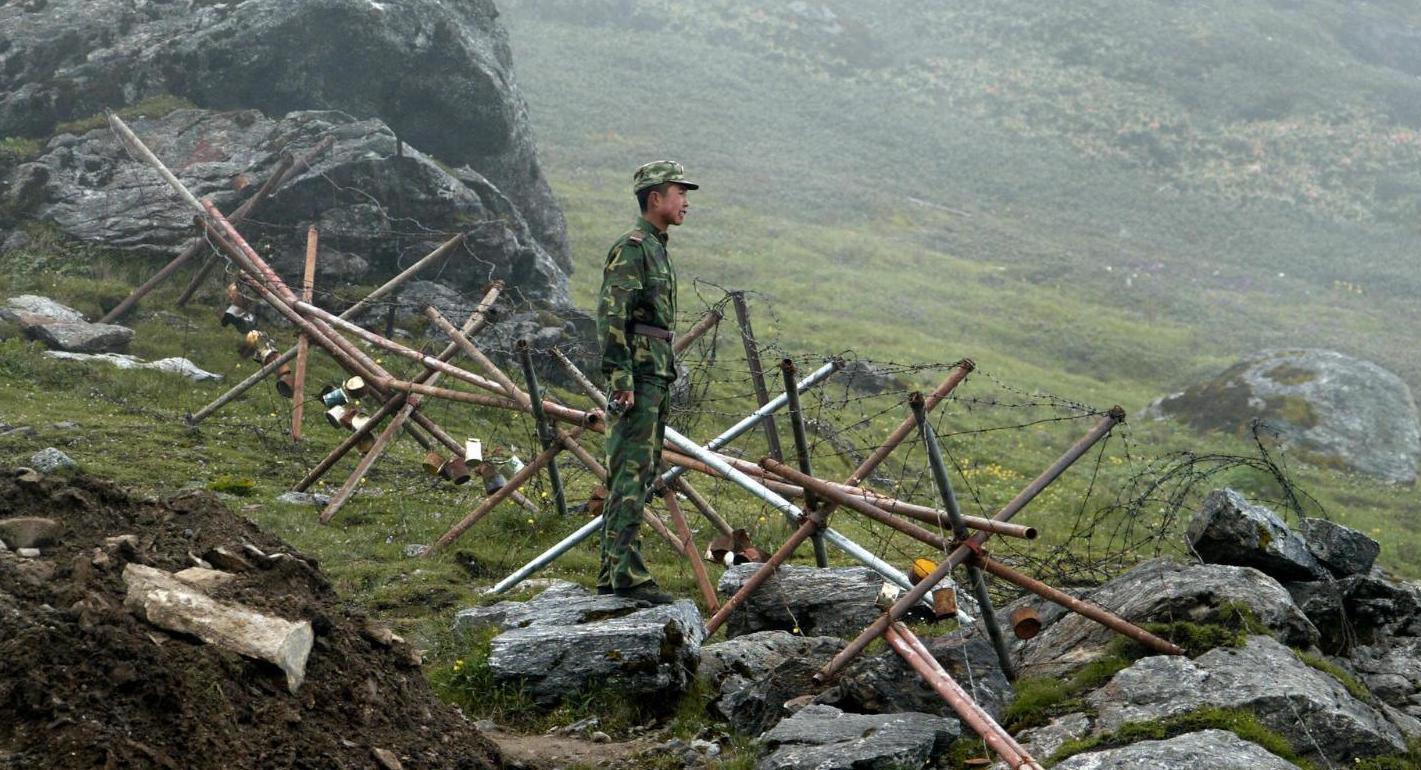
This article examines the significance of the 2013, 2014, and 2015 border standoffs between India and China. It presents a detailed account of the border crises and how the two countries tried to manage them.
Shibani Mehta
Contrary to some recent analyses, this commentary explains why a strategic détente between India and China is unlikely.

Saheb Singh Chadha